Japan Unveils D1 Humanoid Robot, Aiming for 10,000 Hours of Real-World Operation by 2026
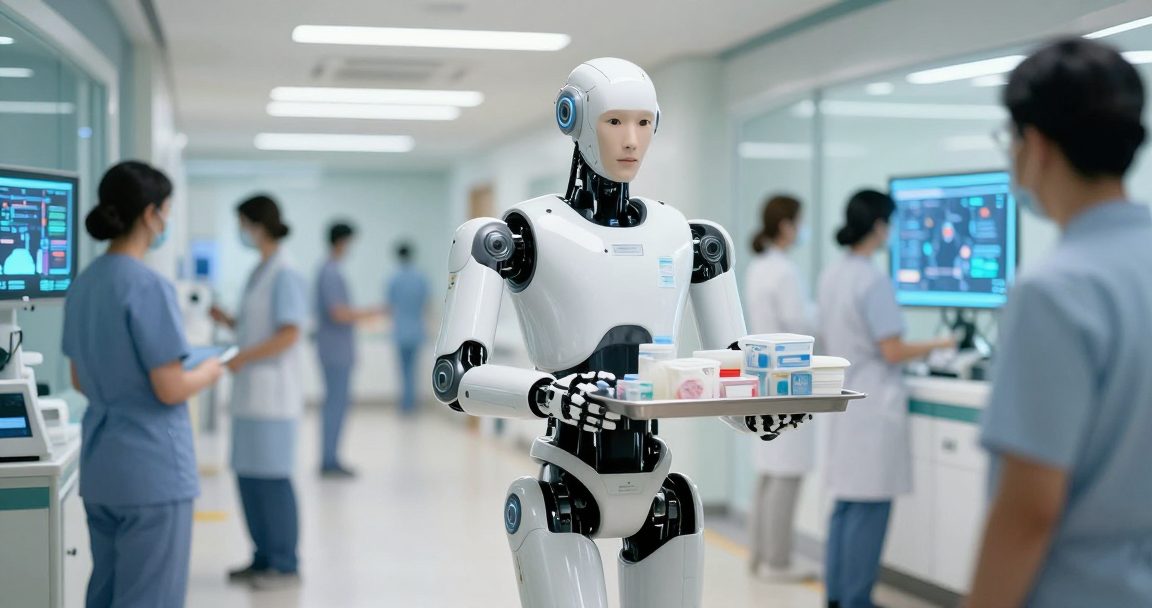
- ZEALS introduces D1, a wheeled humanoid robot tailored for indoor Japanese environments.
- D1 will be deployed in healthcare and manufacturing to collect unique physical data.
- The company aims to accumulate 10,000 hours of on-site operation by fiscal 2026.
- D1 focuses on practical field use, not just demonstration purposes.
- ZEALS aims to advance the real-world implementation of physical AI through hands-on deployment.
Taiwan readers may be familiar with Japan's robotics industry, but ZEALS' D1 is more than just a tech showcase—it signals a strategic shift toward real-world application in healthcare and manufacturing. This move highlights Japan's accelerating push to integrate AI and robotics into practical industries, not just lab environments.
ZEALS aims to accumulate 10,000 hours of on-site operation by 2026, a target that reflects a shift in strategy from demonstration to hands-on deployment. Unlike past Japanese robots, which were often used for exhibitions or research, D1 is designed to collect real-world data and advance physical AI in society. For Taiwanese companies eyeing the Japanese market or seeking tech collaboration, this is a significant development.
Japan has long promoted the 'Society 5.0' initiative, aiming to integrate AI and robotics into various sectors, but most efforts remained conceptual. D1's launch shows that Japanese firms are now ready to implement these technologies in practical settings. This aligns with Taiwan's recent focus on smart manufacturing and digital transformation, suggesting potential for future collaboration between the two regions in industrial robotics.
ZEALS' ability to meet the 10,000-hour on-site operation target will be a key indicator of D1's technical maturity and market acceptance. Additionally, its performance in healthcare and manufacturing will influence Japanese government and corporate investment in physical AI. For readers interested in robotics and AI applications, this is a development worth tracking.