Japan Advances Digital Standardization in Port Logistics to Boost Trade CompetitivenessA · FULL TRANSLATION
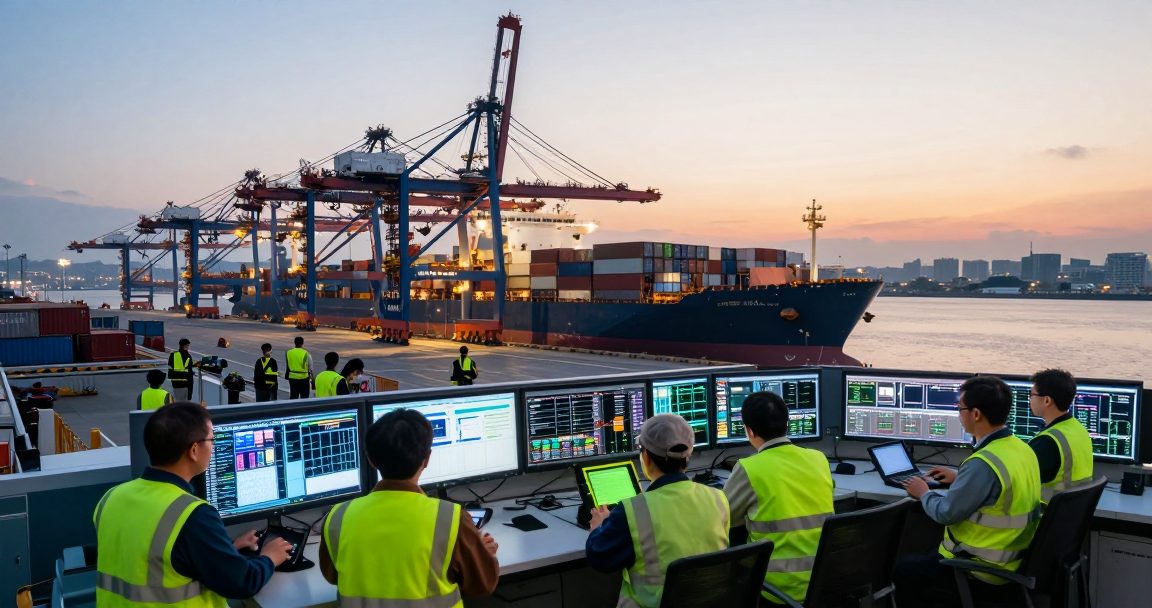
- Japan's Ministry of Land, Infrastructure, Transport and Tourism is promoting digital standardization of port procedures to improve logistics efficiency.
- The Japan Trade DX Association was established to accelerate the adoption of digital transformation in trade.
- The association will assist companies in implementing digital tools to strengthen international trade competitiveness.
- The initiative aims to reduce paperwork processing time and error rates through digitization.
- This move is intended to help Japan counter global supply chain instability and rising costs.
Japan has been actively promoting digital transformation in recent years, particularly in the logistics and trade sectors, setting an example for other Asian countries. This initiative to advance digital standardization in port logistics is not just a technological upgrade but also a strategic response to global supply chain instability and rising costs. For readers in Taiwan, this policy highlights an important lesson: digitalization has shifted from being an option to a necessity, especially in international trade and logistics.
As a key node in global manufacturing and trade, Taiwan's logistics efficiency and customs clearance speed directly affect its export competitiveness. Japan's digital standardization, which reduces document processing time and error rates, helps companies respond quickly to market changes. This offers valuable insights for Taiwanese businesses competing internationally. Additionally, the establishment of the Japan Trade DX Association shows a growing trend of government and private sector collaboration in digital transformation. If Taiwan can foster closer ties between policy and industry, it could significantly enhance the digitalization of its overall economy.
What's particularly noteworthy is that Japan's initiative goes beyond technological upgrades and emphasizes 'standardization,' which is crucial for multinational corporations and international trade. As Taiwan advances its digital transformation, it should also consider how to align with global standards to avoid efficiency losses and increased costs due to inconsistent standards. Digitalization is not a passing trend but an inevitable path for industrial upgrading. Taiwanese businesses and the government should seize this opportunity to work together in the transformation process.
To enhance the competitiveness of 'port logistics,' Japan's Ministry of Land, Infrastructure, Transport and Tourism is actively promoting the digital standardization of port procedures. According to recent reports, the Japanese government is collaborating with private organizations to improve port operations through digital technology, reducing the use and processing time of paper-based documents. Simultaneously, the Japan Trade DX Association has officially been established, aiming to promote the adoption and standardization of digital transformation in trade.
The Japan Trade DX Association will assist companies in implementing digital tools to manage document processing and customs procedures in international trade. The association stated that through digitization, companies will be able to complete import and export processes more quickly, reducing errors and costs. This initiative will also help Japan maintain its logistics and trade competitiveness in the context of global supply chain instability and rising costs.
The Ministry of Land, Infrastructure, Transport and Tourism noted that digital standardization in ports will help improve overall logistics efficiency and promote trade relations with other Asian countries. Currently, the association is working with several port companies and logistics providers to pilot digital processes, with plans to gradually expand them to major ports nationwide in the coming years.