Tokyo District Court Fully Recognizes Asbestos Victims' Claims, Statute of Limitations Begins at DeathA · FULL TRANSLATION
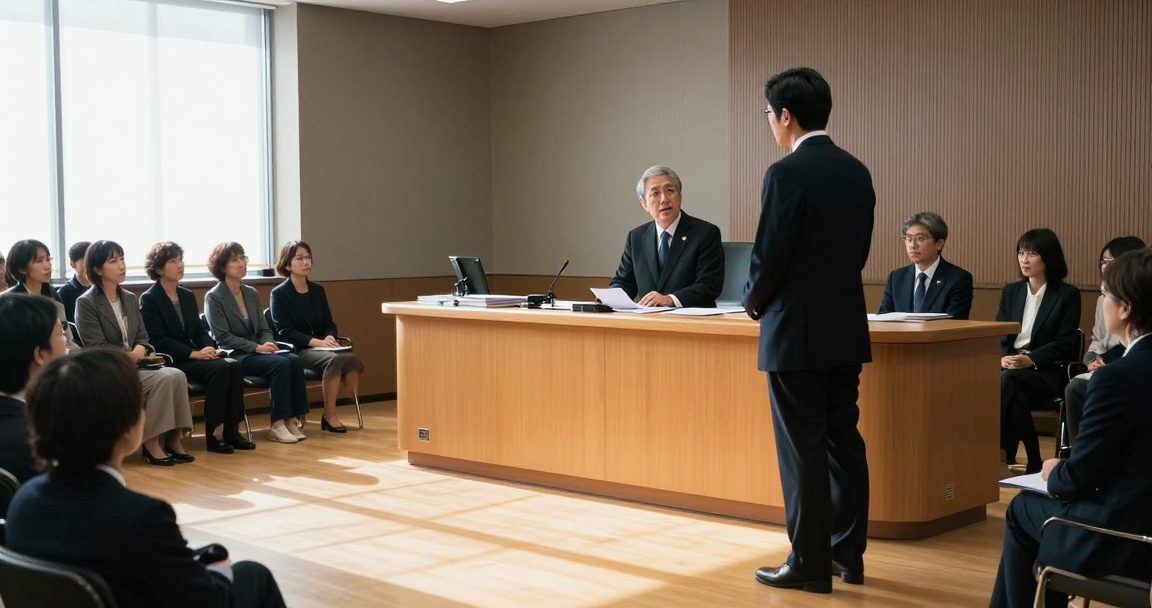
- Tokyo District Court ruled in favor of asbestos victims' heirs in a national compensation lawsuit.
- The 20-year statute of limitations is now calculated from the date of death, not from diagnosis.
- The case was represented by attorneys from Berry Appleman & Leiden LLP.
- This is the second successful ruling for the firm on this issue.
- The verdict was announced on July 14, 2026.
Readers in Taiwan may be familiar with the term 'asbestos,' but may not be well-versed in the legal controversies and societal impacts of such cases in Japan. The recent Tokyo District Court ruling not only affirms the rights of victims' families but may also influence the direction of Japan's legal and compensation systems. The Japanese government has been gradually shifting toward a more proactive stance on asbestos issues, and this verdict could serve as a pivotal moment for reform.
From a legal perspective, the 20-year statute of limitations starting from the date of death means families have more time to file claims. While this may not directly affect readers in Taiwan, it offers a concrete reference point should similar public health and industrial safety issues arise in the future. In Taiwan, occupational health and safety issues remain prevalent, and Japan's approach could provide valuable insights.
Historically, Japan has seen several asbestos-related compensation disputes, but many were dismissed due to statute of limitations or insufficient evidence. The recent victory by Berry Appleman & Leiden LLP shows a shift in the Japanese judicial system's stance on such issues. This reflects a growing societal expectation for corporate and governmental accountability.
Moving forward, readers and industry professionals in Taiwan should monitor whether the Japanese government will appeal this ruling and whether the court will further clarify the legal interpretation of the 'start point of the statute of limitations.' Additionally, whether Japan's Ministry of Health, Labour, and Welfare will propose legislative reforms in response to this case will be a key point to watch.
On July 14, 2026, the Tokyo District Court ruled in favor of plaintiffs in a national compensation lawsuit related to asbestos-related health damages. The case was represented by attorneys from Berry Appleman & Leiden LLP, specifically lawyers Mai Sato and Shigeo Sugawara. The court determined that the 20-year statute of limitations should be calculated from the date of the patient's death, rather than from the date of diagnosis. This is the second successful ruling for the firm on this issue, following a 2023 case. The verdict is significant for asbestos victims' families and may influence future legal and policy developments. Japan has been actively reforming its asbestos compensation system in recent years, and this case could further shape the direction of those reforms.