China's Tungsten Export Curbs Push Up Prices for Japanese Manufacturers
- China has tightened export controls on tungsten, a rare metal, with effects already visible in Japanese manufacturing.
- Products using tungsten are rising in price and some firms report difficulty securing supply.
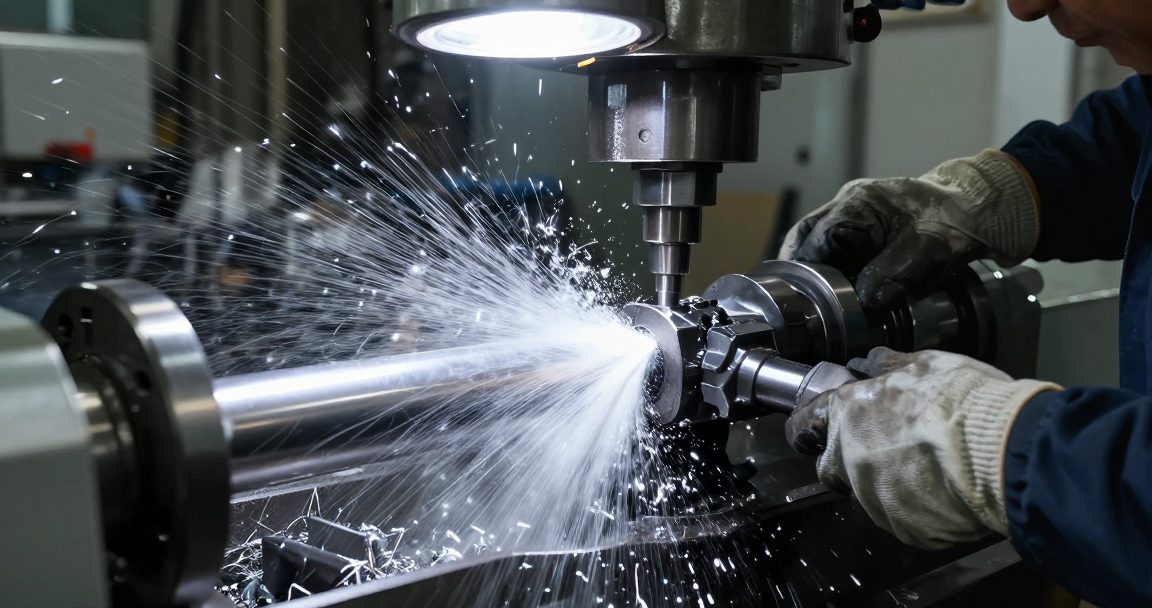
- Tungsten is mainly used in cemented carbide cutting tools, a consumable on every machining floor.
- When supply is concentrated in one country, export curbs feed straight into lead times and quotes.
Tungsten rarely makes headlines, but it sets the cost of a lot of things. After China tightened export controls on the rare metal, Japanese manufacturers are reporting higher prices and difficulty securing supply.
Tungsten's main use is cemented carbide — the cutting edges on lathes, mills and drills. These are consumables, bought every month and impossible to defer: when tooling runs out, the line stops that day. That is why export curbs show up on the shop floor immediately rather than a quarter later.
The mechanism is concentration. When output and refining sit largely in one country, supply does not need to stop; slower approvals and tighter quotas are enough to move prices, and buyers stockpiling in response push them further. Japan has been here before. After China restricted rare earth exports in 2010, it took years to diversify sourcing and develop reduction and recycling technology. Alternatives exist, but they cost time and money.
For manufacturers, the practical step now is to count how much carbide tooling and wear-resistant parts you consume, check how many months of stock you hold, and shorten the validity of your own quotes. For equity investors, this is a cost-side squeeze on midstream processors with weak pricing power, while firms with recycling or substitute-material capability stand to gain.
Watch how strictly the controls are applied, whether Tokyo adds tungsten to its critical-materials support list, and gross margins at toolmakers.