Japanese Firms Turn to Water-Based Inks and AI as Oil Costs Bite
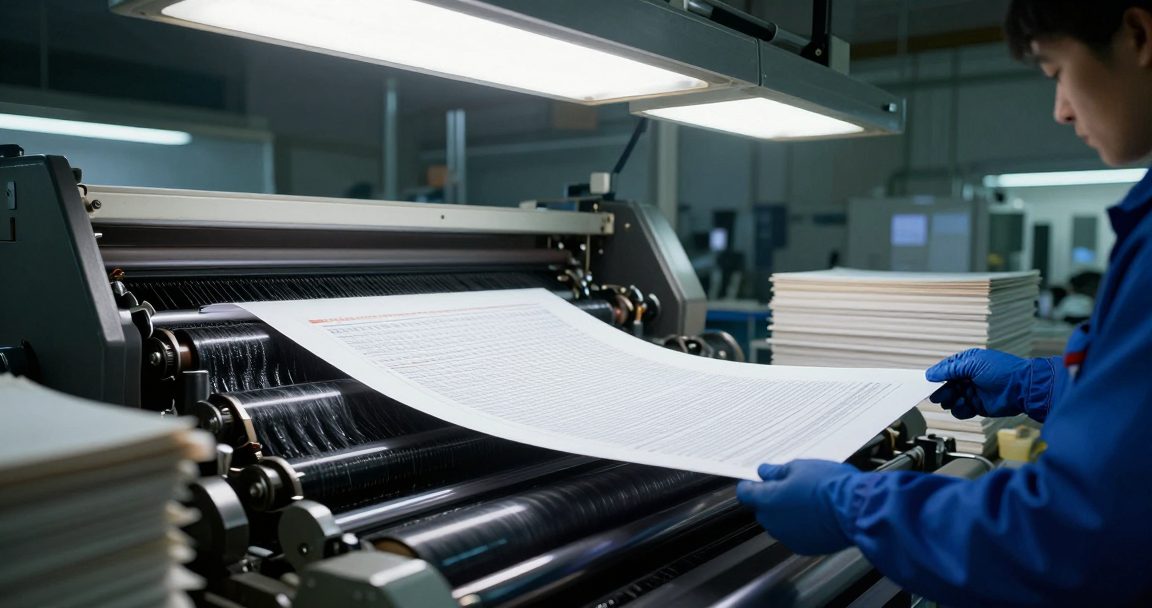
- Surging crude prices and supply anxiety after the US strike on Iran are hitting Japanese firms.
- Sagawa Printing is moving to water-based inks to cut dependence on petroleum-derived materials.
- Road paving company Nichireki is deploying AI to manage cost and supply pressure.
- The impact runs from packaging printing to road construction.
Crude oil prices usually reach readers only after passing through several layers. This report opens those layers up: after the US strike on Iran, higher prices and supply anxiety have reached Japanese production floors, from packaging printing to road paving.
The two examples take different routes. Sagawa Printing is switching materials, replacing petroleum-based inks with water-based ones and cutting crude exposure out of its cost structure. Nichireki, in road paving, is deploying AI — asphalt is hard to substitute, so the savings have to come from usage and scheduling. The first is structural but needs R&D and capital; the second works faster but has a ceiling.
Japan's crude import price averaged $82.17 a barrel in the first half, up 6.8%, but in yen terms it rose 12.4% to 81,498 yen per kilolitre. That 5.6-point gap is the currency, meaning Japanese firms face more pressure than the global oil price alone suggests.
After the 1970s oil shocks, Japanese industry turned this pressure into an efficiency advantage — but back then a rising yen cushioned import costs. This time oil and the currency are moving the wrong way together.
When screening manufacturing and construction names, ask whether the input can be substituted. Watch yen-denominated crude prices and the petroleum and chemicals components of the corporate goods price index.