PayPay Surpasses 75 Million Users With 8.88 Billion Annual Transactions
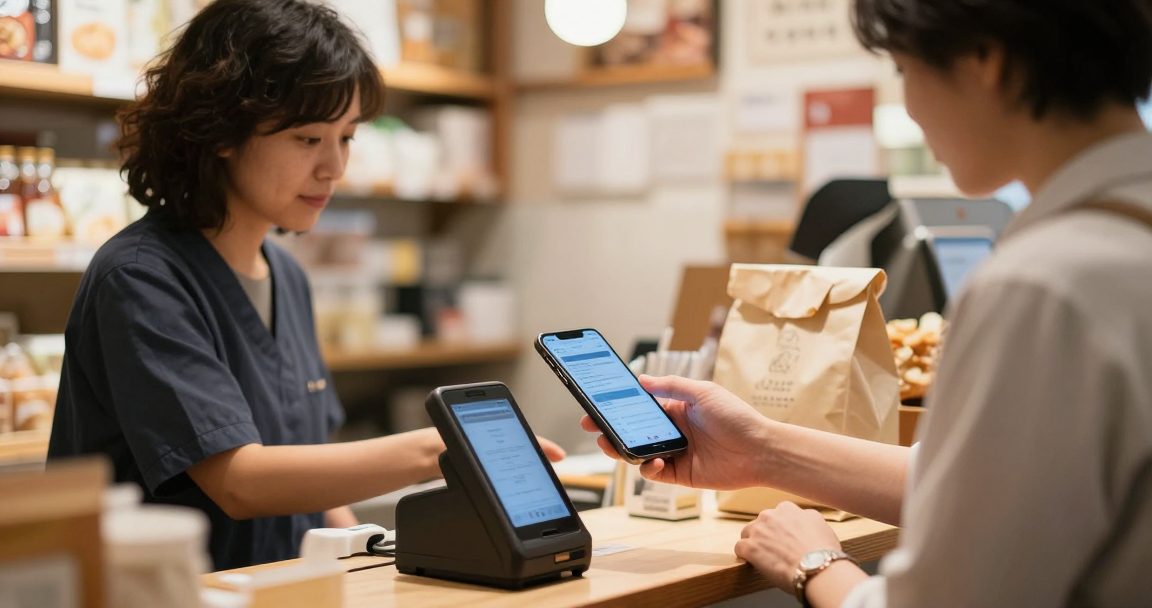
- PayPay announces over 75 million registered users, nearing half of Japan's population.
- Approximately three out of four Japanese smartphone users now use PayPay.
- Verified user count exceeds 43 million, reinforcing financial security.
- Annual transaction volume reaches 8.88 billion times, highlighting frequent usage.
- PayPay continues to expand market share and user engagement.
PayPay's user base has surpassed 75 million, with annual transaction volume reaching 8.88 billion times. For Taiwan readers, this is not irrelevant. Japan's mobile payment ecosystem is far more advanced than Taiwan's, and PayPay's rapid growth shows the high acceptance and engagement of cashless transactions among Japanese consumers. As Taiwan pushes for digital transformation and cashless payment, observing PayPay's strategy and user behavior can provide insights into the potential direction of the payment market.
PayPay's success lies not only in user numbers but in its high transaction frequency. With 8.88 billion annual transactions, the average user makes around 1,184 transactions per year. This is significant for merchants and financial institutions, as it represents a massive transaction flow and data value. For Taiwan's payment platforms to compete globally, they must consider how to increase user frequency and transaction value, and PayPay's experience offers a blueprint.
Japan has seen similar mobile payment platforms like Line Pay and Au Pay, but PayPay gained dominance through large-scale marketing and a no-fee strategy. This highlights the importance of user experience and cost strategy in the mobile payment market. For Taiwan's platforms to stand out, they must focus on these key areas.
Looking ahead, it will be important to track whether PayPay's user growth can continue and if its transaction count can break 9 billion. Based on the current growth curve, this milestone could be reached by Q2 2024. Additionally, whether PayPay expands into cross-border payments or virtual assets will also shape its future market position and competitive advantage.