Global Fish Output Keeps Growing While Only Japan Slides to Record Lows
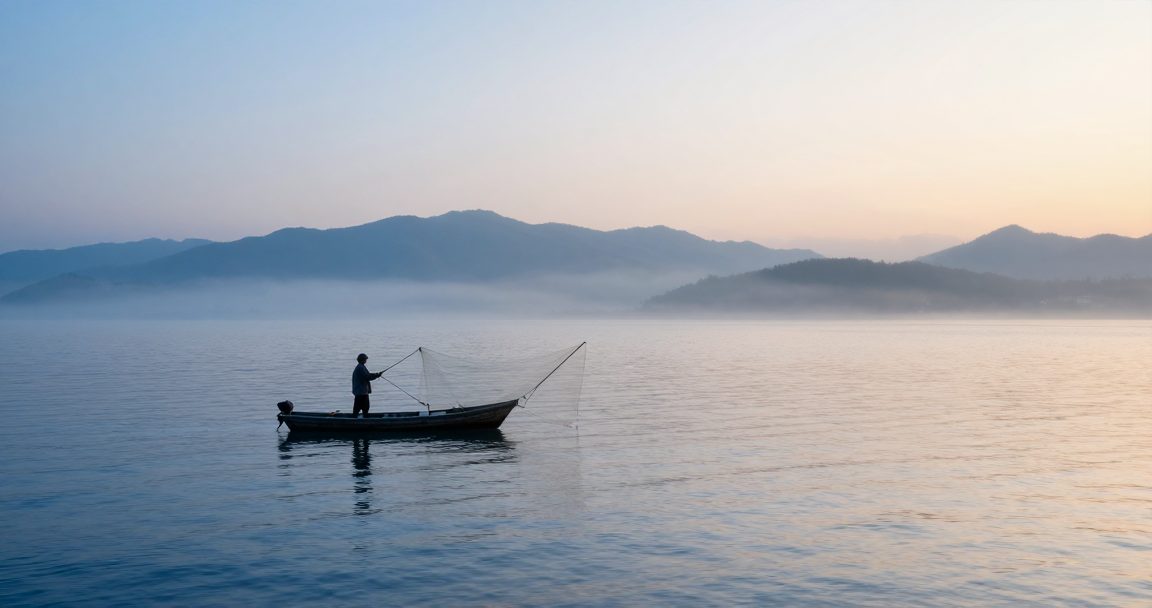
- Global fisheries output keeps rising while Japan's production has fallen to record lows.
- The report argues the cause is neither a shortage of fishermen nor consumers eating less fish.
- It points instead to how Japan manages its fishery resources.
- Full data and argument are in the original Toyo Keizai article.
For readers in Taiwan, the decline of Japan's fishing industry may seem distant, but the underlying issues of marine ecology and industrial transformation are highly relevant. Japan's fish catch has fallen below 500,000 tons for ten consecutive years, while global catch continues to rise, signaling a crisis in resource management and environmental sustainability.
The main causes of Japan's decline are environmental degradation and poor fishery resource management. Statistics show that the number of Japanese fishermen has dropped from 260,000 in 1990 to under 100,000 in 2023, indicating a loss of industry appeal and population outflow. Overfishing and climate change have further led to resource depletion and ecosystem imbalance, affecting the stability of fish catch.
This trend has direct implications for Taiwan. As a coastal nation with a similarly dependent marine economy, Japan's experience serves as a warning. Without scientific management and industrial transformation, the fishing industry will struggle to survive. The decline also impacts related sectors such as seafood processing, tourism, and recreational fishing, creating a ripple effect on local economies.
Japan attempted reforms in the 2000s, but results were limited. In recent years, the government has promoted sustainable fishing and artificial reefs, yet production remains low. Future attention should focus on Japan's fish catch data and policy adjustments, particularly the 2024 fishery resource management report and changes in the number of fishermen. These will be key indicators for assessing industry recovery. Taiwan can learn from Japan's experience to avoid similar pitfalls and ensure the long-term sustainability of its own fishing industry.