Tokyo to Convert Yaesu Parking Lot into Underground Shelter by 2026
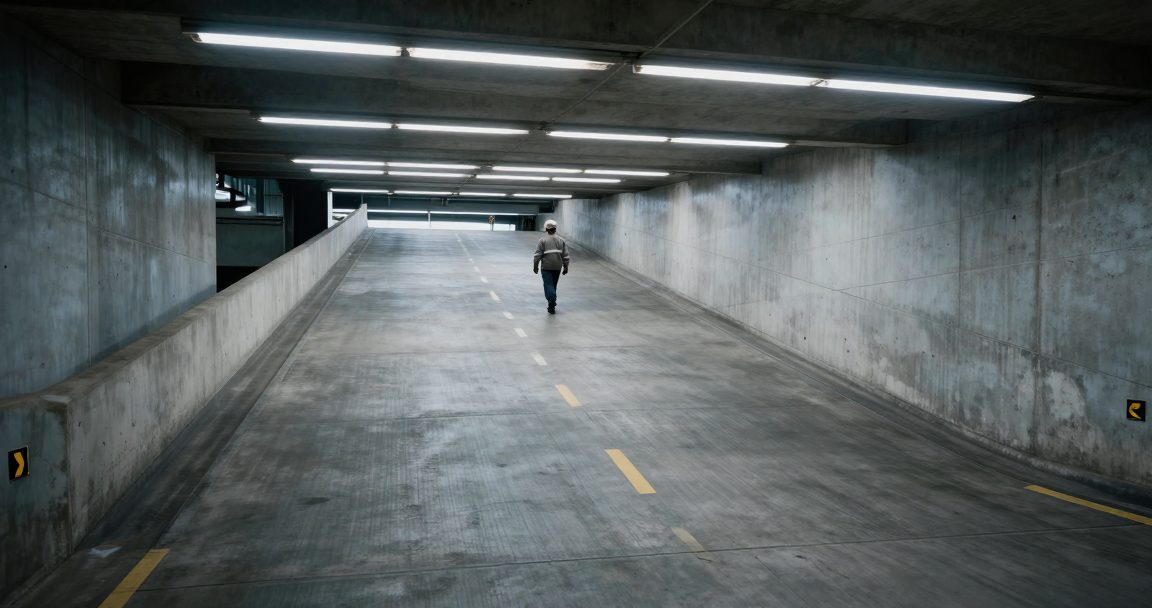
- Tokyo will convert the Yaesu parking lot into a missile shelter facility.
- The project will begin investigation and necessary renovations from fiscal 2026.
- The goal is to enhance public safety in response to missile threats.
- This will be the first underground shelter built through such a transformation in Tokyo.
For readers in Taiwan, Japan's recent move to convert a Yaesu parking lot into a missile shelter may seem distant, but it reflects a growing trend in urban security and strategic preparedness. Tokyo's initiative highlights how cities are adapting to new geopolitical threats, particularly in the Asia-Pacific region. This project is not just about infrastructure; it signals a shift in how urban spaces are redefined under the shadow of potential conflict.
The implications for readers are significant. As missile threats and regional tensions rise, the need for multi-functional urban infrastructure—especially in high-density cities—becomes more urgent. Japan's approach offers a model for how governments can balance daily functionality with emergency preparedness. For countries like Taiwan, which also face strategic uncertainties, such projects could serve as a blueprint for future urban planning and defense strategies.
Historically, Japan has shown a capacity to adapt to crises. After the 2011 earthquake and tsunami, the country invested heavily in disaster response and infrastructure upgrades. Now, with missile threats from North Korea and potential regional conflicts, Tokyo is applying similar principles to a new kind of risk. This shift from natural to human-made threats presents new challenges in both technology and policy.
Going forward, the key will be monitoring the project's progress and its effectiveness. Will the Yaesu shelter be completed on schedule? How will it perform in real-world emergency scenarios? These questions will shape not only Japan's future but also the broader region's approach to urban security. In an era of increasing uncertainty, cities must evolve to protect both people and prosperity.