Chinese Luxury Spending Shifts: Skincare Overtakes Designer Bags
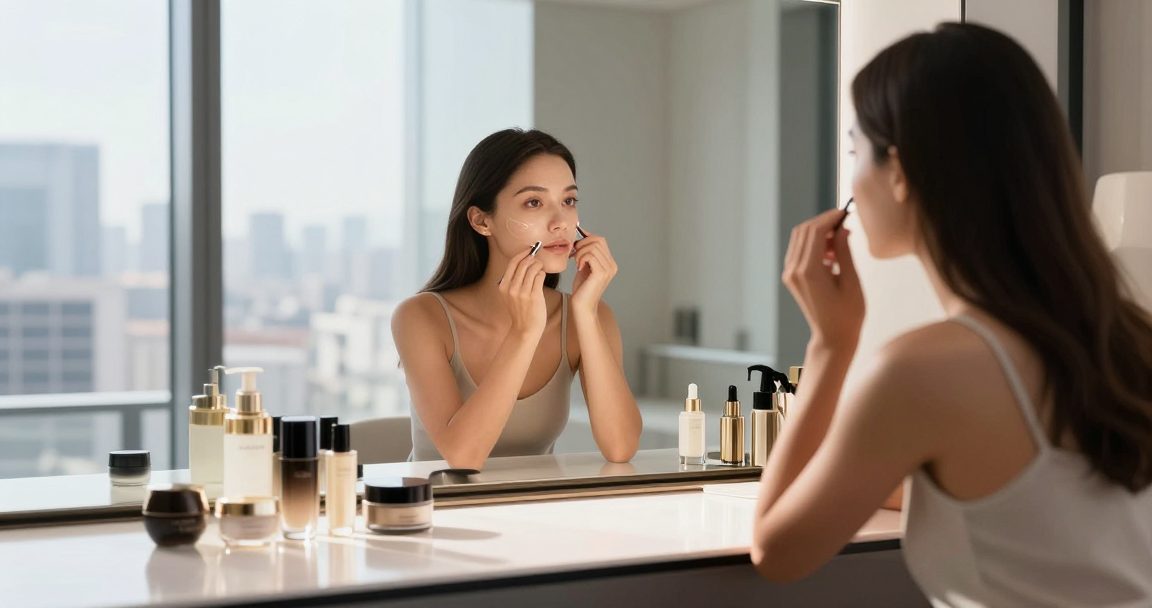
- Chinese consumers are now prioritizing skincare over designer handbags.
- The shift reflects changing values in the luxury market, according to Toyo Keizai Online.
- Younger generations are investing more in self-care and skin health.
- The skincare market is growing faster than fashion accessories in China.
- Brands are adjusting strategies to focus more on skincare and local partnerships.
Why should readers in Taiwan care about the shift in Chinese luxury spending? This is not just a market trend, but a reflection of changing consumer values. Once a symbol of luxury in China, designer handbags are now being outspent on skincare products, signaling a greater emphasis on self-care and health. This shift presents potential business opportunities for Taiwanese beauty brands and importers.
According to Toyo Keizai Online, Chinese consumers are redefining what constitutes luxury. This change is closely tied to the values of younger generations, who are more inclined to invest in things that improve their quality of life and health. This is also reflected in market data, where the growth rate of high-end skincare products far outpaces that of fashion accessories, showing a tangible shift in consumer behavior.
Japan has also experienced similar consumer transitions in the past. At that time, brands succeeded in pivoting by strengthening local partnerships and product innovation. The changes in the Chinese market may also prompt brands to rethink their product strategies and market positioning.
What to watch next is the specific growth figures in the skincare market, as well as how brands are adjusting their marketing and supply chains. The performance of Taiwanese and Japanese brands in the Chinese market will be a key indicator. Additionally, whether the preferences of younger generations will continue to influence the broader market will be a critical factor in the coming quarters.