Japan and US Buy Yen Together for First Time in 28 Years
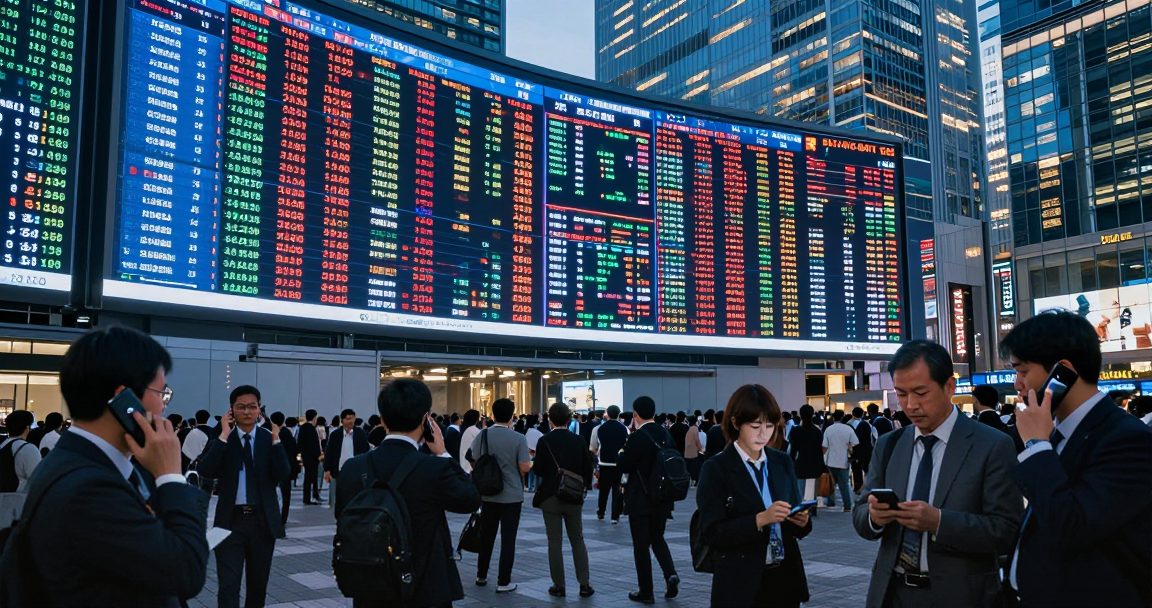
- US and Japan intervene for first time in 28 years on July 31
- Dollar briefly retreats from near 164 yen to around 155 after intervention
- Previous currency interventions had limited impact
For anyone in Taiwan who books flights to Japan or collects rent on a Japanese apartment, the yen is not a markets story. It is a budget line. On July 31 Tokyo and Washington bought yen and sold dollars together for the first time in 28 years. The pair had been pressing toward 164 before the operation and snapped to the 155 handle after it. This week it trades around 159.
Line the three numbers up. The intervention moved the rate nine yen; the market gave four of them back in a fortnight. That round-trip speed is the real signal. A joint operation this rare bought roughly two weeks, which tells you intervention can move a price but not the reason behind it.
The tool's force comes from its message — two governments agreeing a level is abnormal — rather than from the size of the trade. Once the message fades, price returns to its prior path.
Two domestic pressures compound this. If the Bank of Japan holds rates in autumn, the yen loses its only fundamental support, and fiscal expansion has markets repricing Japan's debt and rate path. When external and internal forces point the same way, intervention only sets the pace.
Practical read: change yen in tranches instead of waiting for a bottom; keep two sets of books on Japanese equities, since index gains and currency losses do not cancel; and stress-test property numbers against a much stronger yen. Watch the autumn BOJ decision, any second joint operation, and whether 159 holds.