Japan's Corporate Goods Prices Rise 7.2% in July as Oil Costs Keep Building
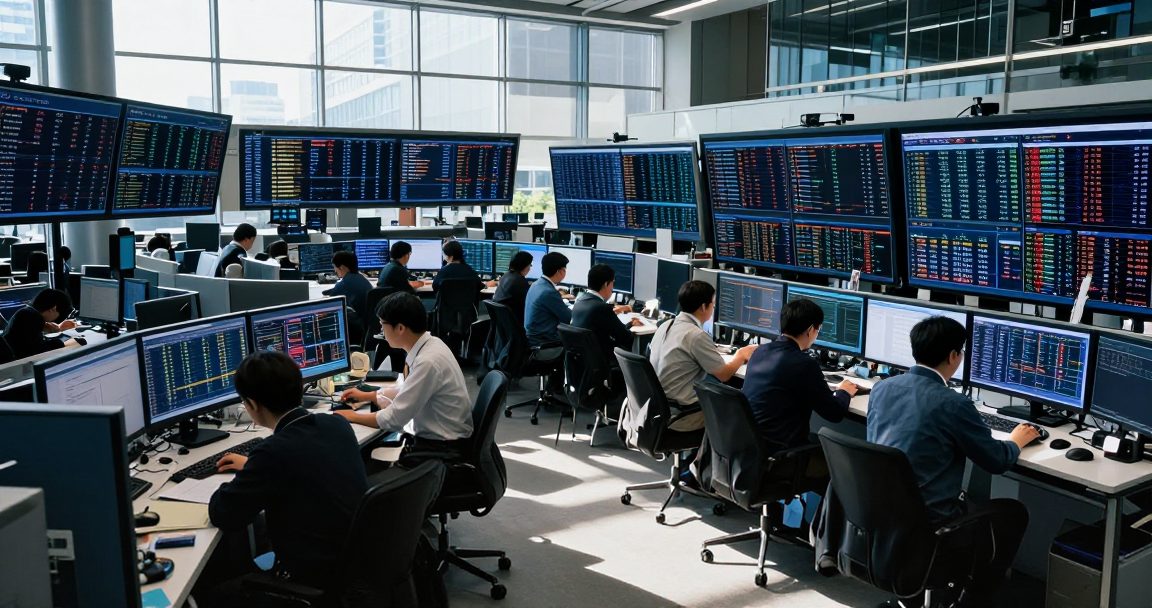
- Corporate price index up 7.2% year-over-year
- Slight moderation from June's increase
- Middle East situation impacts oil-related products
Prices charged between companies move before the ones on the shelf. Japan's corporate goods price index rose 7.2% in July from a year earlier. The pace eased slightly from June, but the level stays high, and oil-related products driven by Middle East tensions did most of the pushing.
Unpack the number. This index covers raw materials, fuel, components and processed goods as they change hands between firms — upstream of consumer prices. A 7.2% rise upstream does not mean 7.2% downstream, because in between sits the question of whether companies dare pass it on. So the figure measures pressure, not outcome. "Slightly smaller than June" means the pressure stopped building, not that it started easing.
Oil matters beyond the pump: crude feeds plastics, packaging, fertiliser, electricity and freight. Each link pushes cost to the next, and the link closest to the consumer has the least room to refuse.
Japanese retailers and restaurants are reluctant to raise prices, so cost is absorbed until it cannot be. Increases arrive late, abruptly, and clustered around contract renewals — which is why visitors so often find prices jumped between trips.
Three paths: oil eases and the index falls back; costs pass through and consumer prices follow, strengthening the case for a rate hike; or firms hold prices and take the hit in margins, visible only at earnings.
For readers: budget more generously in Japan, write price-adjustment clauses into supply contracts, and watch gross margins rather than revenue in Japanese retail and food names.