Workman Cuts Workwear From ¥4,400 to ¥3,400 and Profit Rises 50%
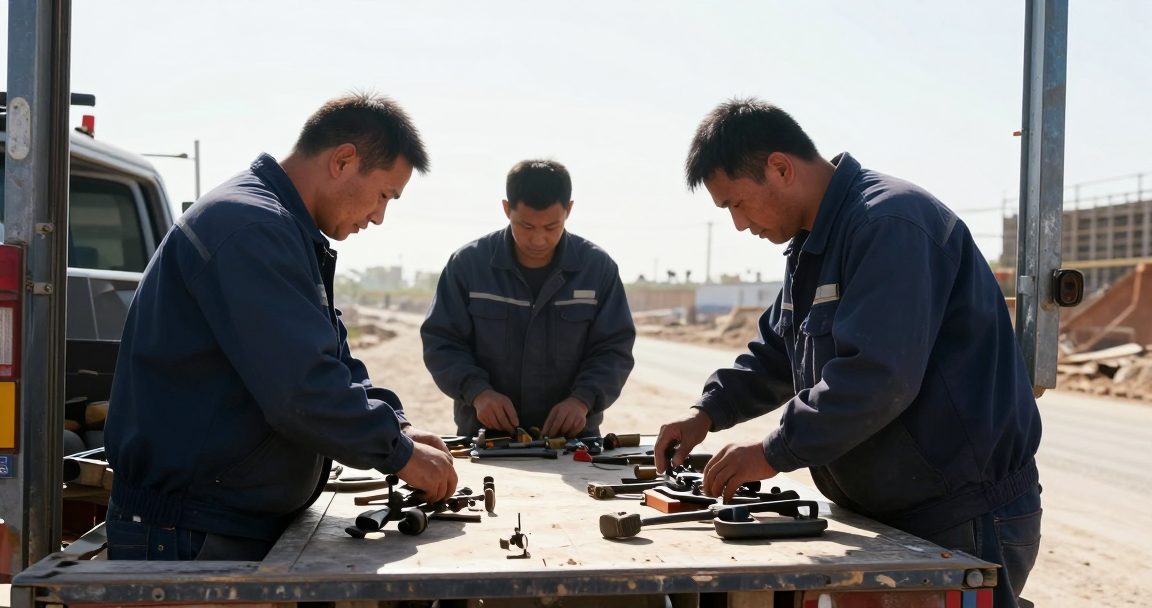
- Its main workwear fell from ¥4,400 to ¥3,400 yet profit rose 50%
- Low-price high-function goods lead the range, with a premium band and heat-countermeasure lines added
- Its workwear reinforcement plan targets ¥71 billion in sales within a year
A workwear item cut from ¥4,400 to ¥3,400, and profit up 50%. Workman's combination is counterintuitive, but unpacked it is a retail formula worth copying — useful for anyone selling Japanese goods online or running a store in Japan.
Start with the numbers. A ¥1,000 cut is over 20% off, painful for most retailers. Profit rising 50% means the compressed margin was more than recovered through volume and cost structure. The company is running what it calls a workwear reinforcement plan, targeting ¥71 billion in sales over the coming year, and is extending its range in both directions: low-price high-function items plus a higher price band and heat-countermeasure products.
The structural point is that the price cut and the move upmarket happen together, not as alternatives. Low-price high-function goods pull people in and widen the base; the higher band and functional lines pull unit price and margin back up. The cut is not clearance — it is a reallocation of roles across the product line.
Three paths. Volume holds and the sales target is reachable, redefining a category long treated as mature. Volume rises but the premium band fails to sell, leaving margin unrecovered and the cut a plain price war. Rivals follow the cut, and the first mover keeps the position.
Watch progress against the sales target, the premium band's share of revenue, and whether competitors match the cut.