Korea at 42.5C, China at 50C: East Asia's Heat Is Building a Heat Economy
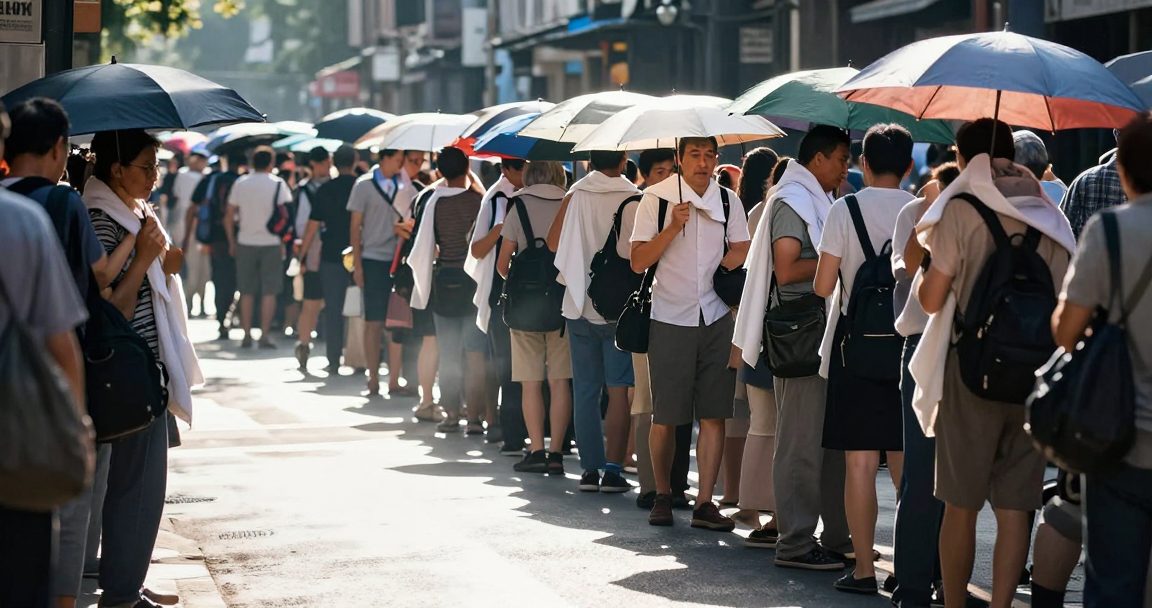
- East Asia saw extreme heat in 2026, with 42.5C in South Korea and 50C in China.
- Sustained heat has caused wide disruption in both countries.
- Consumer demand has spawned a heat-driven economy.
42.5C in South Korea and 50C in China are not merely weather numbers. They are variables in consumer behaviour, in trip planning, and in the competitive conditions Japanese lodging and retail face this summer. When all of East Asia is hot, escaping the heat becomes a business.
Demand moves in a predictable direction. Extreme heat pushes spending indoors and shifts it towards evening: department stores, underground malls, cinemas and indoor attractions gain footfall while daytime outdoor activity falls, and the season for cold drinks, air conditioning and cooling goods stretches longer. That is the heat economy — not new demand, but existing spending compressed into particular categories and hours.
Tourism feels it directly. Best visiting hours move to early morning and evening, outdoor itineraries need fallback plans, and lodging absorbs higher cooling and supply costs. Cooler destinations gain relative advantage.
Watch the duration of the heat rather than single-day peaks, footfall at indoor venues, and booking response at cooler destinations.