Rice Prices Drop for Second Week in Japanese Supermarkets
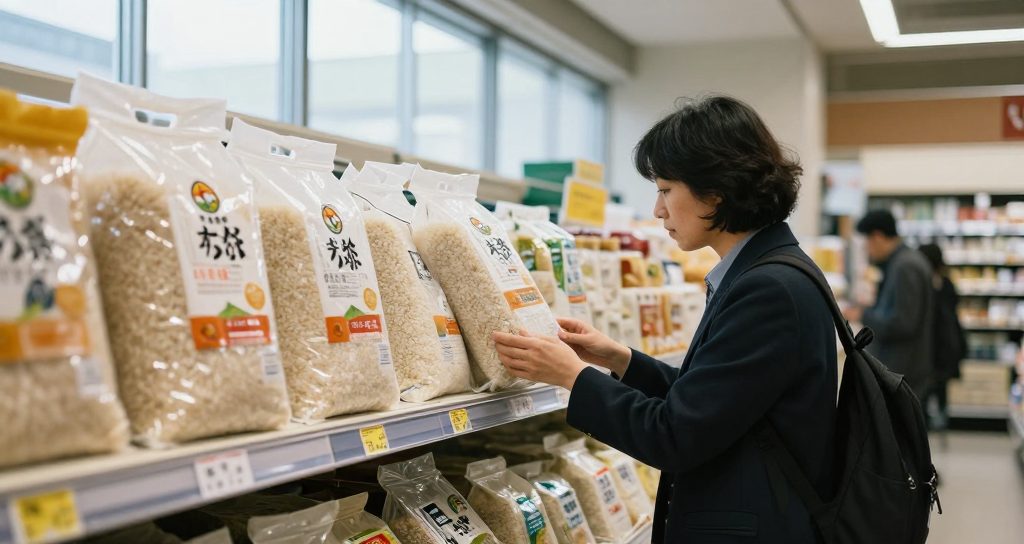
- The average price of 5 kg rice in Japanese supermarkets is 3,156 yen, including tax.
- This marks a second consecutive week of price decline.
- The data covers sales across the country up to the 23rd of this month.
- The price drop reflects ongoing market adjustments in supply and demand.
Taiwanese consumers and importers have become increasingly attentive to fluctuations in Japan's rice market, as price changes often influence cross-strait trade and consumption behavior. The recent decline in the average price of 5 kg rice in Japanese supermarkets to 3,156 yen, for the second consecutive week, signals ongoing market adjustments. For Taiwan, Japan is a key source of rice imports, and price trends directly impact import costs and retail pricing.
This price drop could mean short-term cost reductions for importers, potentially lowering market prices and boosting consumer demand. However, if prices continue to fall, it may also reflect oversupply or weak demand, which could affect farmers' incomes and industry structure. Taiwanese agricultural authorities and importers need to closely monitor future price trends and production developments in Japan.
Japan's retail market has been continuously adjusting product pricing and sales strategies, particularly in food items, where price fluctuations are often linked to supply and demand, weather, and policy factors. While rice price declines are common, a two-week consecutive drop still reflects market adjustment pressures. Taiwanese consumers and businesses can learn from Japan's pricing mechanisms and consumer behavior through these observations.
What to watch next is whether Japanese retailers will continue to adjust rice prices and if other food items follow suit. Taiwanese importers and consumers can track price changes and sales data in Japanese supermarkets to grasp market trends and plan procurement and sales strategies accordingly.