Jp¥online 繁中简中EN2026/08/31

Tokyo Tantanmen for the Initiated: Ten Bowls, and Why You Should Map With-Soup vs Dry, Clear vs Rich, Heat vs Tingle Before You Order

Source: Jp¥online 編輯部· Published: 2026/08/31 16:56 JST· Section: REAL ESTATE & TOURISM
# Tokyo tantanmen# dandan noodles# dry tantanmen# Sichuan noodles# Nakiryu# A-Un# Sichuan pepper# Tokyo ramen
Key Points
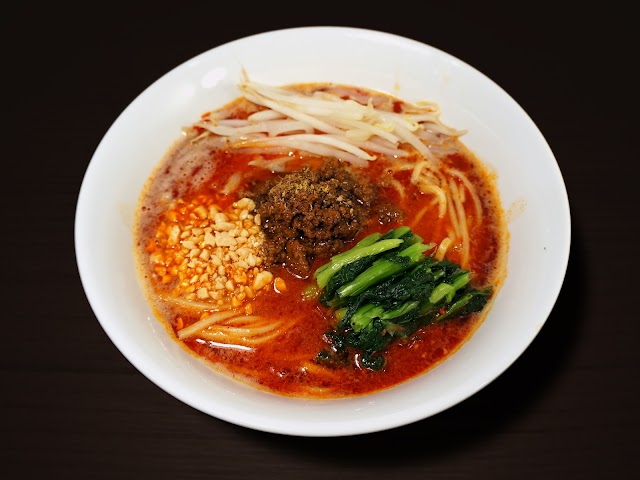
  • Tantanmen in Tokyo is a spectrum, not one flavour: before ordering, settle three axes — with-soup vs dry, clear vs rich, heat vs tingle (Sichuan pepper)
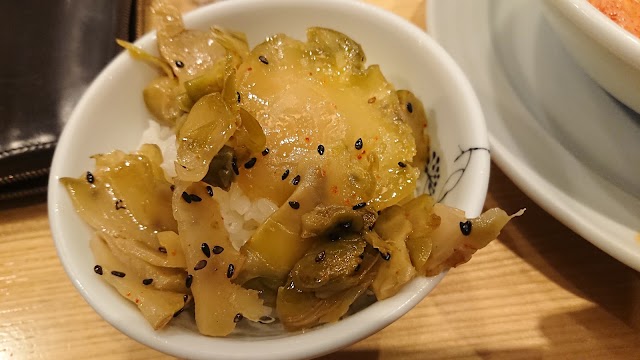
  • Dry (shiru-nashi) method: toss thoroughly before eating, then often finish by stirring a small bowl of rice into the sauce at the bottom, the standard Japanese move
  • Entry and orthodox: Nakiryu (Otsuka, former Michelin star/Bib Gourmand, clear style, ~¥1,300) is the best entry point but has long queues; A-Un (Yushima) lets you compare white/black sesame and soup/dry at once
  • Heat-averse or heat-selecting: Kisurin (Akasaka-mitsuke, mild-to-hot selectable); dry-style focus: Houkiboshi (Kanda, house-made noodles); pepper-forward tingle: 175°DENO (Shinjuku, heat and tingle set separately)
  • Heat challenge: Gomaryu (Gotanda, hell-style with graded heat, signature cheese-risotto finish ~+¥250); non-spice-eaters must start at the lowest level
  • Insider and curveball: Yunrinbo (Kanda, Chengdu-leaning dry), Hashigo (Ginza, founded 1964, light paiko tantanmen), Yang (Ikebukuro, Kodoku no Gurume shop, cheap, generous, directly spicy), Koishitai (Suidobashi, sea-bream-broth creative)
  • Japanese heat is not always Taiwanese heat, so heat-selectable shops are safest; famous shops queue, some are cash-only and sell out, so confirm hours and prices officially
Analysis

Tantanmen is probably the bowl Taiwanese visitors most often 'order wrong' in Tokyo — not by hitting a bad shop, but by ordering a type utterly unlike what they imagined. Many assume tantanmen is one flavour: red, thick, numbing and hot. But in Tokyo it long ago split into several coordinate systems. The same word can arrive as an elegant bowl clear as consommé, or a soupless tossed version; it may lead with chilli heat, or with the tingle of Sichuan pepper. Understanding these axes matters more than memorising shop names.

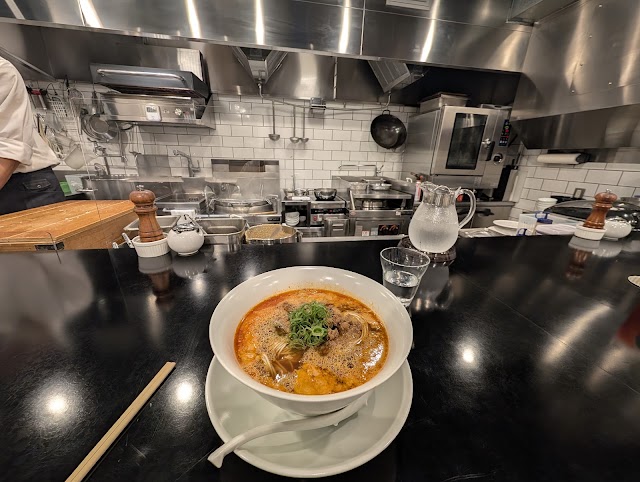
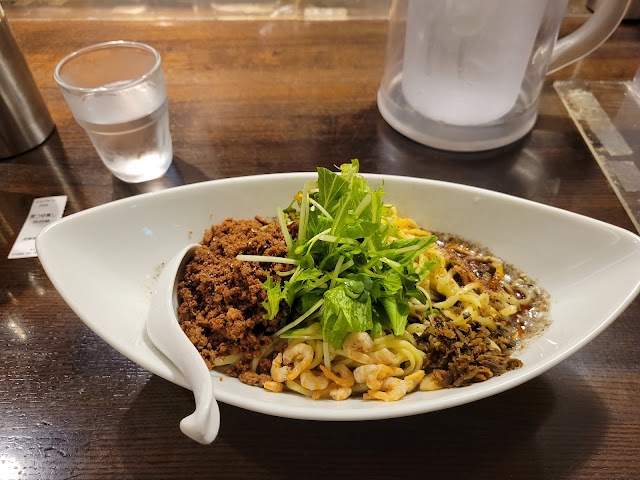
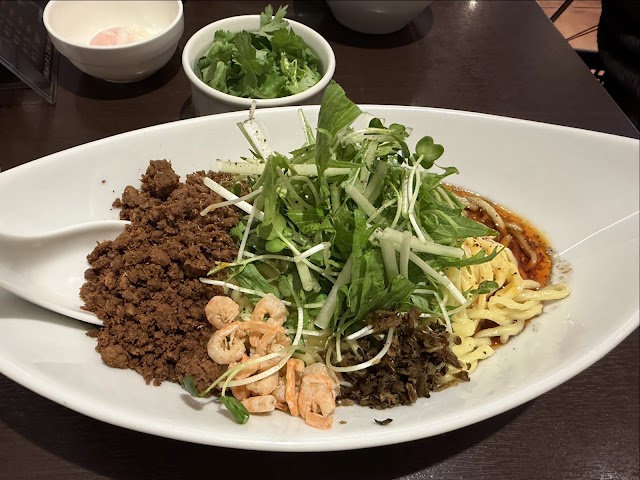
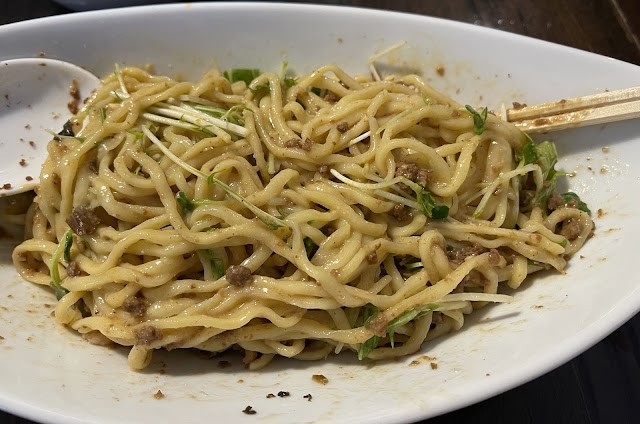
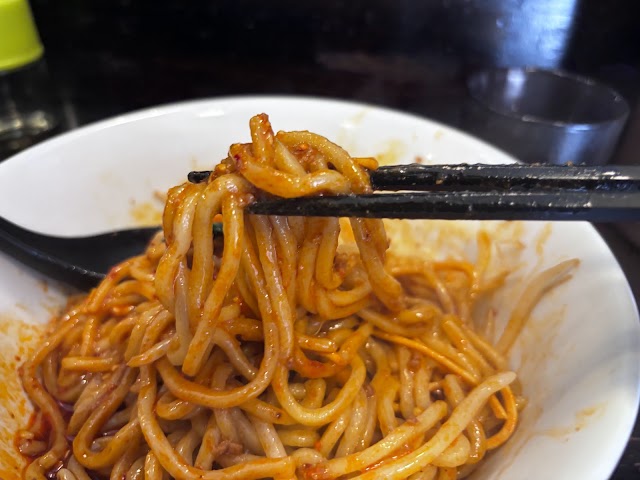
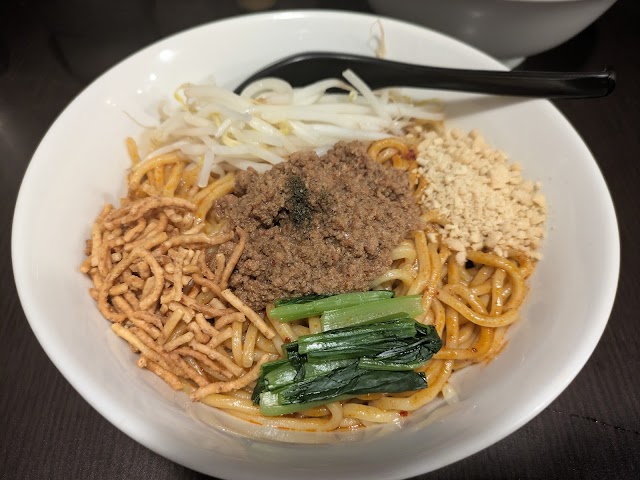
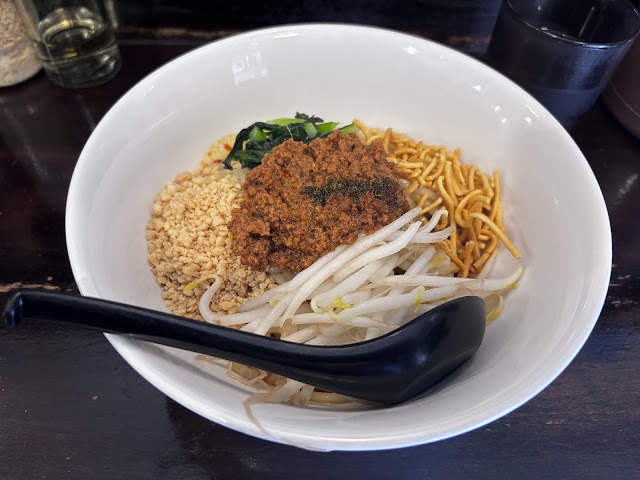
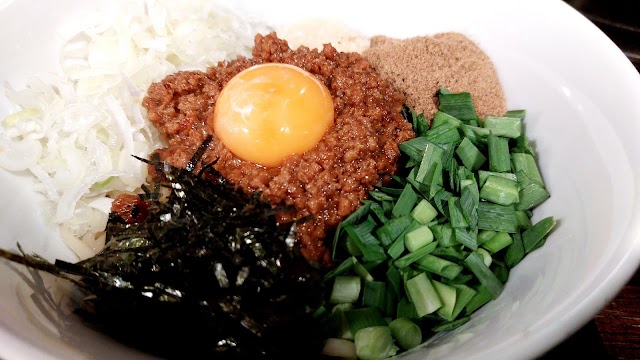
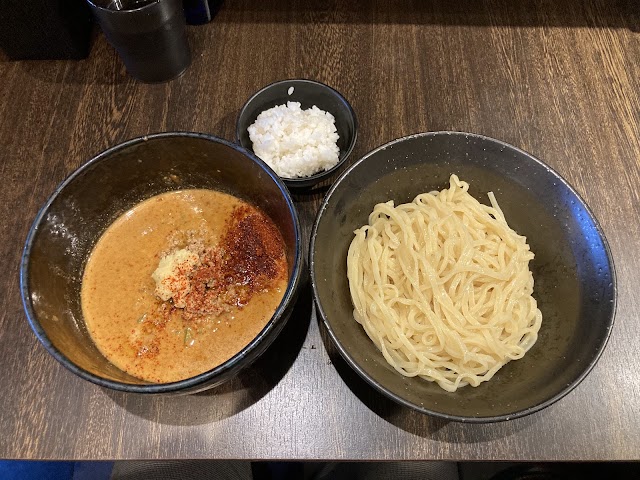
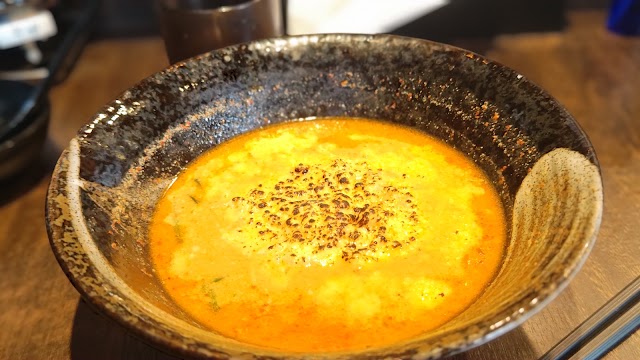
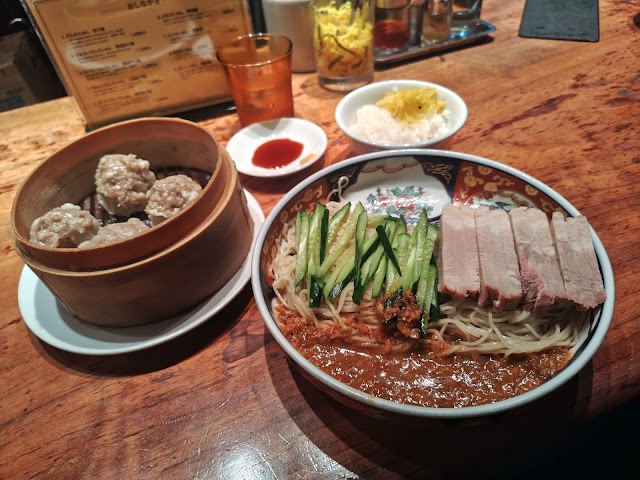
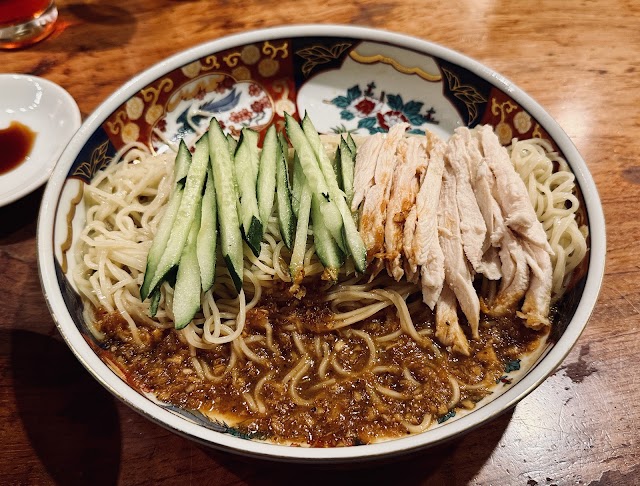
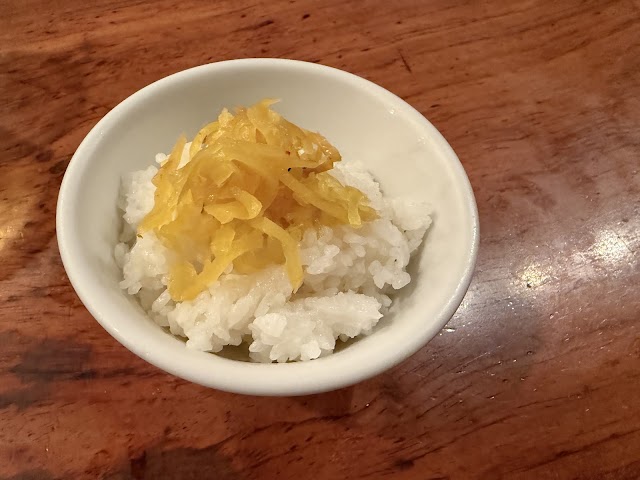
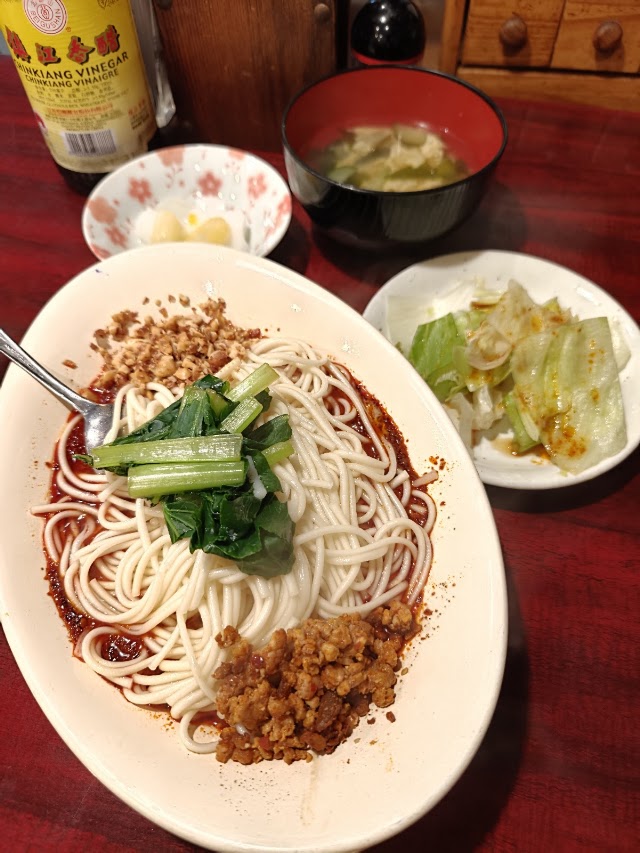
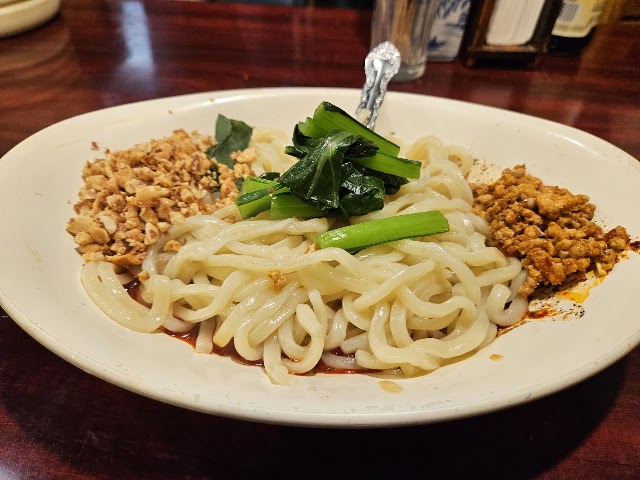
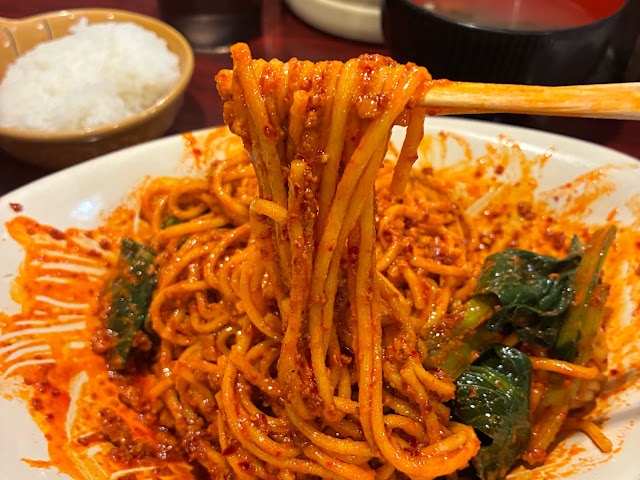
The first axis is with-soup versus dry. With-soup is the tantanmen Taiwanese know best; dry (shiru-nashi) has no broth, the noodles bound by sesame paste and meat-miso, and the correct method is to toss thoroughly, then finish by stirring a small bowl of rice into the sauce at the bottom — the standard Japanese move, easy to miss the first time.

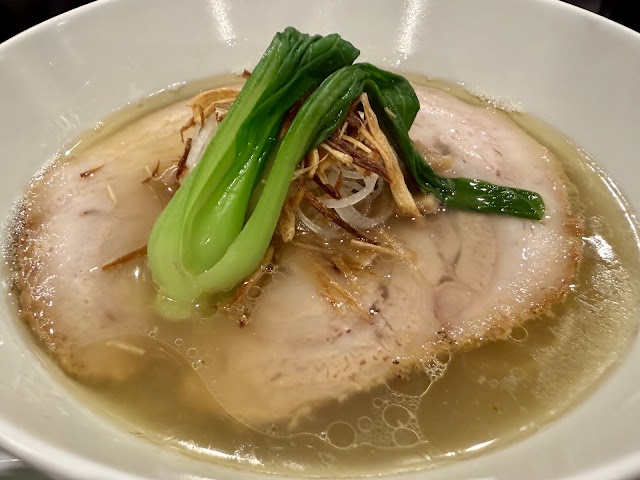
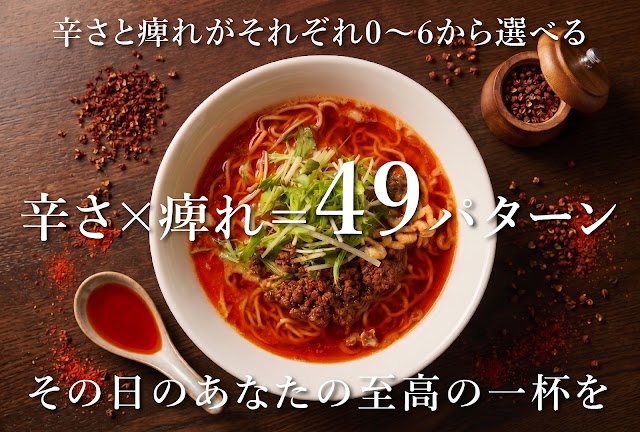
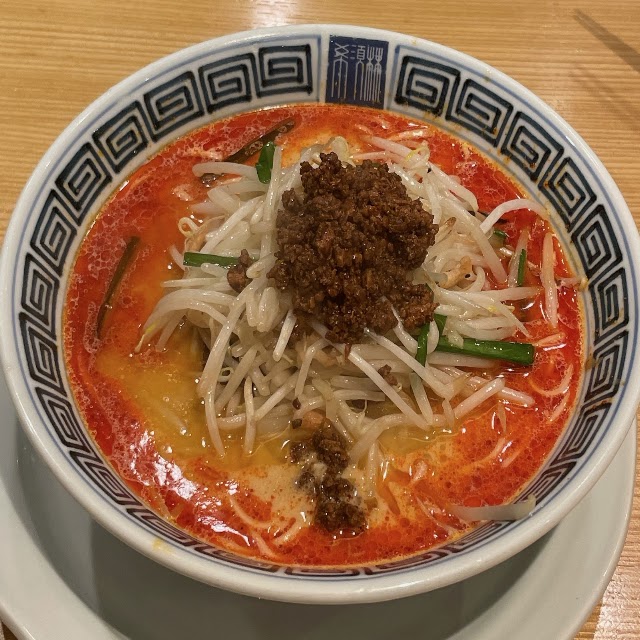
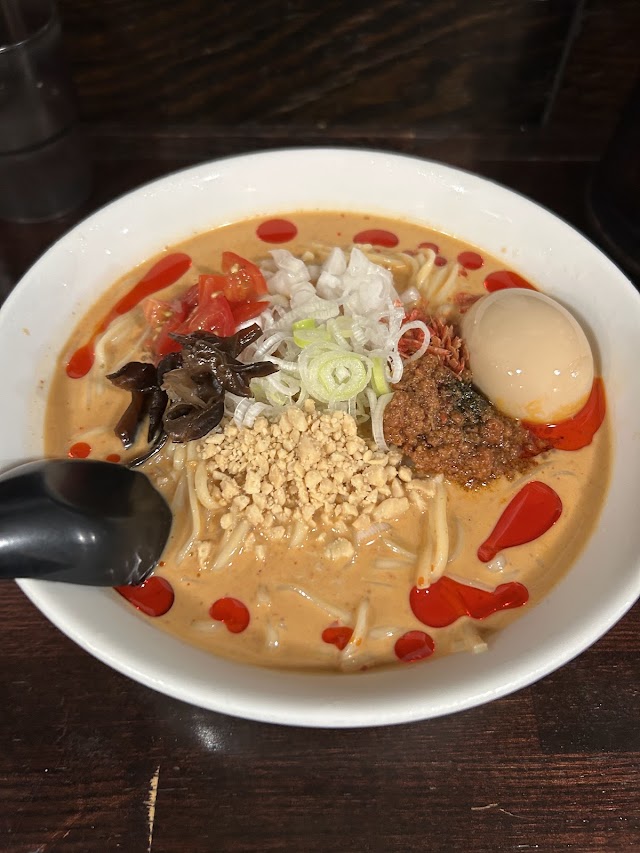
The second axis is clear versus rich. Most picture the rich style — heavy sesame, thick soup, dense mouthfeel. But Tokyo has a whole clear school, limpid and restrained in chilli and sesame, an elegant everyday line; treating it as the same thing as the rich school breeds confusion. The third axis is heat versus tingle. Heat comes from chilli oil and peppers, tingle from Sichuan pepper; some shops lead with heat, some with tingle (shibire), and many let you set each separately — especially useful for Taiwanese, since Japanese tantanmen spice often differs from expectation.

This list deliberately places each shop on different coordinates: the clear-style Nakiryu that took tantanmen to Michelin; A-Un, where you can compare white and black sesame and soup and dry at once; the heat-selectable, friendliest Kisurin; the dry-style standard-bearer Houkiboshi; the pepper-forward 175°DENO; the hell-style Gomaryu for heat lovers; the Chengdu-leaning Yunrinbo; the clear paiko old shop Hashigo in Ginza; cheap-and-generous Yang in Ikebukuro; and the sea-bream-broth creative Koishitai.

So before you step in, ask three questions: soup or dry? clear or rich? heat or tingle? Match the answers and you will order the bowl that truly fits your palate, instead of being fooled by three characters on a sign.

The Analysis Desk

1. Build the coordinates first: in Tokyo, tantanmen is not one flavour but a whole spectrum. Rather than memorise shops, grasp three axes. With-soup versus dry: dry (shiru-nashi) has no broth, the noodles bound by sesame paste and meat-miso, tossed thoroughly before eating and usually finished by stirring a small bowl of rice into the leftover sauce — the standard dry-style move, easy to miss first time. Clear versus rich: the rich school is heavy and thick; the clear school is limpid and restrained, an everyday elegant line. Heat versus tingle: heat from chilli oil, tingle (shibire) from Sichuan pepper, two different sensations, and many shops let you set each separately.

2. Entry and orthodox: start from the clear-style names. Nakiryu (Otsuka), a former Michelin star and recent Bib Gourmand, serves a clear yet deeply layered bowl (about ¥1,300) and is the best entry point for how refined tantanmen can be — but hugely popular with long queues, so treat it as a dedicated trip. A-Un (Yushima, with Asakusa and Tokyo Station KITTE branches), often paired with Nakiryu as a scene-driver, offers mellow white sesame and rich black, in both soup and dry — the most efficient single stop to compare all four coordinates.

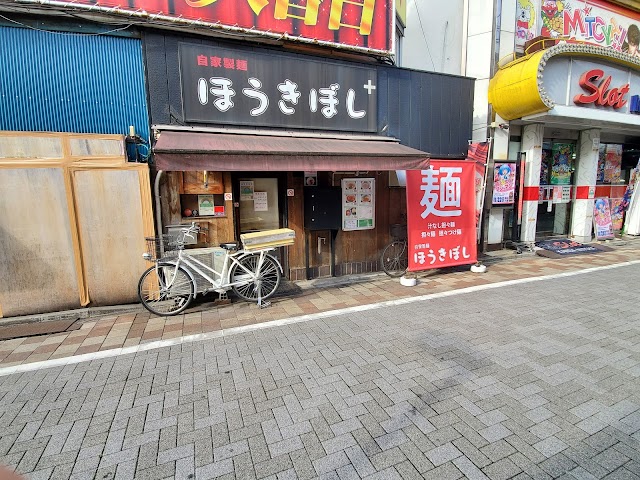
3. Sort by taste. Heat-averse or heat-selecting: Kisurin (Akasaka-mitsuke), an orthodox Chinese kitchen whose finely made tantanmen lets you choose mild to hot, the friendliest for Taiwanese and companions who avoid spice. Dry focus: Houkiboshi (Kanda), known for house-made noodles and thick sesame meat-miso, modestly priced, the standard for the dry style's essence. Pepper-forward: 175°DENO (Nishi-Shinjuku) from Sapporo, the 175 marking its pepper-roasting temperature, tingle its calling card, heat and tingle set separately. Heat challenge: Gomaryu (Gotanda), a famous hell-style shop with graded heat, its signature finish a cheese risotto (about +¥250) added to the bowl — start low if you are not used to spice.

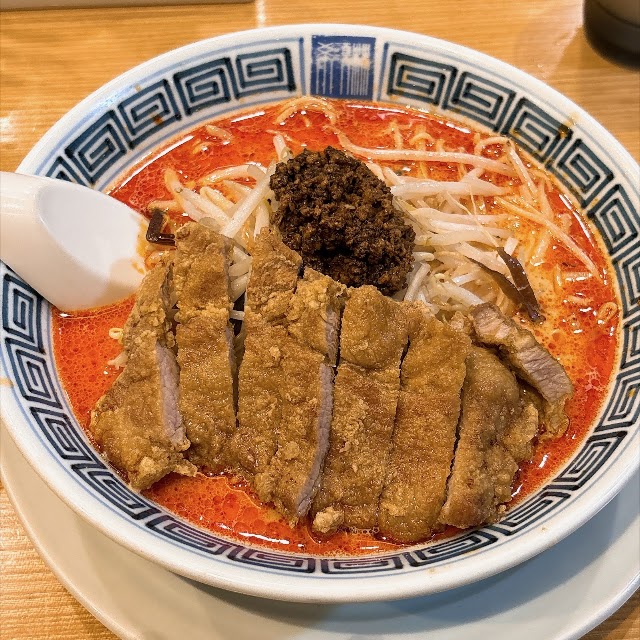
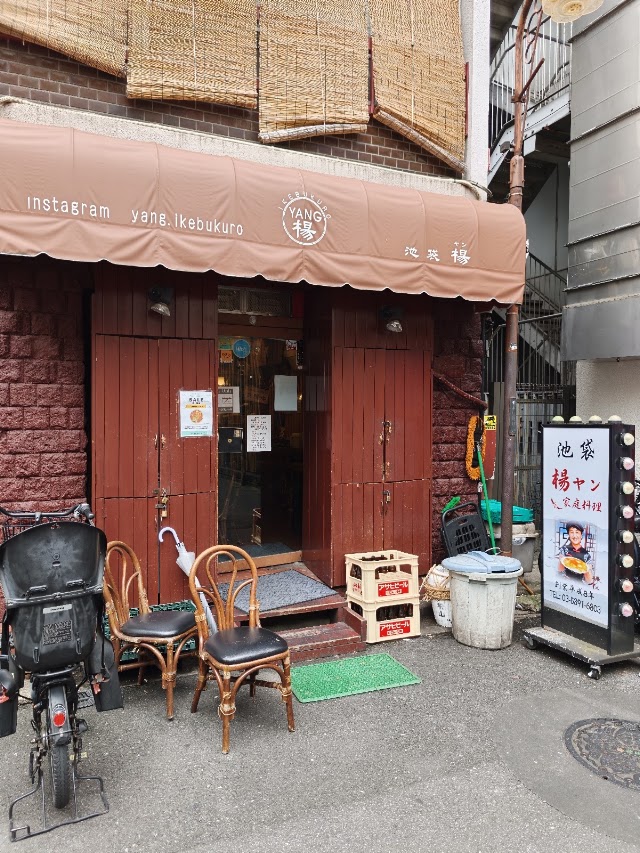
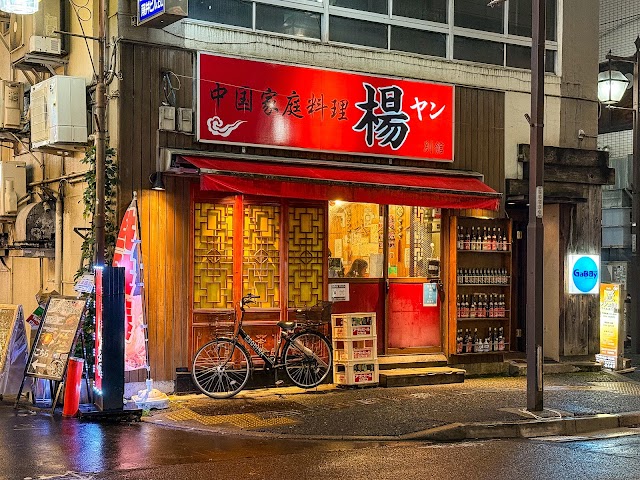
4. Insider and curveball. Closer to authentic Chengdu: Yunrinbo (Kanda-Sudacho), the casual sister of upscale Kanda Yunrin, its dry bowl in the Chengdu tossed style, solid mala without cloying sweetness, handy between Akihabara and Kanda. Light and everyday: Hashigo (Ginza, founded 1964), its signature paiko tantanmen a clear style topped with a fried cutlet, restrained in chilli and sesame — the best example of tantanmen localised into an everyday dish. Cheap and generous: Yang (Ikebukuro), famous from the drama Kodoku no Gurume, its dry bowl directly numbing and hot, generous and affordable, closest to common-folk taste. Out of the box: Koishitai (Suidobashi/Jimbocho), a sea-bream broth married with French technique into a seafood-style creative bowl.

Three practical notes: decide soup-or-dry, clear-or-rich, heat-or-tingle before you order — more reliable than any ranking; Japanese heat is not always Taiwanese heat, so heat-selectable shops are safest and even the hell-style should be started low; and famous shops have long queues, some cash-only and sell-out, so confirm each shop's hours, closing days and prices with official sources before you go.
Venue Info (Google Maps)
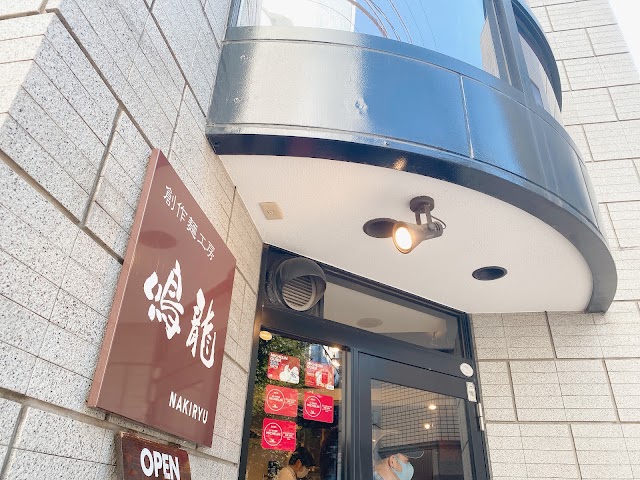
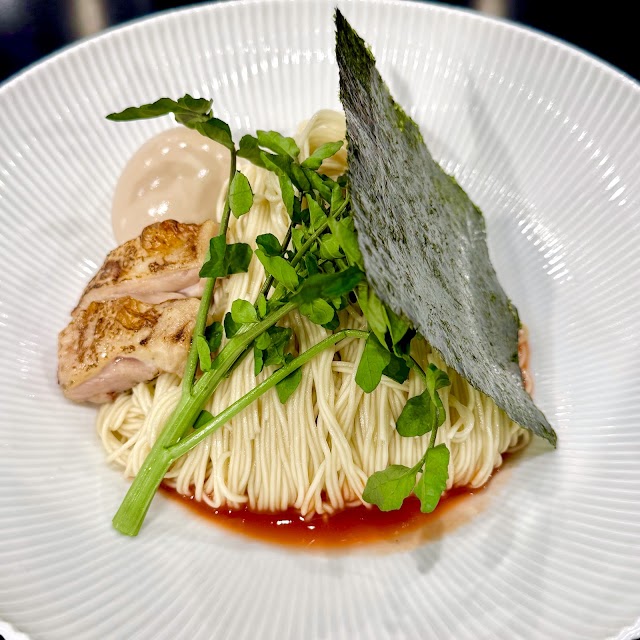
創作麵工房 鳴龍
Photos: Tp Katai、harapecooh、原龍馬、満腹次郎0843、aaa、ウェストプロみっちー / Google Maps
創作麵工房 鳴龍
Why we recommend
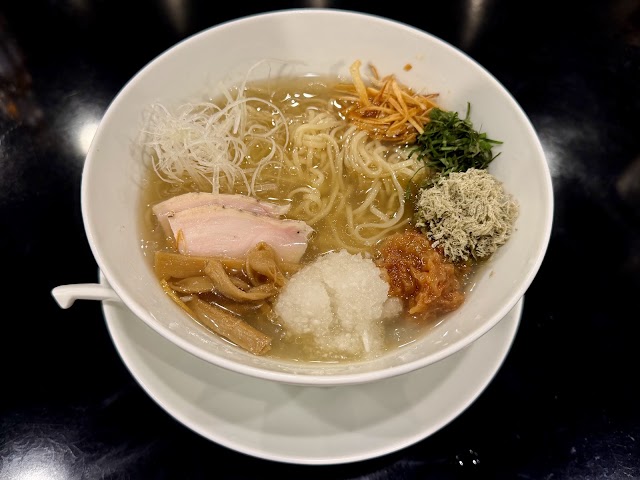
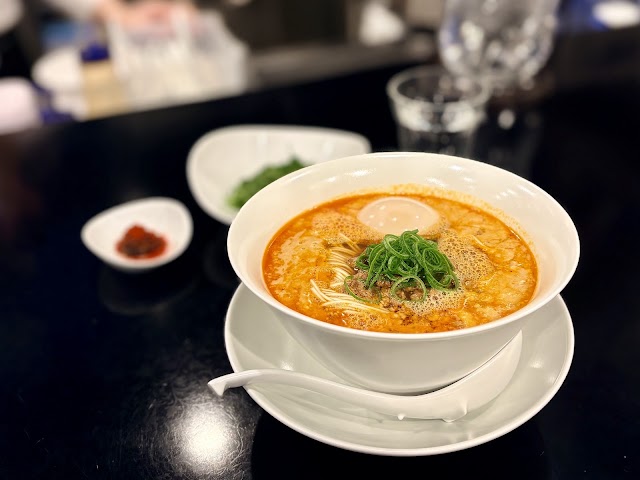
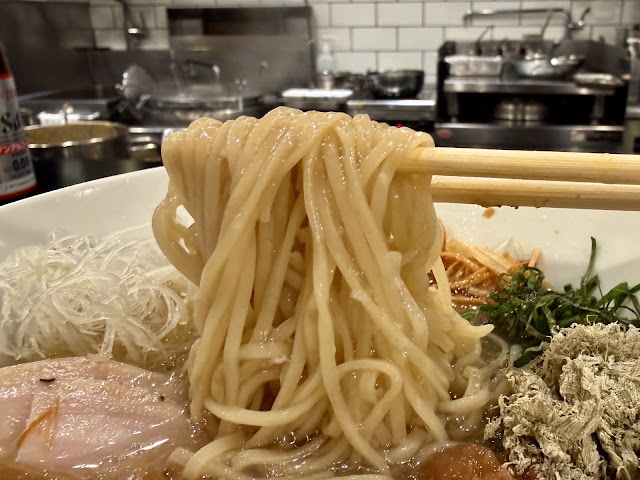
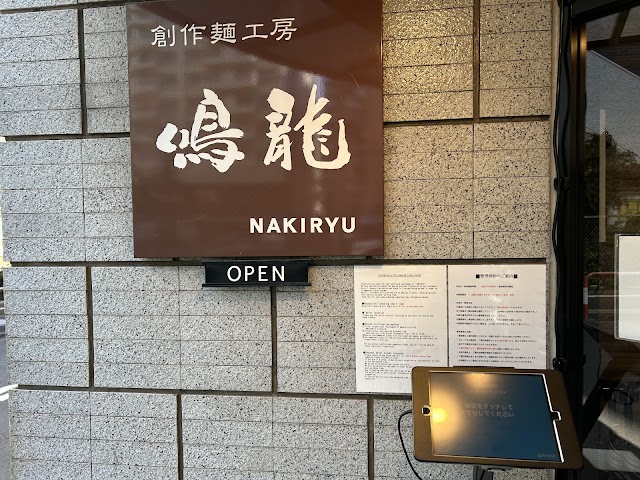
If you are meeting Tokyo tantanmen for the first time, start here and you can hardly go wrong. Nakiryu held a Michelin star for years and has kept a Bib Gourmand recently, the shop that pushed tantanmen into global visibility. It works the clear-broth style — a limpid, un-muddied soup that still builds real depth between sesame paste, chilli oil and Sichuan pepper, a different type from the thick, heavy bowl most people picture. It is the best entry point for grasping how refined tantanmen can be; being famous, the queue is long, so treat it as a dedicated trip, not a gap in a rushed day.
★ 人氣極高、常有長隊,建議平日非尖峰前往;小型店、座位有限,尖峰時段翻桌快,用餐節奏偏緊湊。
VENUE INFO
Address: 〒170-0005 Tokyo, Toshima City, Minamiōtsuka, 2-chōme−34−4 SKY南大塚 1F
Phone: 03-6304-1811
Hours: Monday: 11:00 AM – 3:30 PM; Tuesday: 11:00 AM – 3:30 PM; Wednesday: 11:00 AM – 3:30 PM; Thursday: 11:00 AM – 3:30 PM; Friday: 11:00 AM – 3:30 PM; Saturday: 11:00 AM – 3:30 PM; Sunday: Closed
Closed: Sunday
Nearest Sta.: About 3 minutes on foot from the South Exit of Otsuka Station (JR Yamanote line); also near Shin-Otsuka on the Tokyo Metro Marunouchi line
Price: 擔擔麵約 ¥1,300(現金/排隊制,售完為止,以店面公告為準)
Google rating: 4.3(2,763 則評論)
Verified: 2026-09-04 16:01 Google Maps
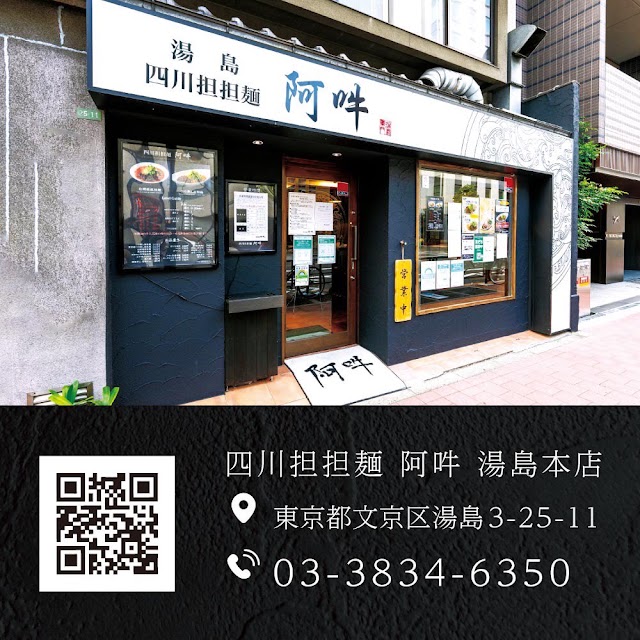
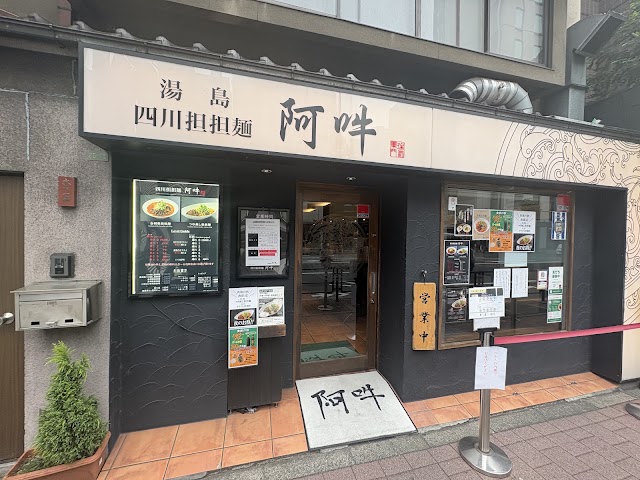
四川擔擔麵 阿吽 湯島本店
Photos: 四川担担麺 阿吽 湯島本店、みほ、安田悟、K “マンモス” I、コミもぐ、みかやなが、田中聡、天草銀 / Google Maps
四川擔擔麵 阿吽 湯島本店
Why we recommend
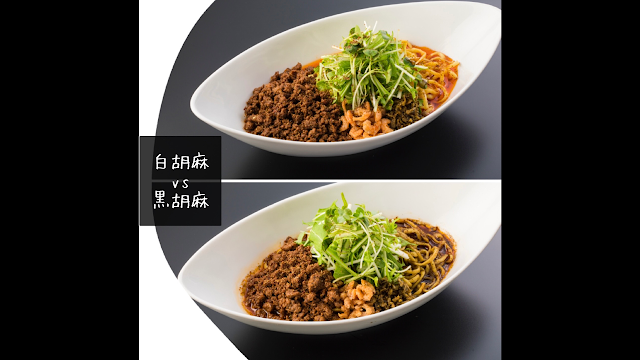
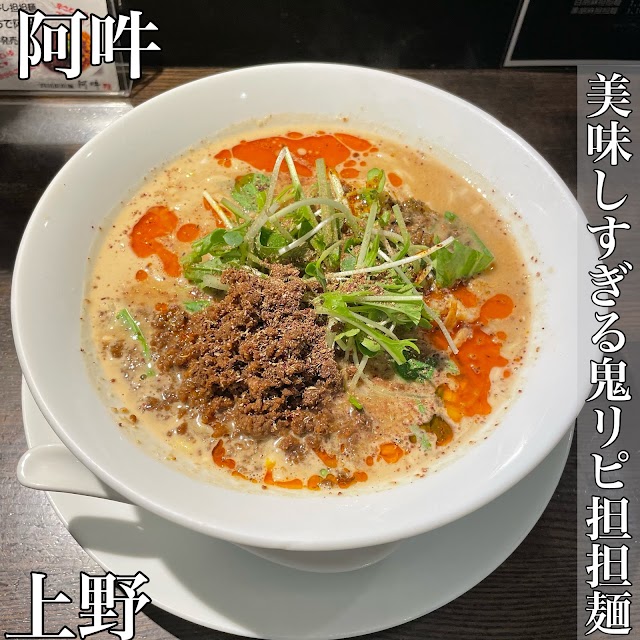
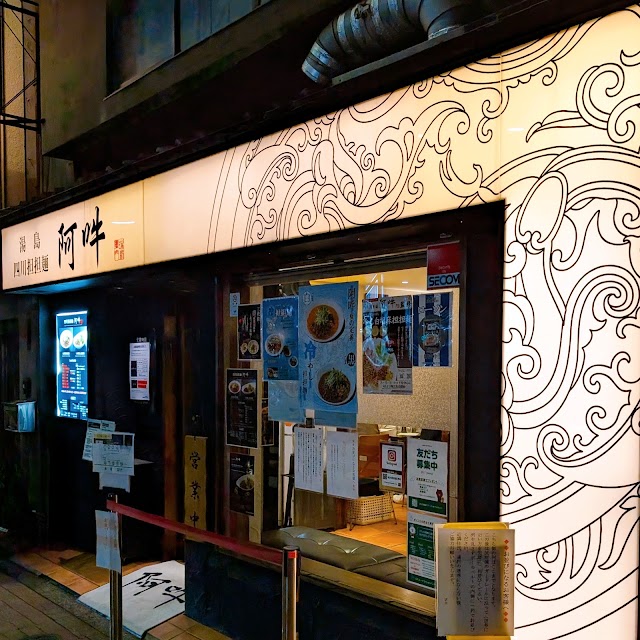
If you want one shop where you can clearly compare with-soup versus dry, and white sesame versus black, A-Un is the most convenient stop. It is often named alongside Nakiryu as one of the two shops that drove Tokyo's tantanmen scene, with branches in Asakusa and KITTE at Tokyo Station beyond the Yushima flagship, so it fits any route. The white-sesame bowl is mellow, the black-sesame richer with a faint roasted bitterness, each offered with soup or dry — order white-sesame-with-soup first, then try black-sesame dry, and one visit maps all four coordinates of the dish.
★ 白/黑胡麻與汁あり/なし組合多,第一次可先問店員招牌;分店眾多,營業時間與公休依各店,出發前先確認該店。
VENUE INFO
Address: 3-chōme-25-11 Yushima, Bunkyo City, Tokyo 113-0034
Phone: 03-3834-6350
Hours: Monday: 11:00 AM – 2:30 PM, 5:30 – 9:00 PM; Tuesday: Closed; Wednesday: 11:00 AM – 2:30 PM, 5:30 – 9:00 PM; Thursday: 11:00 AM – 2:30 PM, 5:30 – 9:00 PM; Friday: 11:00 AM – 2:30 PM, 5:30 – 9:00 PM; Saturday: 11:00 AM – 3:00 PM, 5:30 – 9:00 PM; Sunday: 11:00 AM – 3:00 PM, 5:30 – 8:30 PM
Closed: Tuesday
Nearest Sta.: About 3 minutes on foot from Yushima Station (Tokyo Metro Chiyoda line); also reachable from the Ueno-Hirokoji area
Price: 白胡麻/黑胡麻擔擔麵約 ¥1,200 起,汁あり與汁なし皆有(以店面菜單為準)
Google rating: 4.1(1,886 則評論)
Verified: 2026-09-04 16:01 Google Maps
希須林 赤坂店
Photos: 希須林 赤坂、佐光卓也、E E、happy、ちゃりんこ99、S K、eml / Google Maps
希須林 赤坂店
Why we recommend
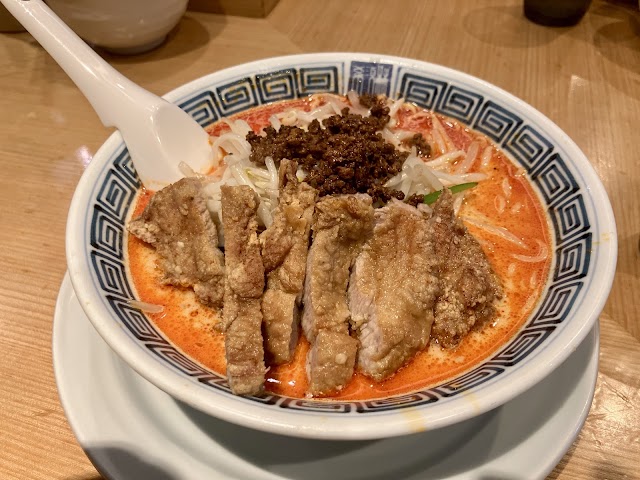
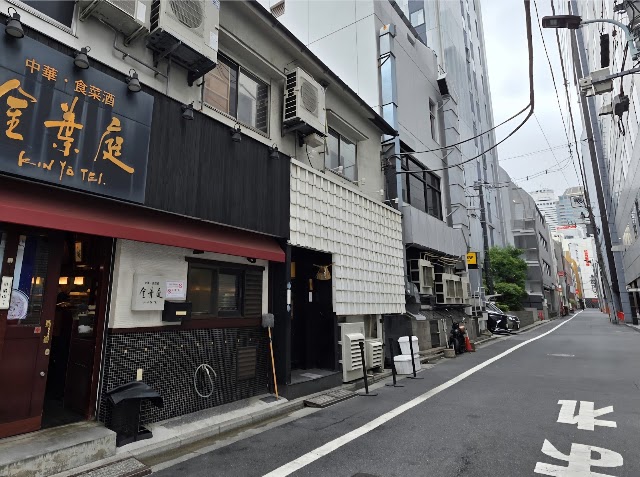
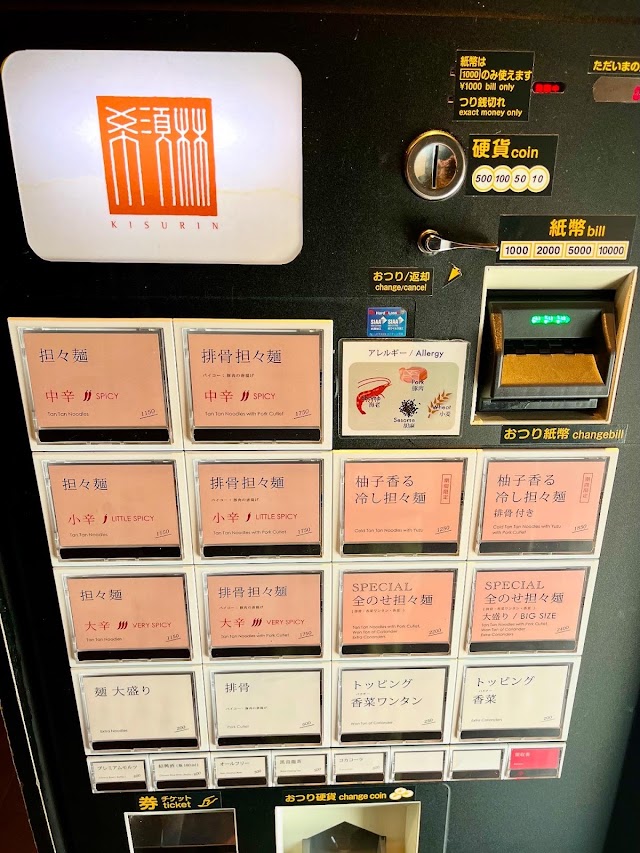
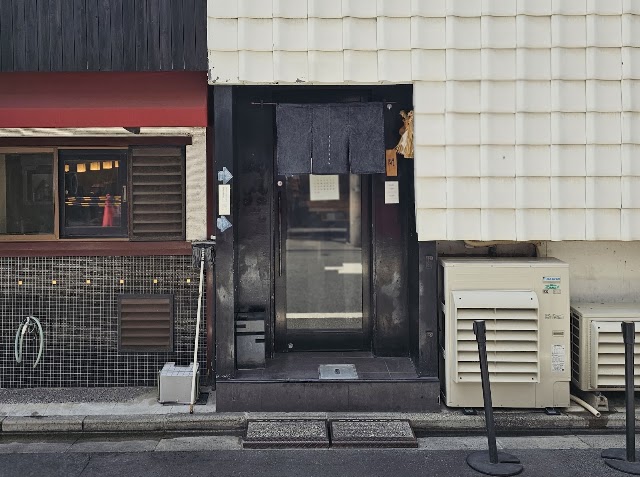
For anyone wary of heat or who likes to set their own, Kisurin is the friendliest. Its main trade is orthodox Chinese cuisine and its tantanmen is finely made, built around the with-soup style with heat selectable from mild to hot — genuinely useful for Taiwanese visitors, since Japanese tantanmen spice often differs from what they expect, and choosing your level removes the gamble. Right by an Akasaka-mitsuke exit, it is busy at business-district lunch but turns tables fast — a mid-price, presentable, heat-controllable safe bet, good to bring a companion who does not eat spicy.
★ 位處商務區,平日午餐尖峰排隊;辣度自選,第一次不確定可先從小辣或中辣試起。
VENUE INFO
Address: 〒107-0052 Tokyo, Minato City, Akasaka, 3-chōme−7−9 2F
Phone: 03-5573-4119
Hours: Monday: 11:00 AM – 4:00 PM, 6:00 – 10:00 PM; Tuesday: 11:00 AM – 4:00 PM, 6:00 – 10:00 PM; Wednesday: 11:00 AM – 4:00 PM, 6:00 – 10:00 PM; Thursday: 11:00 AM – 4:00 PM, 6:00 – 10:00 PM; Friday: 11:00 AM – 4:00 PM, 6:00 – 10:00 PM; Saturday: 11:00 AM – 4:00 PM; Sunday: Closed
Closed: Sunday
Nearest Sta.: About 1-2 minutes on foot from Akasaka-mitsuke Station (Tokyo Metro Ginza / Marunouchi lines)
Price: 擔擔麵約 ¥1,200-1,500 帶,辣度可選小辣/中辣/大辣(以店面菜單為準)
Google rating: 4.3(1,502 則評論)
Verified: 2026-09-04 16:01 Google Maps
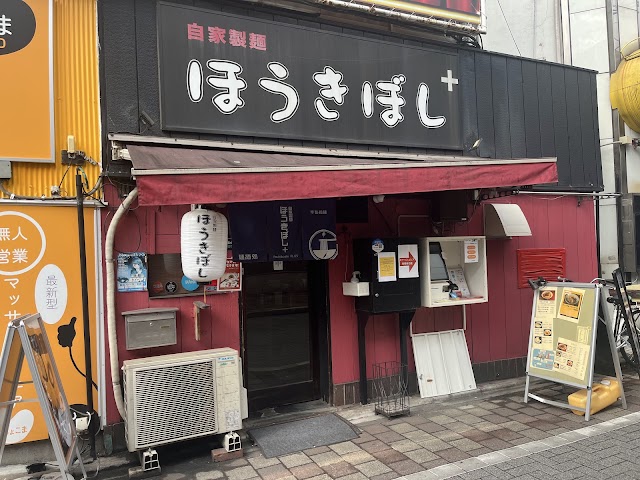
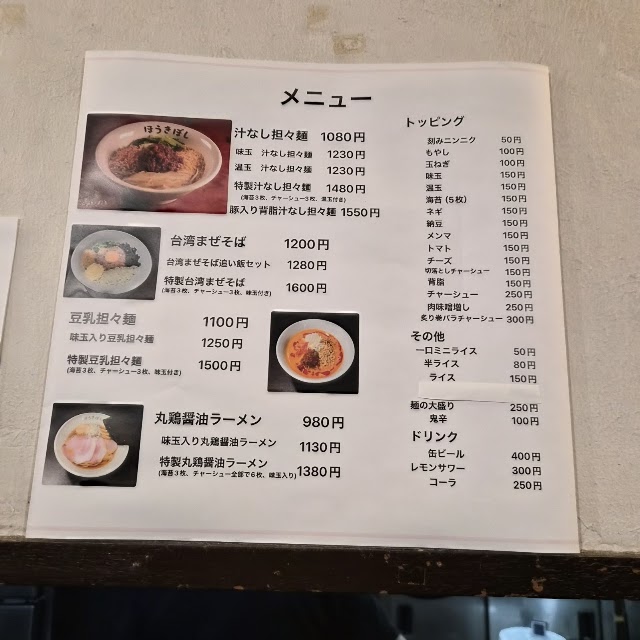
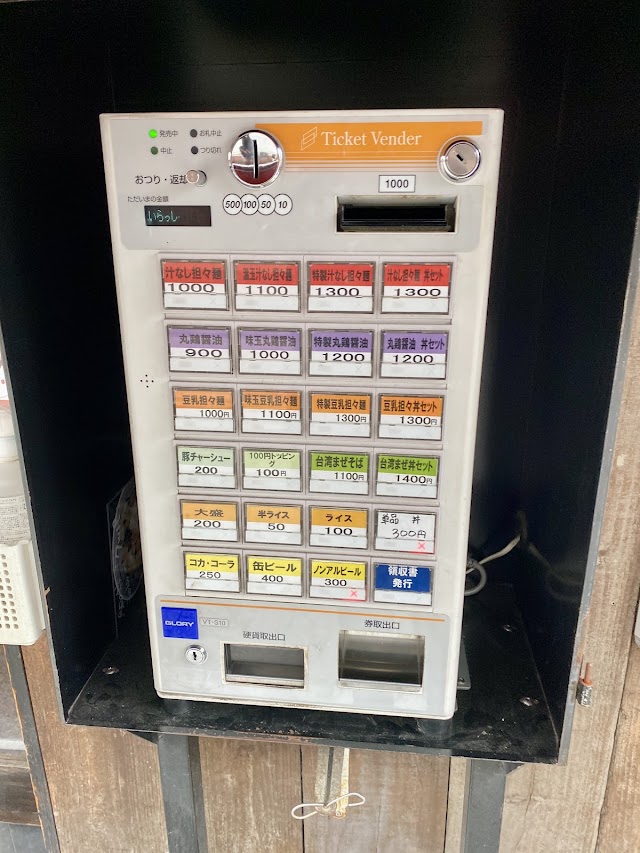
自家製麵 ほうきぼし 神田店
Photos: Y Y、ほうきぼし+ 神田店、プータン、RM、TACK MORY、T、jun 870、Takuya Tanaka、Ys / Google Maps
自家製麵 ほうきぼし 神田店
Why we recommend
To focus on the dry (soupless) school, Houkiboshi is one of Tokyo's acknowledged standard-bearers. It leads with house-made noodles that have real chew, and a thick sesame paste and meat-miso that cling to every strand — the type where the more you toss it, the better it gets. The correct way to eat dry tantanmen is to mix thoroughly first, then finish by stirring a small bowl of rice into the sauce left at the bottom, the classic Japanese closer. Modestly priced and popular in Kanda's office-worker lunch scene, it suits anyone who wants the essence of the dry style, fast.
★ 汁なし需自行拌勻再吃、可續飯收尾;午餐尖峰上班族多,錯開時段較從容。
VENUE INFO
Address: 3-chōme-19-19-9 Uchikanda, 千代田区 Chiyoda City, Tokyo 101-0047
Phone: 03-3251-8053
Hours: Monday: 11:00 AM – 2:30 PM, 6:00 – 9:30 PM; Tuesday: 11:00 AM – 2:30 PM, 6:00 – 9:30 PM; Wednesday: 11:00 AM – 2:30 PM, 6:00 – 9:30 PM; Thursday: 11:00 AM – 2:30 PM, 6:00 – 9:30 PM; Friday: 11:00 AM – 2:30 PM, 6:00 – 9:30 PM; Saturday: Closed; Sunday: Closed
Closed: Saturday, Sunday
Nearest Sta.: About 3 minutes on foot from the West Exit of Kanda Station (JR)
Price: 汁なし擔擔麵約 ¥1,000 帶(可加飯拌食,以店面菜單為準)
Google rating: 3.8(565 則評論)
Verified: 2026-09-04 16:01 Google Maps
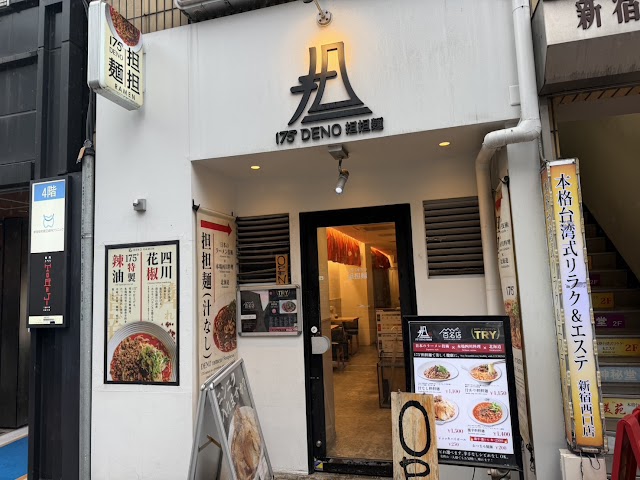
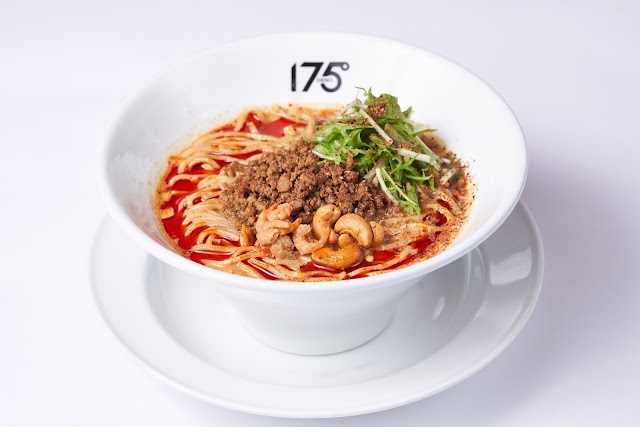
175°DENO擔擔麵 TOKYO
Photos: 豊玉タクシー(練馬ジモピー局)、175°DENO担担麺TOKYO、Ree YooU、H. Kobapin、チェリーライト、外国人留学生の就職チャンネル、Daily Shinjuku、Shunji Yamakawa、高木夢人、愛海大崎 / Google Maps
175°DENO擔擔麵 TOKYO
Why we recommend
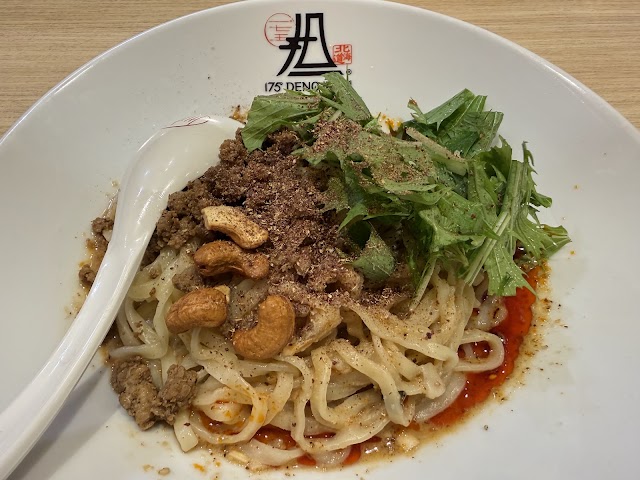
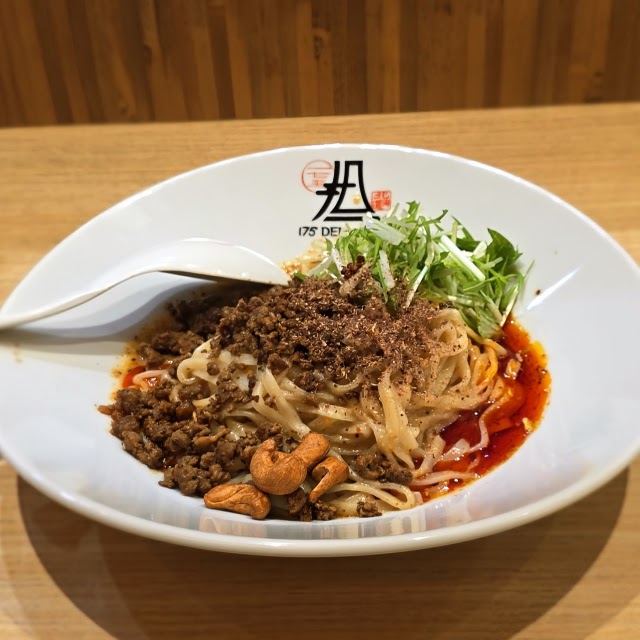
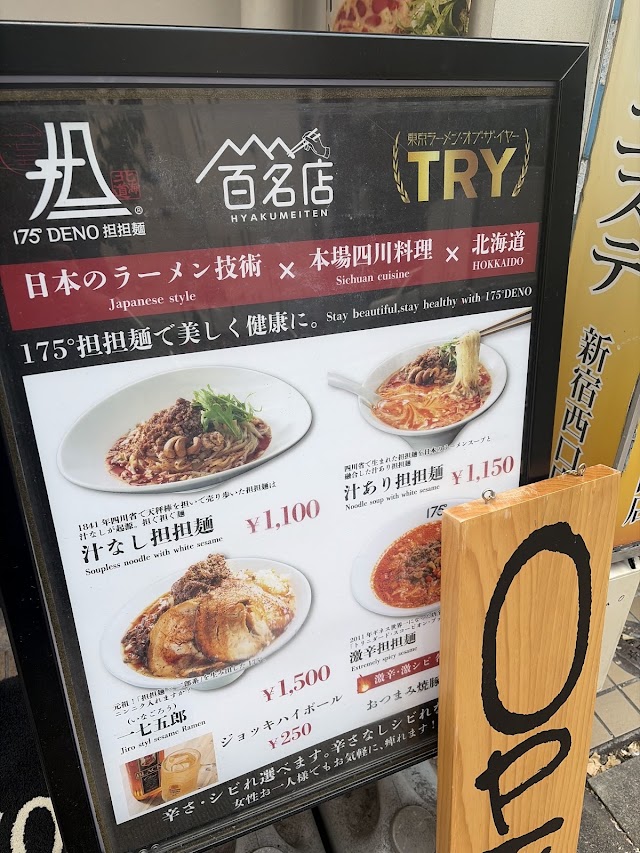
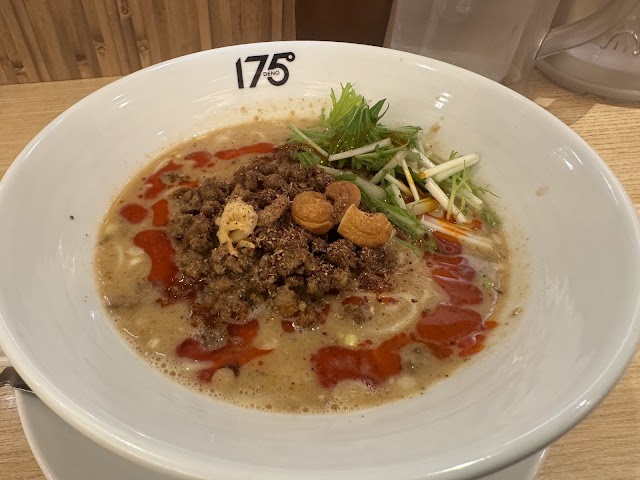
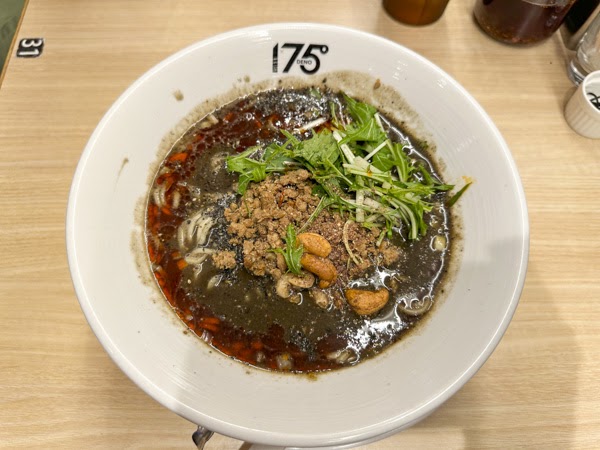
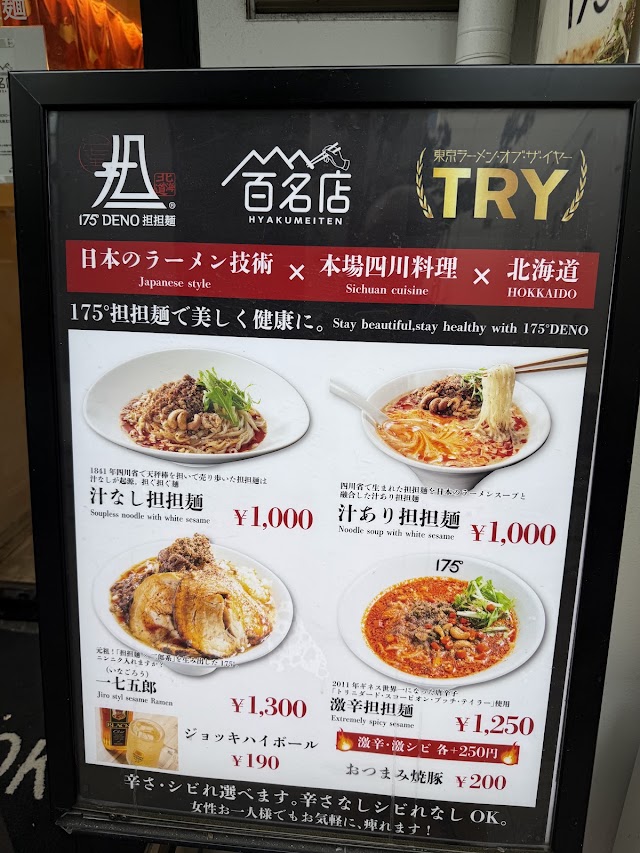
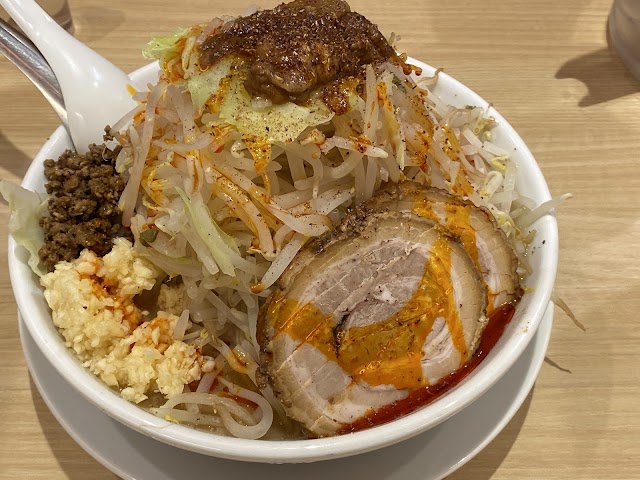
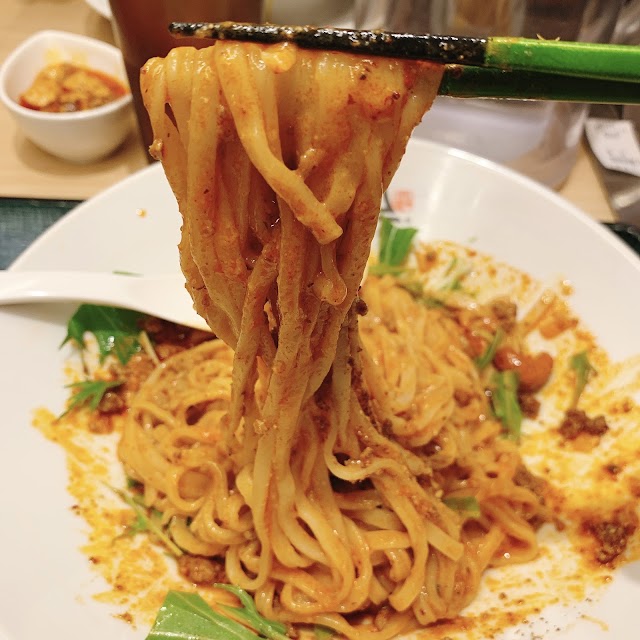
Anyone who prefers the tingle of Sichuan pepper to plain heat should come to 175°DENO. From Sapporo, its signature is shibire — the numbing tingle — and the 175 in the name is the temperature at which it roasts its own Sichuan pepper, so aroma, not chilli oil, is its calling card, a different pleasure from heat-forward bowls. Spice and tingle are adjusted separately, offered with soup or dry. It especially suits those used to Taiwanese Sichuan flavour who appreciate the pepper's fragrance; first-timers should order the signature dry with a mid tingle level to feel that tongue-tip buzz.
★ 主打「麻(シビれ)」而非單純辣,辣度與麻度可分開選;分店與時段依店面,出發前確認。
VENUE INFO
Address: 〒160-0023 Tokyo, Shinjuku City, Nishishinjuku, 7-chōme−2−4 新宿MSビル 1F
Phone: 03-6304-0175
Hours: Monday: 10:30 AM – 11:30 PM; Tuesday: 10:30 AM – 11:30 PM; Wednesday: 10:30 AM – 11:30 PM; Thursday: 10:30 AM – 11:30 PM; Friday: 10:30 AM – 11:30 PM; Saturday: 10:30 AM – 11:30 PM; Sunday: 10:30 AM – 11:30 PM
Nearest Sta.: About 5-7 minutes on foot from the West Exit of Shinjuku Station (JR)
Price: 擔擔麵約 ¥1,000-1,300 帶,汁あり/汁なし皆有(以店面菜單為準)
Google rating: 3.8(1,030 則評論)
Verified: 2026-09-04 16:01 Google Maps
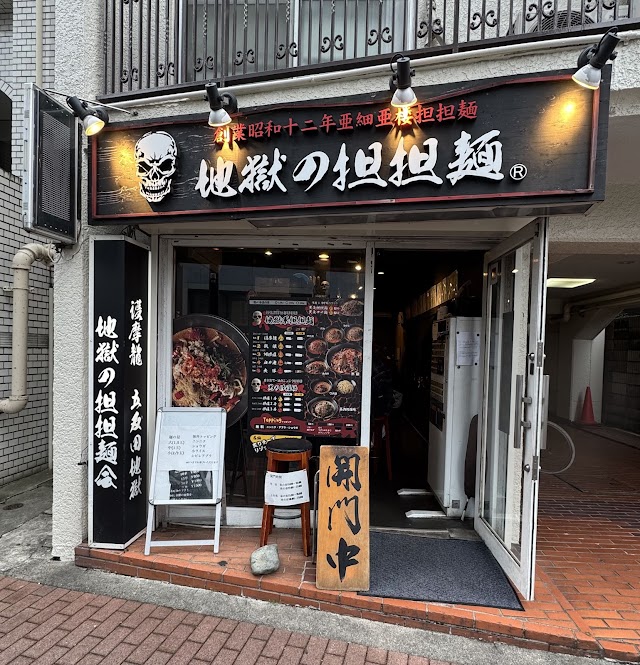
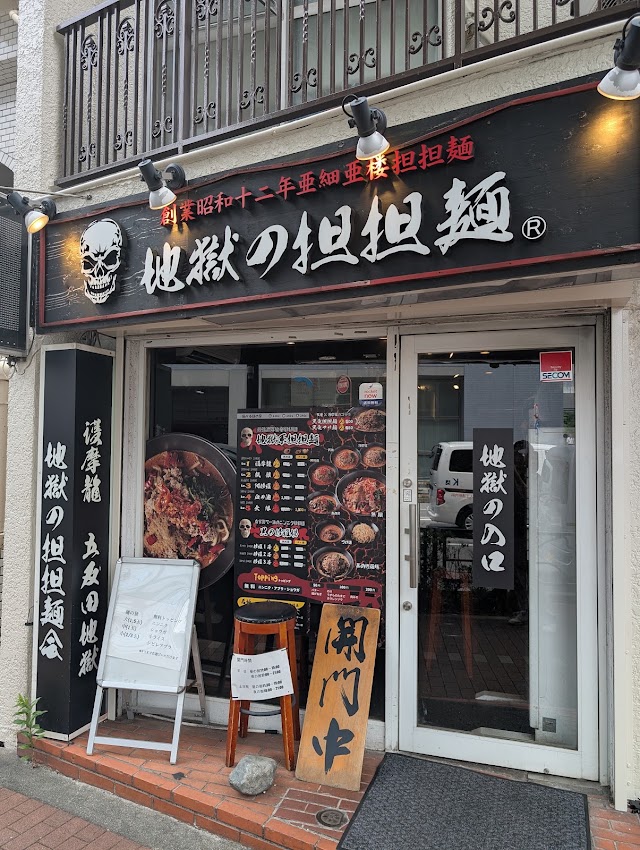
地獄の擔擔麵 護摩龍 五反田
Photos: ME ME、くぼゆう、gr:、Koki K、S.H.O O、川崎雅浩 / Google Maps
地獄の擔擔麵 護摩龍 五反田
Why we recommend
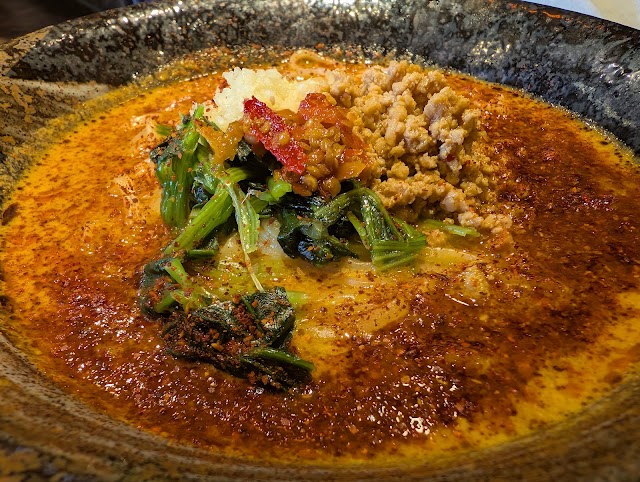
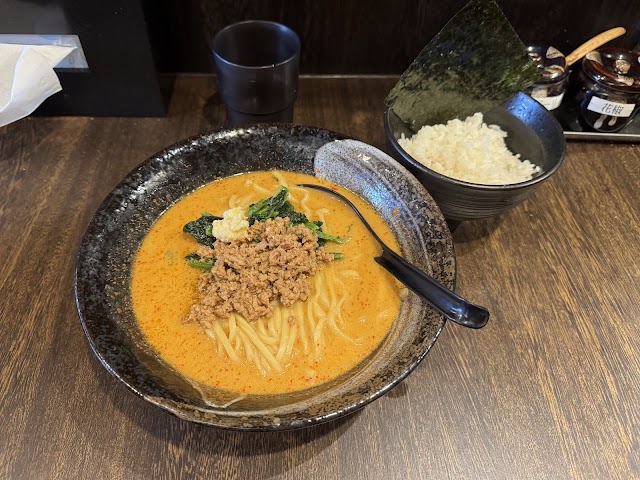
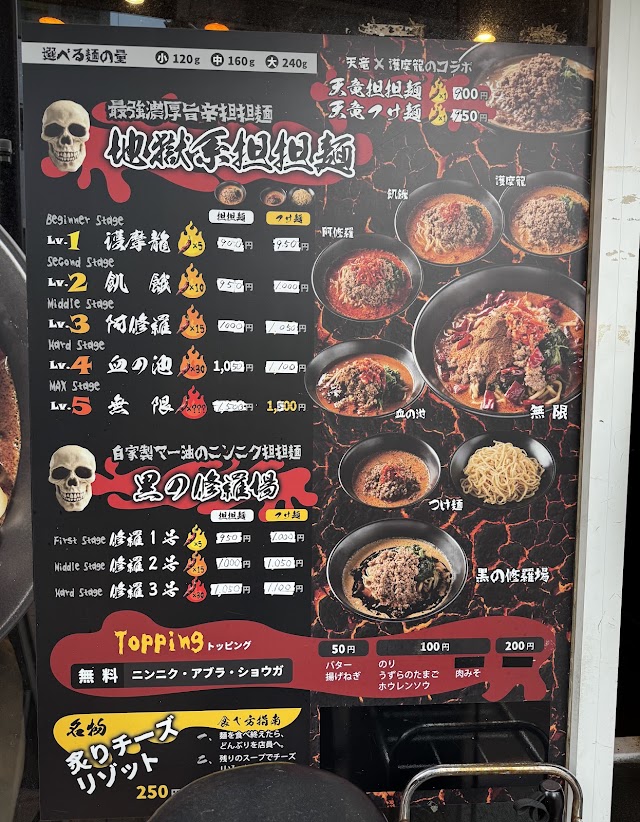
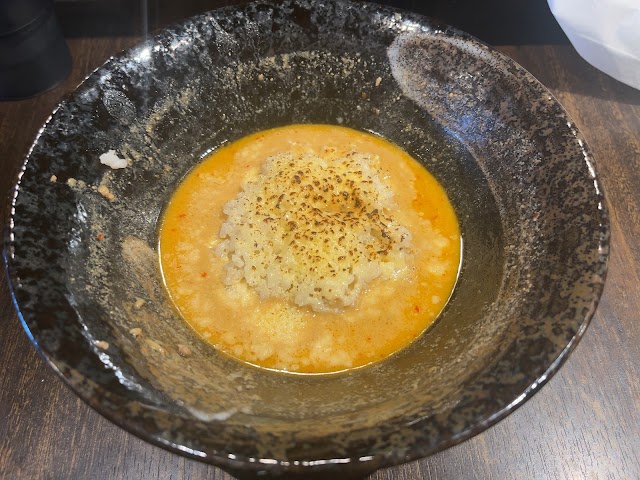
For those who live for heat and want to take on the truly fiery, Gomaryu is one of Tokyo's most famous hell-style shops. It grades its heat clearly, and the higher you go the more it becomes a battleground for chilli lovers, with a rich base that carries strong spice without losing flavour. The classic move is to save a little soup and finish by adding an order of cheese risotto to the bowl — the rich contrast of fiery broth and cheesy rice is its signature. Non-spice-eaters should start low and not push it; heat-loving Taiwanese visitors will leave very happy.
★ 激辣分級,低辣者請從最低級起;〆起司燉飯為招牌吃法、需另點;辣度過高不宜空腹或腸胃敏感者。
VENUE INFO
Address: 〒141-0022 Tokyo, Shinagawa City, Higashigotanda, 2-chōme−20−1 明石レジデンス 1F
Phone: 03-5422-8685
Hours: Monday: 11:00 AM – 3:00 PM, 5:00 – 9:00 PM; Tuesday: 11:00 AM – 3:00 PM, 5:00 – 9:00 PM; Wednesday: 11:00 AM – 3:00 PM, 6:00 – 9:00 PM; Thursday: 11:00 AM – 3:00 PM, 5:00 – 9:00 PM; Friday: 11:00 AM – 3:00 PM, 5:00 – 9:00 PM; Saturday: 11:30 AM – 3:00 PM, 6:00 – 9:00 PM; Sunday: 11:30 AM – 3:00 PM
Nearest Sta.: About 3-5 minutes on foot from Gotanda Station (JR / Tokyu Ikegami / Toei Asakusa lines)
Price: 擔擔麵約 ¥1,000-1,300 帶,辣度分級(〆起司燉飯另加約 ¥250,以店面菜單為準)
Google rating: 4.1(565 則評論)
Verified: 2026-09-04 16:01 Google Maps
雲林坊 神田須田町店
Why we recommend
For a taste closer to authentic Chengdu, Yunrinbo is the insider pick. It is the casual sister of the upscale Sichuan restaurant Kanda Yunrin, distilling the parent's technique into an affordable bowl; its dry version follows the Chengdu tossed style, with solid mala aroma and no cloying sweetness. For Taiwanese visitors who have eaten Sichuan and can tell 'Japanese-adapted' from 'authentic-leaning,' its layering resonates more. Sitting between Akihabara and Kanda, it slots neatly after browsing the electronics streets or the used-bookshops.
★ 偏本場川味、麻辣較直接;為人氣店,午餐時段排隊,鄰近秋葉原可安排順遊。
VENUE INFO
Address: 2-12 Kanda-Sudacho, Chiyoda-ku, Tokyo
Nearest Sta.: About 3 minutes on foot from Iwamotocho Station (Tokyo Metro); also walkable from Akihabara and Kanda (JR)
Price: 汁なし/汁あり擔擔麵約 ¥1,000-1,300 帶(以店面菜單為準)
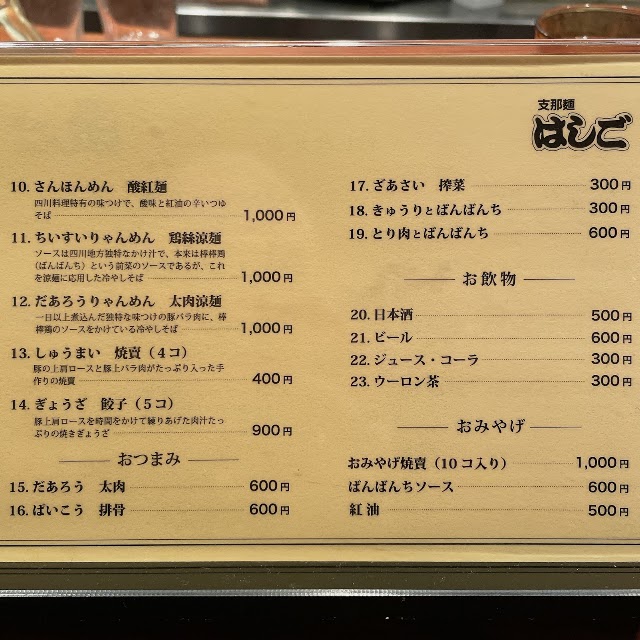
支那麵 はしご 本店
Photos: taichi、ぶひぶひ先輩、masaharu motoyama、うさぎと亀、髙橋渉、k、ちゃりんこ99、はつき、がんばるグルメ君〜プチプラからちょっと贅沢まで〜、内舘あきら / Google Maps
支那麵 はしご 本店
Why we recommend
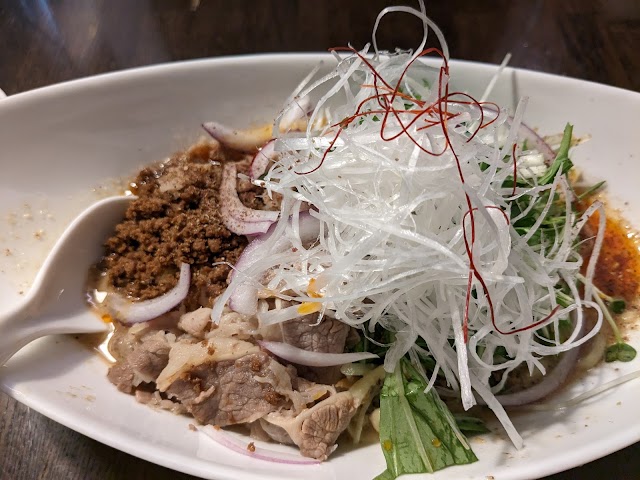
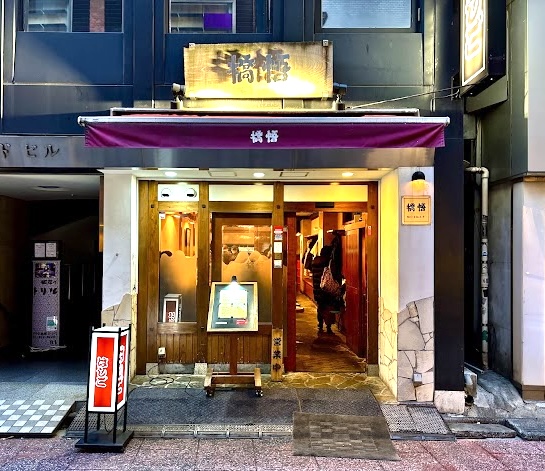
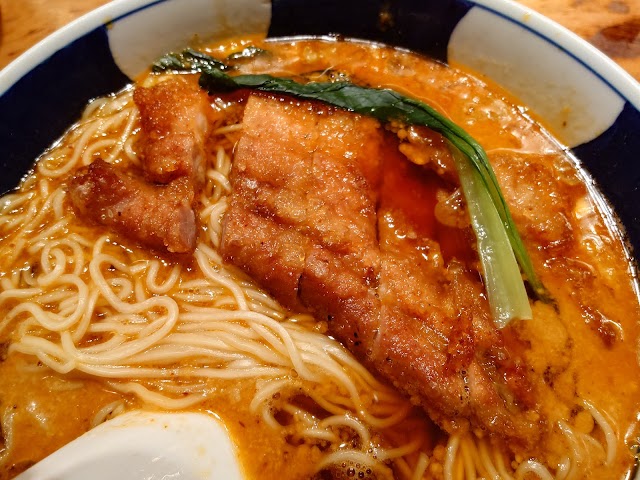
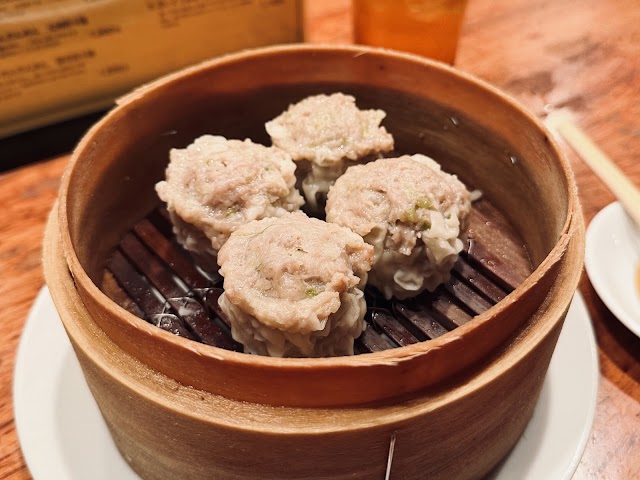
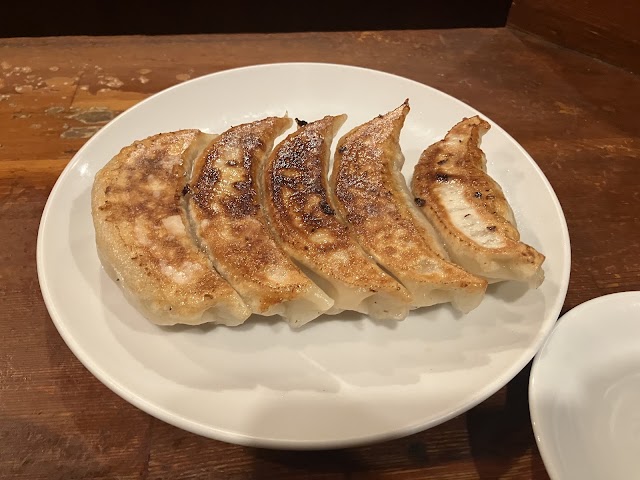
For the light, un-heavy, eat-it-daily school, choose the old-established Hashigo in Ginza. Founded in 1964, its signature is paiko tantanmen — a clear-style tantanmen topped with a fried pork cutlet, restrained in both chilli and sesame, an elegant line that is the opposite of the rich school. It suits those who cannot take too thick or too spicy yet want a substantial Ginza lunch; the flagship has several nearby branches, easy to fit between shopping. It is also the best example of how tantanmen has localised in Tokyo into an everyday noodle dish.
★ 清湯排骨系、辣度溫和,嗜濃嗜辣者口味可能偏淡;銀座分店多,注意走進的是哪一家。
VENUE INFO
Address: 6-chōme-3-5 Ginza, Chuo City, Tokyo 104-0061
Phone: 03-3571-1750
Hours: Monday: 11:00 AM – 5:00 AM; Tuesday: 11:00 AM – 5:00 AM; Wednesday: 11:00 AM – 5:00 AM; Thursday: 11:00 AM – 5:00 AM; Friday: 11:00 AM – 5:00 AM; Saturday: 11:00 AM – 9:00 PM; Sunday: 11:00 AM – 9:00 PM
Nearest Sta.: About 3 minutes on foot from Ginza Station (Tokyo Metro); also walkable from Yurakucho and Shimbashi (JR)
Price: 排骨擔擔麵(パーコー担々麺)約 ¥1,100-1,400 帶(以店面菜單為準)
Google rating: 4.1(3,157 則評論)
Verified: 2026-09-04 16:01 Google Maps
中國家庭料理 楊 2號店
Photos: 中国家庭料理 池袋 楊、Tの日記、So、M T、Noritada Nishio、MICHIHIRO KONDO、M K、せんがゆうすけ / Google Maps
中國家庭料理 楊 2號店
Why we recommend
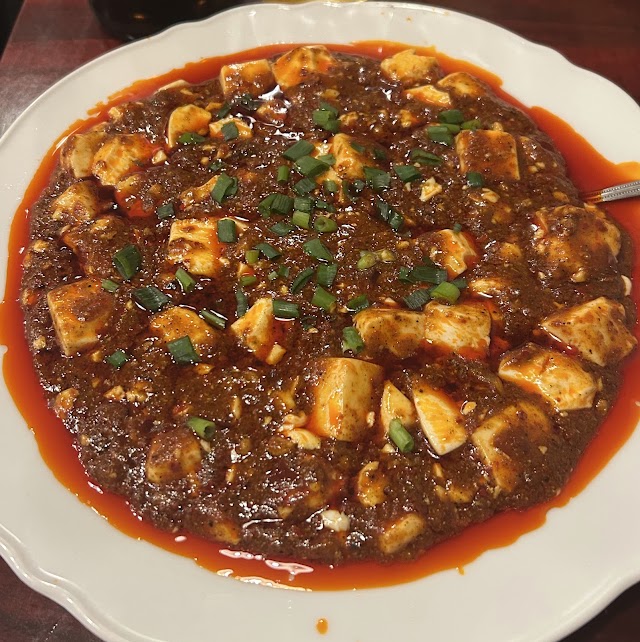
For a dry tantanmen that is filling, properly numbing and cheap, Yang in Ikebukuro is a longtime favourite among enthusiasts. A small home-style Chinese eatery, its dry tantanmen shot to fame after appearing in the drama Kodoku no Gurume; it delivers tingle and heat directly, with a generous noodle portion at a friendly price. This is the bowl closest to everyday, common-folk flavour — no fine plating, just solid, homely Sichuan taste. Best value for those who love heat and tingle, watch their budget, and want to skip the tourist-shop queues; the spice-averse should note it does not hold back.
★ 麻辣下手較重、不擅辣者請斟酌;小店、常客多、可能現金結帳,尖峰需候位。
VENUE INFO
Address: 3-chōme-25-5 Nishiikebukuro, Toshima City, Tokyo 171-0021
Phone: 03-5391-6803
Hours: Monday: 11:30 AM – 2:30 PM, 5:00 – 10:30 PM; Tuesday: 11:30 AM – 2:30 PM, 5:00 – 10:30 PM; Wednesday: 11:30 AM – 2:30 PM, 5:00 – 10:30 PM; Thursday: 11:30 AM – 2:30 PM, 5:00 – 10:30 PM; Friday: 11:30 AM – 2:30 PM, 5:00 – 10:30 PM; Saturday: 11:30 AM – 10:30 PM; Sunday: 11:30 AM – 10:30 PM
Nearest Sta.: About 5-7 minutes on foot from the West Exit of Ikebukuro Station (JR and other lines)
Price: 汁なし擔擔麵約 ¥800-1,000 帶(現金為主,以店面菜單為準)
Google rating: 3.7(1,434 則評論)
Verified: 2026-09-04 16:01 Google Maps
鯛擔麵專門店 恋し鯛
Photos: 鯛担麺専門店 恋し鯛、aüm、sanokuni、4674 26 / Google Maps
鯛擔麵專門店 恋し鯛
Why we recommend
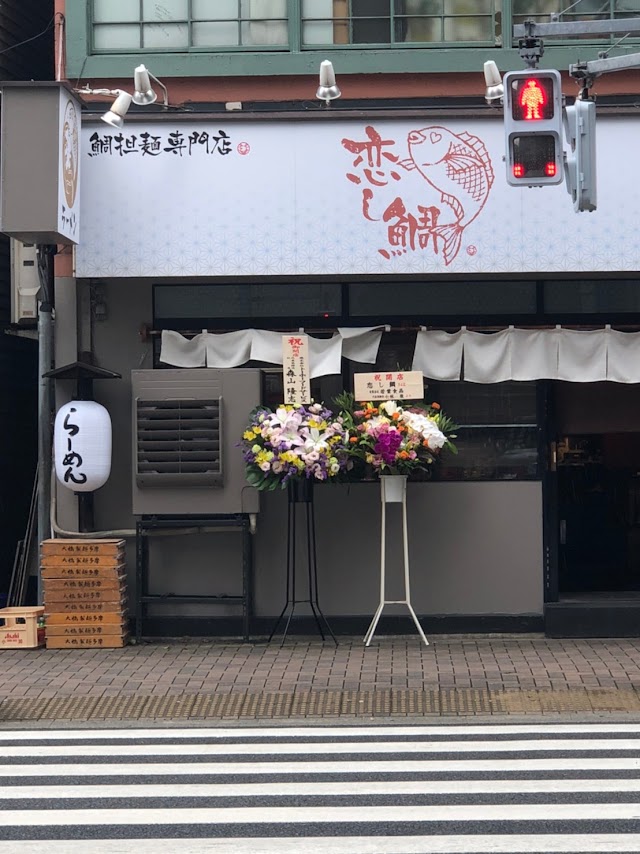
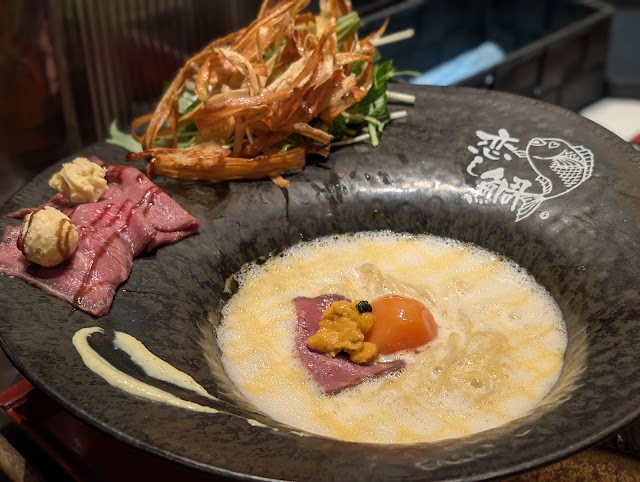
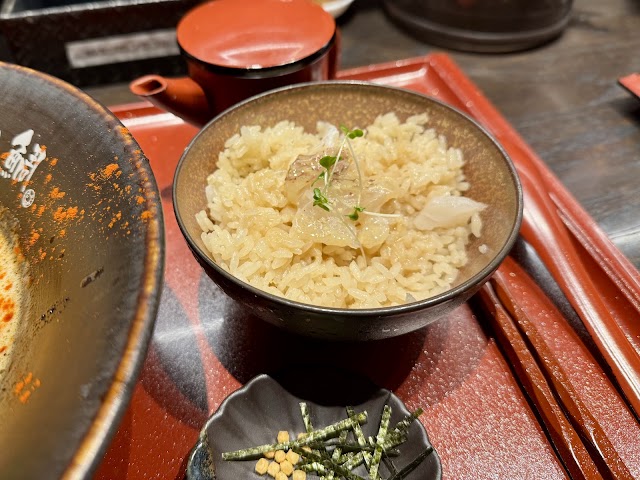
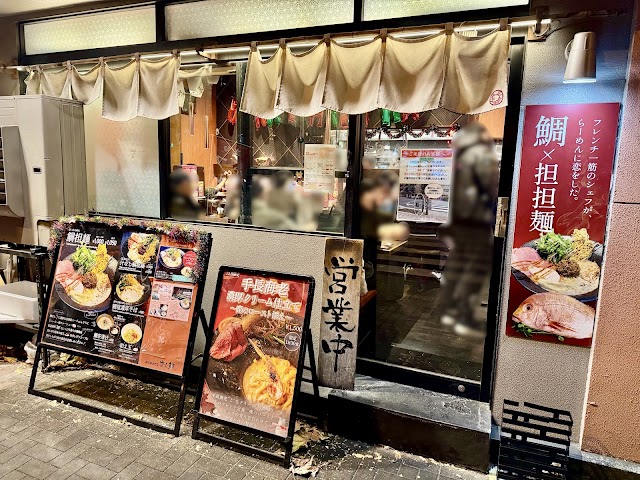
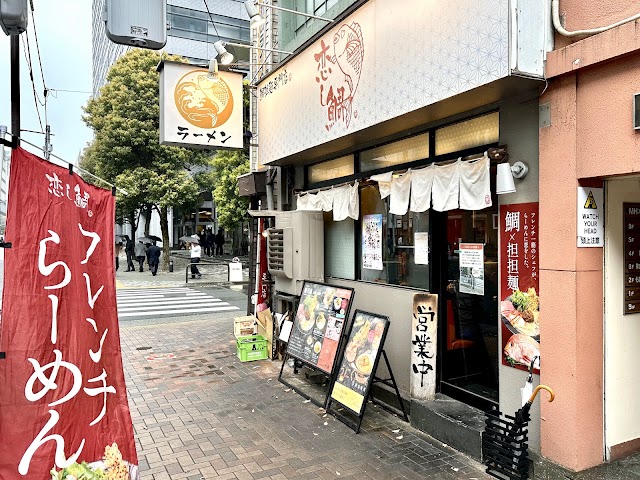
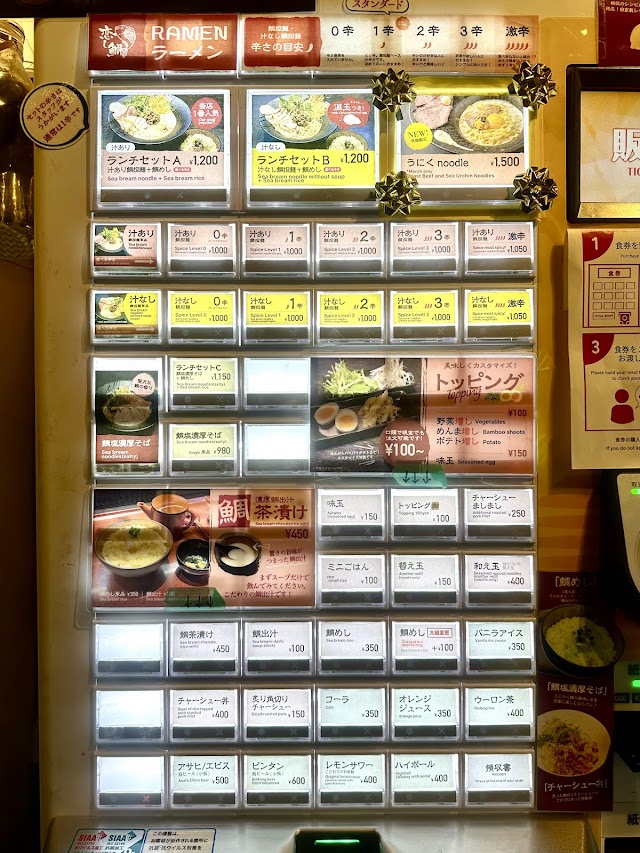
For those who have done the orthodox and want to see how far tantanmen can stretch, Koishitai is the most off-piste on this list. It specialises in tai-tanmen — a broth built on the umami of sea bream, marrying French technique with tantanmen's sesame-and-chilli fragrance into a seafood-style creative bowl, cleaner than the traditional version with the umami up front. It is not out to replace orthodox tantanmen but to show the dish's extended possibilities in Tokyo. Near Suidobashi and Jimbocho, it fits after the used-book streets or an event at Tokyo Dome, for a sea-bream-scented bowl you will not find elsewhere.
★ 為創作系鯛魚湯底、非傳統芝麻濃湯,期待正統味者需先理解方向;專門店座位有限,熱門時段需候位。
VENUE INFO
Address: 3-chōme-1-18 Misakichō, Chiyoda City, Tokyo 101-0061
Phone: 03-6380-9646
Hours: Monday: 11:00 AM – 3:00 PM, 5:00 – 10:00 PM; Tuesday: 11:00 AM – 3:00 PM; Wednesday: 11:00 AM – 3:00 PM, 5:00 – 10:00 PM; Thursday: 11:00 AM – 3:00 PM, 5:00 – 10:00 PM; Friday: 11:00 AM – 3:00 PM, 5:00 – 10:00 PM; Saturday: 11:00 AM – 9:00 PM; Sunday: 11:00 AM – 4:00 PM
Nearest Sta.: About 5 minutes on foot from the West Exit of Suidobashi Station (JR); about 7 minutes from Jimbocho Station
Price: 鯛擔麵約 ¥1,200-1,500 帶(以店面菜單為準)
Google rating: 4.3(721 則評論)
Verified: 2026-09-04 16:01 Google Maps
※ Business info may change; please check the venue's official sources before visiting.
← Back to home