Japan's Senior Workers Rise 29.2% in 10 Years, Reaching 9.43 Million
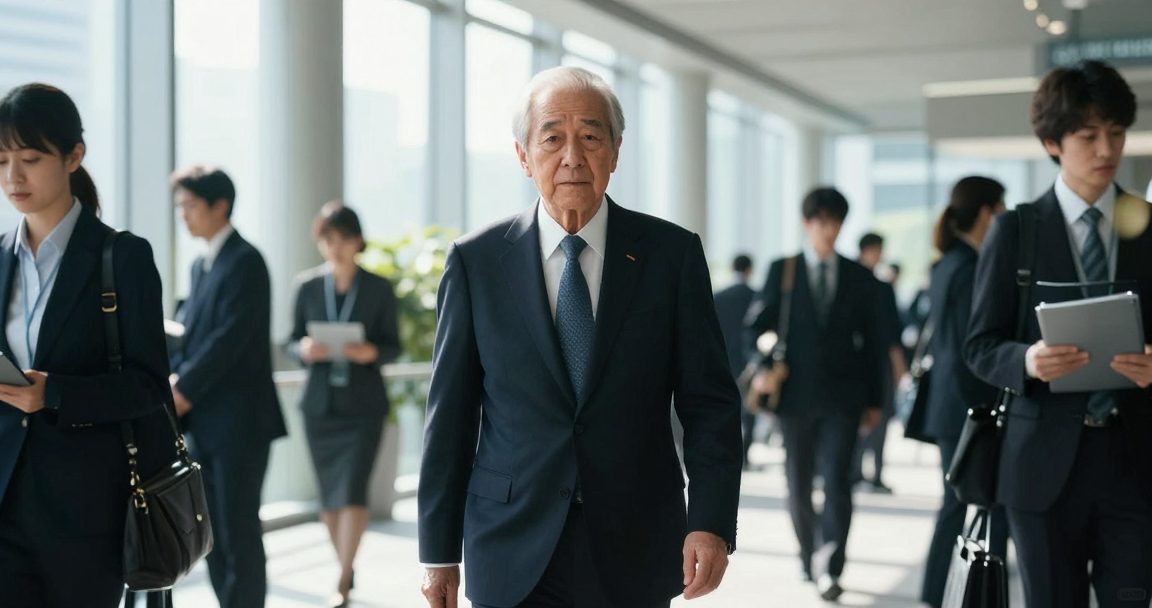
- Japan's senior workers aged 65 and over increased from 7.3 million to 9.43 million over 10 years.
- The proportion of senior workers rose across all industries, reflecting labor shortages.
- Senior workers have become a crucial part of Japan's labor force.
- Companies are increasingly relying on older workers due to staffing gaps.
- The trend is closely linked to Japan's aging and shrinking population.
Why should readers in Taiwan care about the surge in Japan's senior workforce? This trend is not just a Japanese issue—it signals a potential future for many Asian countries facing similar demographic shifts. Over the past decade, Japan has seen a 29.2% increase in workers aged 65 and over, reaching 9.43 million. This reflects a growing reliance on senior workers due to labor shortages, a challenge that Taiwan is also likely to face in the coming years.
Japanese companies are adapting by extending the working years of older employees, which suggests that Taiwan’s businesses may need to rethink hiring strategies and workplace design to accommodate an aging population. Senior workers bring valuable experience and stability, making them a competitive asset in certain industries.
The rise in senior employment is rooted in Japan’s long-term structural issues, including an aging population and shrinking labor force. The government and private sector have responded with policy adjustments to encourage older workers to remain in the workforce. This offers important lessons for Taiwan’s labor policies and social welfare planning.
Going forward, it will be important to monitor how Japanese industries are implementing specific measures for senior workers, such as flexible working hours and age-friendly workplace modifications. These insights can help Taiwan prepare for its own demographic transition and develop effective strategies to support an aging workforce.