830 Million Yen Demolition Cost: Abandoned Ryokan in Japan Finds Remarkable Revival
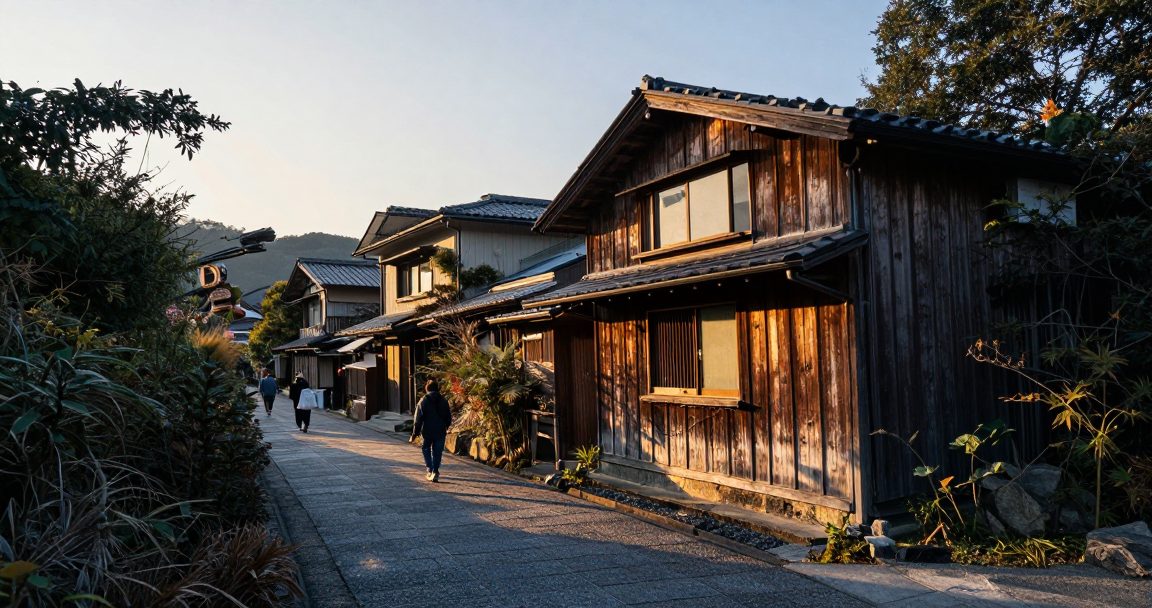
- The abandoned ryokan 'Ko-Ichibei-tei' in Minakami Town, Gunma Prefecture, has been stalled for years due to a 830 million yen demolition cost.
- The building could neither be demolished nor rebuilt, leaving it in a dead end.
- A never-before-seen regeneration method is now being used to revive the structure.
- This case may serve as a model for other abandoned ryokans in Japan.
- Revitalizing the hot spring town could attract tourism and investment.
Taiwan's tourism operators and local development teams should pay attention to this report on the regeneration of an abandoned ryokan in Japan. Both Japan and Taiwan face similar challenges, including rural depopulation and aging infrastructure. When traditional options like 'demolishing' or 'leaving it as is' are no longer viable, innovative regeneration methods can create new opportunities.
This case highlights the potential for transforming 'negative heritage' into tourism assets. The revival of the old Ichibei-tei ryokan shows that when demolition costs are too high, creative approaches can turn abandoned buildings into cultural or experiential spaces. For Taiwan, which has been promoting 'heritage revitalization' and 'cultural asset reuse', this offers a new perspective. Most efforts in Taiwan still focus on restoration and re-leasing, but lack systematic and market-driven strategies.
Japan's local economies have been adjusting their structures for years, and hot spring tourism remains a key pillar. However, operational difficulties and labor shortages are growing. Regenerating such abandoned ryokans could not only preserve local culture but also generate new economic momentum. However, these efforts require collaboration between local governments, private investors, and professional teams, not just cultural preservation or tourism marketing.
The key to watch is whether the Ichibei-tei model can be replicated in other regions and how Japanese local governments and the private sector collaborate to push similar projects. For Taiwan to break through in tourism and cultural asset management, learning from such innovative cases and combining them with local characteristics and industry needs could be the way forward.