Japan's Michinoeki Adds 12 New Stations, Reaching 1,234 NationwideA · FULL TRANSLATION
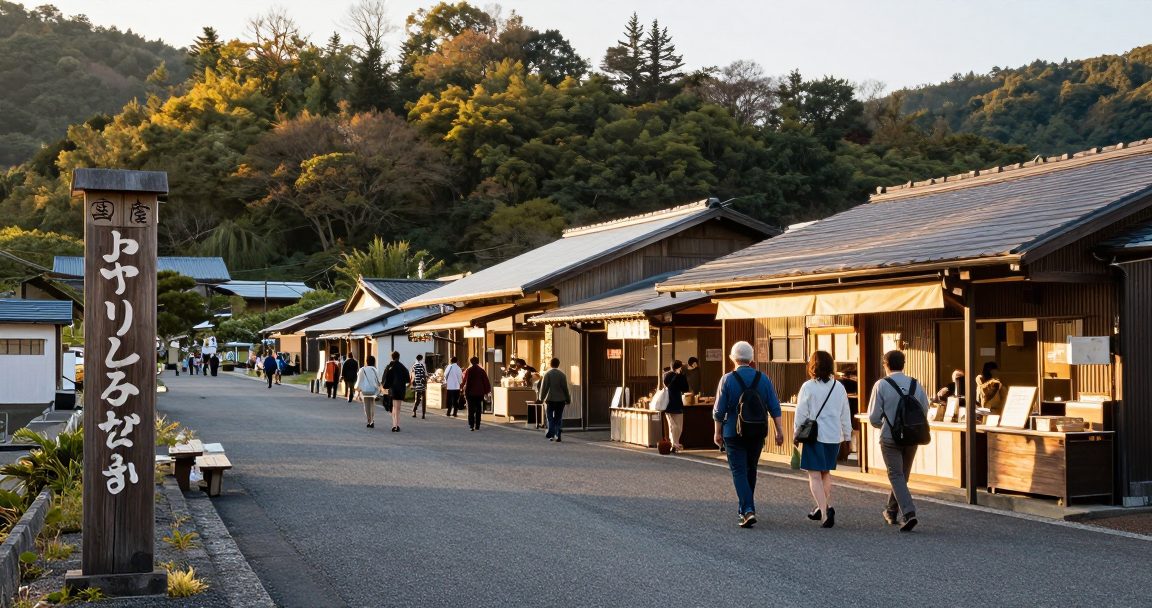
- Japan's Ministry of Land, Infrastructure, Transport and Tourism approved 12 new Michinoeki stations.
- The total number of Michinoeki stations nationwide now exceeds 1,234.
- Michinoeki combines tourism and local economic development, promoting regional revitalization.
For Taiwan's tourism operators and local revitalization teams, Japan's Michinoeki model has long been a key reference for integrating local economic development with tourism. The recent addition of 12 new stations, bringing the total to 1,234, highlights Japan's ongoing commitment to expanding these roadside stations as a way to connect regional resources with tourism momentum. These stations not only serve as rest stops and information hubs but also act as platforms for local food sales and cultural experiences, enhancing visibility and income for local industries. For Taiwan, replicating this model would require thoughtful integration of transportation, agriculture, and tourism resources, along with a sustainable maintenance mechanism.
Economically, the expansion of Michinoeki reflects Japan's emphasis on local economic revitalization, especially in the face of population decline and aging. Taiwan faces similar challenges, and the question remains how such facilities can attract tourists to remote areas while creating local jobs and revenue. The success of Michinoeki lies in its integration and local participation, offering lessons for institutional design in Taiwan. Future focus should be on how Japan adjusts its review criteria and funding methods to better suit diverse regional needs.
Taiwan's potential to adopt similar facilities will depend on accessibility, resource integration, and long-term operational planning. Collaboration between tourism operators and local governments can help these stations serve both travelers and local economic value. Such facilities will become a key element in Taiwan's push for local revitalization and tourism upgrades.