Japan to Raise Imported Wheat Selling Price 12% Next Period on Weak Yen and Mideast Risk
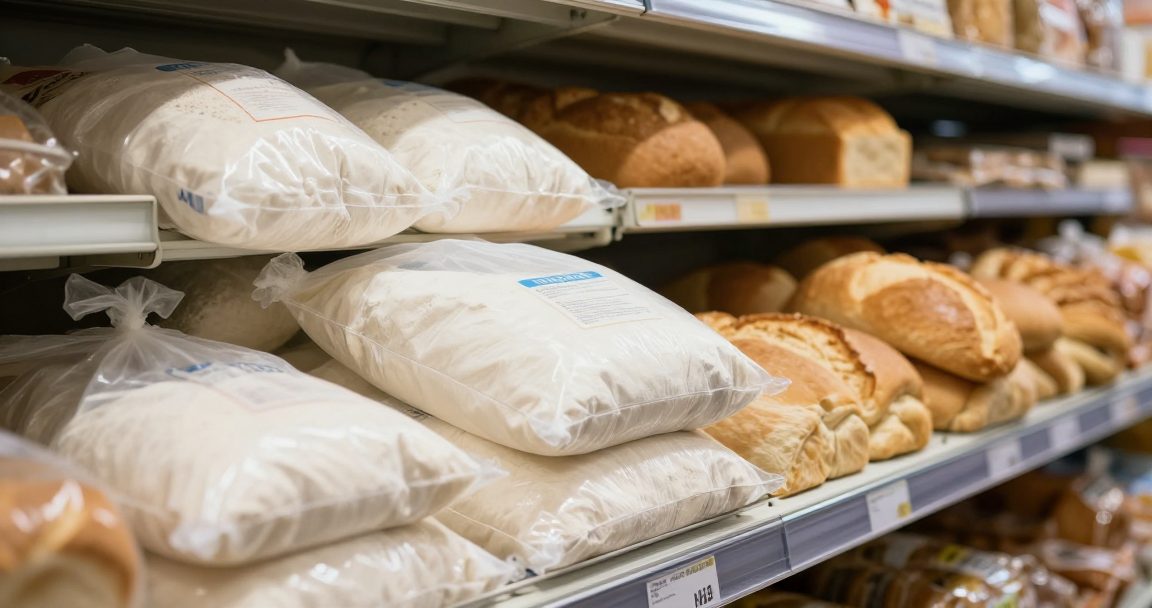
- Japan will raise the price of imported wheat sold to millers by 12% for the next half-year
- A weaker yen and Middle East tensions lifted shipping costs
- Costs for bread and noodles will face pressure
This is news that lands straight on your breakfast table. Japan's farm ministry will raise the price of government-imported wheat sold to millers by 12% for the next half-year—pushing up costs for bread, udon, ramen, and pastries. The 12% jump has two causes: a weaker yen making foreign-priced wheat dearer, and Middle East tensions lifting shipping costs. Because Japan imports most of its wheat and the government sets the resale price, this adjustment effectively sets the tone for food inflation over the coming months. Seen with high oil and the weak yen, it is one story from different angles: energy and currency pressure traveling down the supply chain to food. Practical notes: frequent visitors may feel higher prices at convenience stores and bakeries; food and restaurant businesses should price in flour-related costs early. Watch whether the weak yen persists and whether Middle East shipping lanes stay stable—those decide if the next revision rises again or eases.