Fragrant Only Two Months a Year: 9 Tokyo Shops for New-Crop Soba, from the Edo 'Big Three' to Stone-Milled Juwari
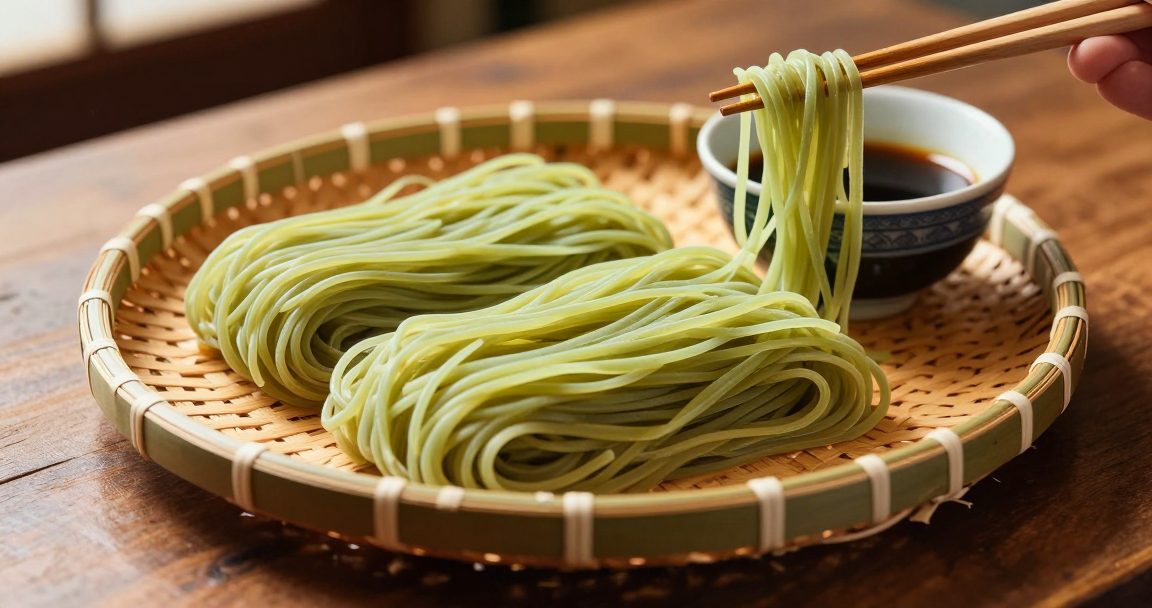
- 'Shin-soba' is soba milled from the autumn's new buckwheat crop, in season late September to November; its aroma, sweetness and juiciness are unique to the season, and a 'now serving' door sign is your cue.
- Learn the Edo-soba Big Three first: Yabu (fine-cut, sharp dip), Sarashina (bright pale-core gozen soba) and Sunaba (tempura-zaru old shops).
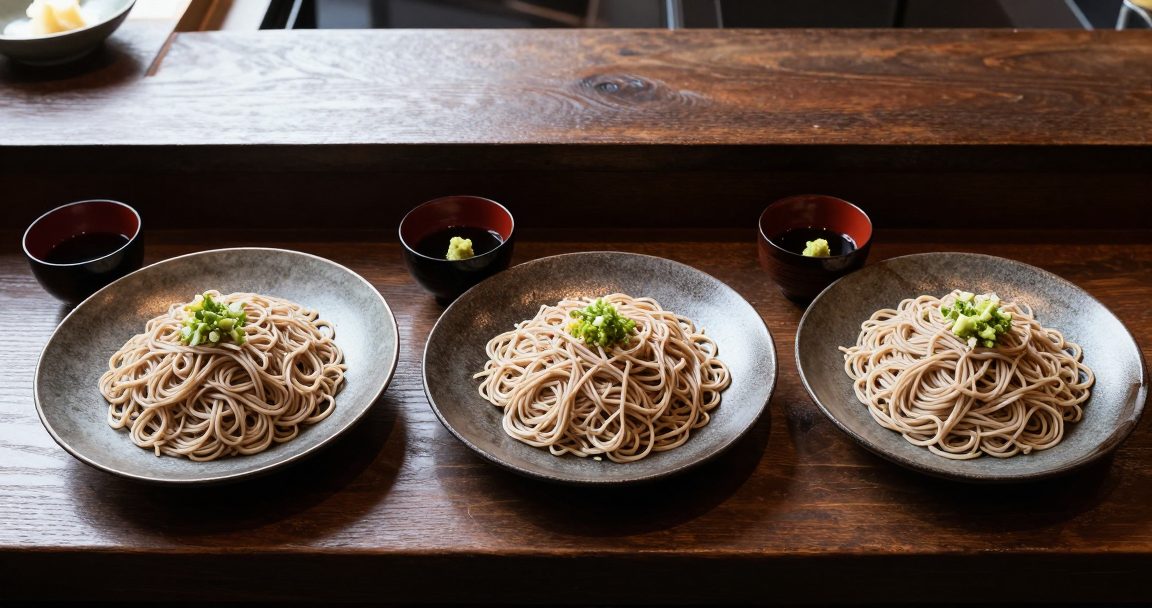
- Tell juwari (100% buckwheat, fiercest aroma, more fragile) from nihachi (20% wheat, smooth and easy) and the menu stops being a mystery.
- Three ordering tips: start with plain mori/seiro, dip only the tail third of the noodle, and finish with soba-yu cut into the leftover dip.
- The nine span head houses, downtown classics, stone-milling juwari artisans and Tabelog Top 100 flights; Daikokuya is reservation-only, and Tamawarai and Karibe are busy — avoid peak hours.
For most visitors, Japanese soba means a quick standing-bar bowl on a station platform or a hot broth with tempura on top — fast, cheap, filling. But Japanese who truly love buckwheat make a special trip during just two months a year: soba milled from the autumn's freshly harvested crop, called 'shin-soba' (new-crop soba), in season from late September through November. Its aroma, sweetness and juiciness are impossible to get in other seasons, and serious shops post a 'shin-soba now serving' sign at the door — that's your signal.
Learn one framework first: the Edo-soba 'Big Three' — Yabu (greenish, fine-cut, a sharp aromatic dipping sauce), Sarashina (bright-white 'gozen soba' milled from the grain's core, silky with a faint sweetness) and Sunaba (the tempura-zaru old-shop line) — three houses with three temperaments. Above that sits the split between juwari (100% buckwheat, fiercest aroma but more fragile) and nihachi (20% wheat, smooth and easy). Tell those two groups apart and the menu stops being a mystery.
Three ordering tips: first order a plain 'mori' or 'seiro' to taste the noodle itself before piling on tempura; dip only the tail third into the tsuyu so the sauce doesn't bury the aroma; and don't leave without asking for 'soba-yu', the hot cooking water, to cut the leftover dip and drink — the connoisseur's finish. The nine below run from the head houses of the Big Three to self stone-milling juwari artisans, all right on time for this year's new crop.
**First, learn the Big Three: Yabu, Sarashina and Sunaba.** Kanda Yabu Soba (Awajicho) is the head house of the 'Yabu' line, founded 1880 — fine, greenish noodles with a sharp dark dip, and new-crop season is when that thin cut best releases the fresh aroma. For the 'Sarashina' line, see Sarashina Horii (Azabu-Juban), founded 1789 and over 230 years old; its 'gozen soba', milled only from the grain's pale core, is bright, silky and faintly sweet — the exact opposite of Yabu's punch — with seasonal flavored soba in autumn. The last of the three, 'Sunaba', is Osakaya Sunaba (Toranomon), founded 1872 in a heritage wooden townhouse, famed for tempura-zaru. Tick off all three and you grasp Edo soba's three bloodlines.
**A downtown rhythm: soba-mae at Kanda Matsuya.** Kanda Matsuya, founded 1884, works in soto-nihachi (80% buckwheat) for a springy, clean-finishing noodle. A daytime mori is cheap; at night, sobagaki with yakitori and warm sake — drink first, close with noodles — is the downtown 'soba-mae' few visitors know. Worth trying once.
**Juwari artisans: the fiercest aroma.** For the ultimate new-crop fragrance, heirloom-grain juwari is the ceiling — Kyotei Daikokuya (Asakusa), reservation-only, stone-mills its own heirloom buckwheat from Niigata and Nagano. Edo Soba Hosokawa (Ryogoku), a Tabelog 'Soba Top 100' regular, serves binder-free juwari and lets you order a second helping from a different region for a side-by-side terroir tasting. Tohakuan Karibe (Chitose-Karasuyama), from the prestigious 'Takeyabu' lineage, pairs clean, crisp juwari with around 40 sakes and wines — ideal for a leisurely soba-mae.
**Memorize aroma through tasting flights: Kikuya and Tamawarai.** Teuchi Soba Kikuya (Koshinzuka), a Michelin Bib Gourmand pick, serves 'kiki-soba', a flight of noodles from different regions and mills side by side — the fastest way to feel how land changes aroma; ride the retro Toden streetcar and pair it with Sugamo. Tamawarai (Meiji-Jingumae), a Tabelog 'Soba Top 100 2025' and repeat Award winner, mills and cuts in house right in the Harajuku-Omotesando shopping zone.
Across the nine you'll find that under the plain word 'soba' hide the Big Three's schools, the juwari-versus-nihachi divide, and a whole aroma map that shifts with the growing region — all of it clearest during these two new-crop months. Sources: Tabelog Soba Top 100 2025 (EAST) and Hitosara's 'Autumn new-crop soba in season'. Hours, closures, phone and photos follow each shop's official pages and Google Maps.
 Scan for map
 Scan for map
 Scan for map
 Scan for map
 Scan for map
 Scan for map
 Scan for map
 Scan for map
 Scan for map