APA's CEO: Hotels Alone Won't Secure the Future — Building an Economic Sphere at Peak Profit
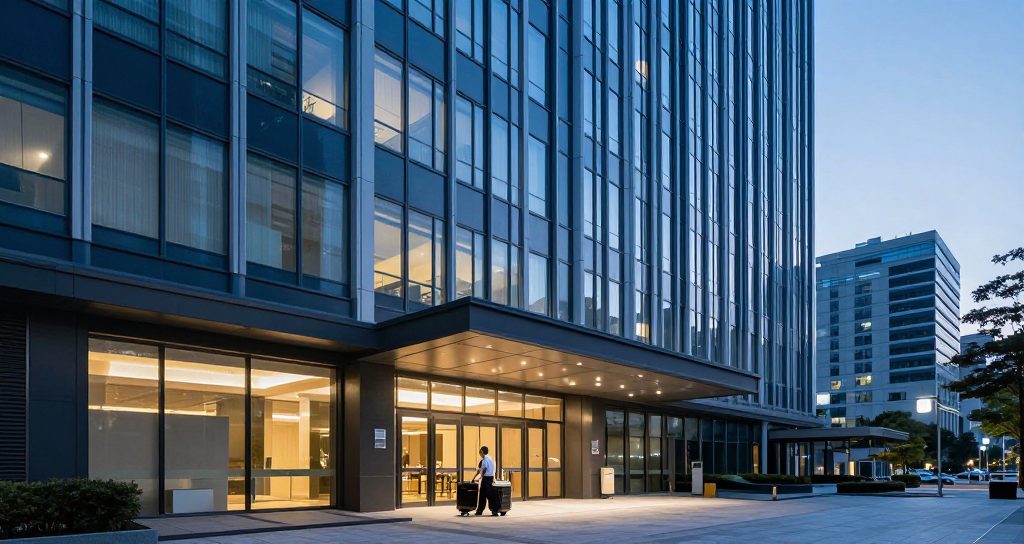
- APA is one of Japan's largest hotel chains, known for industry-leading profitability.
- Its operating margin hit 38% for the year ended Nov 2025, far above Toyoko Inn's roughly 20%.
- CEO Motoya argues hotels alone can't secure the future and is racing to build an 'economic sphere' even at peak profit.
- For Taiwanese in Japanese lodging investment or tourism, it's a template for extending a high-margin model.
Anyone running or investing in Japanese hotels will sit up at this figure: APA Group posted a 38% operating margin for the year ended Nov 2025, far ahead of Toyoko Inn's roughly 20%. One of Japan's largest chains, APA wrings that out by designing hotels to be lean and squeezing per-room efficiency. You'd think peak profitability means time to harvest — yet CEO Motoya says hotels alone can't secure the future.
The value for Taiwanese readers is what that line exposes: the ceiling of a high-margin model. Hotel profit comes from efficiency, but efficiency has a limit and is tied to the inbound-tourism cycle. So APA is racing — at its most profitable moment — to weave lodging, membership and adjacent spending into an 'economic sphere' that turns one-time guests into repeat customers, spreading single-industry risk.
Two takeaways. First, don't treat high occupancy and margins as the whole moat — when the leader diversifies, the room-only model's bonus period is visibly finite. Second, watch what APA anchors its sphere on (membership, dining or real estate); that often signals where capital heads next. The real test: whether the sphere can hold profit when the next inbound cycle weakens.