Japan and Malaysia Sign Third Bilateral Currency Swap AgreementA · FULL TRANSLATION
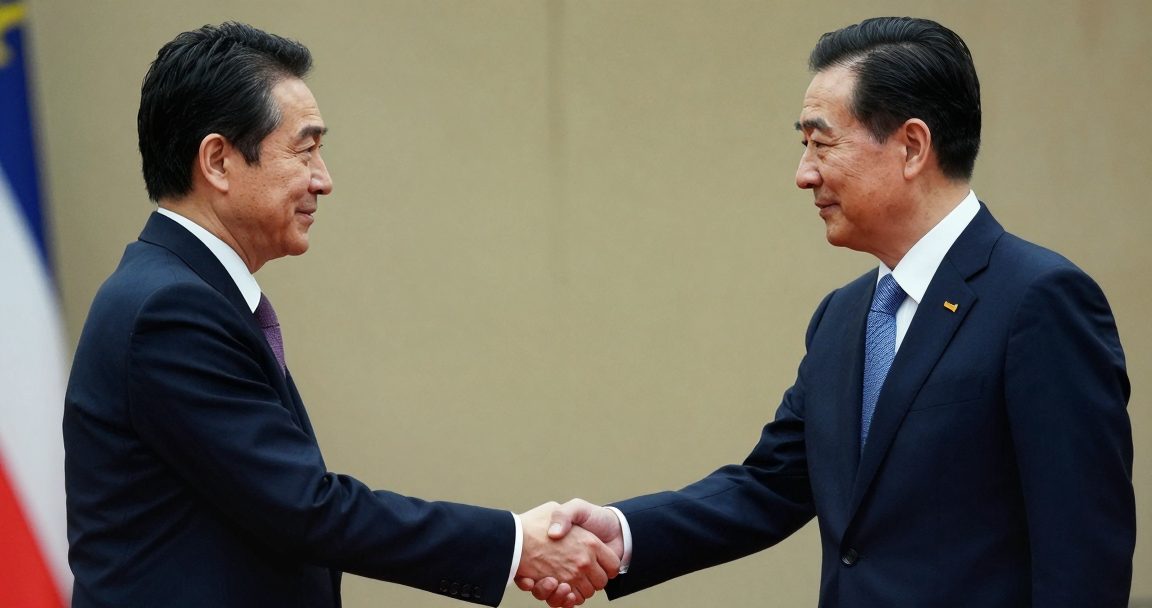
- The Ministry of Finance announced the signing of the agreement
- The agreement is valid for three years
- It helps to stabilize financial markets
Why Taiwanese/Local Readers Should Care: The signing of the third bilateral currency swap agreement between Japan and Malaysia has implications for Taiwan's financial market. Bilateral currency swap agreements help mitigate foreign exchange market fluctuations, which can reduce exchange rate risks for Taiwanese businesses and enhance their international competitiveness. The agreement also highlights Japan's active role in the international financial market, which can boost mutual economic trust. Taiwan should further explore cooperation mechanisms with Japan to address potential financial challenges. What to Watch: Whether the two sides will expand their cooperation in the future.
The Ministry of Finance announced the signing of the third bilateral currency swap agreement with Malaysia, valid for three years. This agreement aims to stabilize the financial markets of both countries. Bilateral currency swap agreements are typically used to mitigate foreign exchange market fluctuations in the short term, and this latest agreement underscores the importance of deepening financial cooperation between the two nations. The signing of this agreement highlights Japan's active role in the international financial market and enhances mutual economic trust. In the future, both parties should explore more cooperation mechanisms to address potential financial challenges.