Is a Strong Yen the Real Economic Security? A Plain Question That Punctures a Myth
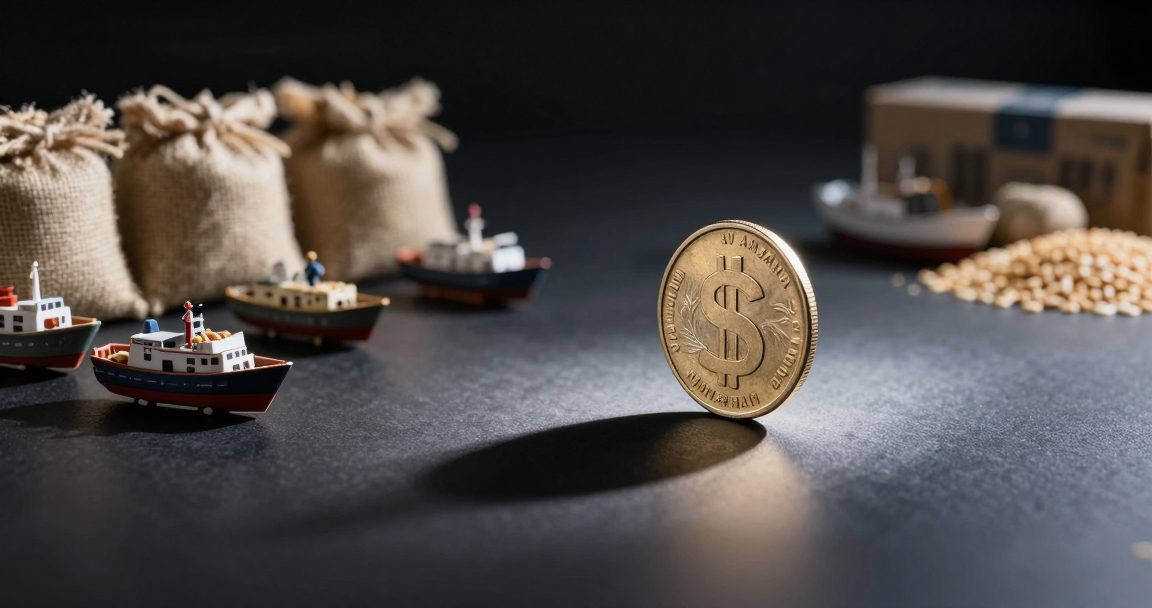
- A counterintuitive thesis: for Japan a strong yen may serve economic security better than chasing supply-chain resilience
- A weak yen makes imported energy, food and raw materials costlier — pricing up the nation's lifelines
- The Takaichi government touts supply-chain resilience while dodging the more fundamental variable: the exchange rate
- For hospitality and trade firms earning yen but paying in foreign currency, the rate is a survival line
- For Taiwanese buyers and investors, yen policy directly decides whether assets convert back at a gain or loss
This piece poses a question that makes many wince yet grows more persuasive on reflection: for Japan, might real economic security be a strong yen rather than the supply-chain resilience the government keeps invoking? Supply chains are about whether you can buy something; the exchange rate is about whether you can afford it — and the latter sits closer to the foundation of security. As a resource importer, Japan sees a weak yen lift the yen-cost of oil, food and materials, feeding imported inflation that eats household purchasing power, the engine behind the 'poor Japan' anxiety of recent years. But the article is sharp, not naive: a weak yen also powers exports and the inbound tourism boom, so a stronger yen would squeeze exporters and erode tourism's price edge. The lesson of the 1985 Plaza Accord and the post-2022 weak yen together is that the rate is double-edged, and policy should stop pricing only the supply-chain ledger while leaving currency in the dark. For Taiwanese readers: hedge if you earn yen but pay in foreign currency, count the yen's path as part of any property return, and watch whether Tokyo starts treating yen weakness as a cost rather than a tolerance.