The Giant Data Center Next Door: Is It the AI Era's 'New Pollution'?
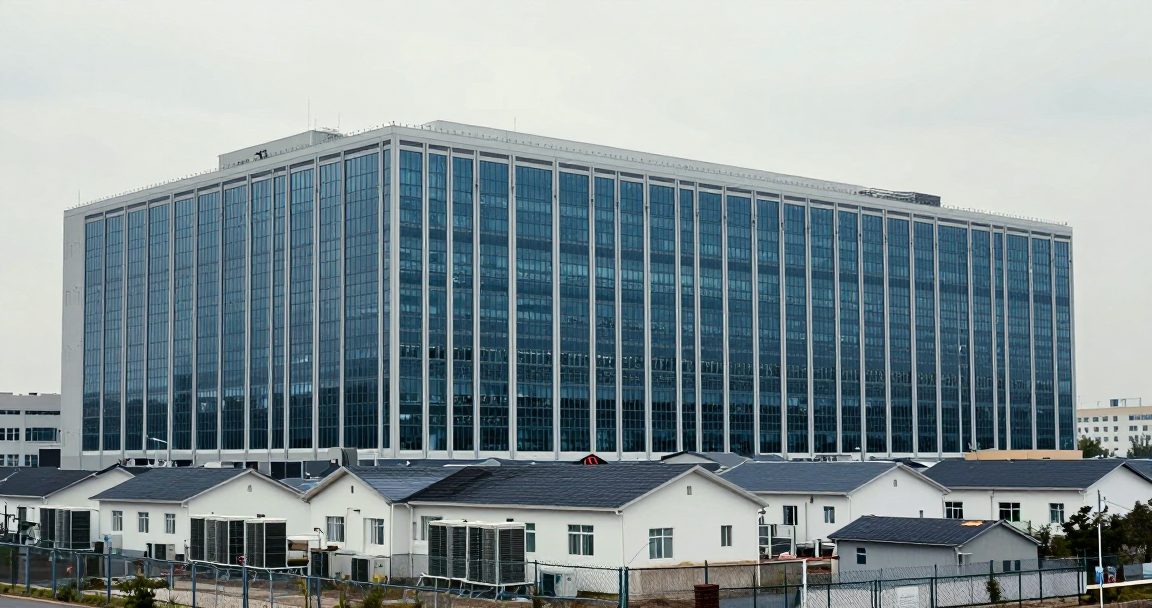
- Toyo Keizai asks whether huge data centers rising beside homes are a new source of urban friction
- AI demand fuels a data-center boom, but power use, footprint, views and safety fears land on neighbors
- The core dispute is poor disclosure and weak rules — residents often learn only after it's a done deal
- For buyers it cuts both ways: a development theme, but also pressure on the livability of nearby homes
- For investors the theme is hot, but separate 'can it be built' from 'can the power reach it'
This piece surfaces a brewing urban conflict: as giant data centers rise beside residential areas, are they progress or the AI era's 'new pollution'? It is not only Japan's story — Taiwan, a chip-and-data-center hub, faces the same tug between technology's land needs and residents' peace. Generative AI's bottomless appetite for compute means sprawling, power-hungry, heat-spewing facilities, and when they sit next to homes the costs fall on neighbors while the benefits flow to distant tech firms. The deeper grievance is procedural: thin disclosure and rules that lag the build-out leave residents excluded until plans are nearly final. History rhymes — Japan's growth-era pollution disasters followed the same pattern of new facilities, new external costs, lagging regulation. Crucially for investors, the real constraint is shifting from 'can it be built' to 'can power be delivered,' so transmission capacity, not just land, decides whether these sites run at full load. Buyers should check nearby development plans; investors should make grid capacity core to due diligence.