TESS Group Updates Progress on Indonesian EFB Pellet Plant, Turning Palm Waste into Green FuelA · FULL TRANSLATION
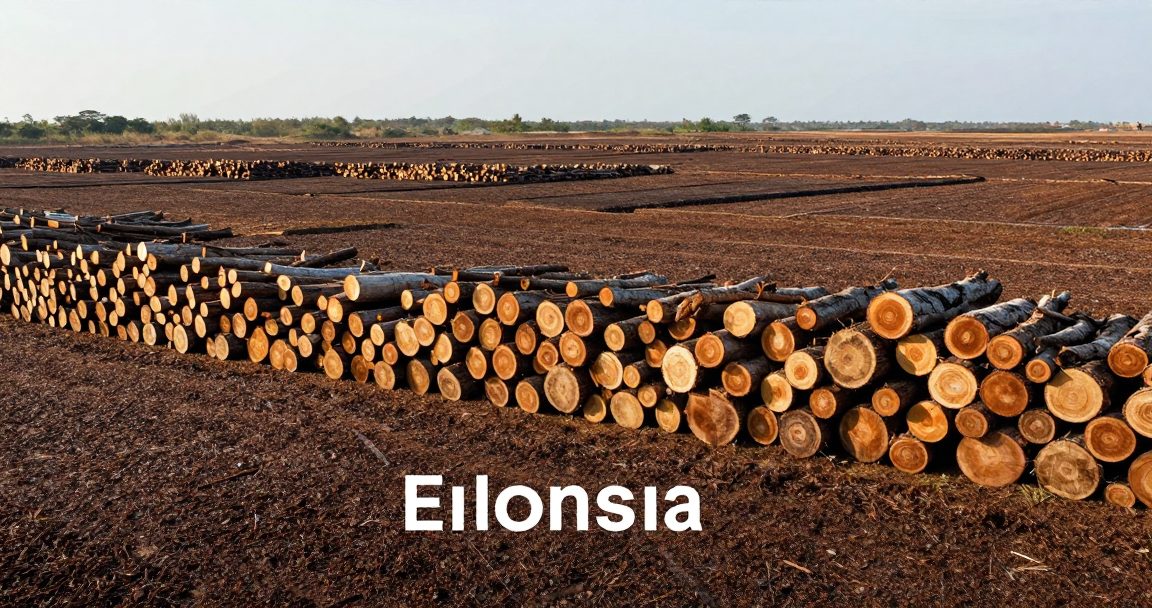
- TESS Holdings reports May 2026 construction progress on its EFB pellet plant in Indonesia
- Subsidiary PT PTEC R&D leads the project in North Sumatra
- EFB (empty fruit bunches), a palm oil byproduct, is processed into biomass fuel pellets
- The plant targets Japan's biomass power fuel import demand and decarbonization market
TESS's Indonesian EFB pellet plant targets the fuel gap in Japan's biomass power sector. The FIT scheme spawned many biomass plants, but domestic fuel falls far short, leaving wood pellets dependent on Vietnam and Canada. EFB — a palm-industry waste product — offers cheap feedstock and a tidy 'waste utilization' sustainability story.
The structural risk is equally clear: deforestation controversies around palm supply chains keep drawing NGO scrutiny, and the EU has tightened rules on palm-based biofuels. Japan remains permissive for now, but stricter certification would hit early fuel investors first. For Taiwan, similarly short of biomass fuel, this 'Southeast Asian waste to East Asian power plant' supply chain is worth watching.
Generating your green power from someone else's agricultural waste — how should that ledger be settled, in carbon and in ethics?
TESS Holdings Co., Ltd. (headquartered in Yodogawa-ku, Osaka; President: Kazuki Yamamoto) announced the May 2026 construction status of an EFB pellet manufacturing plant in Indonesia, built by its consolidated subsidiary PT PTEC RESEARCH AND DEVELOPMENT (North Sumatra, Indonesia).
EFB (empty fruit bunch) is a byproduct of palm oil production that can be processed into biomass fuel pellets for power generation. By building locally in Indonesia, the TESS Group converts palm industry waste into renewable fuel exportable to Japan, where biomass power plants rely heavily on imported fuel.
The company says it will continue publishing regular construction updates, and the plant is expected to become a key asset in the group's decarbonization business once operational.