DJI Pours Cold Water on 'Low-Altitude Economy' Frenzy, Citing Regulatory Gaps and High Costs
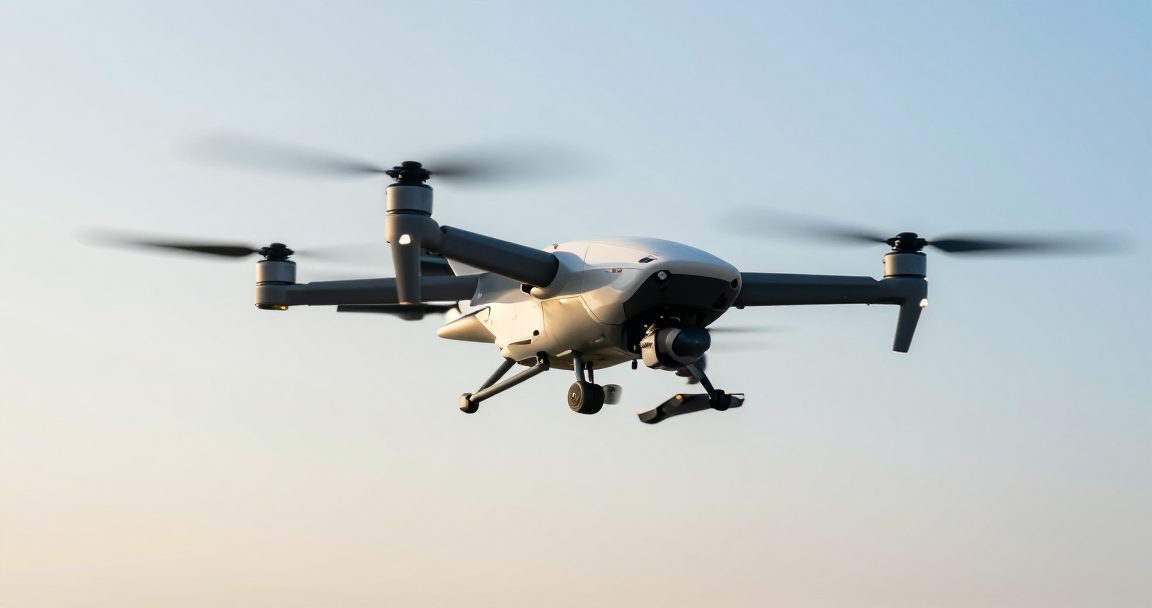
- China is betting on drones and eVTOLs as a new 'low-altitude economy'
- Market leader DJI published a report skeptical of rapid near-term expansion
- Unprepared regulations and high operating costs are the main bottlenecks
- It is rare for an industry leader to talk down its own boom
When DJI — the company that knows drones best — cools on the low-altitude economy, the signal deserves double weight. The sector is a state-anointed growth engine, with local governments subsidizing eVTOLs and drone logistics. DJI's bottlenecks — unready airspace regulation, stubborn operating costs — mark the gap between policy wind and reality. The leader's skepticism may also be frustration at subsidy-driven bubble competition degrading industry standards.
For Japan and Taiwan, this is about pacing: Japan's flying-car roadmap keeps slipping and the Osaka Expo demos shrank, showing eVTOL commercialization is stuck globally; Taiwan's drone policy focuses on defense and inspection, sidestepping the consumer subsidy war. When booms are policy-made, insiders' pessimism usually beats outsiders' optimism.
Policy can manufacture a boom — but can it manufacture a business model?