The Anti-Saizeriya? Why Dressing Maker Pietro Keeps Opening Restaurants at One-Tenth the Profit
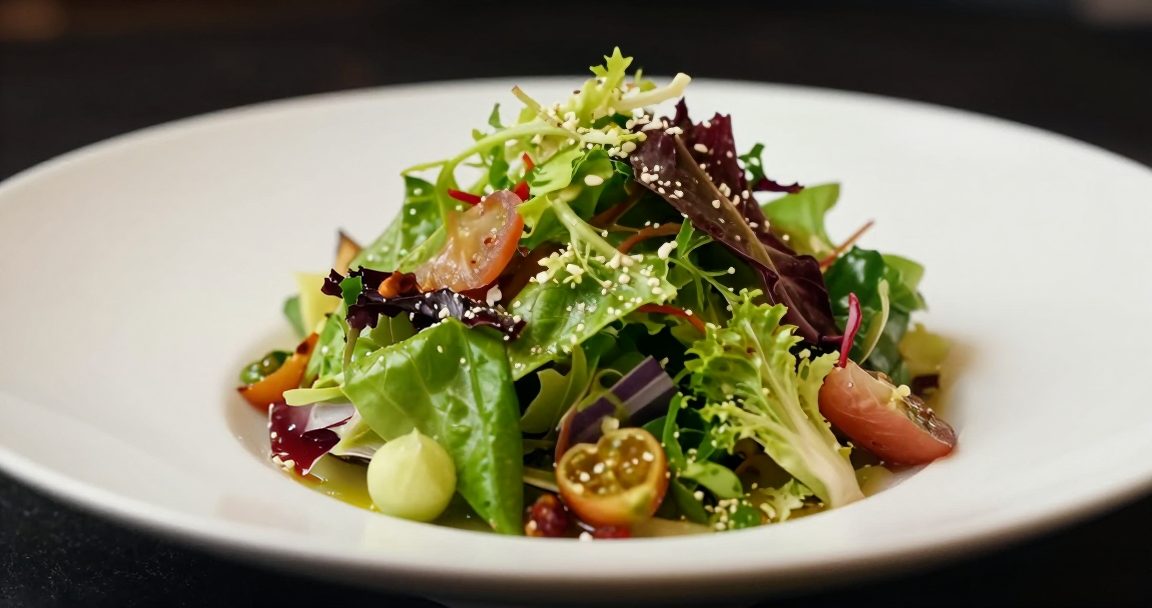
- Kyushu-born Pietro is famous nationwide for its salad dressing
- Its restaurant business earns roughly one-tenth the profit of its food business, yet expansion continues
- The company prioritizes brand experience and fan cultivation in a renewed national push
- The strategy contrasts sharply with Saizeriya's extreme-efficiency model
Pietro's restaurants earn a tenth of what its food business does, yet it keeps opening them — not romance, but brand math. Supermarket dressing is a red-ocean product with heavy channel fees and price wars; brand equity is the only moat. Restaurants are where that equity is manufactured: taste 'Pietro' in the dining room, and you'll pay a premium for the bottle later. The restaurants' thin profits are marketing spend, capitalized.
This 'experience hub × retail monetization' model sits at the opposite end of the spectrum from Saizeriya's efficiency extremism, in the same lineage as Muji's diners. Food brands in Taiwan mostly test pop-ups; few treat owned restaurants as long-term brand infrastructure.
When experience becomes the brand's ammunition depot, what KPI should judge a money-losing store?