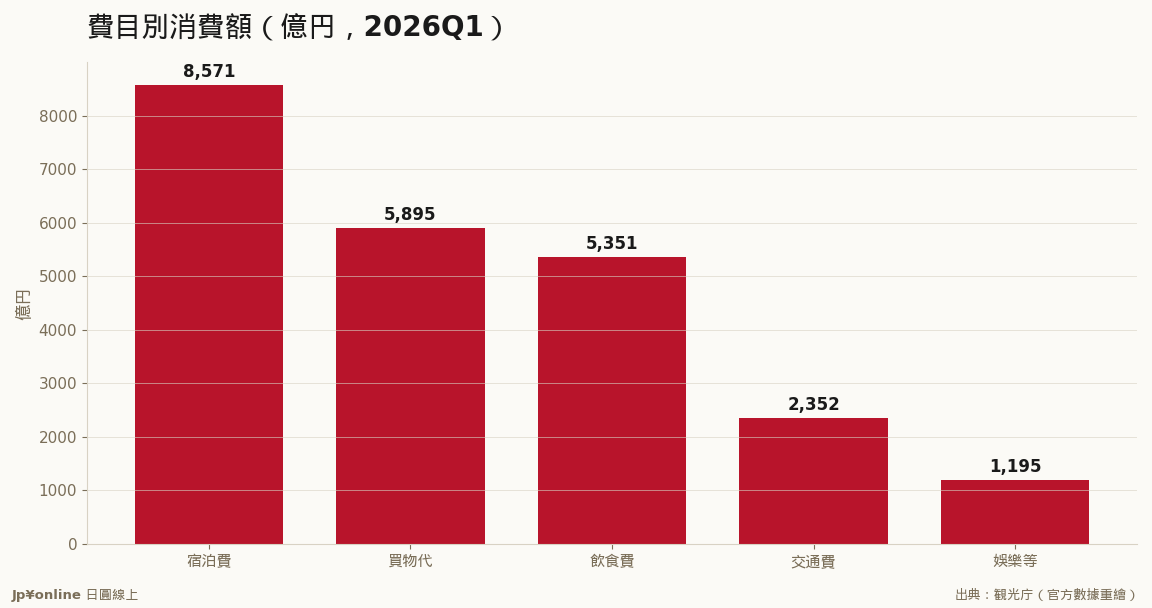
The End of 'Bakugai': Lodging Now Eats 36.7% of Japan's Inbound WalletA · FULL TRANSLATION
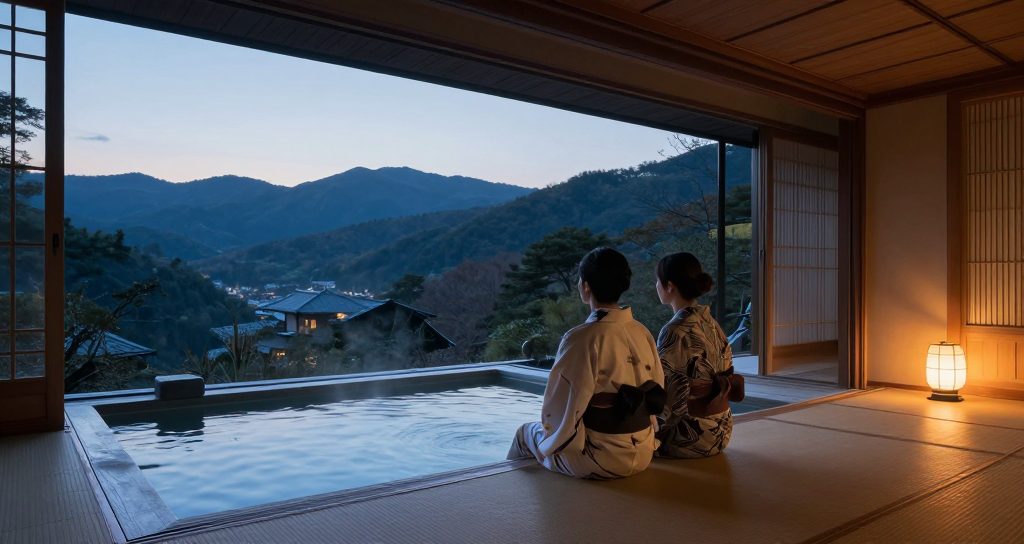
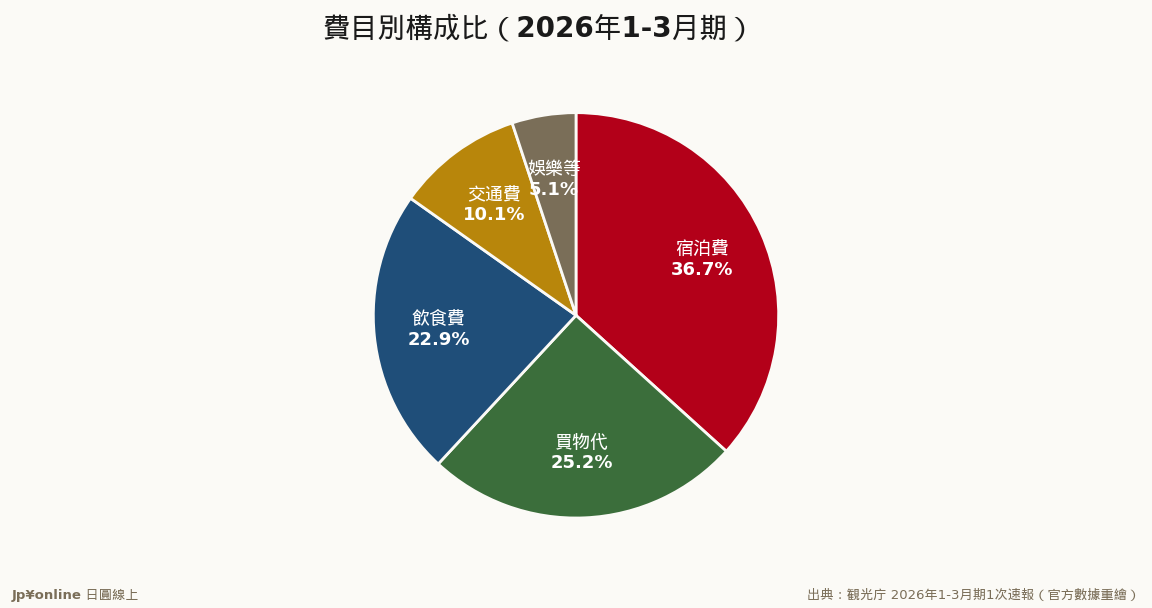
- Cost breakdown: lodging 36.7% (largest), shopping 25.2%, dining 22.9%
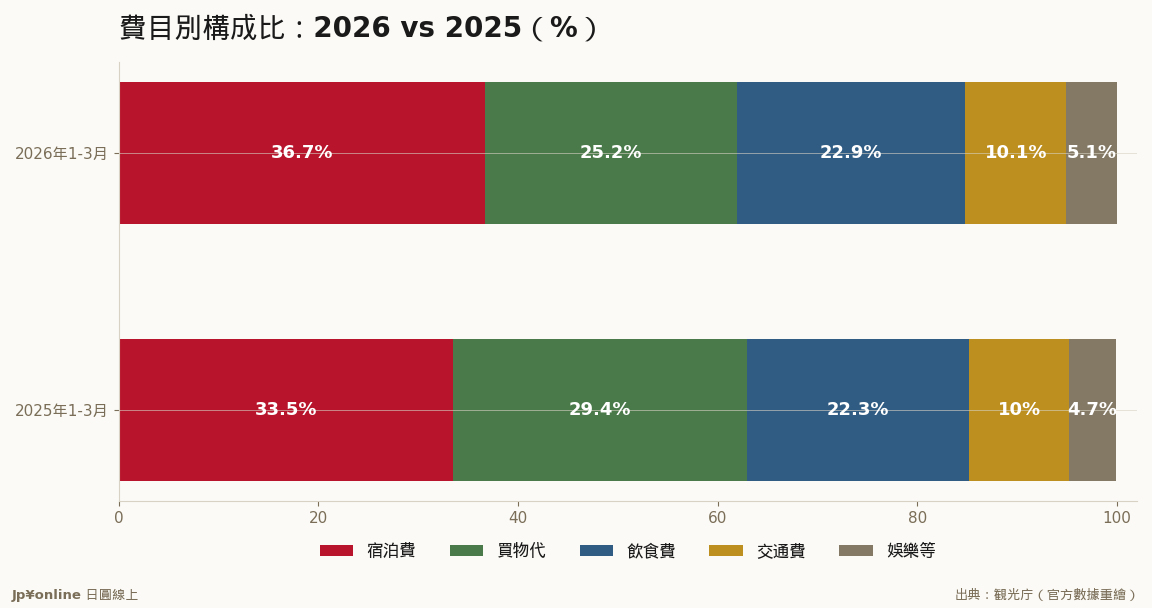
- Versus Q1 2025, every category's share rose except shopping
- The 'bakugai' (bulk-buying) era is structurally over; experience spending takes over
- Per-capita category leaders: lodging=Vietnam, dining=Spain, transport=Germany, entertainment=Australia, shopping=Middle East
A decade after Japan coined 'bakugai' for Chinese bulk-buying, this report formally buries the era. The biggest line item in the inbound wallet is now sleep — and for investors that's better news than shopping ever was.
The profit center of Japan's tourism economy has moved from goods to time: visitors now spend the most not in duty-free aisles but on every night they stay. For hospitality investors this is a decade-scale tailwind.
The Q1 breakdown: lodging 36.7%, shopping 25.2%, dining 22.9%. Against a year earlier, every category rose except shopping — and that decline has run for multiple quarters, merely accelerated this time by the Chinese daigou (resale shopper) exit. Repeat visitors buy fewer souvenirs and book better hotels; Japanese statisticians call it the shift from mono (things) to koto (experiences) consumption, and this report is its official certification.
The per-capita category leaders sketch a treasure map: Vietnamese guests pay the most for lodging, Spaniards for dining, Australians for entertainment, Middle Eastern visitors for shopping. Those are the named targets for premium operators.
Practical takeaways: for property investors, this is official backing for hotels and licensed minpaku over street-level retail; for resale-driven e-commerce, the water level is receding — pivot toward booking experiences rather than shipping goods.