SUUMO's Most Desirable Towns 2026: Behind Yokohama's 9th Straight Win, the Real Signal Is Omiya
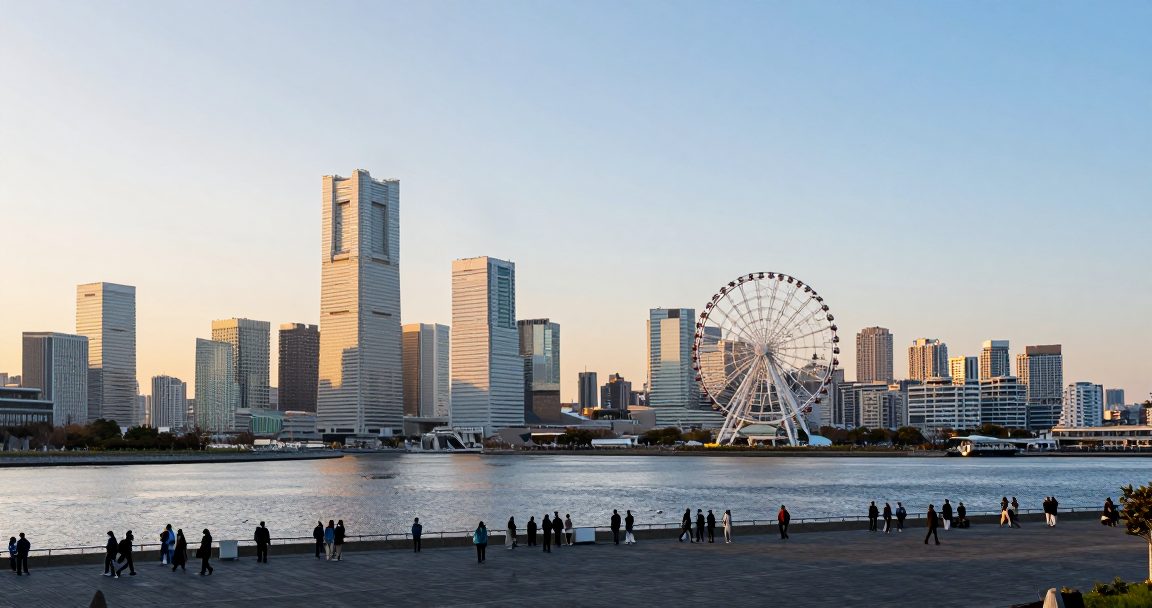
- Yokohama wins for a 9th straight year; the top 6 are unchanged from 2025 (Recruit survey of 9,000 residents)
- Biggest point gainer: Takanawa Gateway (+65), the new Yamanote-line redevelopment
- Omiya holds No. 2 for a third year — Saitama upgraded from bedroom suburb to gravity node
- Cross-reads perfectly with the migration report: spillover towns are rising
The value of a ranking isn't the winner — it's the stillness. When the top six don't move for two years, the message to investors is that brand premiums are locked in, and the money is in towns about to enter the list.
This ranking has graduated from popularity poll to leading indicator of asset prices. The 2026 edition hides its signals in three places: the stillness of the list, Omiya's grip on No. 2, and Takanawa Gateway's +65-point surge.
The survey: Recruit asks 9,000 Tokyo-area residents aged 20-49 which station area they'd most like to live in. It measures aspiration — which becomes purchase decisions three to five years later.
Signal one: the top six haven't moved in two years. Locked-in brands mean locked-in premiums; you buy those towns for resilience and liquidity, not excess returns. Signal two: Omiya, a Saitama station, outranks Kichijoji and Ebisu for a third year — the 'node city' logic of six shinkansen lines and half-of-central-Tokyo prices, perfectly cross-validated by the migration report's spillover data. Signal three: Takanawa Gateway, the Yamanote line's first new station in 50 years, posted the biggest point gain; aspiration usually reprices property a year or two later.
The three-line playbook: top-six towns = safety, not alpha; node cities like Omiya and Funabashi = double tailwind; Takanawa Gateway = the un-priced name, for those who can stomach redevelopment timelines.