Tokyo Soba Nine 2026: From 1789 Shogun-Grade Sarashina to ¥500 Standing Bars
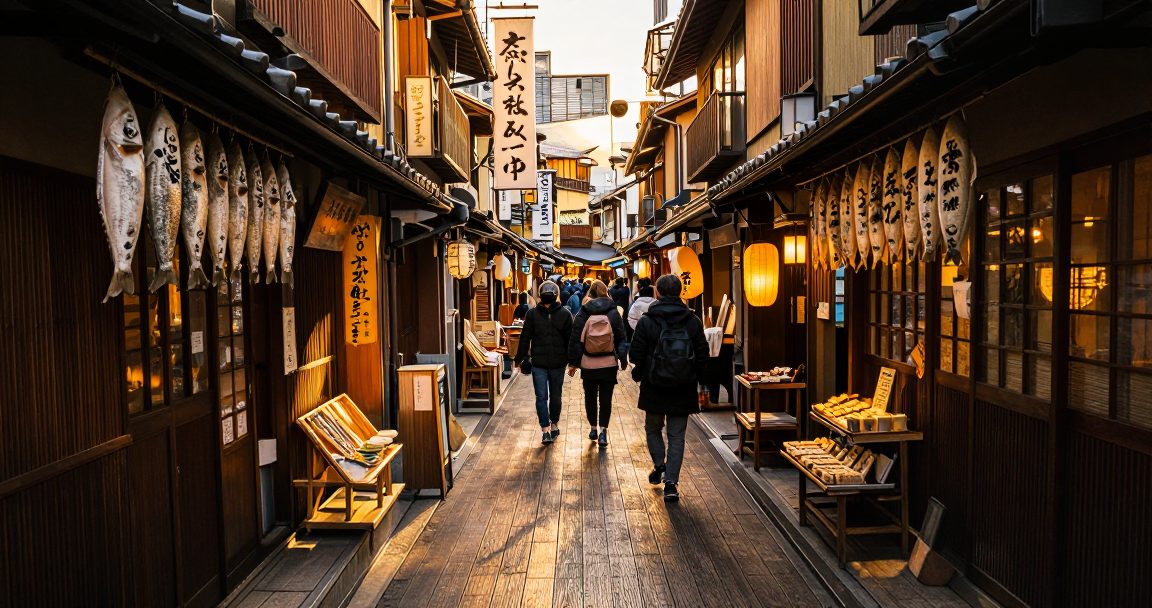
- Three Edo lineages explained: Yabu (sharp sauce, dip sparingly), Sarashina (pure-white core-milled noodles), Sunaba (birthplace of tenzaru) — most within walking distance from Kanda to Nihonbashi
- Ordering basics: mori/zaru/seiro are all cold dipping soba; finish with sobayu poured into the sauce; an afternoon sobamae (sake and small plates before noodles) is the full Edo ritual
- Nine picks in three tiers: five shinise founded 1789-1913, two Michelin-recognized modern shops (Tamawarai, Soba Osame), and two legendary standing bars under ¥800
Soba is the backbone of Edo dining culture. Three historic lineages still define Tokyo's noodle map: Yabu with its sharp, salty dipping sauce; Sarashina, whose pure-white noodles milled from the buckwheat core once graced the shogun's table; and Sunaba, the lineage that invented tenzaru — cold soba with tempura. For visitors the real barrier is ordering, not budget: mori, zaru and seiro are all cold noodles with dipping sauce, differing only in garnish and vessel. Taste a few strands plain first, dip only the lower third, and finish by pouring the hot sobayu cooking water into your leftover sauce. This guide covers nine shops in three tiers: five Edo-era institutions from 1789 onward, two Michelin-recognized modern masters, and two standing bars where a full meal costs around ¥500 — the true everyday taste of Tokyo.
 Scan for map
 Scan for map
 Scan for map
 Scan for map
 Scan for map
 Scan for map
 Scan for map
 Scan for map
 Scan for map