Tokyo Udon 2026: Nine Bowls From 480-Yen Standing Counters to a Kengo Kuma Stone Warehouse
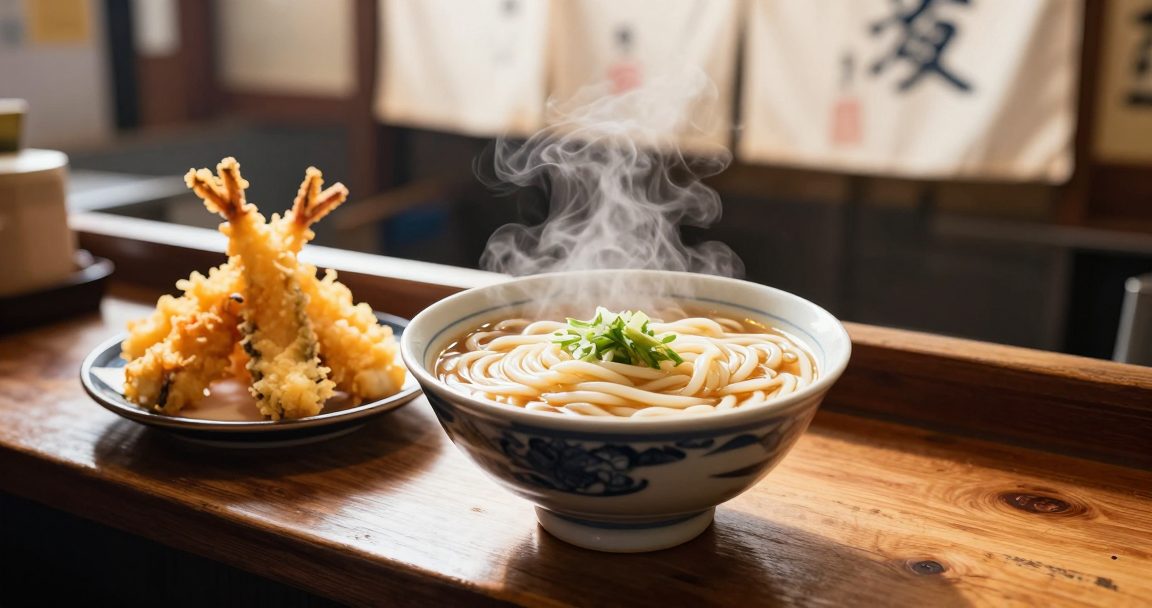
- Three Tokyo udon schools at a glance: hard-chew Sanuki, silky Akita Inaniwa, and rugged pork-broth Musashino — all inside the Yamanote loop.
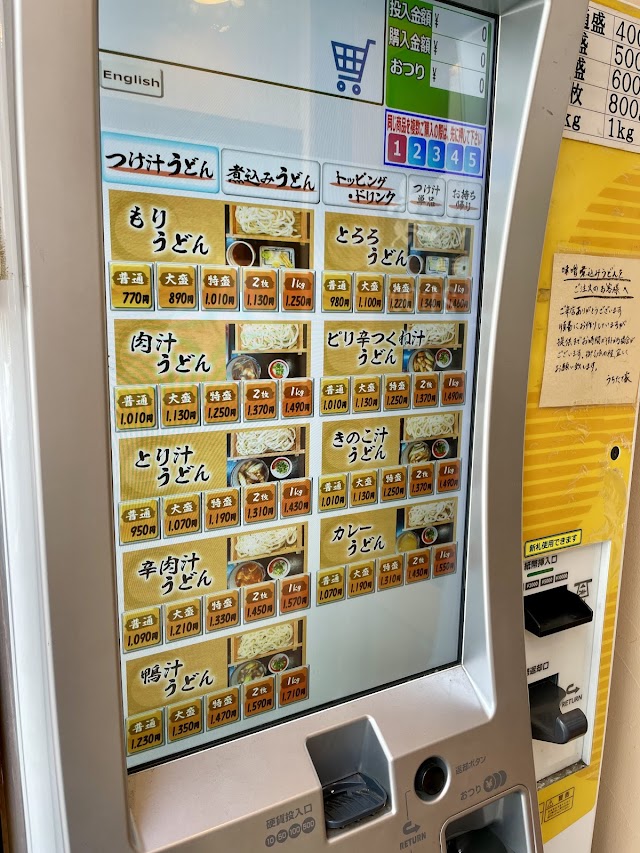
- Huge price spread: a Gotanda standing Sanuki bowl from about 330 yen up to 1,400+ for a Ginza Inaniwa set; choose by budget and occasion.
- Three ordering tips: order cold ('hiya') in summer for chew; always add tori-ten/chikuwa-ten at Sanuki shops; tell noodle-factory (fast) from izakaya (sit-down) formats.
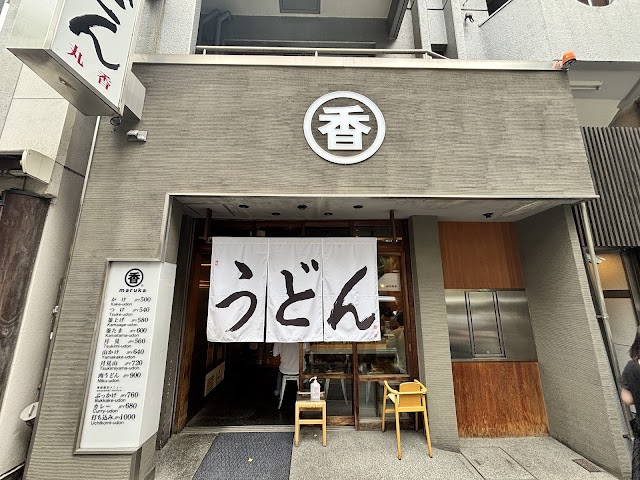
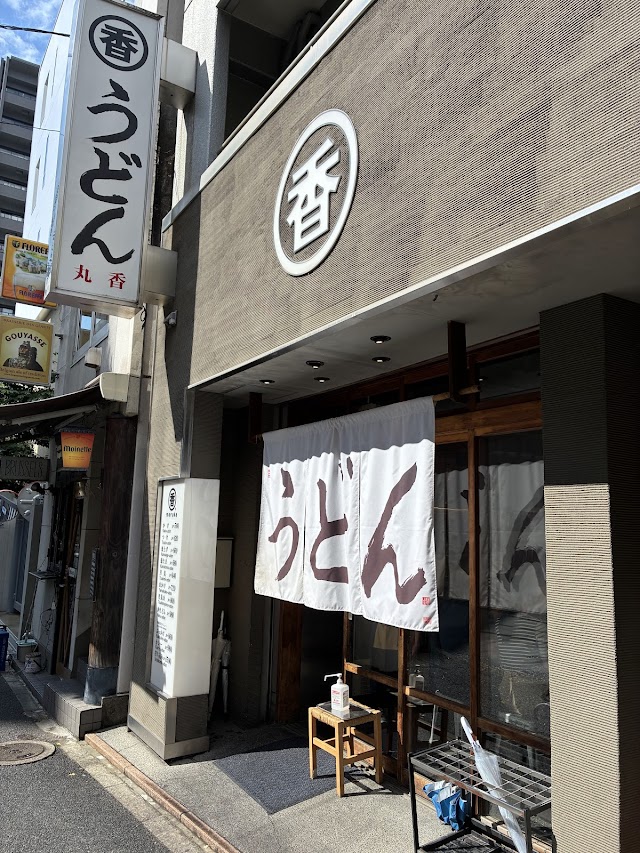
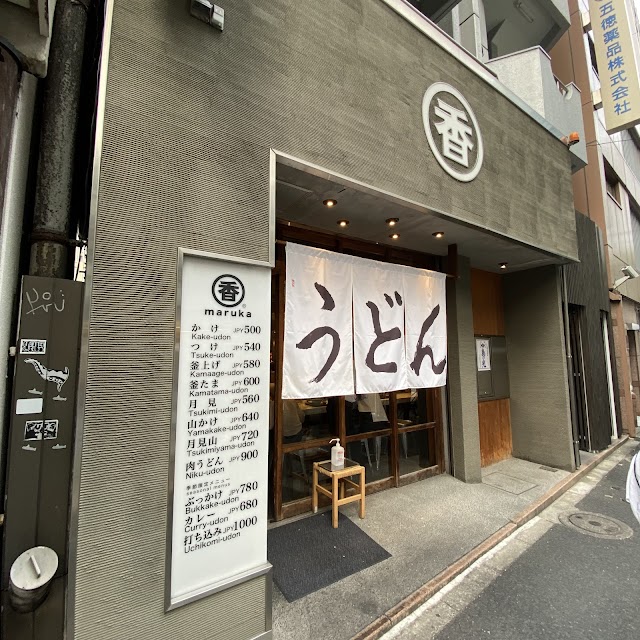
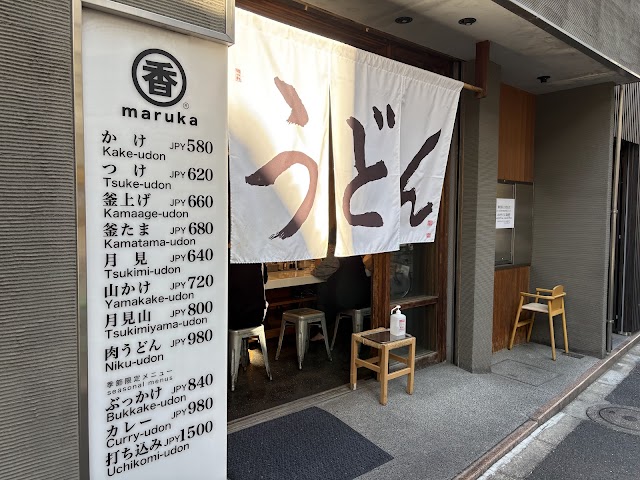
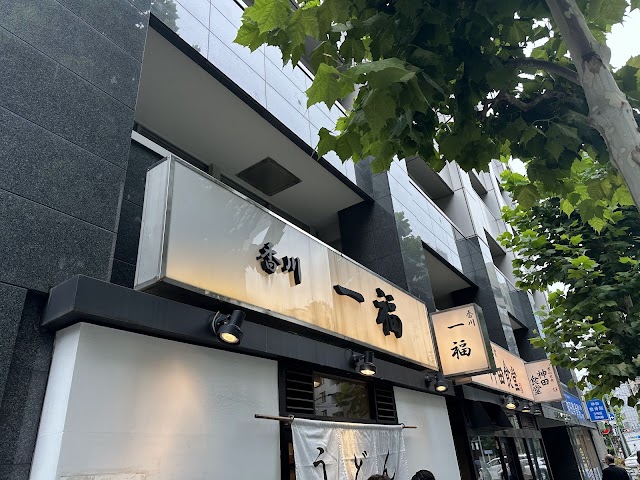
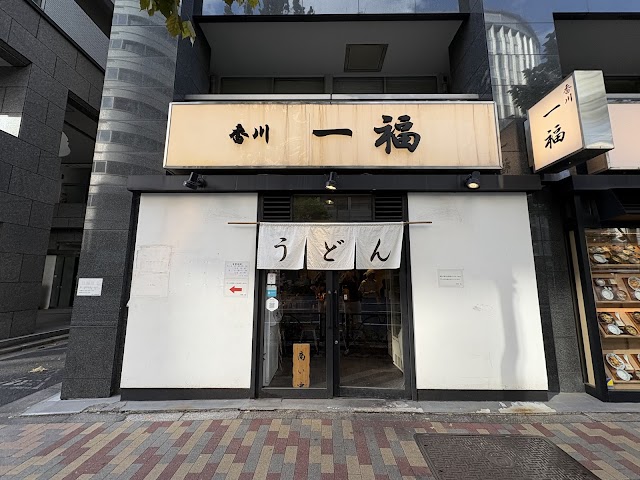
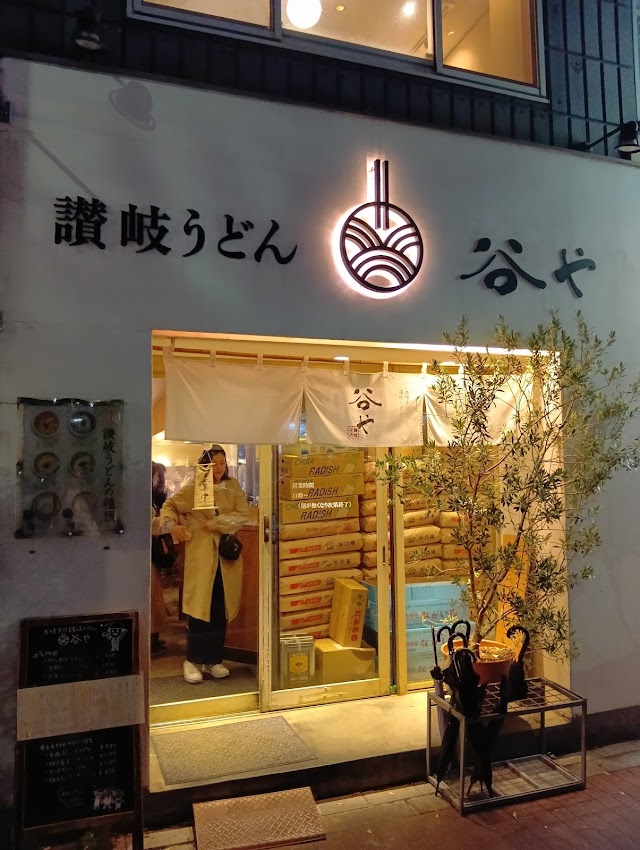
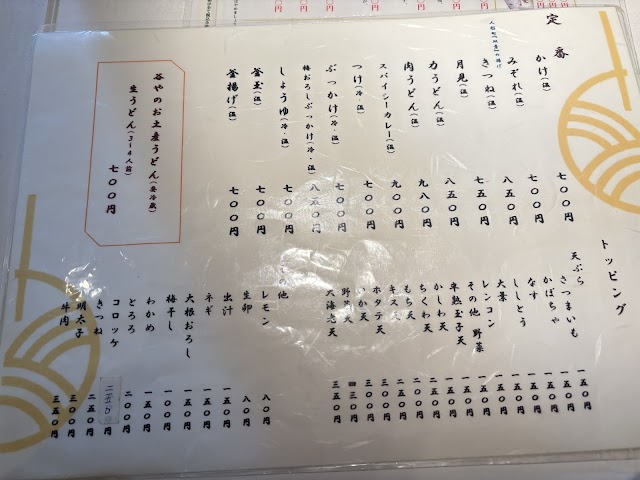
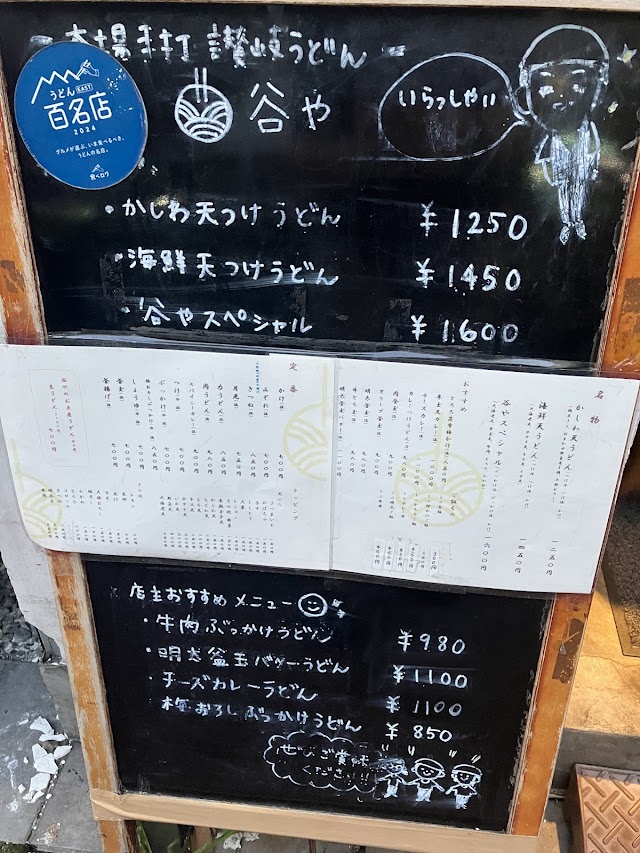
- Hyakumeiten and Michelin endorsements cluster around Jimbocho-Kanda: Maruka, Kagawa Ippuku and Taniya are the Sanuki trio.
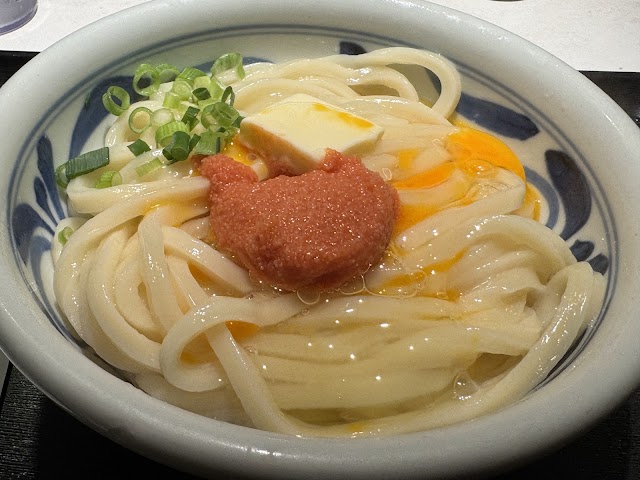
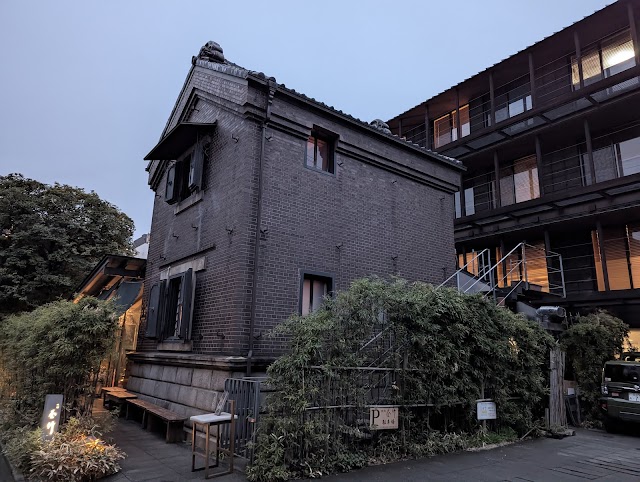
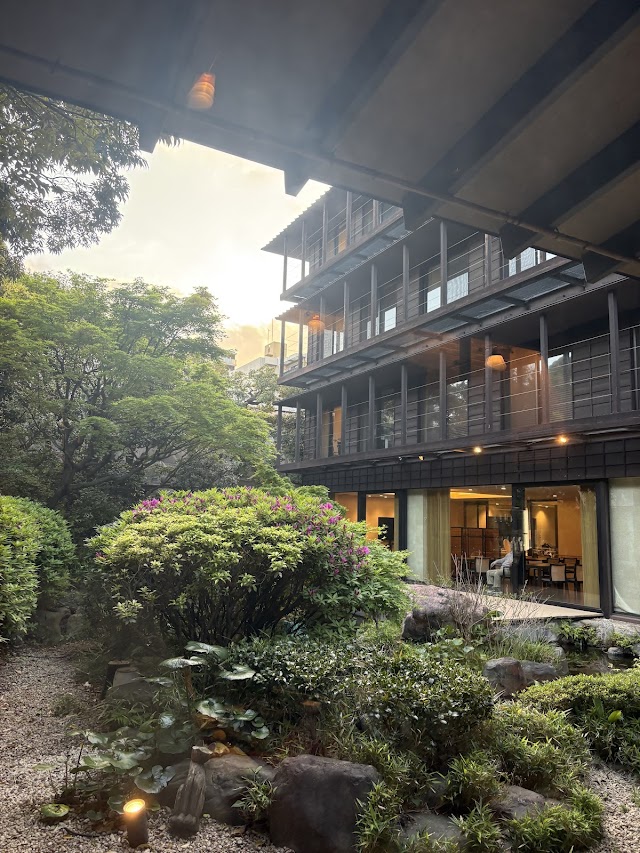
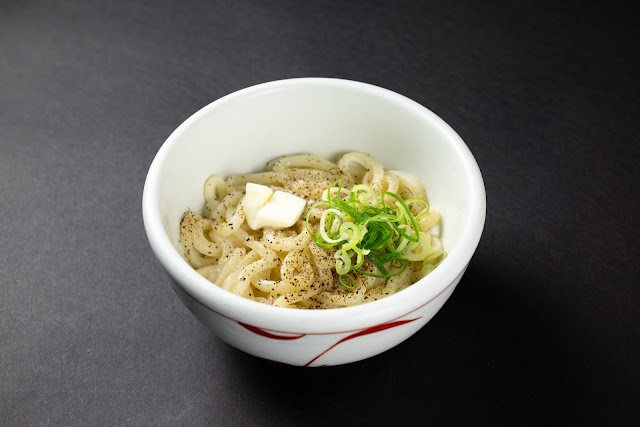
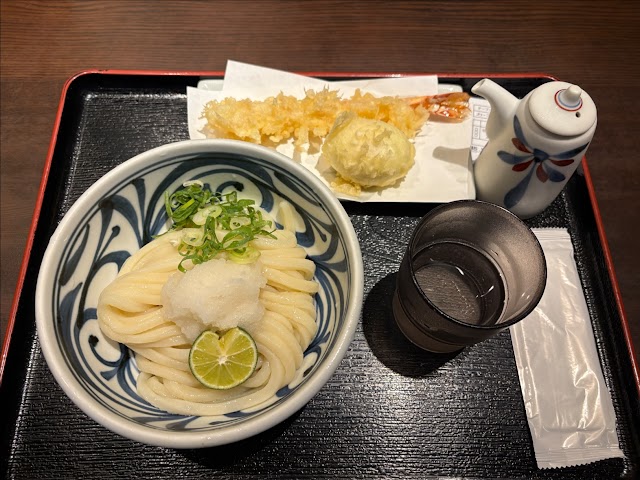
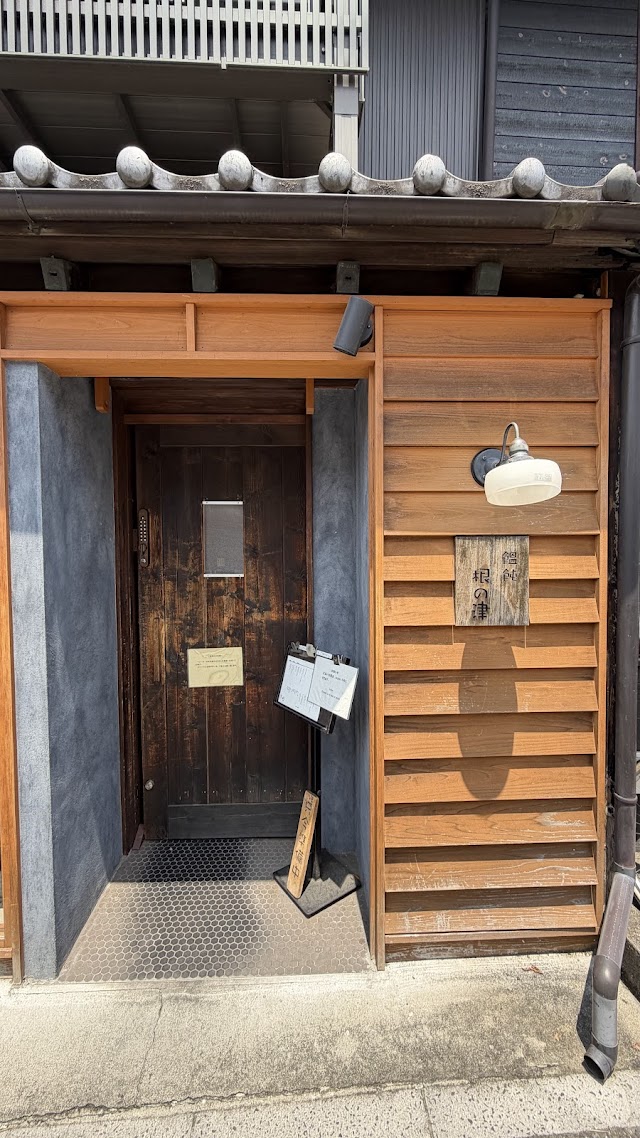
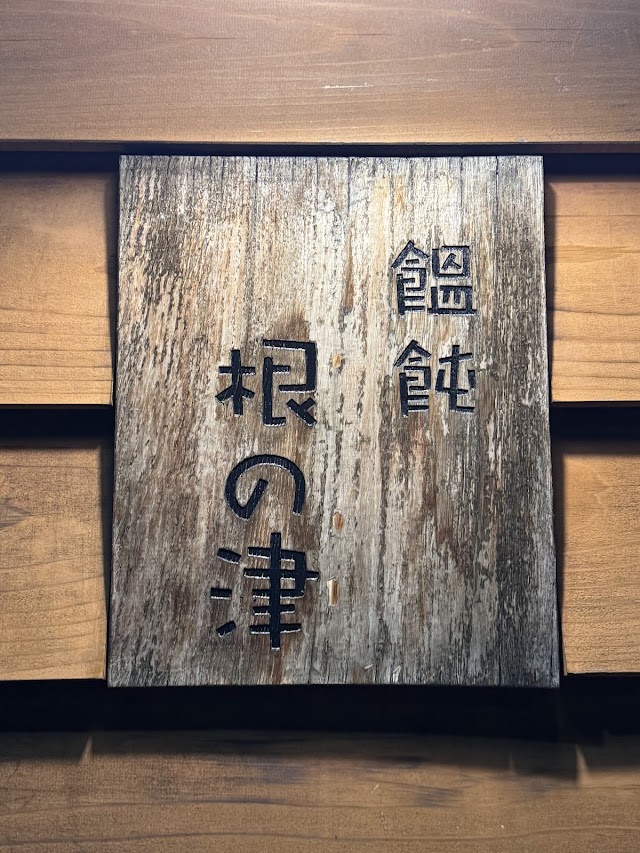
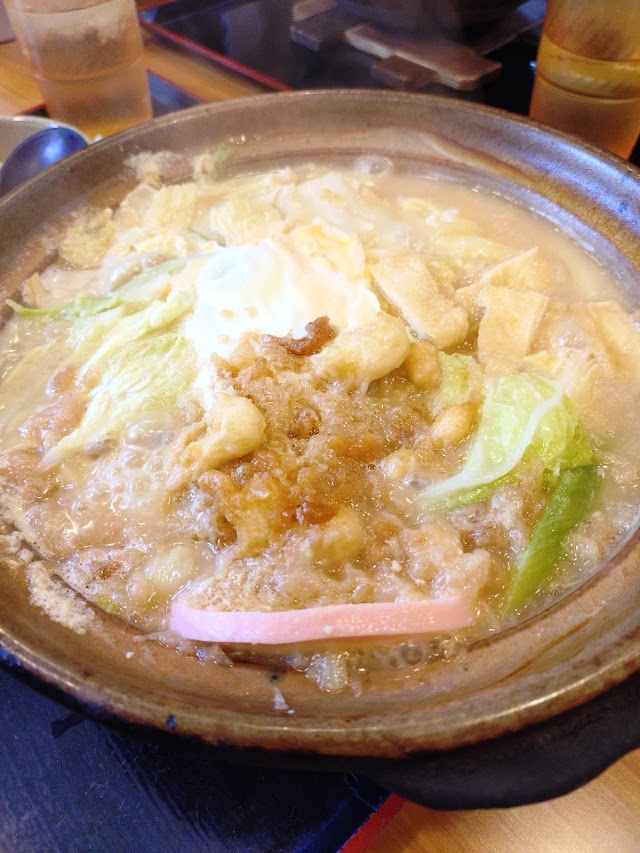
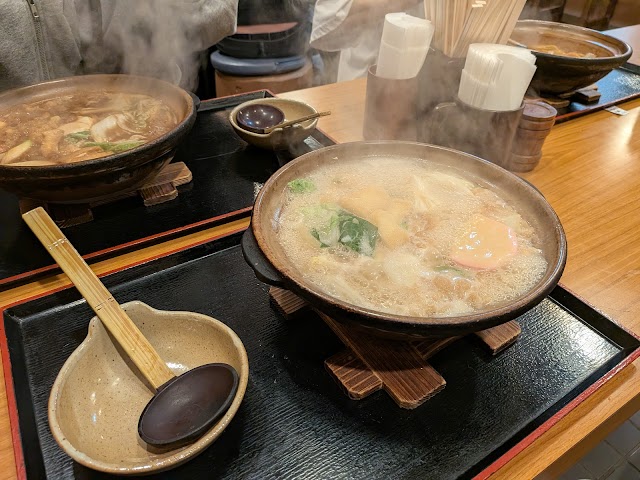
- On one Nezu street, Kamachiku (Kengo Kuma stone-warehouse kama-age) and Neno-tsu (kama-mentai-butter) form a two-shop showdown you can do in one outing.
- All nine shops auto-link Google's official phone, hours, closures and photos tomorrow — re-check before you go.
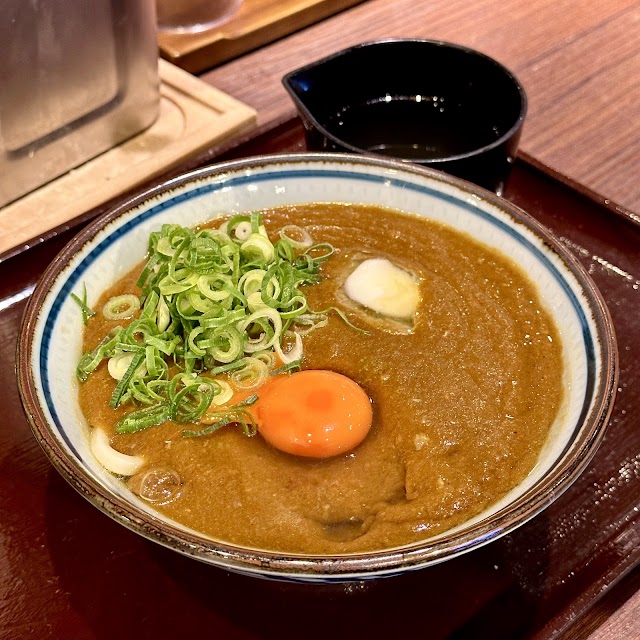
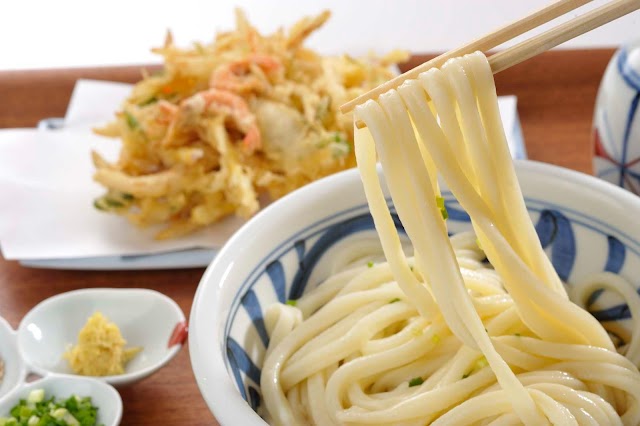
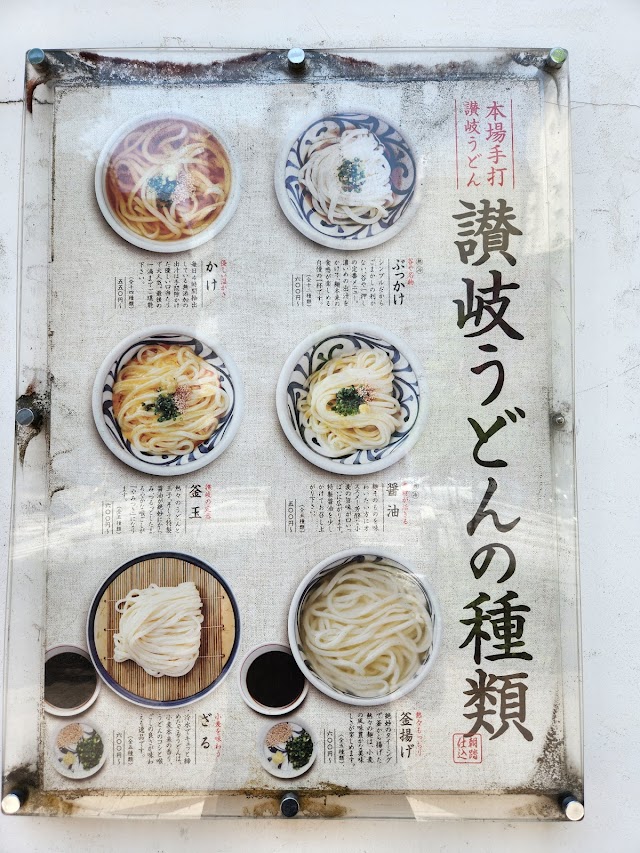
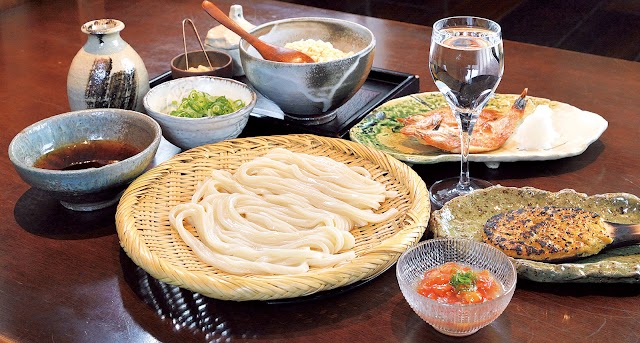
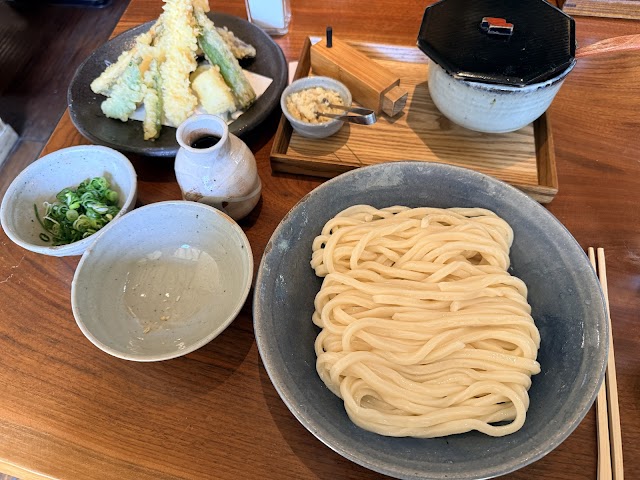
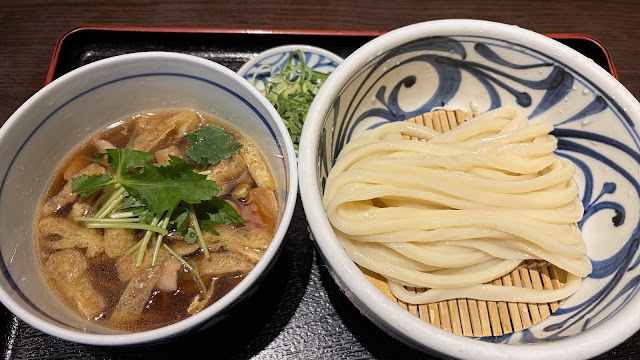
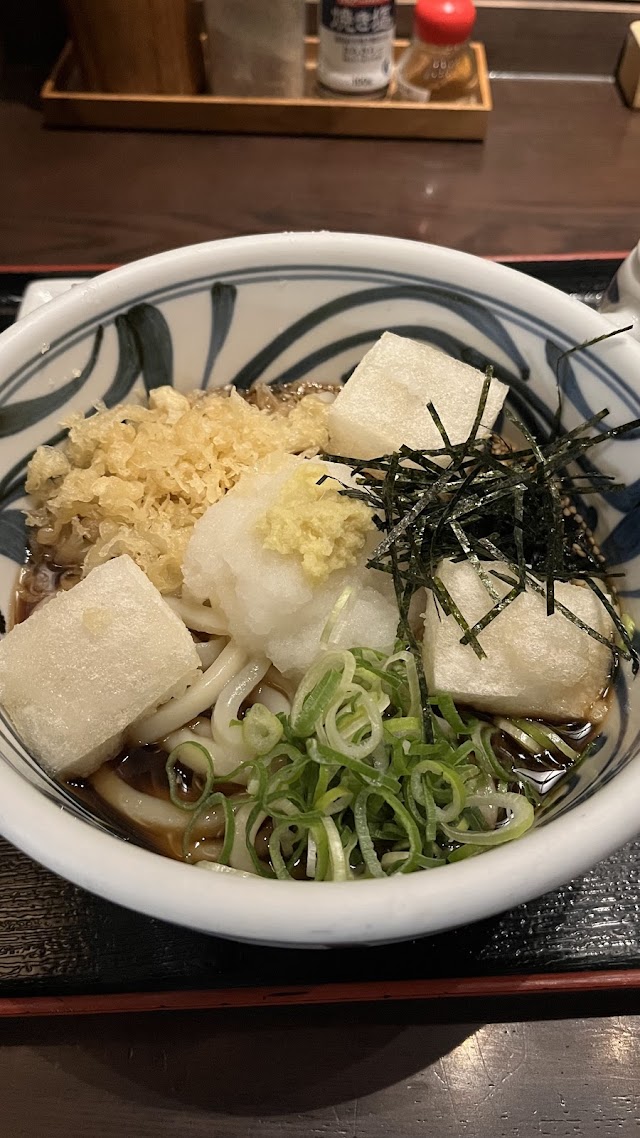
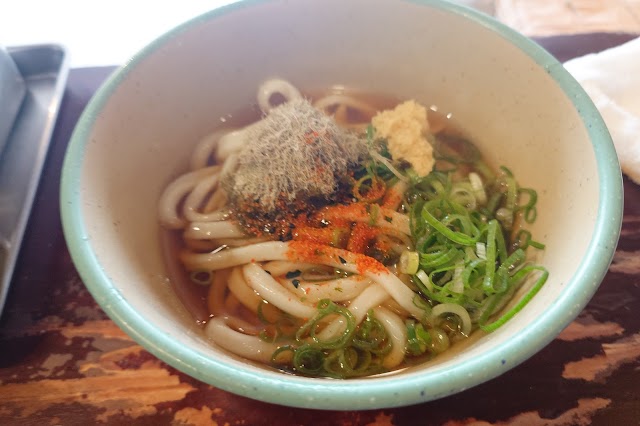
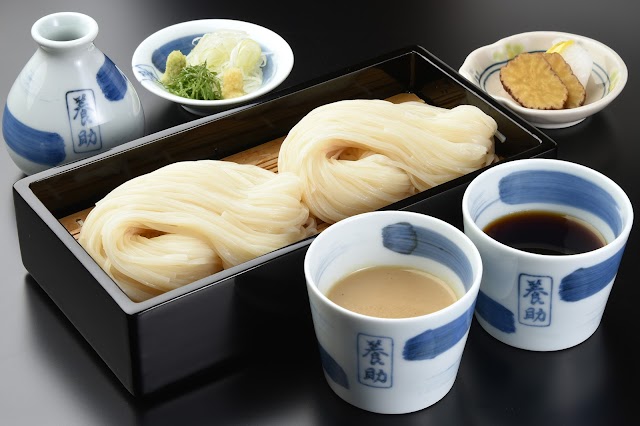
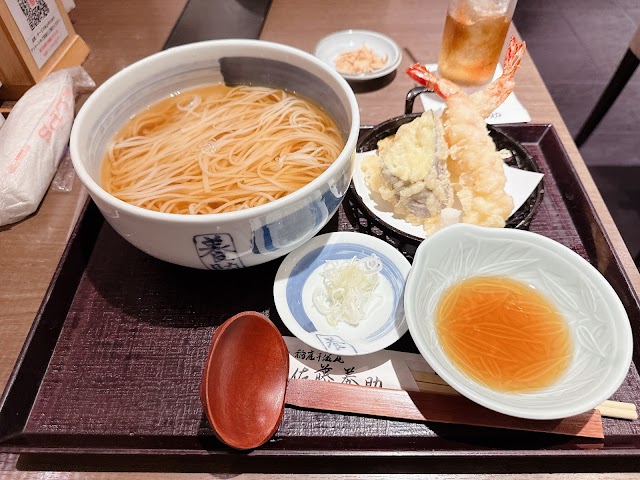
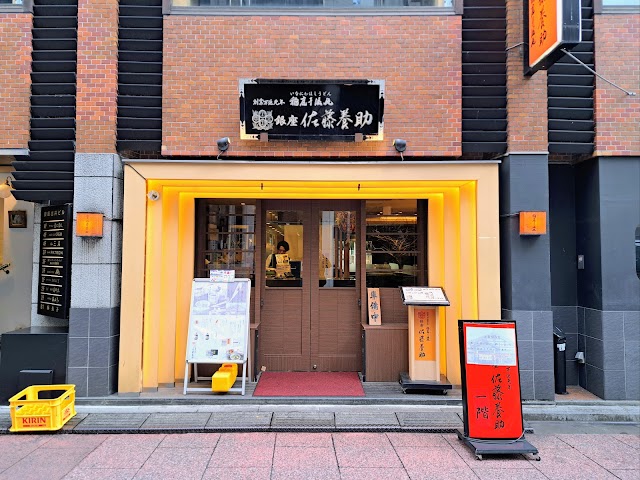
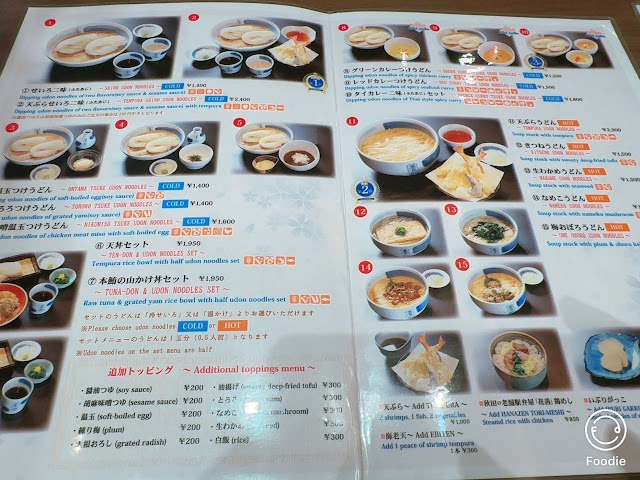
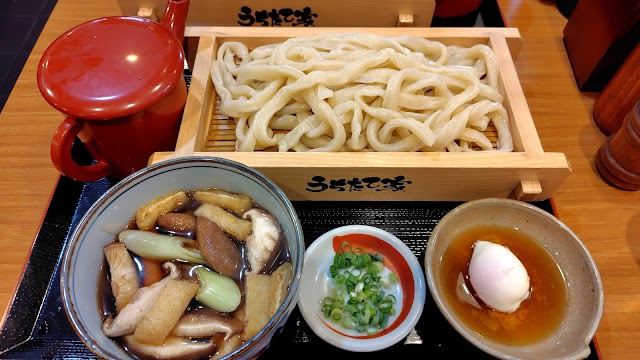
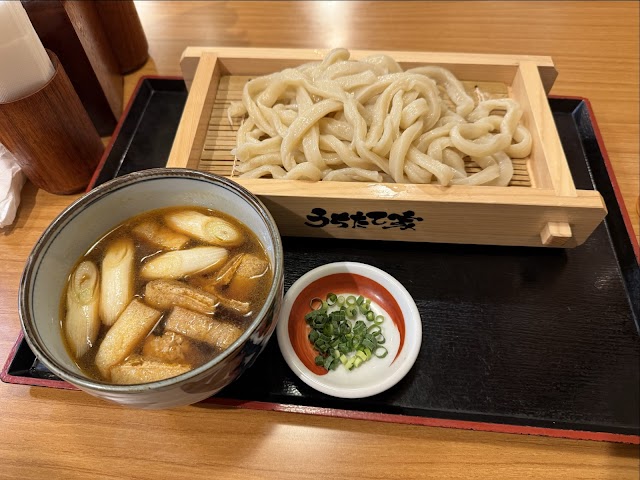
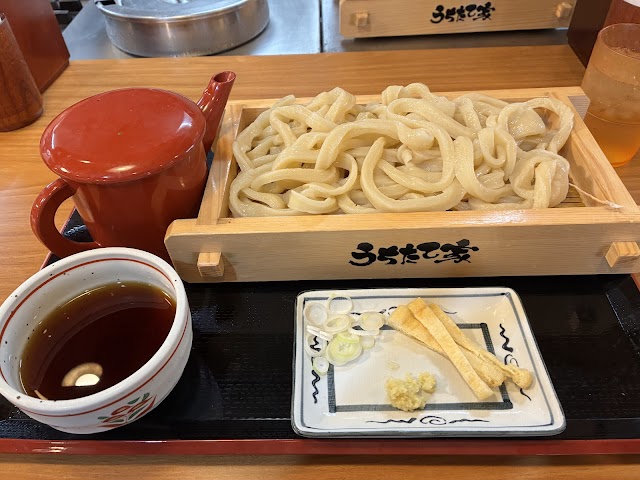
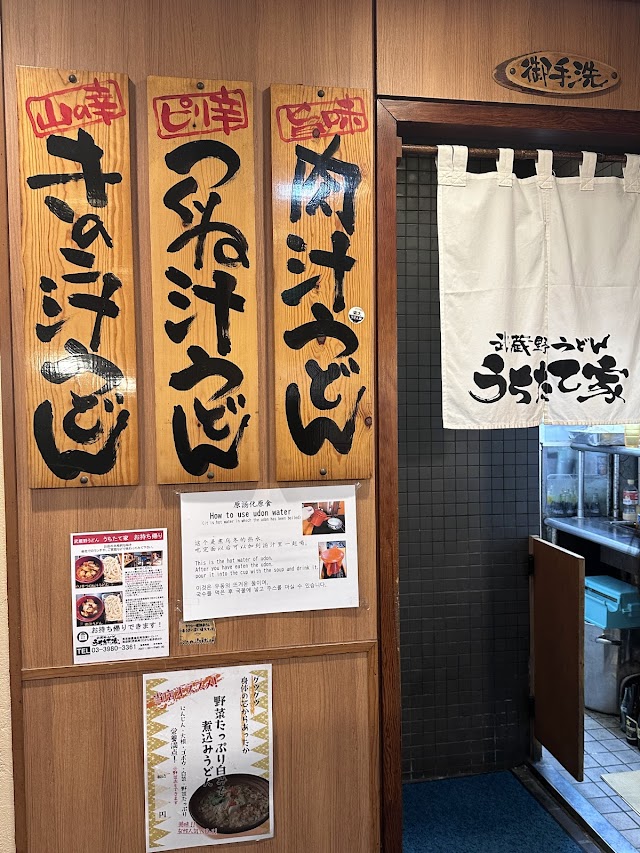
Ramen hogs the spotlight in Tokyo, and udon is the dish Taiwanese travellers most often skip — most people's mental image is the limp, watery bowl at an airport food court, so they write it off for the whole trip. That is a mistake. Tokyo is a microcosm of Japanese udon: the Sanuki school transplants Kagawa's hard-edged 'koshi' (springy chew), the Akita Inaniwa school takes the opposite path with thin, flat, silky strands, and the Musashino school from the Tama-Saitama borderlands rolls its noodles thick and rugged, eaten dipped in a strong pork broth. All three live inside the Yamanote loop, and the price spread is wild: a standing bowl of Sanuki kama-tama runs about 330 yen, while a set at a Ginza Inaniwa house tops 1,000.
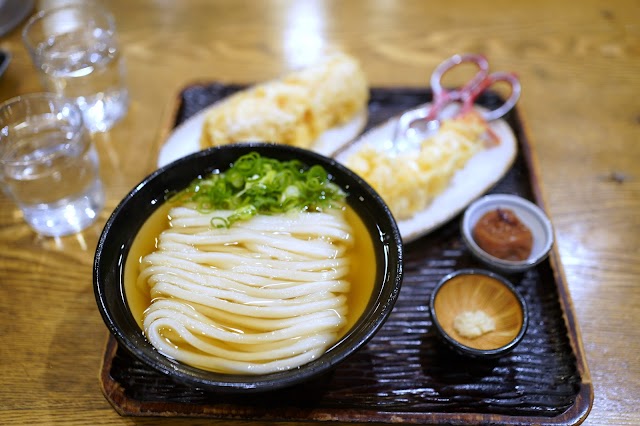
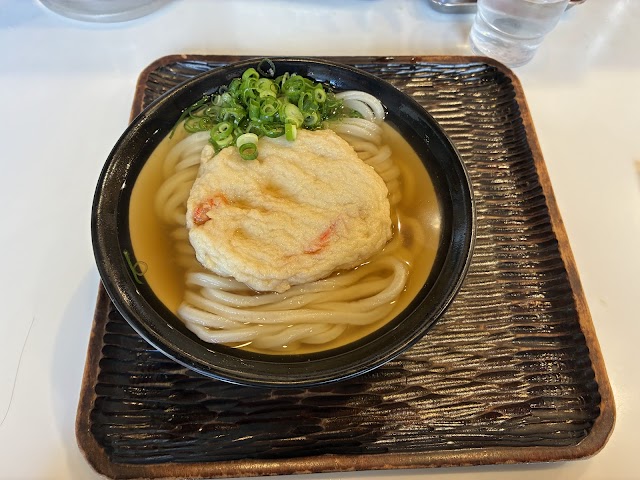
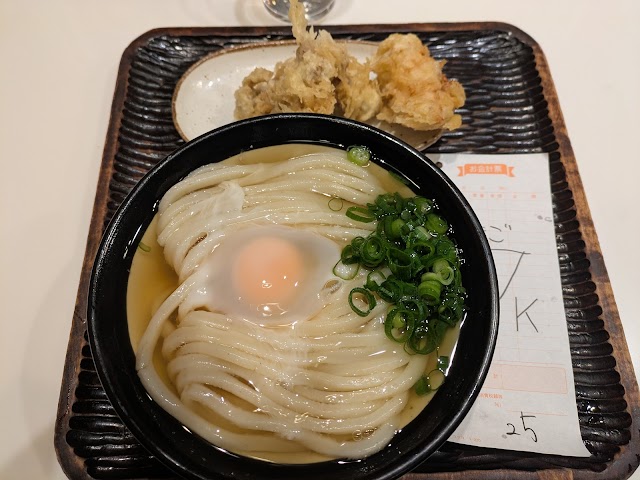
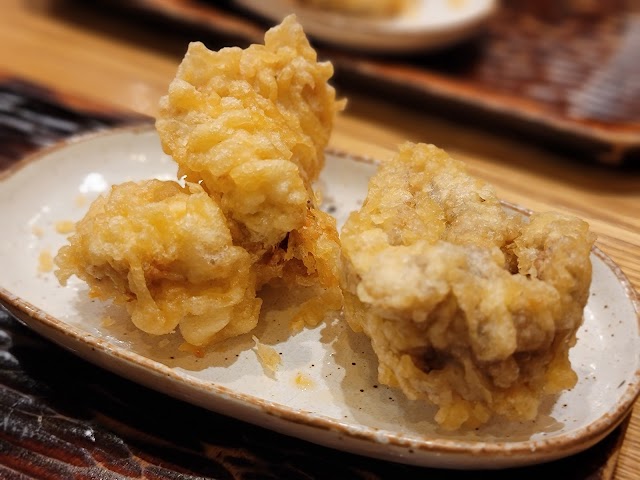
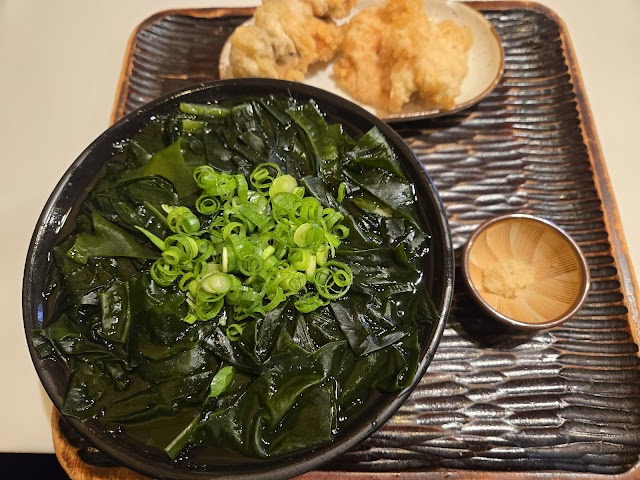
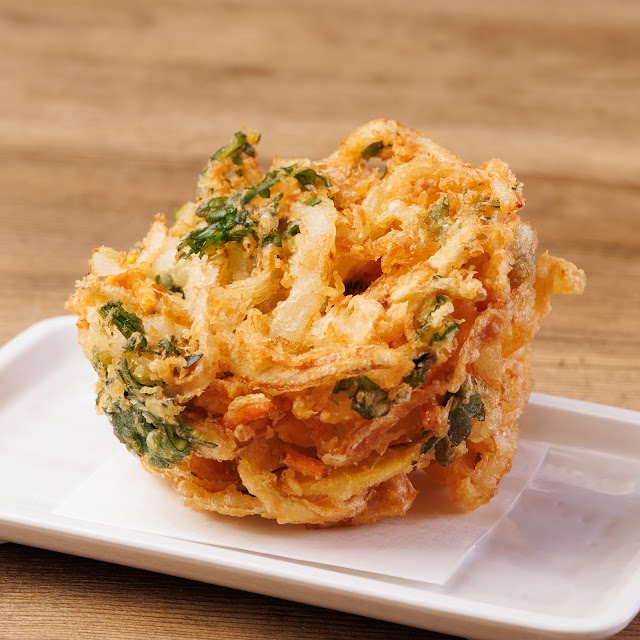
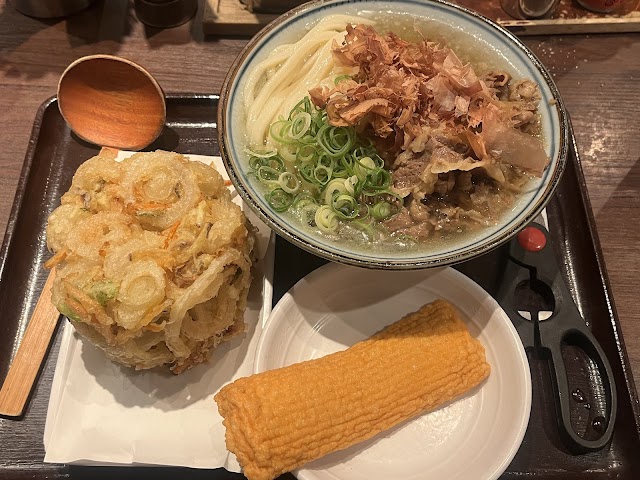
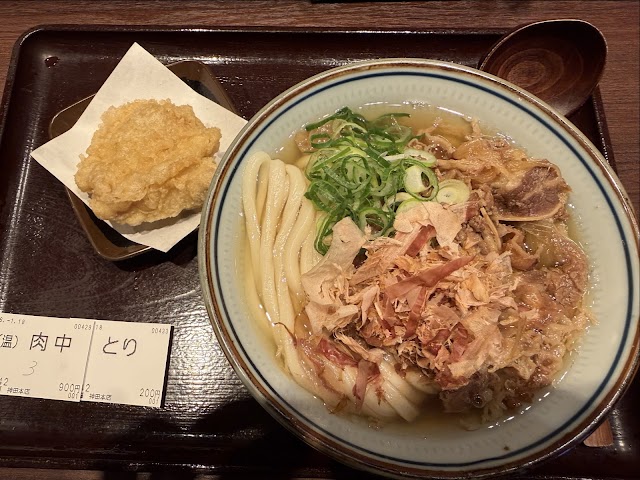
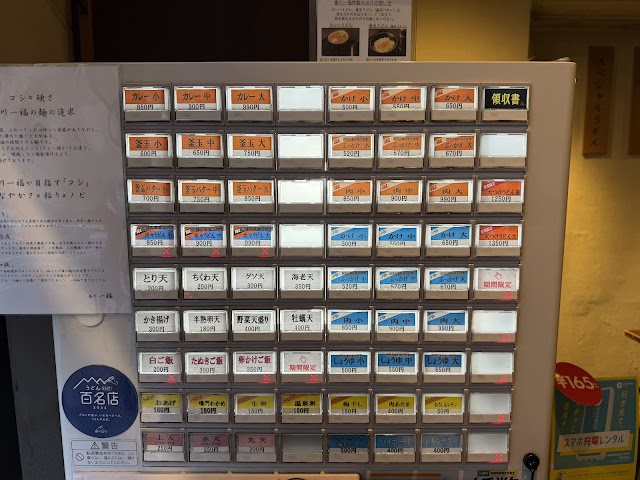
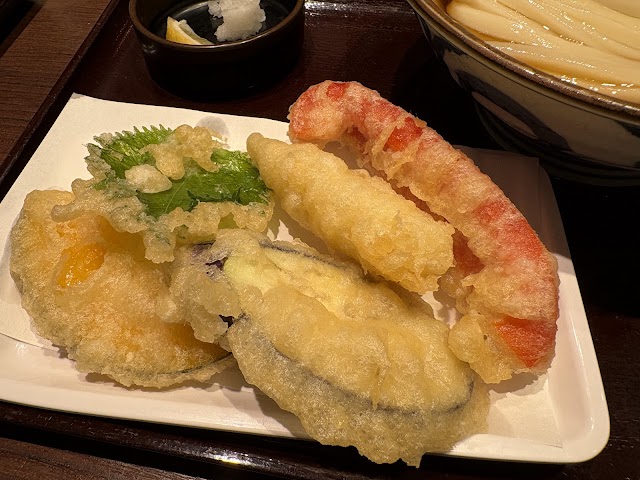
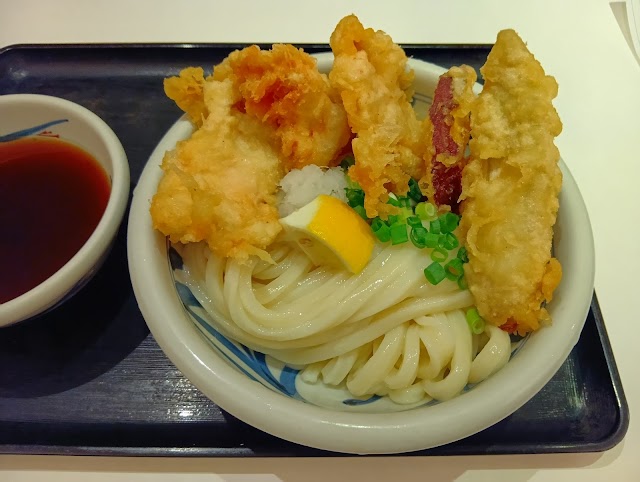
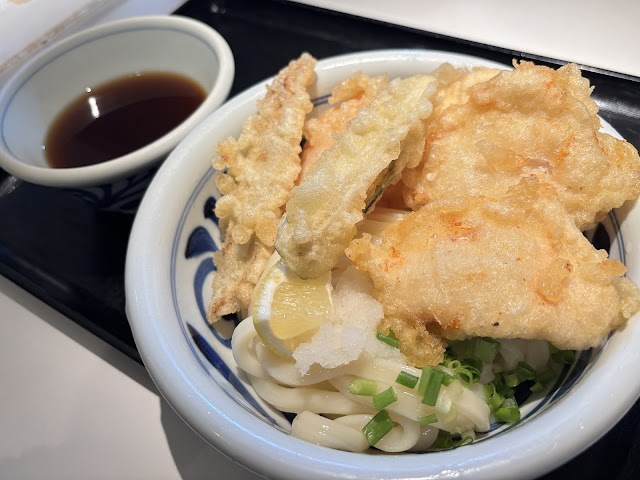
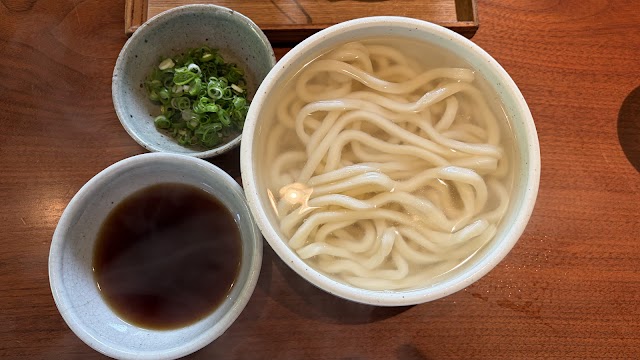
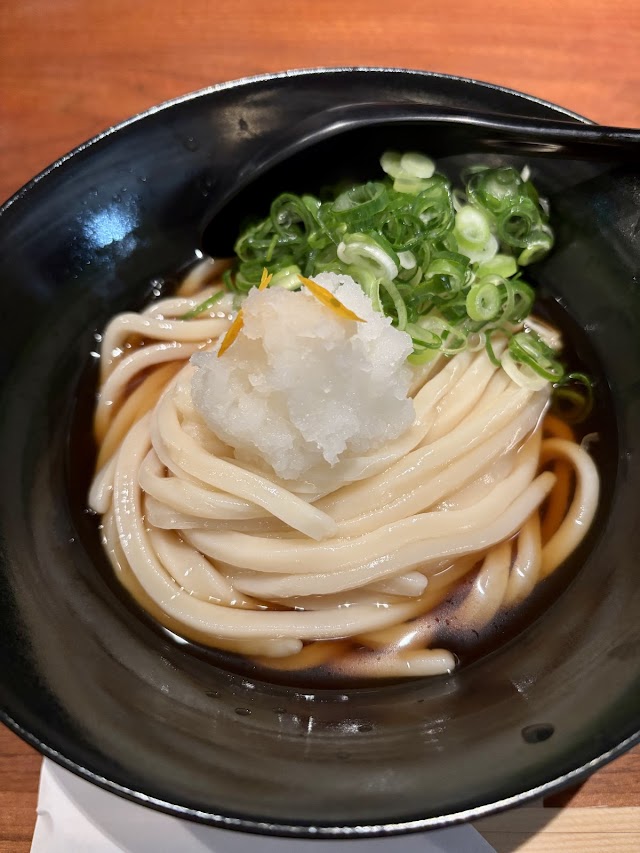
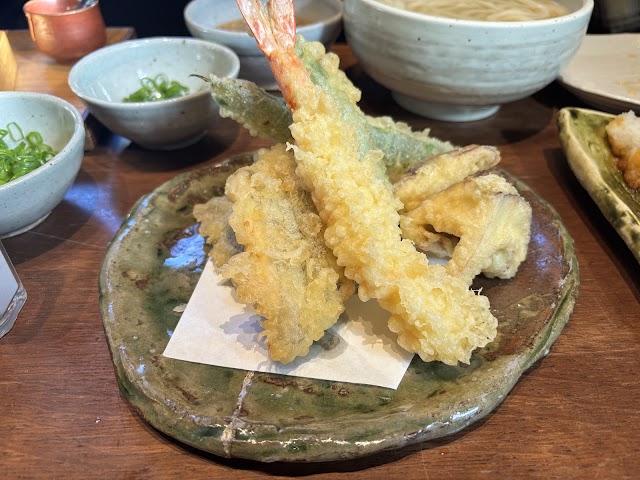
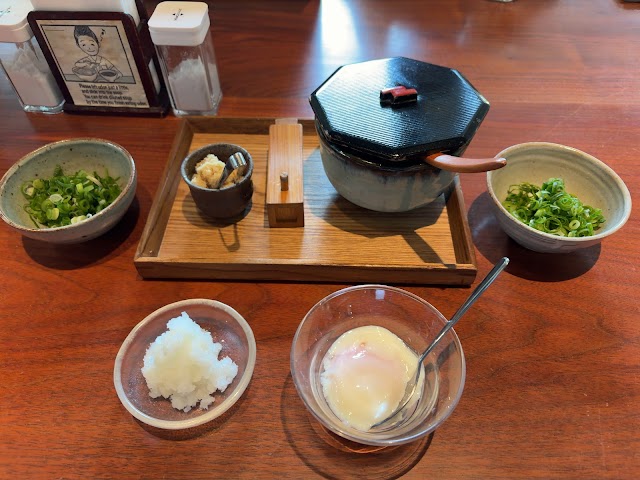
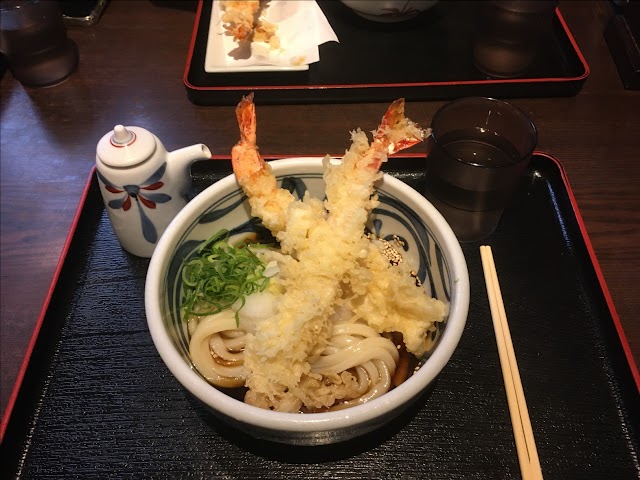
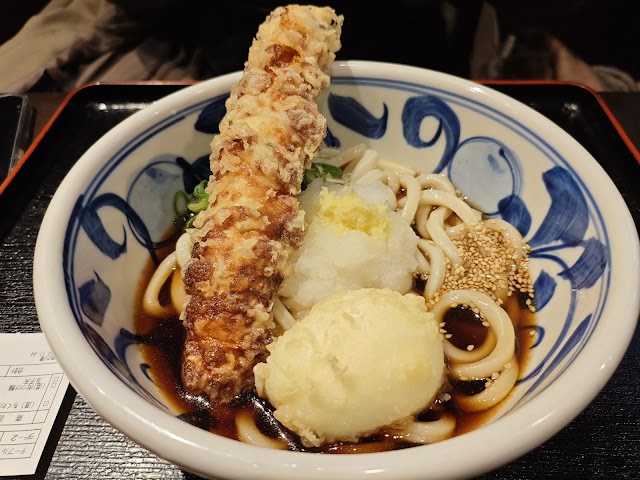
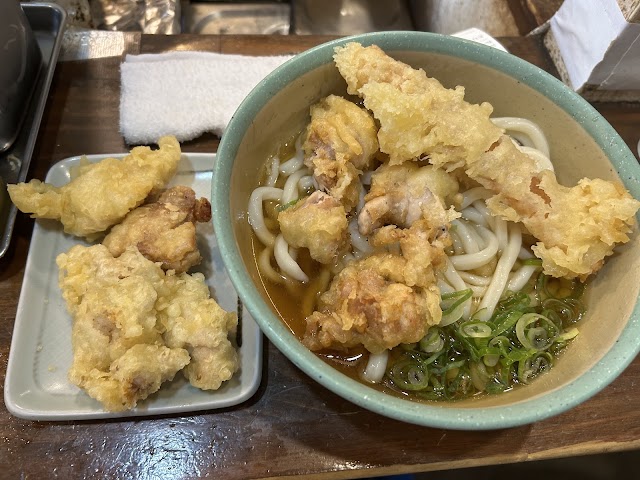
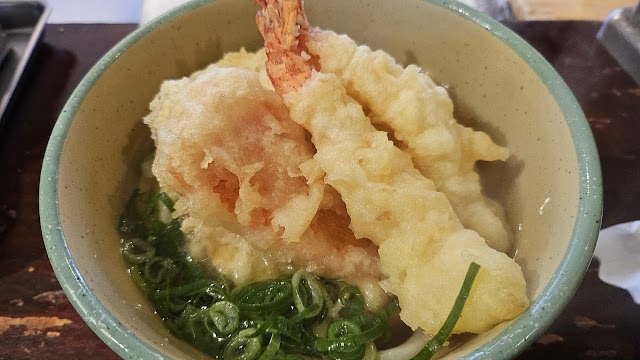
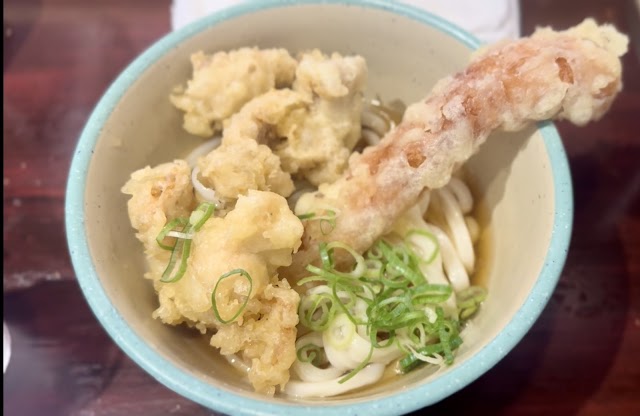
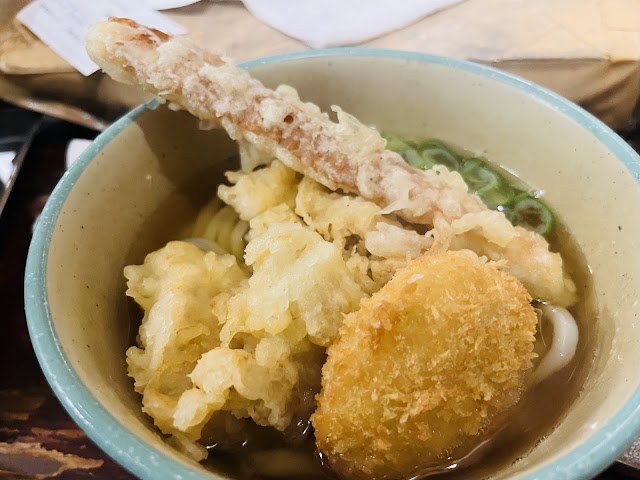
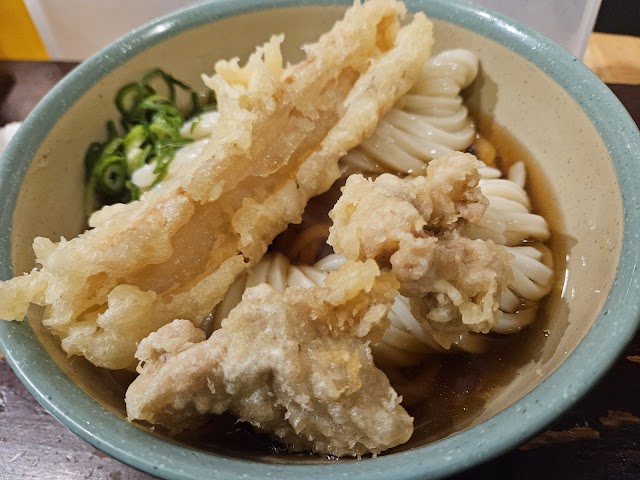
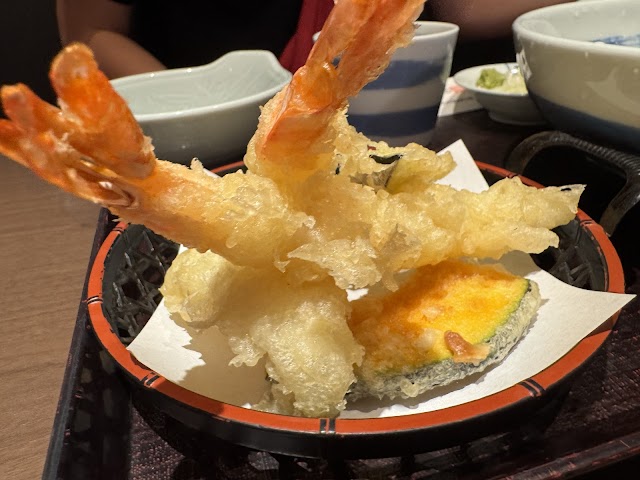
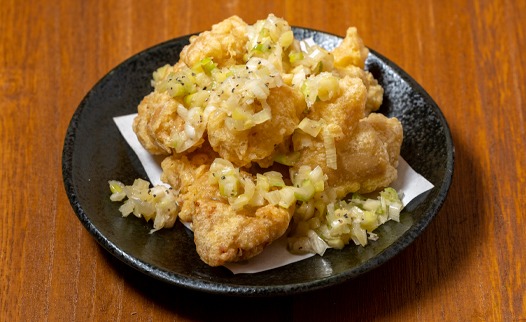
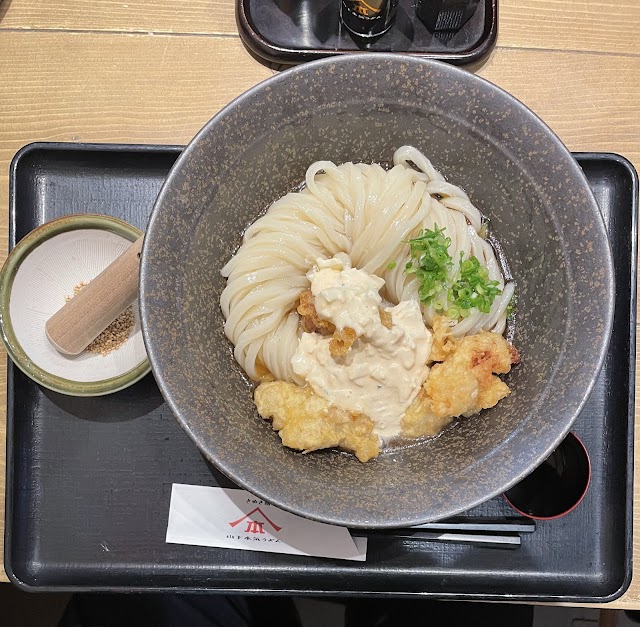
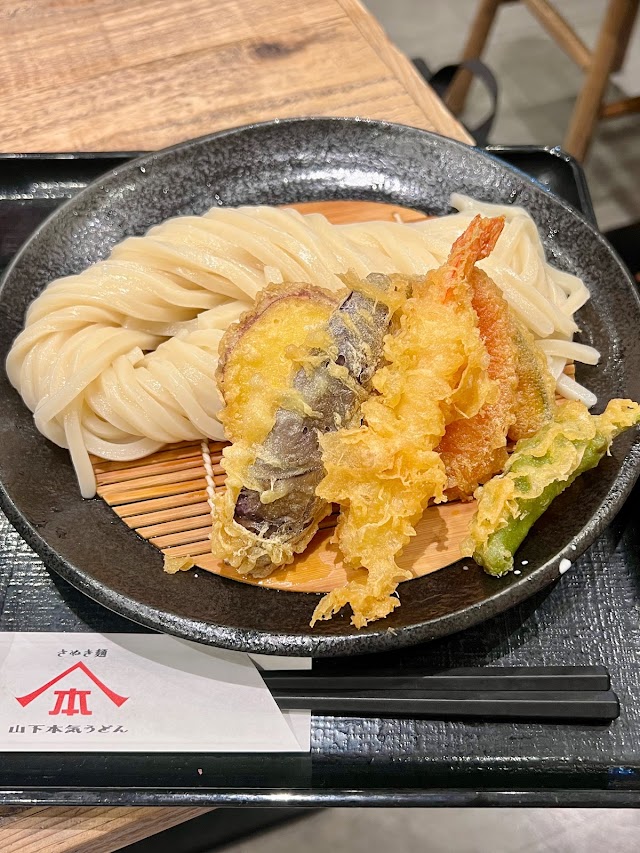
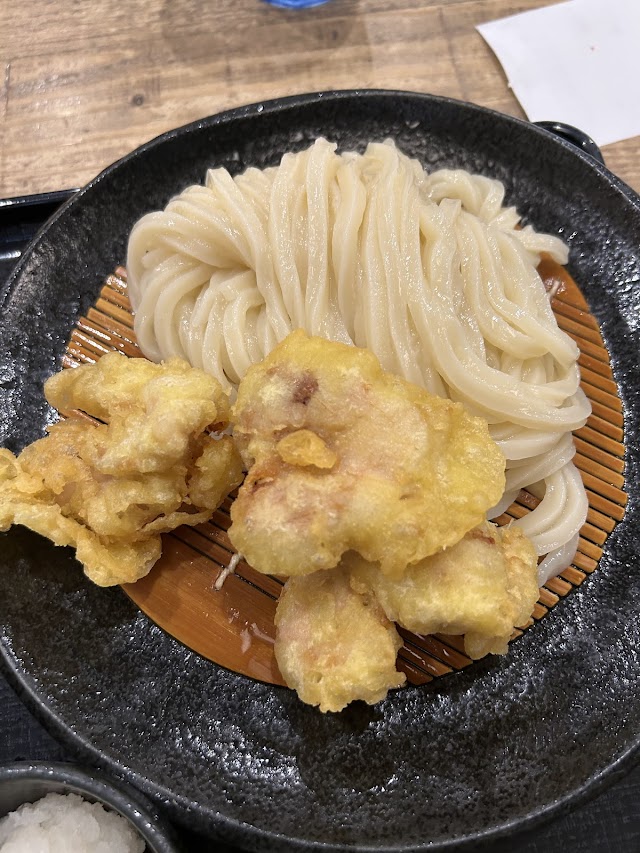
Three ordering tips save you from wrong turns. First, choose hot or cold — for maximum chew, order a cold 'hiya' bukkake or zaru in summer, since hot broth softens the koshi; pick 'kake' only when you want warmth. Second, learn the signature toppings: at Sanuki shops, chicken tempura (tori-ten) and fish-cake tempura (chikuwa-ten) are near-mandatory, fried to order so the broth tastes right. Third, tell the 'noodle-factory' format from the 'izakaya' format: the former (Maruka, Kagawa Ippuku) is fast self-service with rapid turnover, the latter (Taniya) lets you sit with tempura and a drink — better with parents or for a relaxed lunch.
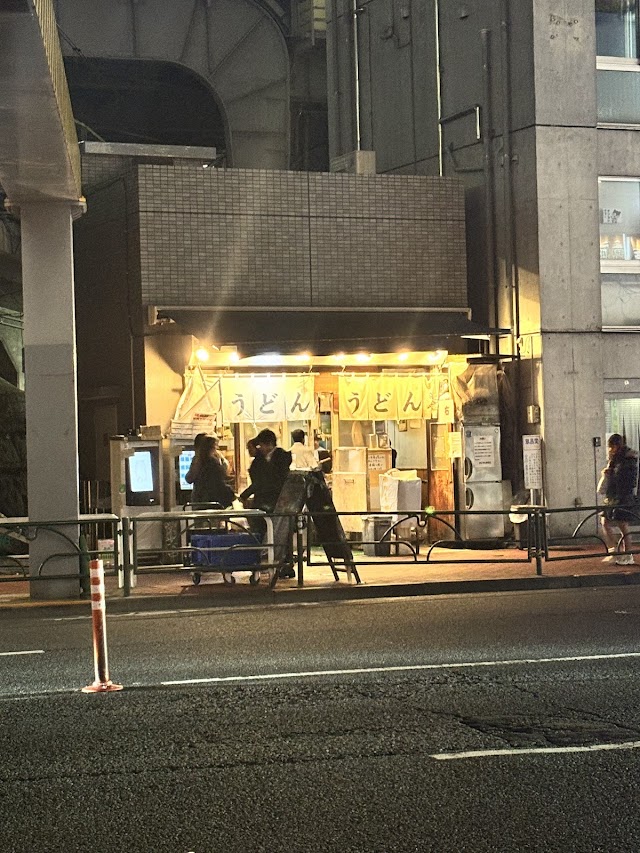
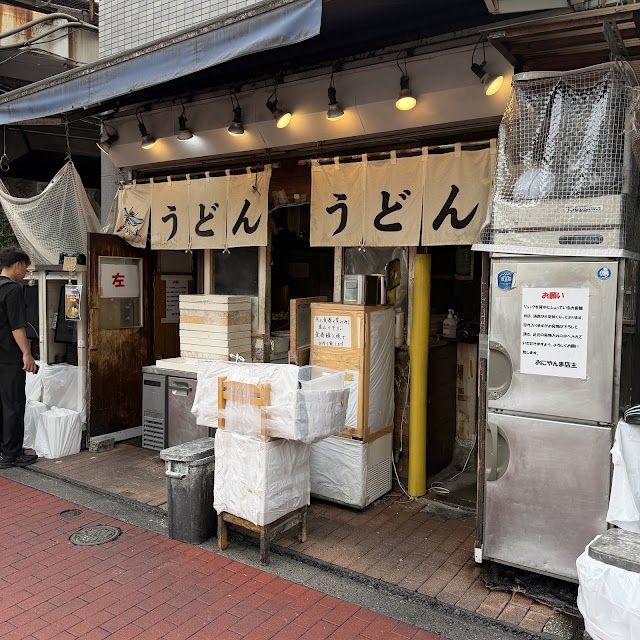
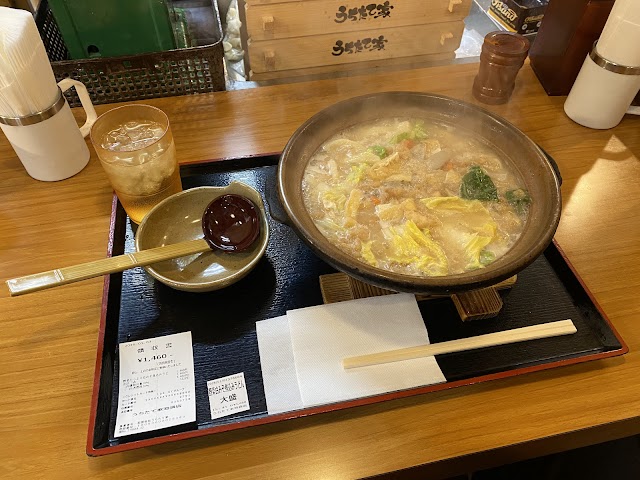
This list lays nine shops out as a map: the Hyakumeiten Sanuki trio around Jimbocho and Kanda, the two heavyweights facing off on one Nezu street, a Gotanda standing-counter standard-bearer, a Ginza Inaniwa institution, a late-night creative bowl in Shibuya, and a Musashino pork-broth pick in Ikebukuro. Tokyo is three and a half hours from Taipei — instead of queuing for yet another ramen, why not give one lunch to this badly underrated bowl?
 Scan for map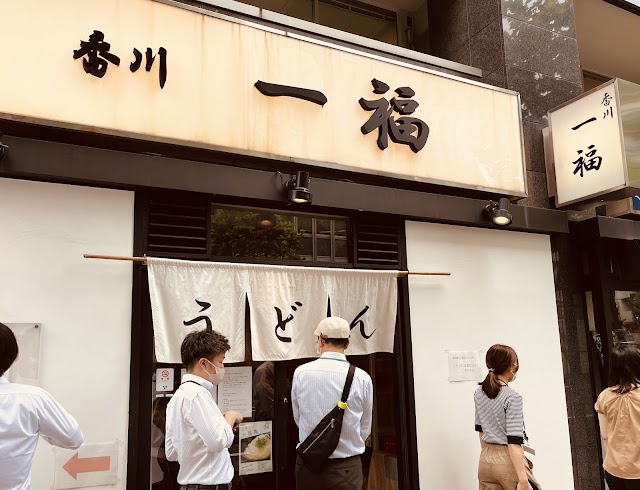
 Scan for map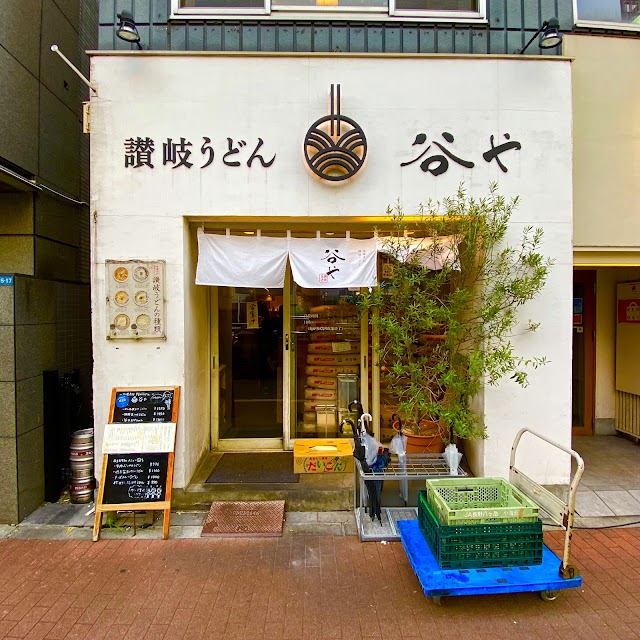
 Scan for map
 Scan for map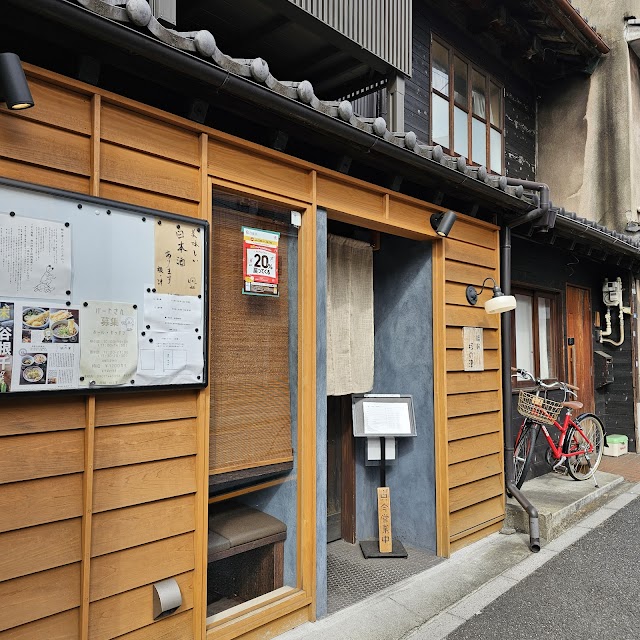
 Scan for map
 Scan for map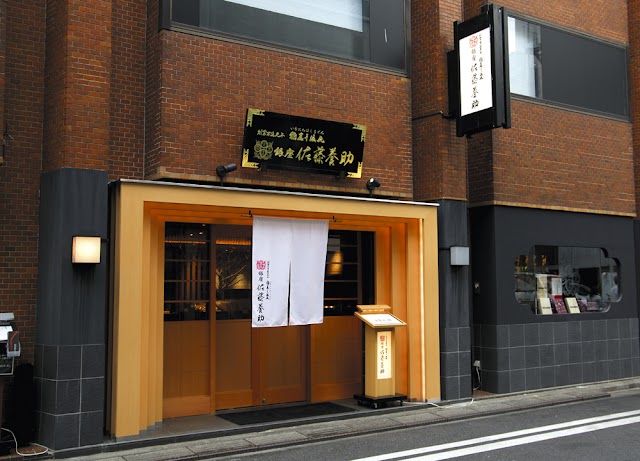
 Scan for map
 Scan for map
 Scan for map