Tokyo Machi-Chuka Fried Rice 2026: Nine Wok-Hot Plates From a Kagurazaka Queue to a Shimbashi Basement
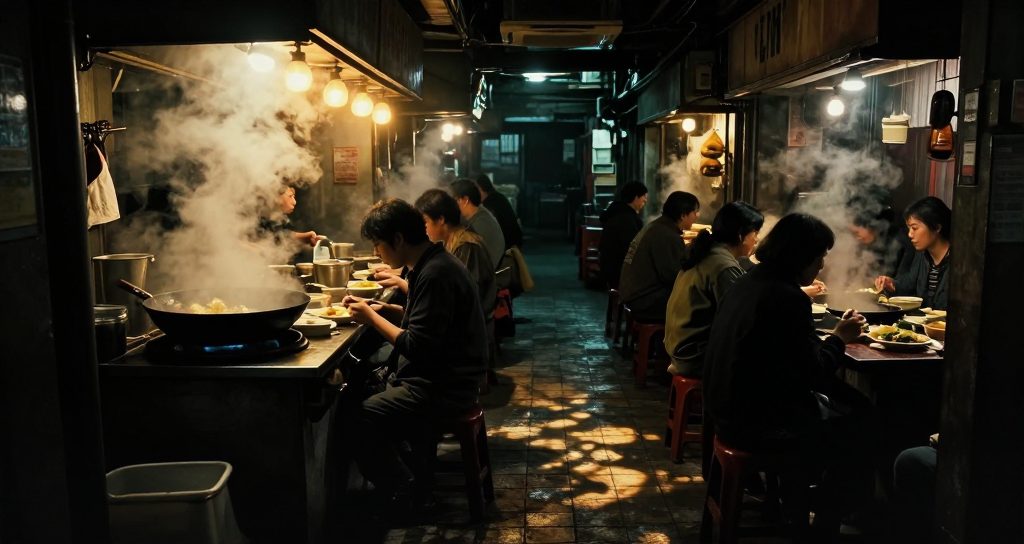
- Machi-chuka are Showa-era corner Chinese diners; fried rice is often the signature, a wok-hot plate for under 1,000 yen.
- Read the style before ordering: soy-and-scallion (Ryuho) versus bold teppan (Aoyama Shangwei).
- Learn each house's variation: Akasaka Minmin's Dragon fried rice, Choraku's roosu chahan — order the signature first.
- Portions run generous: split a plate or order a half to hit several shops, then add gyoza and egg-drop soup.
- Pick by map: Kagurazaka, Shibuya, Akasaka, Yotsuya, Shimbashi, Oshima, Akatsuka, Jimbocho.
- All nine auto-link Google's official phone, hours, closures and shop photos tomorrow — check again before you go.
Taiwanese travellers queue for ramen and sushi in Tokyo, yet almost nobody lines up specifically for a plate of fried rice — which is exactly what makes 'machi-chuka' so underrated. Machi-chuka are the working-class neighbourhood Chinese diners that have dotted Tokyo street corners since the Showa era: red lanterns, glass display cases, plastic menu boards, a full meal for under 1,000 yen. Fried rice here is no side dish; many shops have honed it into their signature, an old cook tossing rice in a fire-blackened wok for thirty seconds until every grain leaps in the heat. That scorched aroma is what the Japanese call 'wok breath' — the dry, separate, fragrant 'para-para' texture.
Three ordering tips keep you out of trouble. First, read whether a shop is soy-sauce or salt style: Kanto machi-chuka like Ryuho lean toward soy colour with scallion-and-egg fragrance, while teppan shops like Aoyama Shangwei go dark, glossy and bold. Second, learn the house variations — Akasaka Minmin's Dragon fried rice piled with garlic and chives, Choraku's 'roosu chahan' crowned with pepper-and-pork — order those on a first visit. Third, mind the portions: machi-chuka servings run generous, so split a plate or order a half if you want to hit several shops, then add gyoza and an egg-drop soup for a complete meal.
This list lays nine shops out as a map: the Kagurazaka queue king Ryuho, Choraku on Shibuya's Dogenzaka, the teppan-style Aoyama Shangwei near Yoyogi, two Minmin-lineage shops in Akasaka and Yotsuya, the Koto dark-horse Gokousaikan, a fried-rice specialist in a Shimbashi basement, an Itabashi insider pick, and the century-old Shanghai house Yoshicho Saikan in Jimbocho. Tokyo is three and a half hours from Taipei — instead of queuing for yet another ramen, why not give one lunch to this badly underrated plate?
 Scan for map
 Scan for map
 Scan for map
 Scan for map
 Scan for map
 Scan for map
 Scan for map
 Scan for map
 Scan for map