Tokyo Gyudon 2026: Nine Bowls Beyond the Chains, From a Half-Century Akihabara Counter to Asakusa's Century Wagyu
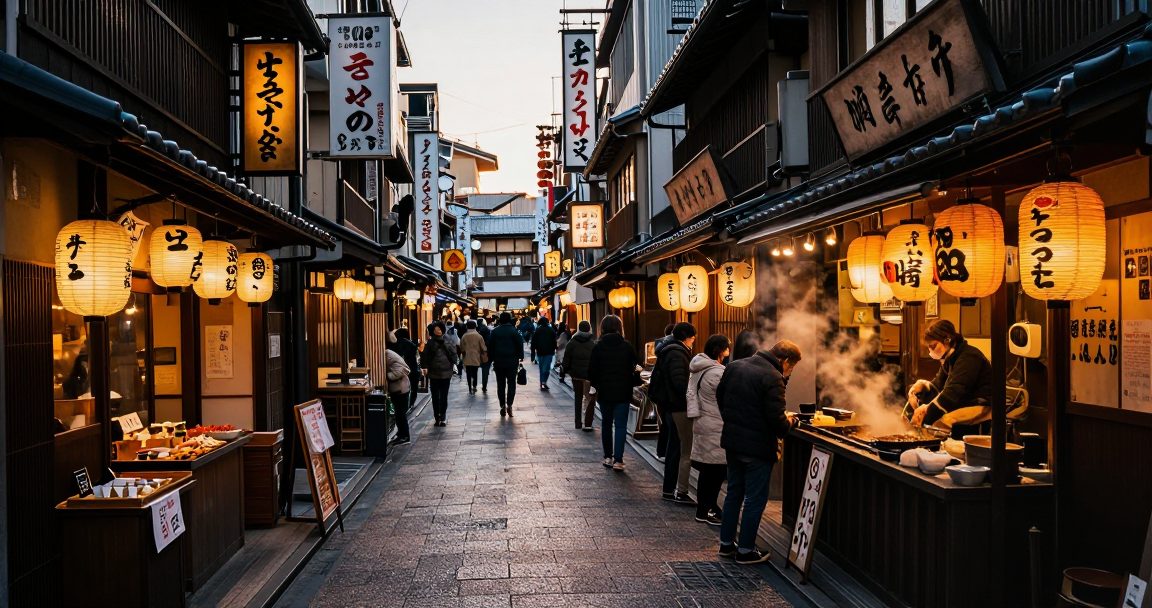
- Beyond the chains, Tokyo's beef bowls have character: sukiyaki-style (tofu, shirataki, raw egg) versus upmarket Kuroge wagyu.
- Tell 'bowl' from 'plate': beef over rice is gyudon; beef with tofu and shirataki on a side plate dipped in raw egg is the sukiyaki-style plate — try the plate first.
- Read founding year and location: Tsukiji's Kitsuneya (1947) and Shimbashi's Nandokiya (1963) each have a signature sauce.
- Split by budget: a 600-something-yen artisan regular bowl to save, Asakusa Imahan's century wagyu bowl to splurge.
- Pick by map: Akihabara, Tsukiji, Shimbashi, Asakusa, Gotanda, Hongo, Shinjuku, Azabudai.
- All nine auto-link Google's official phone, hours, closures and shop photos tomorrow — check again before you go.
Say 'gyudon' and most Taiwanese picture the big three chains — Yoshinoya, Matsuya, Sukiya: cheap, fast, everywhere. But Tokyo hides a roster of beef bowls beyond the chains, each giving the same dish its own character. Some return to sukiyaki roots, using tofu, shirataki and a raw egg so the bowl eats like a mini sukiyaki pot; others go upmarket, building a single bowl with Kuroge wagyu that approaches 2,000 yen. Most are decades-old institutions or one-cook specialists worth a detour.
Three things to know first. One, tell the 'bowl' format from the 'plate' (sara) format: old shops like Akihabara's Sambo let you choose — beef over rice is gyudon, while beef with tofu and shirataki on a separate plate dipped in raw egg is the sukiyaki-style 'plate'; order the plate first to taste the difference. Two, read the founding year and location: Tsukiji's Kitsuneya (1947) and Shimbashi's Nandokiya (1963) each have a signature sauce, and the standing shops by markets and stations turn over fast and suit solo diners. Three, split by budget: a 600-something-yen artisan regular bowl to save, or Asakusa Imahan's century wagyu bowl to splurge — a wide gap, both worth it.
This list maps nine shops: the half-century Akihabara name Sambo, Tsukiji market's breakfast staple Kitsuneya, the Shimbashi institution Nandokiya, the upmarket Asakusa Imahan, Gotanda's legendary izakaya-closer Todaka, Hongo's wagyu 'meat theatre', Shinjuku's katsu-gyudon monster Tatsuya, plus two talked-about spots in Azabudai and Akihabara. Tokyo is three and a half hours from Taipei — for your next gyudon, why not skip the chains and try one with a pedigree?
 Scan for map
 Scan for map
 Scan for map
 Scan for map
 Scan for map
 Scan for map
 Scan for map
 Scan for map
 Scan for map