Acer Founder Stan Shih Unveils 'New Wangdao' White Paper in TokyoA · FULL TRANSLATION
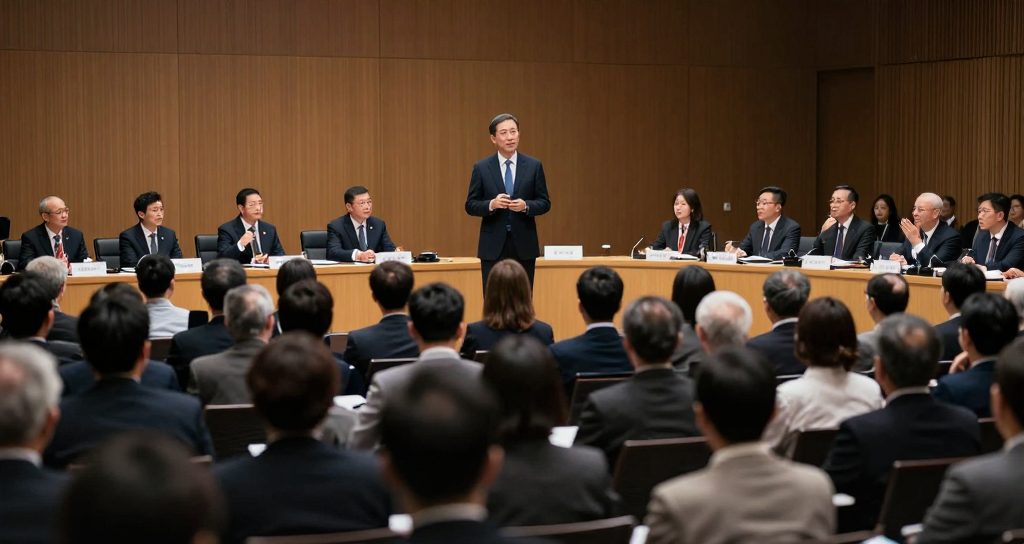
- Acer founder Stan Shih unveiled a 'New Wangdao' white paper in Tokyo
- 'Wangdao' is Shih's long-advocated management philosophy stressing co-created value and balanced interests
- Choosing Tokyo highlights dialogue with Japanese business and Taiwan-Japan exchange
- For Taiwan-Japan business readers it marks the export of Taiwanese management thinking
Acer founder Stan Shih unveiled a 'New Wangdao' white paper in Tokyo. 'Wangdao' is Shih's long-advocated management philosophy centered on co-creating value and balancing stakeholders' interests, a contrast to thinking that chases only short-term shareholder returns. Choosing Tokyo itself signals Taiwan-Japan business dialogue. For business readers the significance is twofold. First, it marks the export of Taiwanese management thinking, a Taiwanese entrepreneur bringing his philosophy into Japan's business arena, showing Taiwan is more than a supply-chain role in the region and has ideas worth exchanging. Second, Wangdao's emphasis on long-term shared prosperity and stakeholder balance resonates with Japanese corporate traditions of long-term relationships and social responsibility, part of why Tokyo was chosen. Note that a management philosophy's value lies in implementation, not proclamation; whether the white paper's ideas become concrete practice depends on follow-up dialogue and cases. For readers it is a vantage point on Taiwan-Japan business exchange and the regional spread of value-co-creation thinking. Watch the paper's specifics and Japanese-business responses.
Acer founder Stan Shih unveiled a 'New Wangdao' white paper in Tokyo. 'Wangdao' is the management philosophy Shih has long advocated, centered on co-creating value and balancing the long-term interests of all stakeholders, in contrast to thinking that pursues only short-term shareholder returns. Choosing Tokyo carries the intent of dialogue with Japanese business and exchange of Taiwan-Japan management ideas. Wangdao's emphasis on long-term shared prosperity and stakeholder balance resonates with Japanese corporate traditions of valuing long-term relationships and social responsibility. Refer to the issuer's public information for the white paper's specifics and follow-up.