Tokyo Fruit-Parlor Kakigori 2026: Nine Bowls Where the Fruit Is the Star, From Asakusa's Whole-Watermelon Ice to the Three Sembikiya Houses
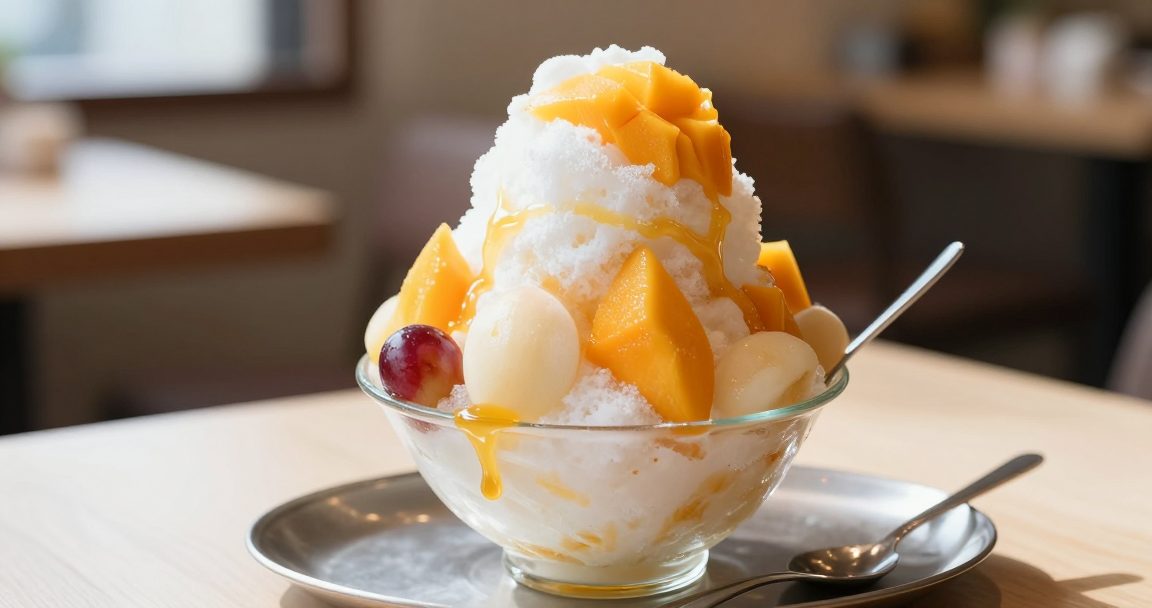
- Scope: this guide covers fruit-shop / fruit-parlor kakigori, a different system from natural-ice specialists—the draw is fruit quality (house syrups, whole fruit, farm-direct), not the fineness of the ice.
- Ordering words: 'shun' = in-season (ask 'kyo no shun wa?'); 'nama' = fresh fruit flesh, not syrup; mostly summer-only (late May to mid-Sept), ask 'kakigori, arimasu ka?'
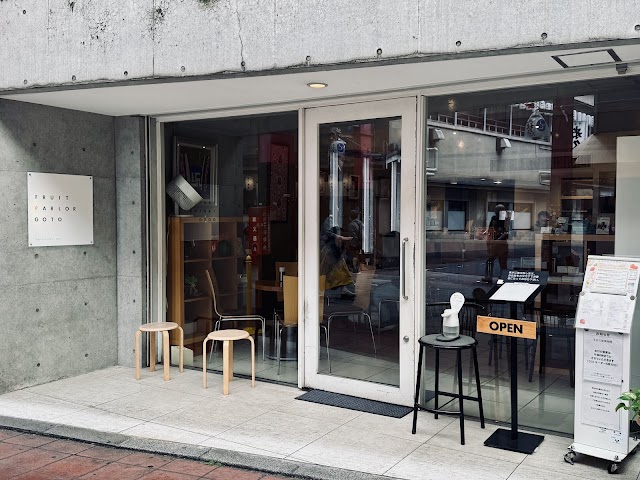
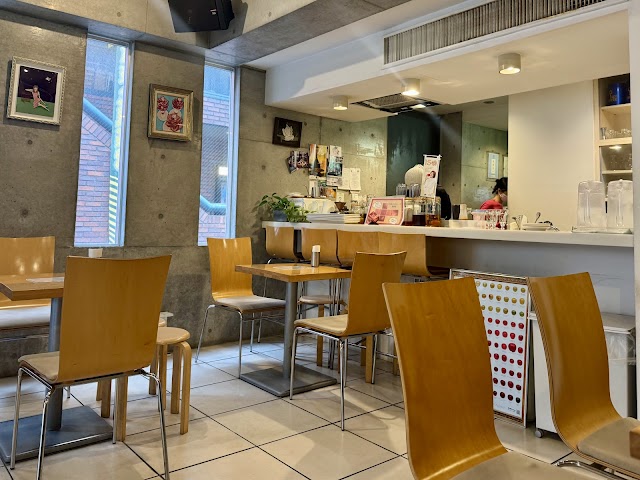
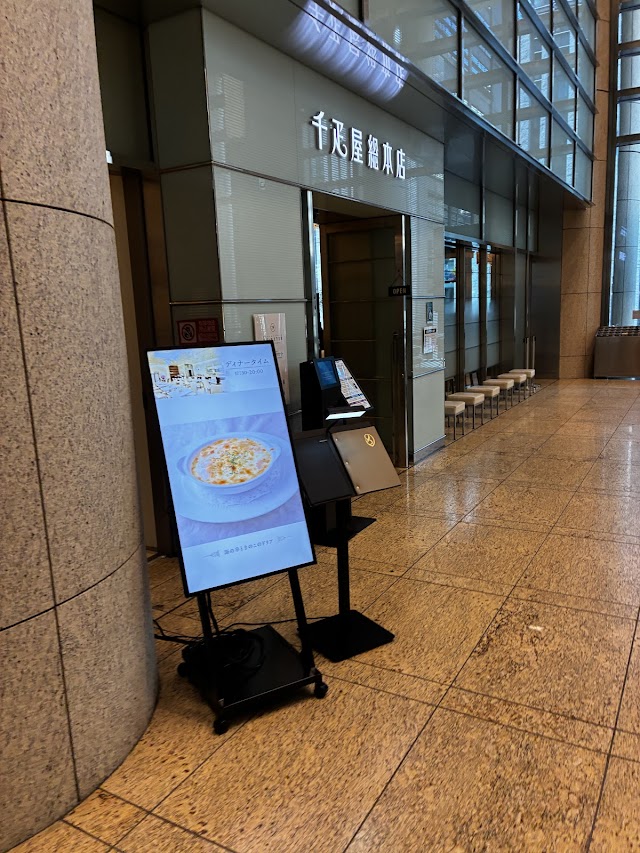
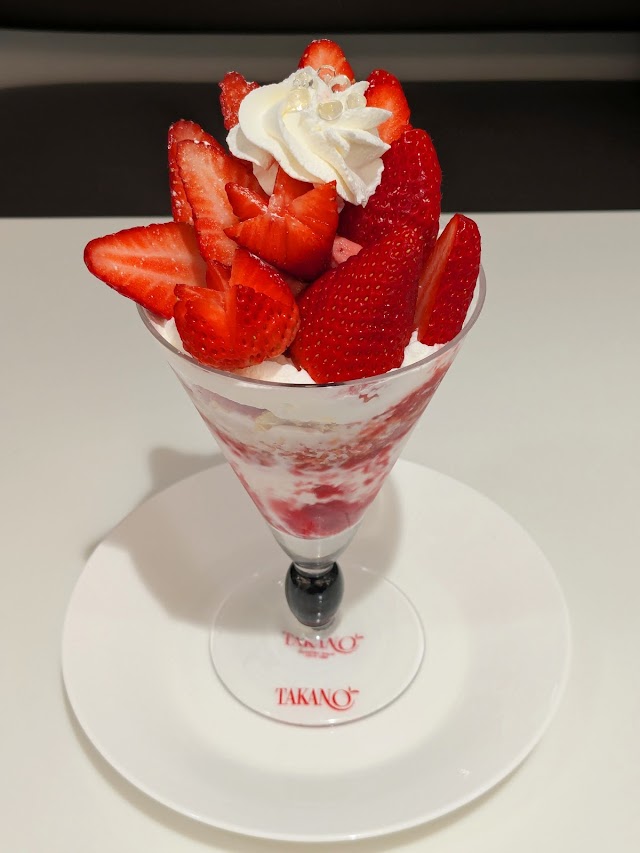
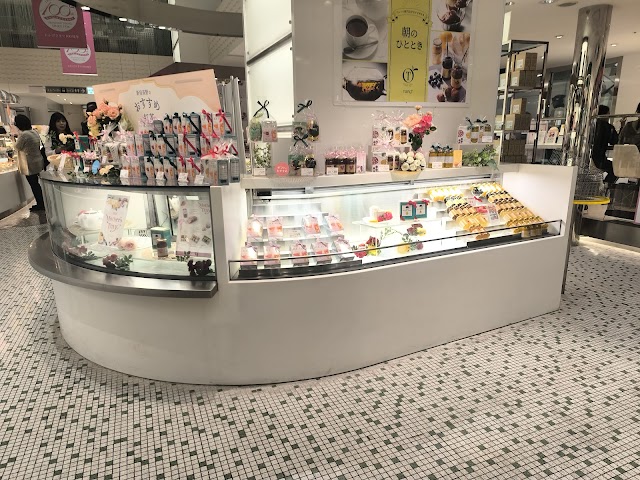
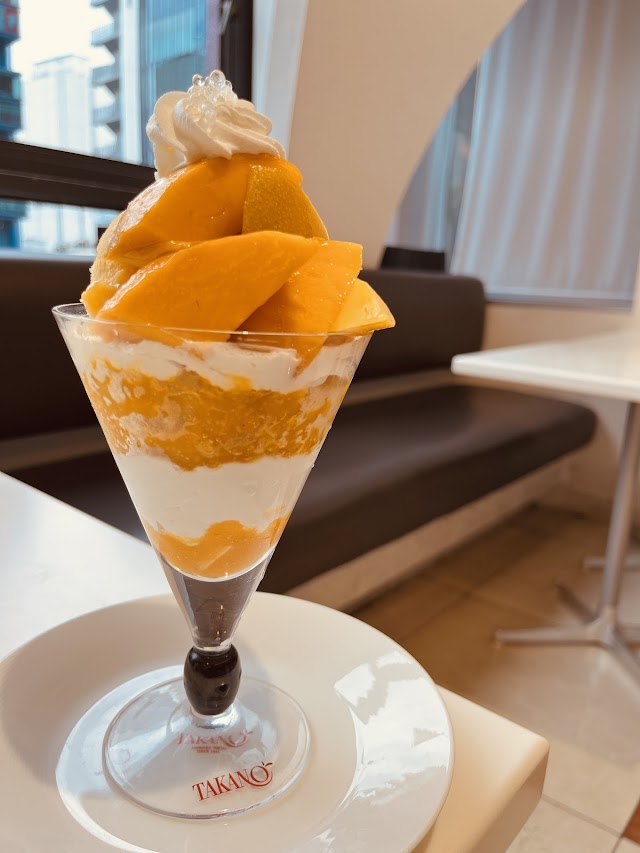
- Signature bowls: Asakusa's Goto (a Tabelog Top-100 shop) serves 'kori suika' around 950 yen using a hollowed half-watermelon as the bowl; Ginza Sembikiya's mango frappe pairs natural ice with house mango on the basement floor at set hours; Shinjuku Takano rotates a fruit-of-the-month.
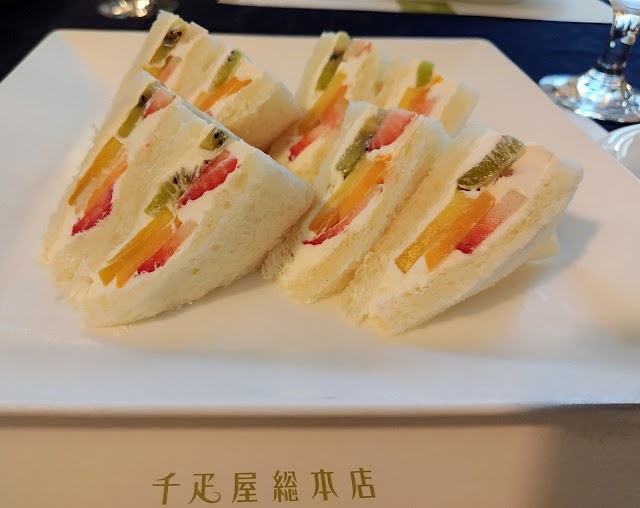
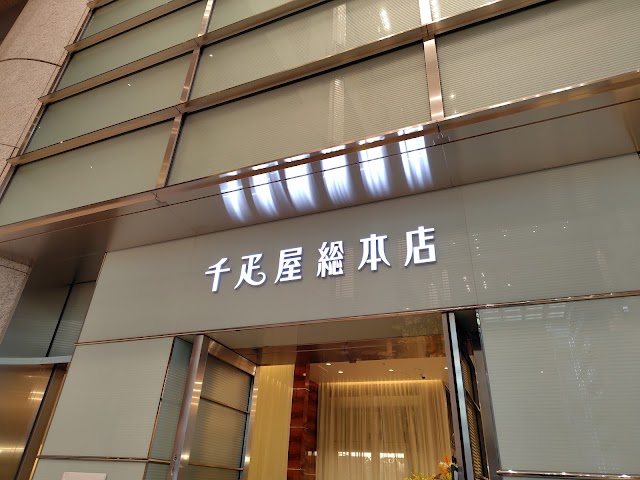
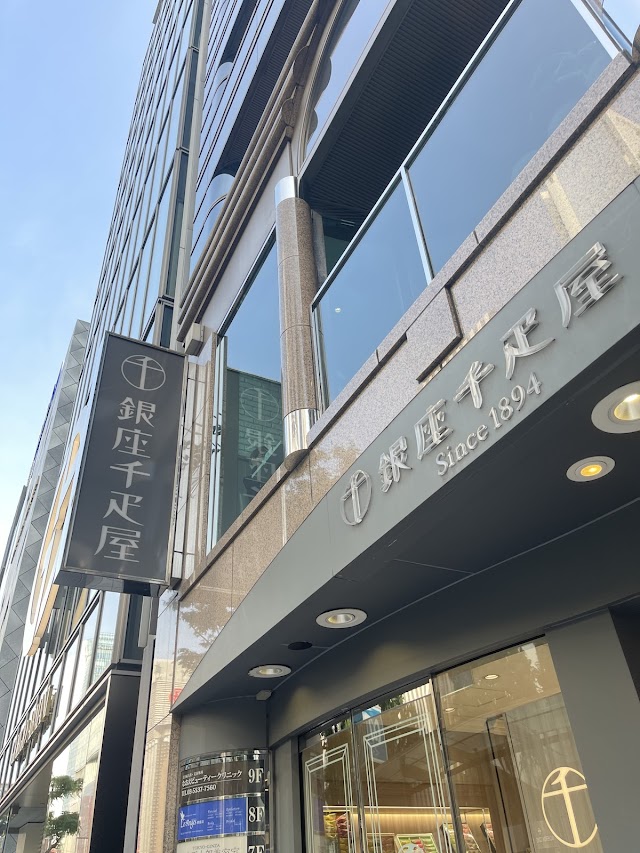
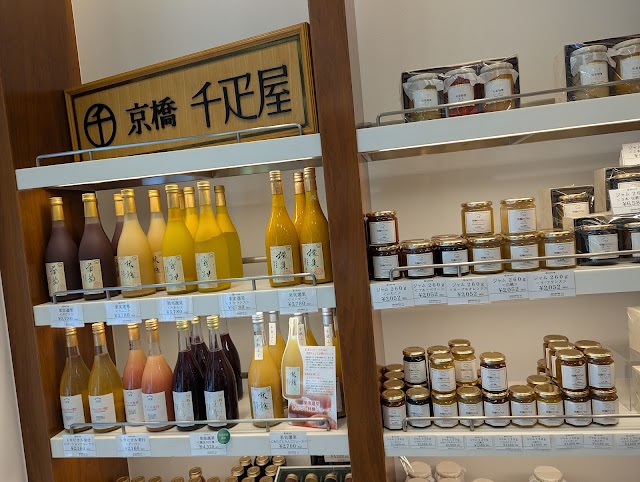
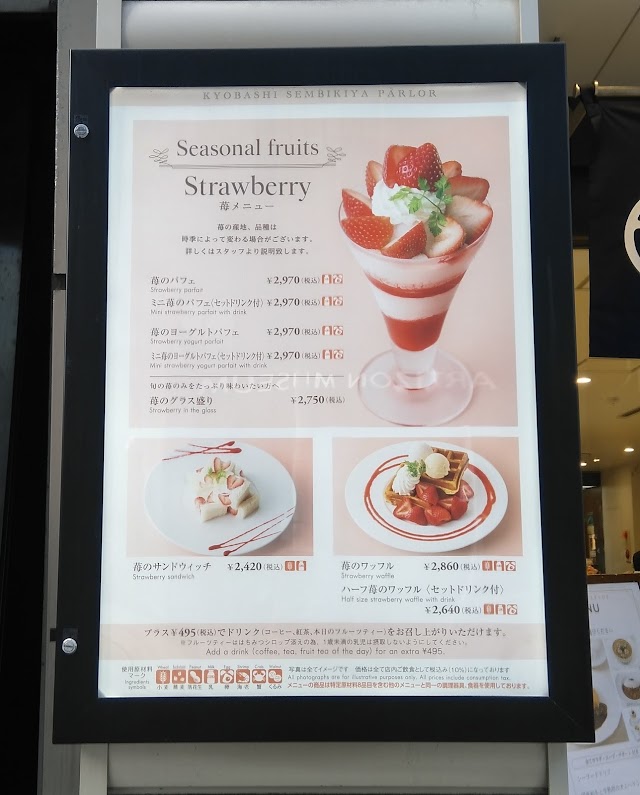
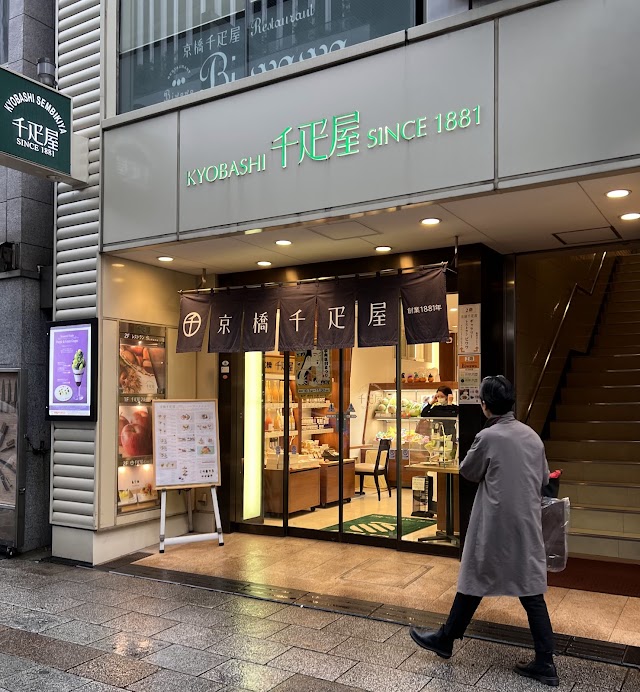
- The three Sembikiya houses: Sohonten (1834), Kyobashi (1881) and Ginza (1894) are now three independent companies split from one lineage—tasting them side by side is a walk through Tokyo's fruit history.
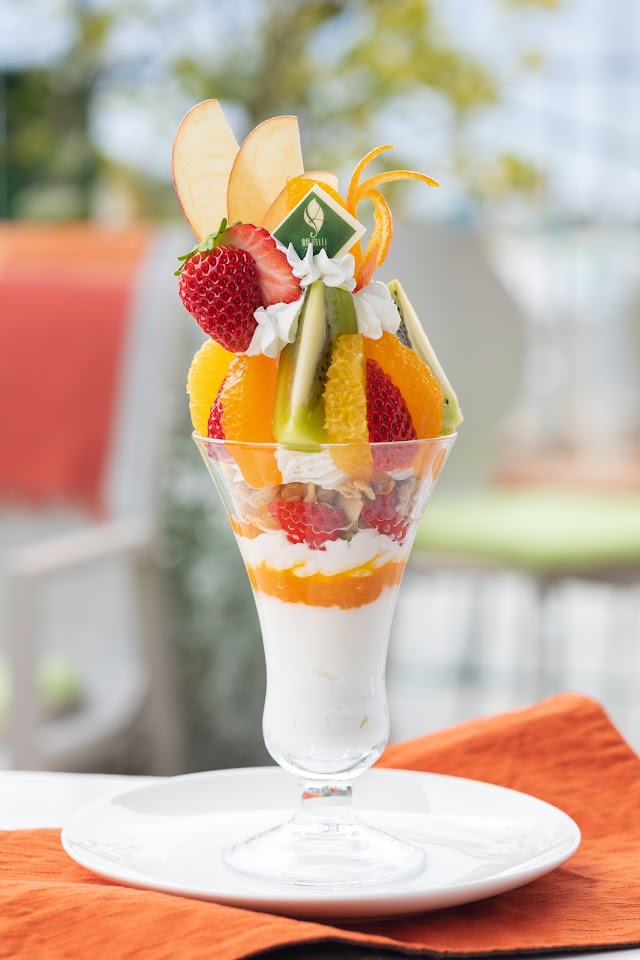
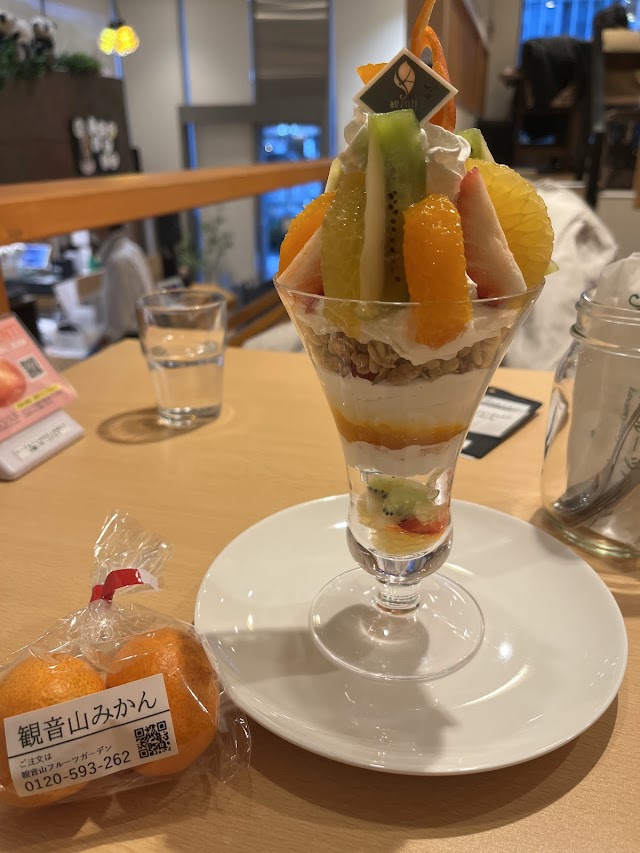
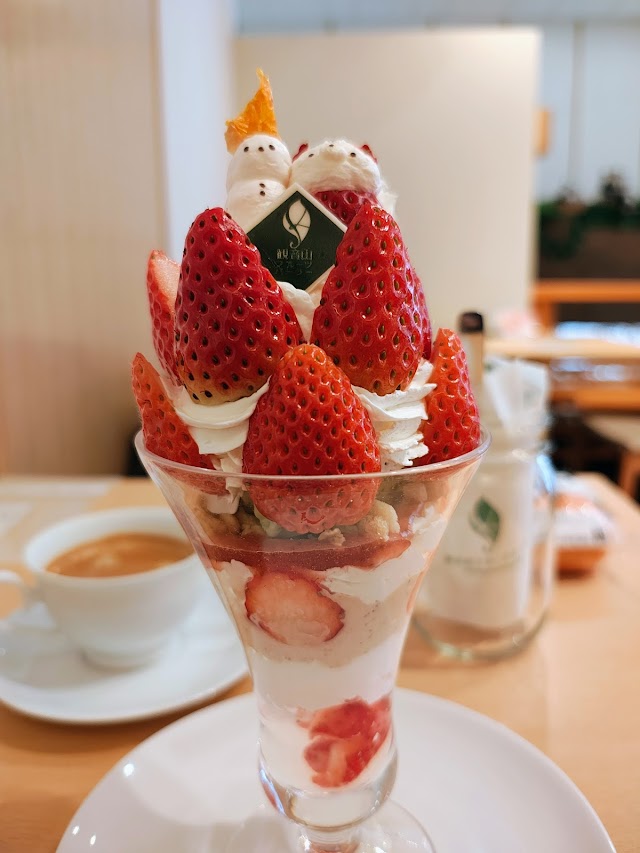
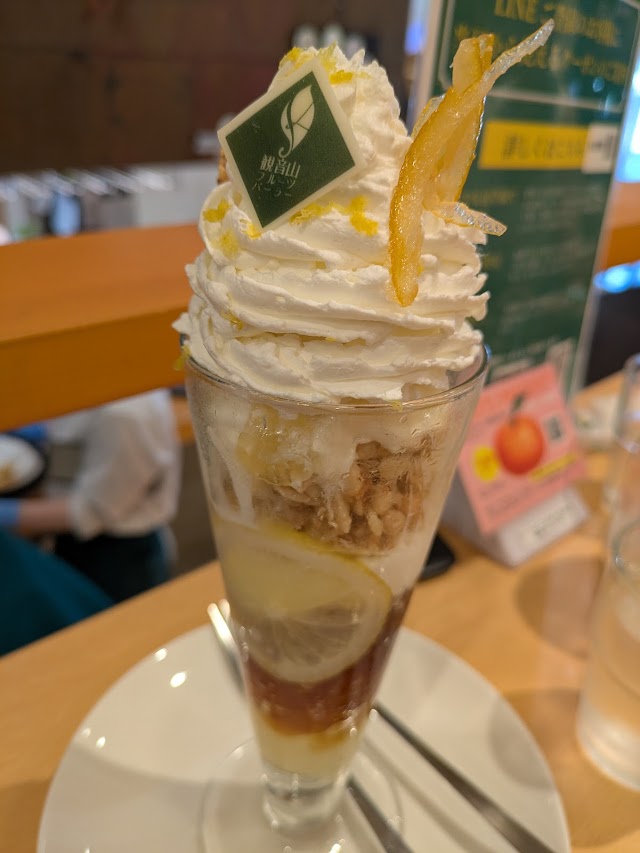
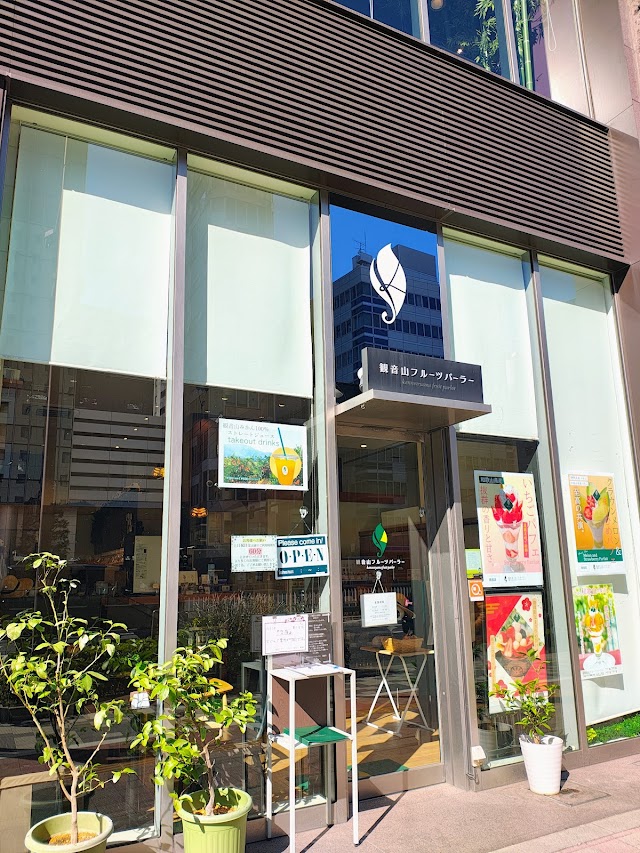
- For Taiwanese readers: fruit-parlor kakigori runs 1,200-2,500 yen and is priced for the fruit, not the ice; farm-direct parlors (Wakayama's Kannonyama in Ginza, Seijo Le Fruitier) deliver a grower's level of sweetness.
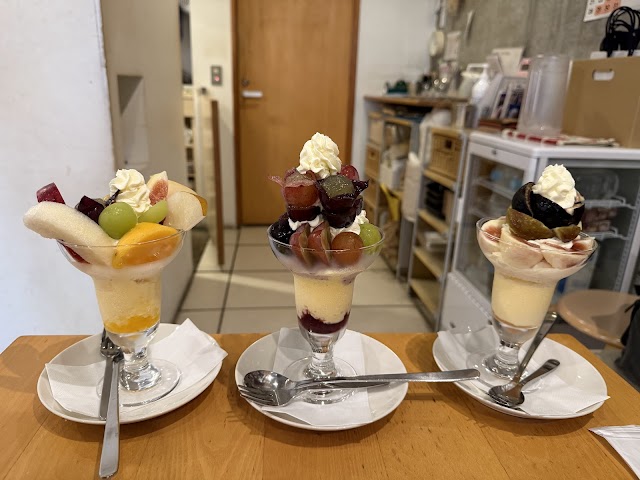
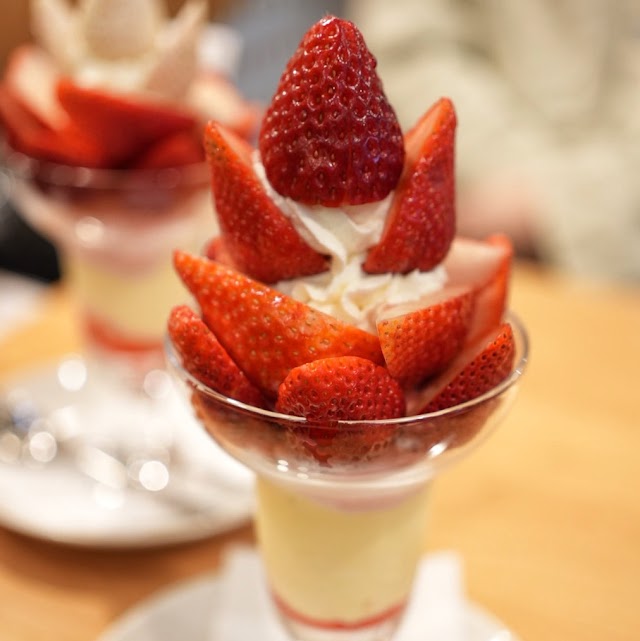
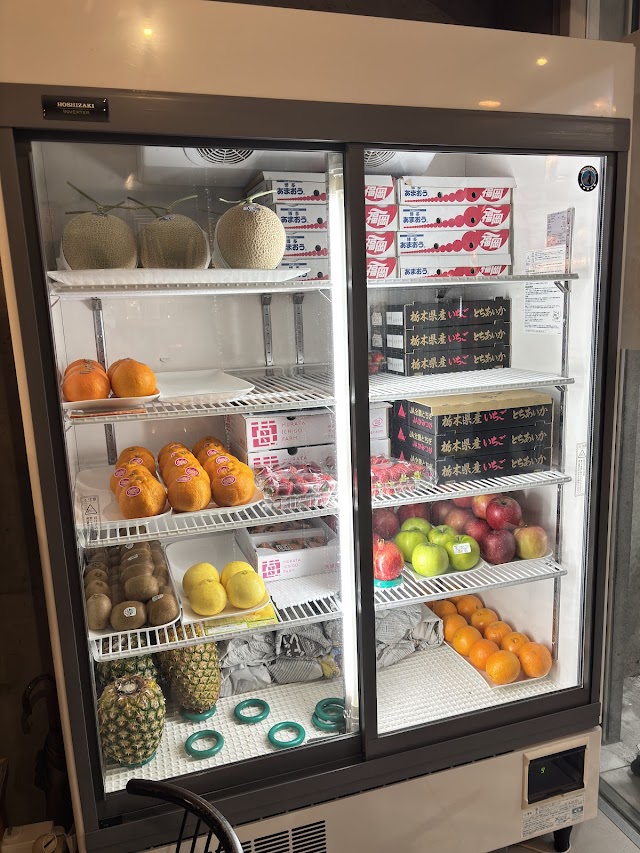
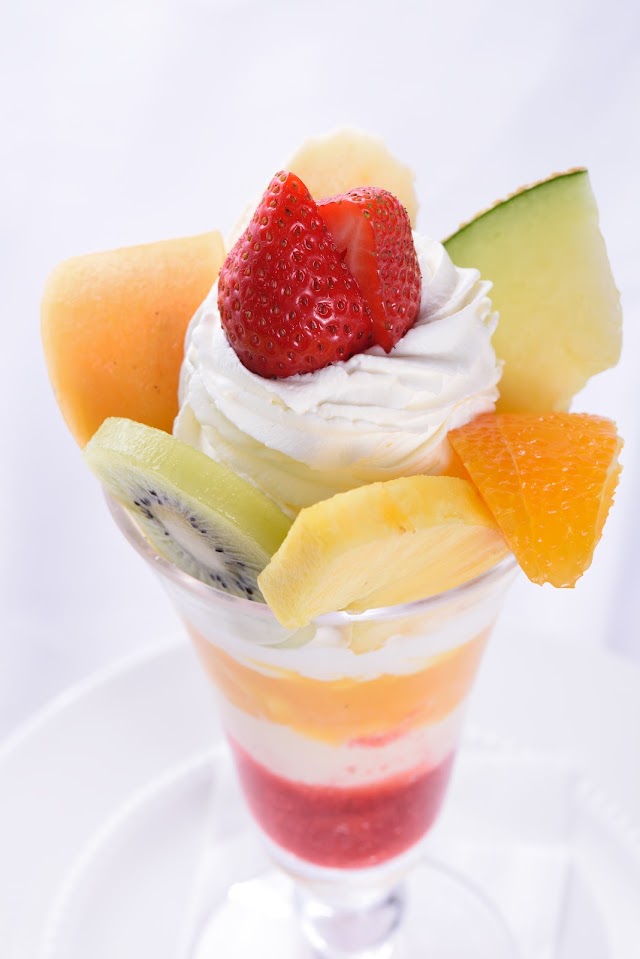
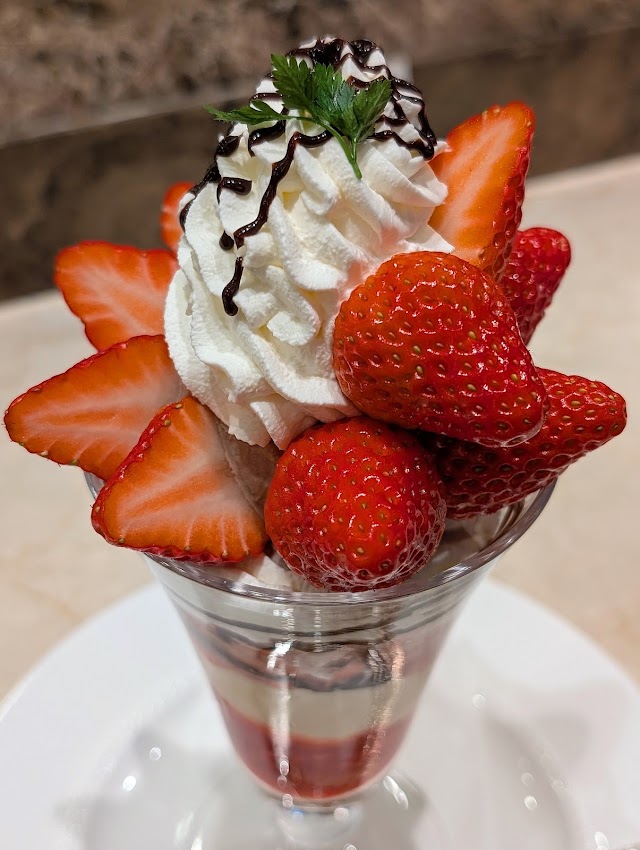
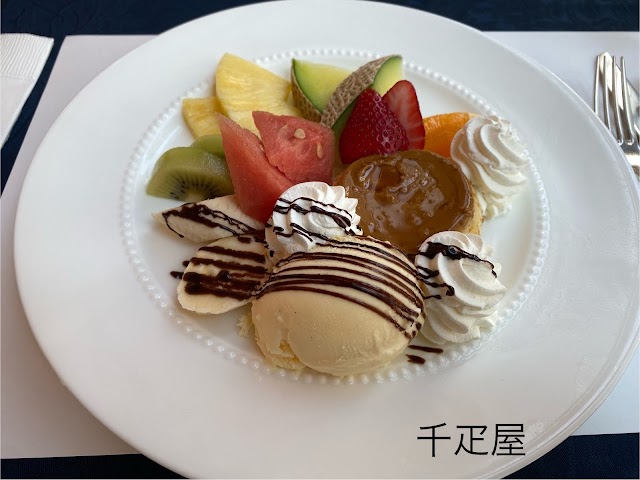
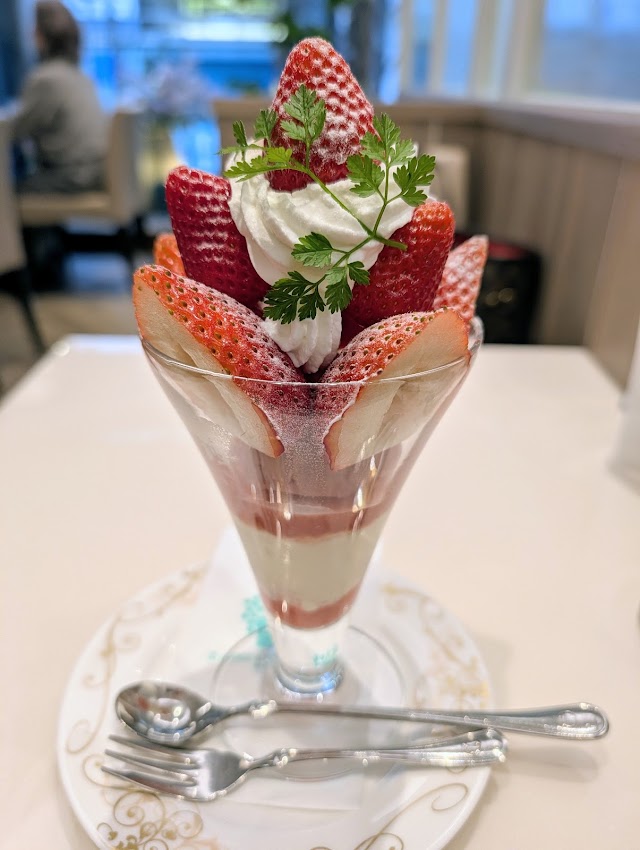
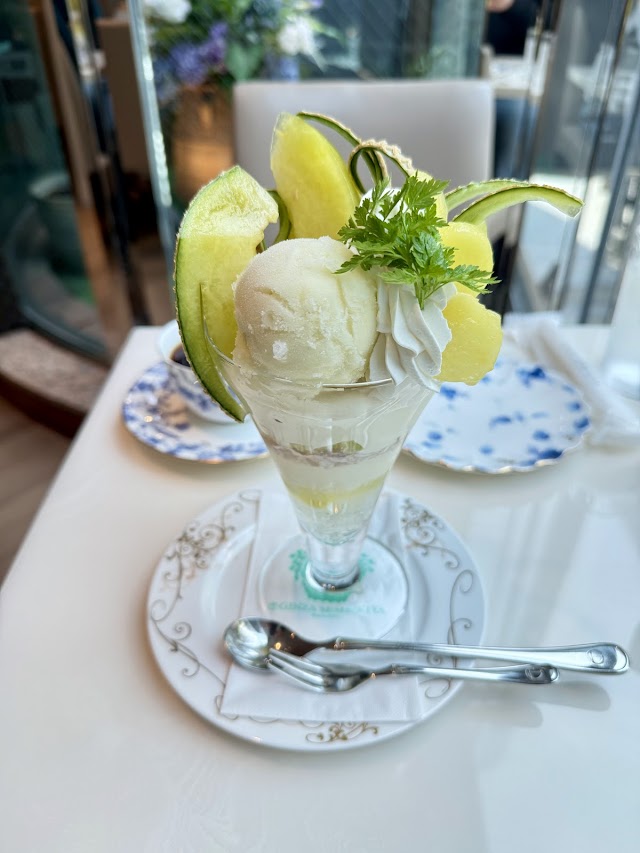
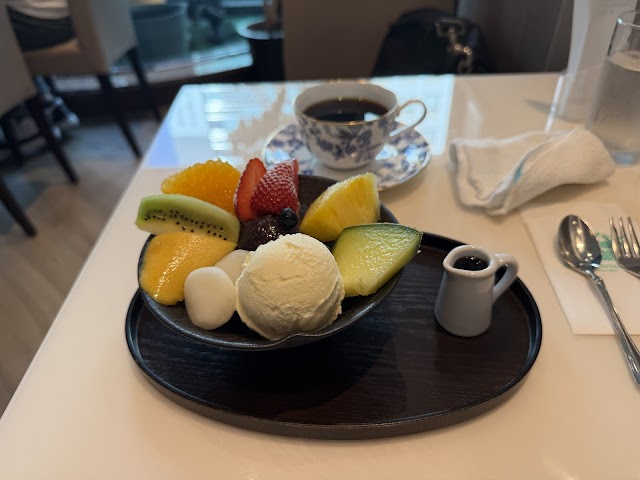
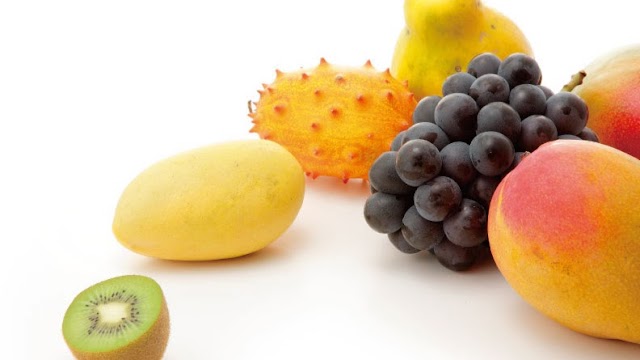
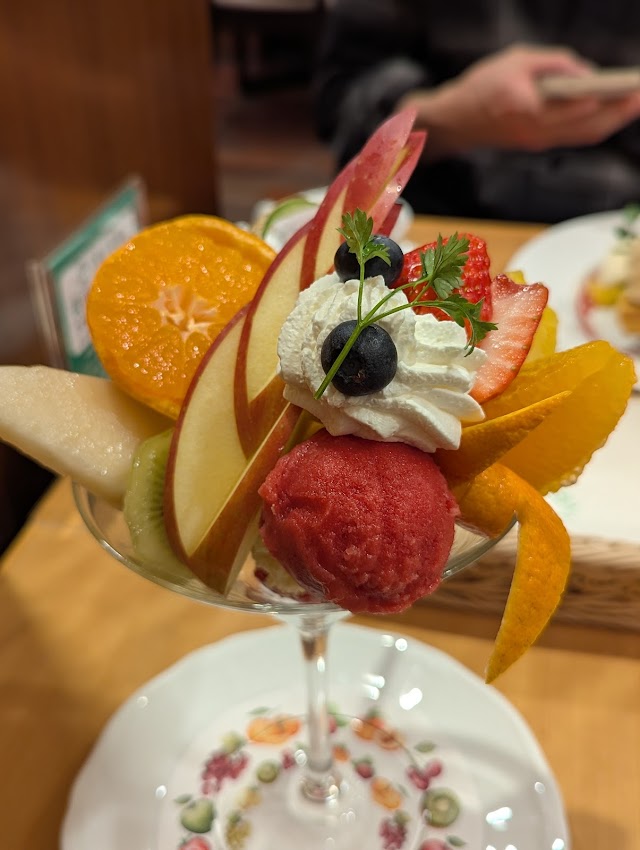
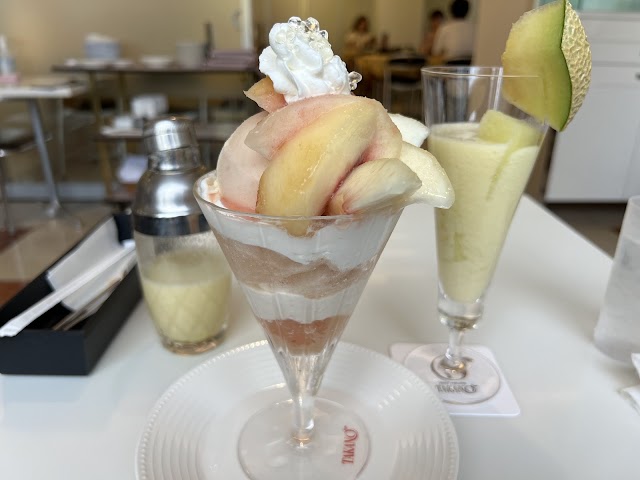
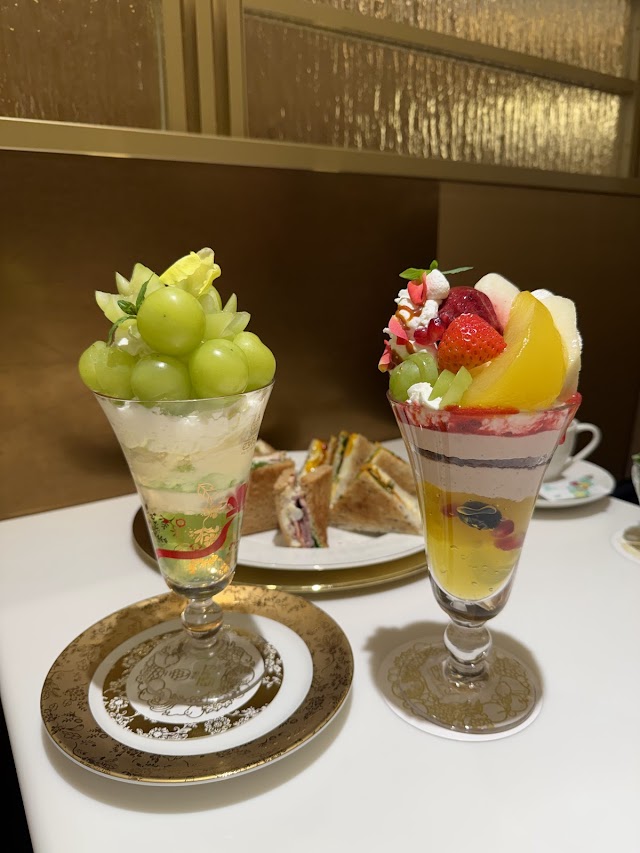
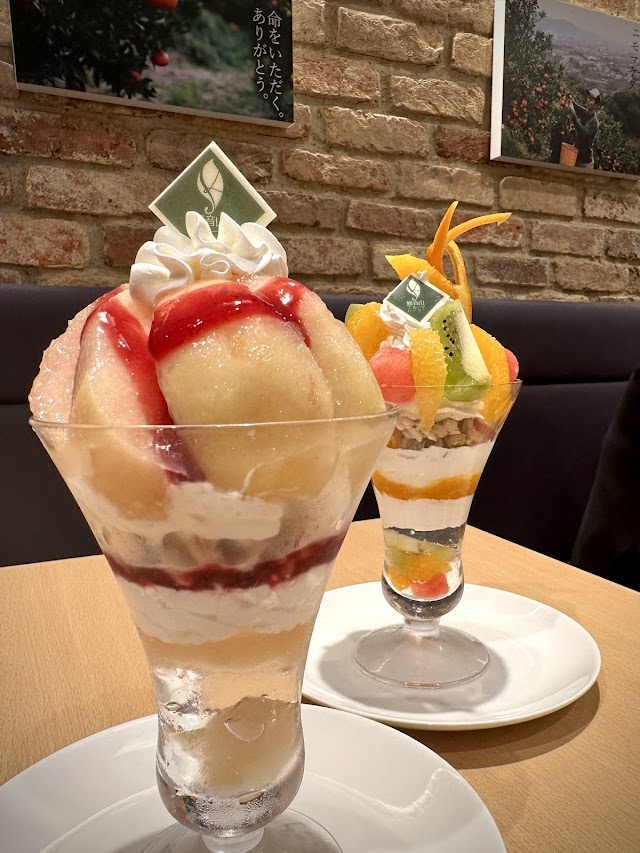
Tokyo's shaved ice splits into two worlds. One is the natural-ice specialist, where the contest is the ice itself—blocks from old Nikko or Chichibu icehouses, hand-shaved into melting snow. The other, the subject here, is kakigori served by fruit shops and fruit parlors, where the contest is the fruit. These places sell fruit for a living; they scoop a portion from the same seasonal lot they pick for department-store gift boxes, pile it on the ice, and pour their own house-made fruit syrup. Muscat grapes, white peach, fully ripe mango, farm-direct citrus—one look tells you this is a different value proposition from a night-market mango ice. For Taiwanese travelers, this is the 'eat premium fruit to your heart's content' play.
A few words help you order. 'Shun' means in-season and at its best—if unsure, ask 'kyo no shun wa?' 'Nama' means fresh fruit flesh, as opposed to syrup. Fruit-parlor kakigori is mostly summer-only, roughly late May to mid-September; if it's not on the menu, ask 'kakigori, arimasu ka?' Some famous shops (such as Ginza Sembikiya) serve kakigori only on a certain floor at certain hours, so check before you go. Budgets run 1,200 to 2,500 yen—you're paying for the fruit, not the ice.
Tokyo's shaved ice divides into two camps. Natural-ice specialists (the Himitsudo lineage in Nippori, for instance) compete on the ice—natural blocks from Nikko or Chichibu icehouses, hand-shaved into melt-in-the-mouth snow. Fruit shops and fruit parlors run a different race: they sell fruit for a living and build the bowl around the quality and freshness of that fruit. All nine below belong to the latter camp.
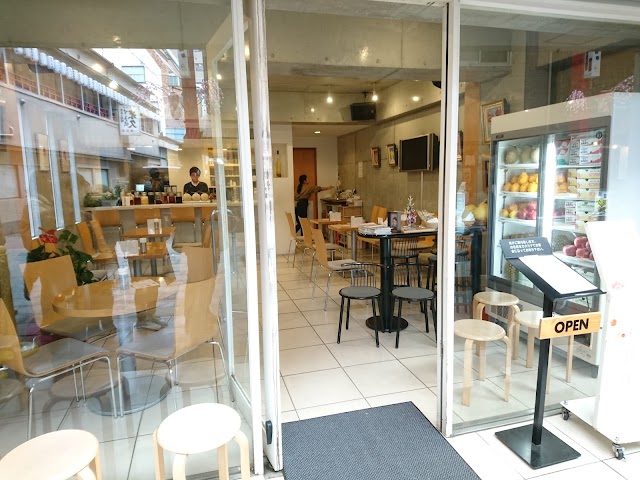
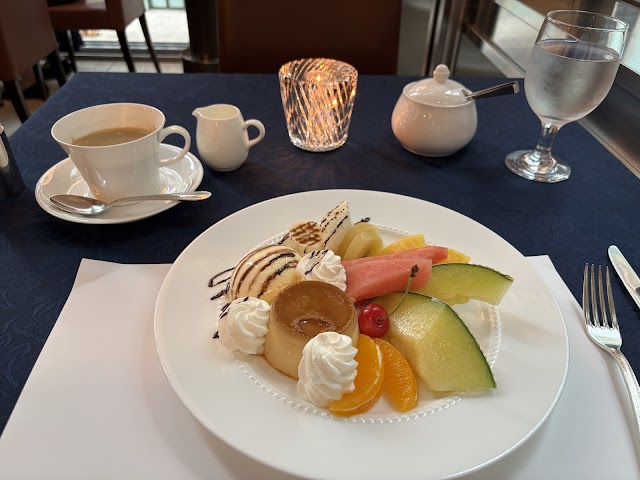
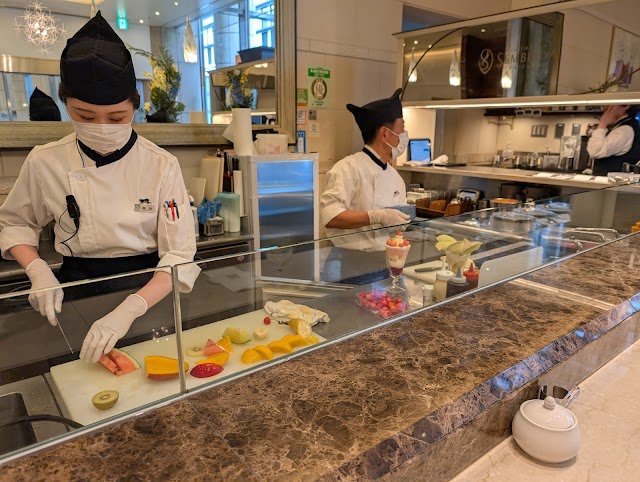
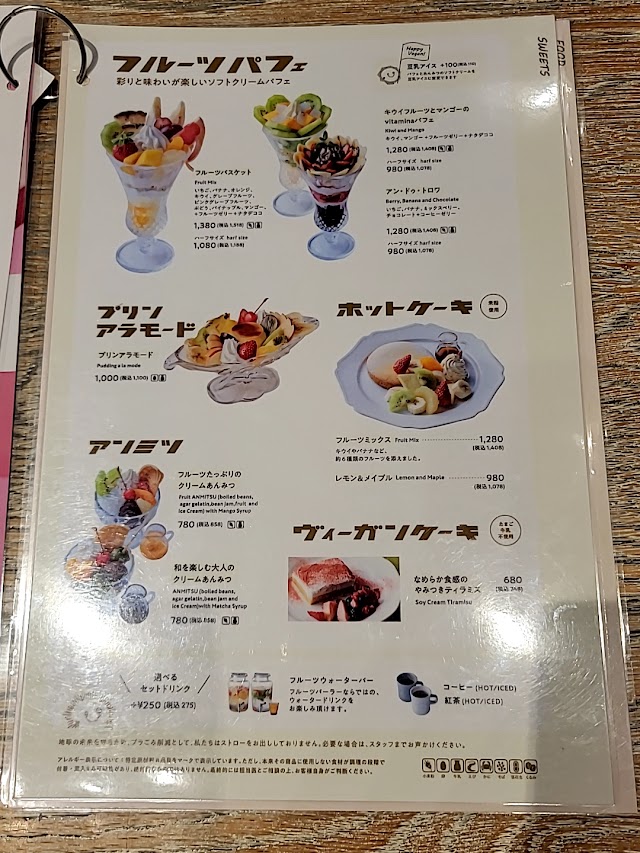
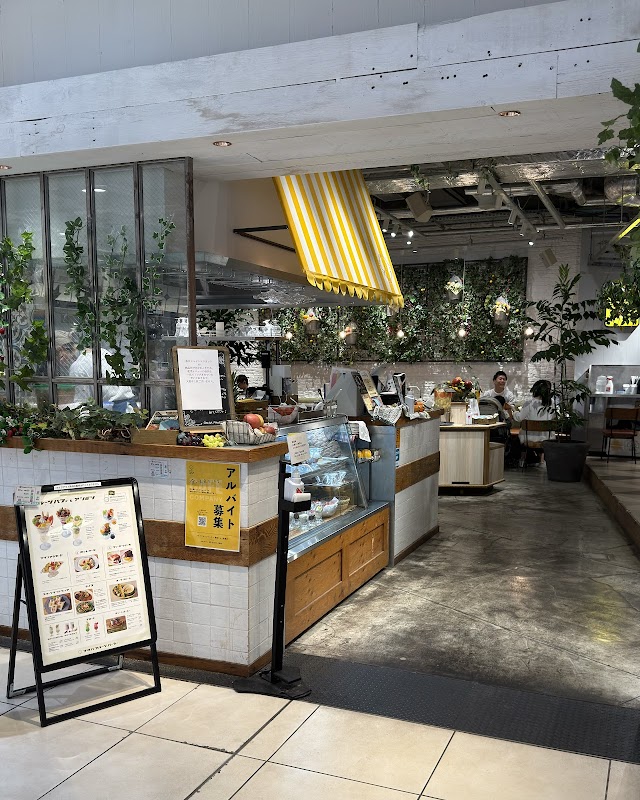
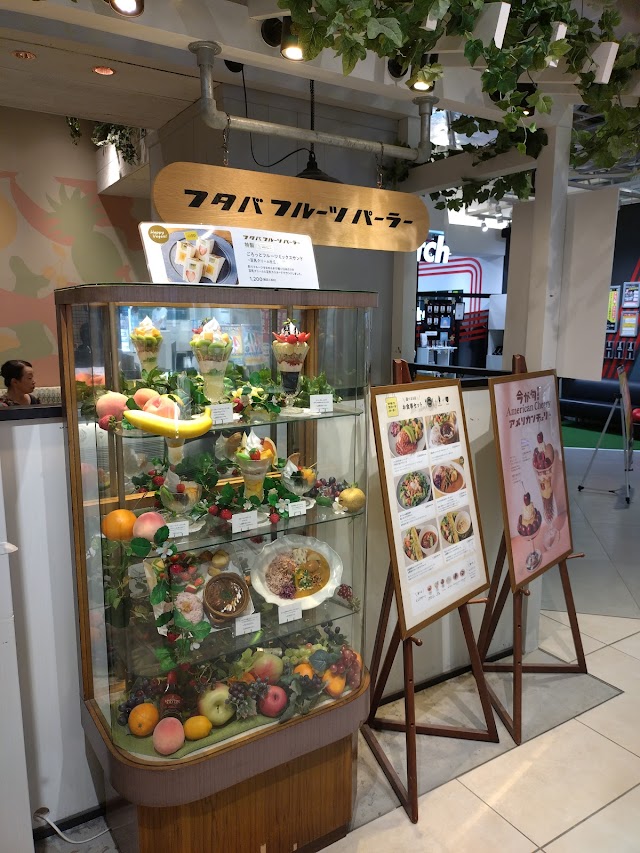
Start in Asakusa at Fruit Parlor Goto (founded 1946, a Tabelog Top-100 shop), whose summer 'kori suika' hollows out a half-watermelon as the bowl and pours house watermelon syrup over the ice for around 950 yen. To understand Japan's fruit-shop hierarchy you can't skip Sembikiya: the 1834 Sohonten in Nihonbashi, plus Kyobashi (1881) and Ginza (1894), now three independent companies from one lineage—tasting them in a row is a stroll through fruit history. Ginza Sembikiya's summer-only mango frappe layers natural ice with house mango on the basement floor at set hours. Department-store fruit parlors round it out: Shinjuku Takano (1885) rotates a fruit-of-the-month; Shibuya Nishimura (fruit shop since 1910) overlooks the Scramble Crossing; and Futaba, run by the third generation of a 70-year-old fruit shop, offers a gentler price of entry. For a grower's sweetness, go farm-direct: Kannonyama in Ginza ships from its own Wakayama orchard, and Seijo Le Fruitier is a residential-neighborhood favorite. Budgets run 1,200-2,500 yen; you can taste Tokyo's whole fruit-kakigori spectrum in a single summer. (Sources: Tabelog Top-100 and roundups, OZmall, Hanako and Jalan fruit-kakigori features, shop and Sembikiya official info, and Wikipedia on kakigori and Sembikiya.)
 Scan for map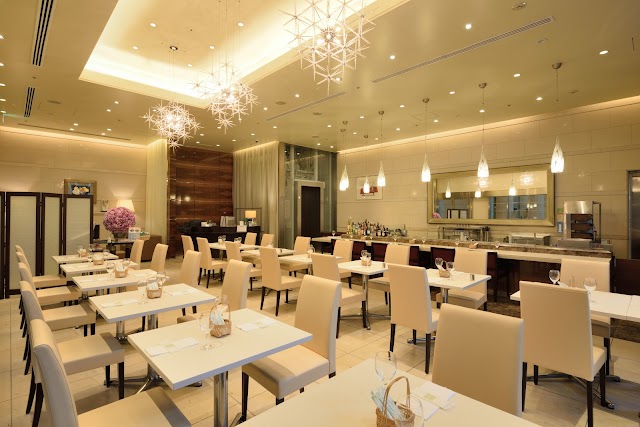
 Scan for map
 Scan for map
 Scan for map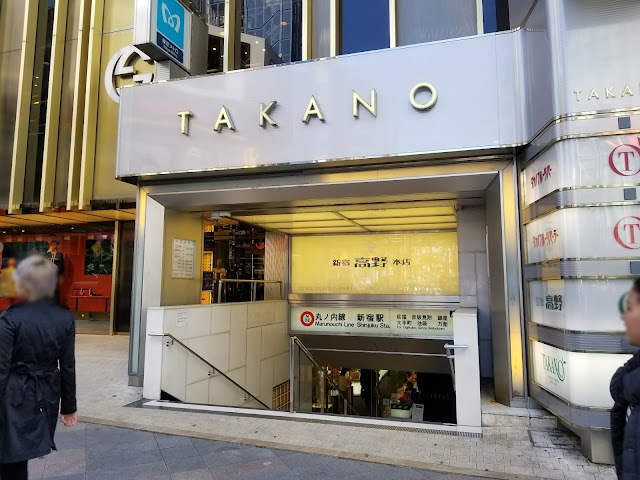
 Scan for map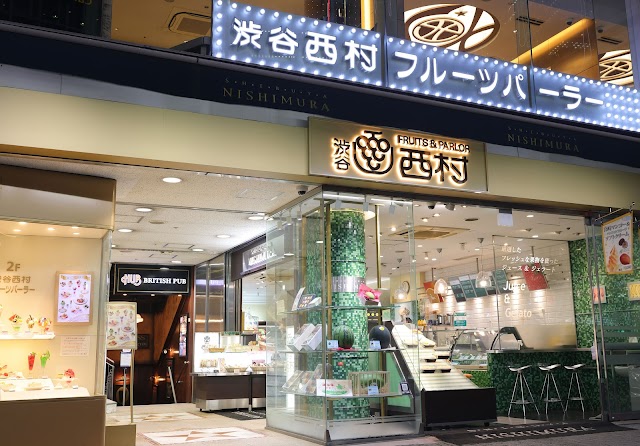
 Scan for map
 Scan for map
 Scan for map
 Scan for map