Tokyo Yakiniku 2026: Nine Picks From the No-Reservation Legend 'Stamina-en' to Omotesando Meat Kaiseki and 600-Yen Hormone Joints
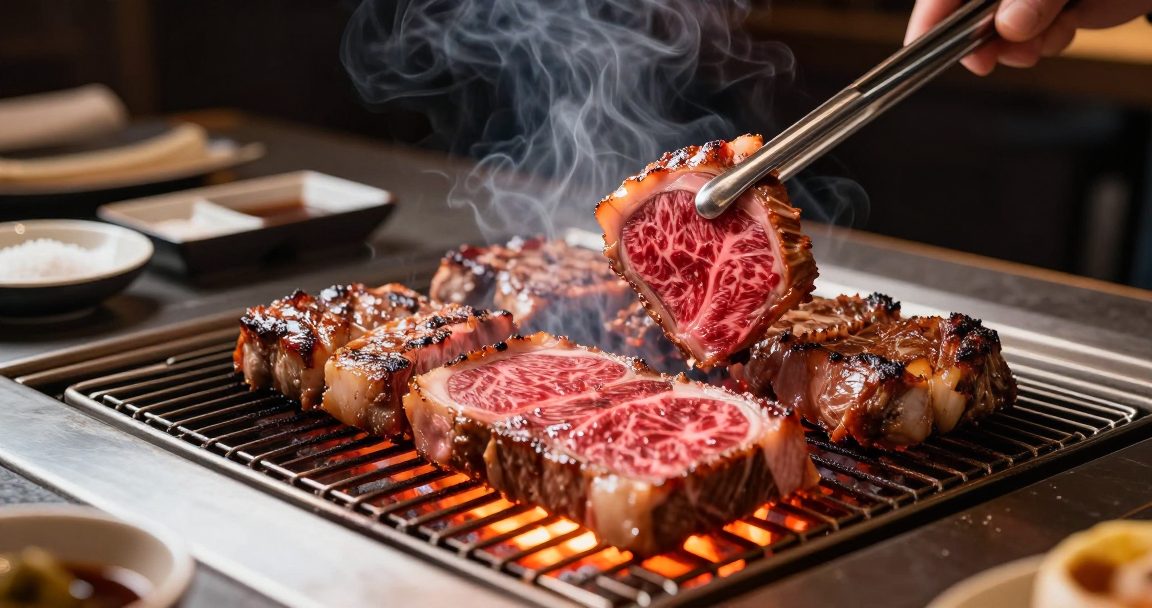
- Sort three tiers: (1) hard-to-book legends (Stamina-en, no reservations, rated Tokyo's best / Yoroniku omakase meat kaiseki / Niku-yama lean-cut omakase) that need planning and a dedicated trip; (2) high-end specialists (Yakiniku Jumbo, thick-cut tongue and chateaubriand / Ushigoro, all-private-room A5 omakase); (3) reliable mid-tier and popular hormone shops (Toraji, easy booking and English menus / Kameido Hormone, Yamadaya, Onoda Shoten filling you up for ~3,000 yen).
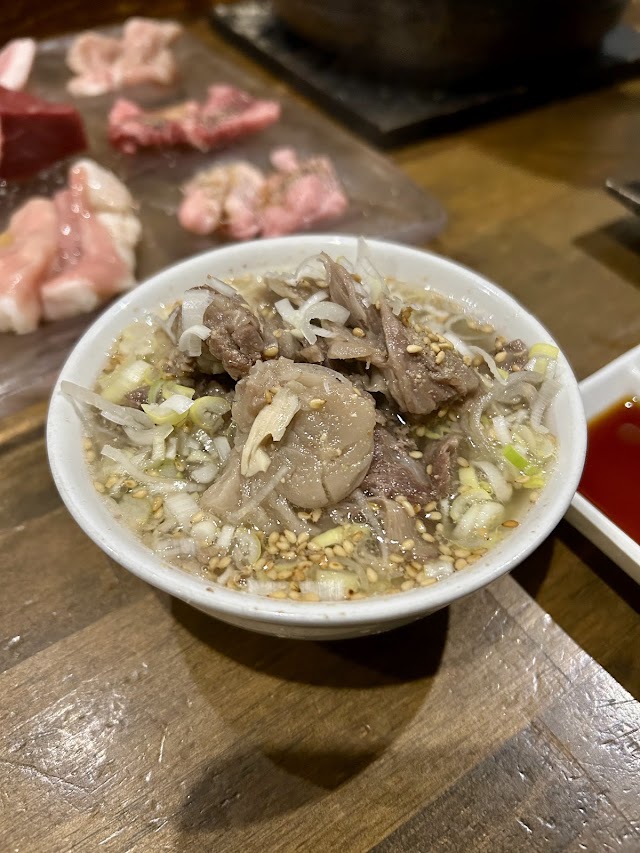
- Huge price range: top wagyu omakase reaches ~15,000 yen (Yoroniku, Jumbo dinner), while popular charcoal hormone fills you for around 3,000 yen (most cuts ~600 yen at Onoda Shoten). Set a budget before choosing.
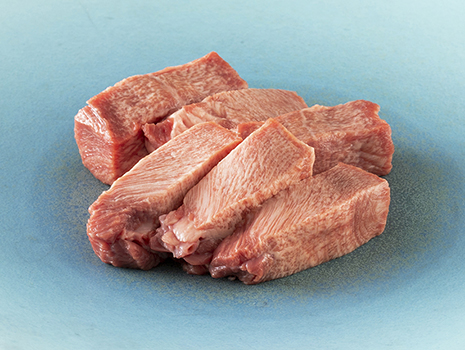
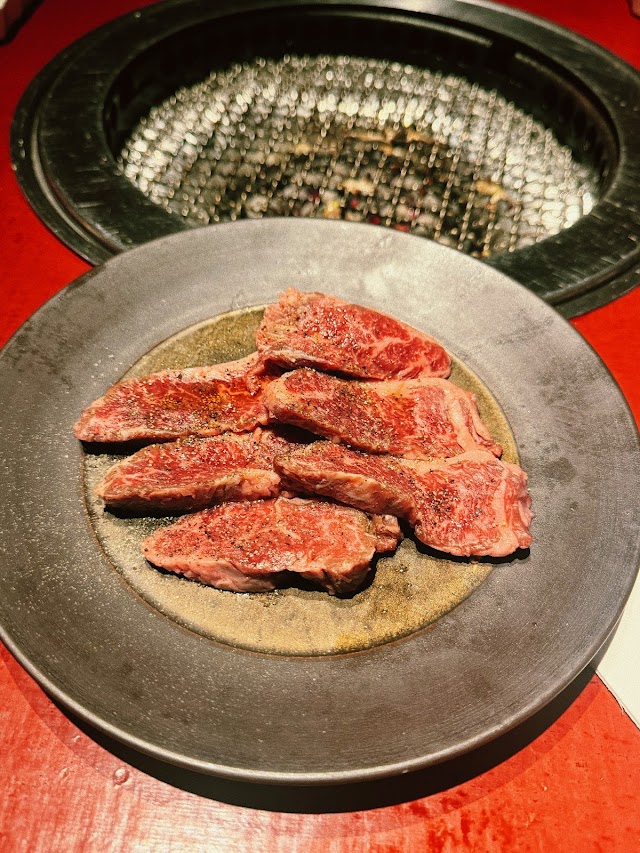
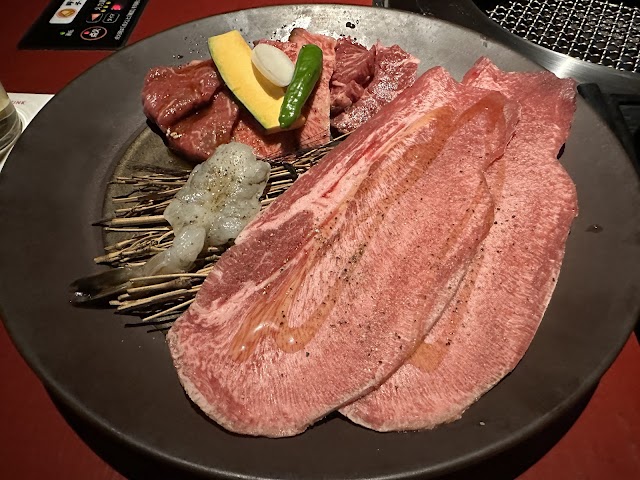
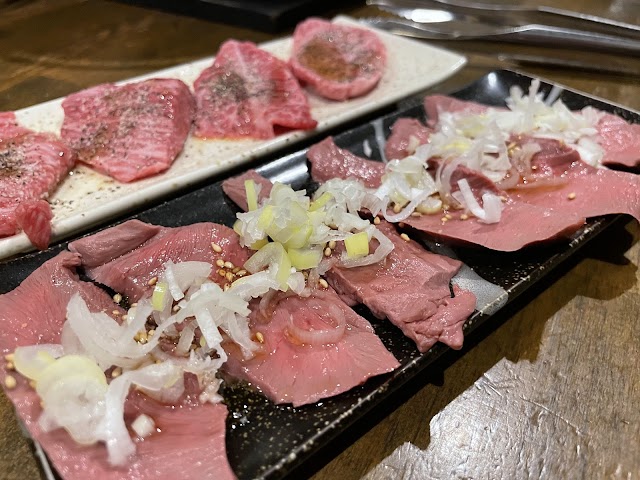
- Ordering words: tan (tongue), karubi (short rib/belly), harami (skirt, tender), rosu (loin), chateaubriand (fillet heart), horumon (offal); 'jo/tokujo' marks grade, seasoning is 'shio' (salt) vs 'tare' (sauce).
- Reservations: Stamina-en takes none and is far from the station, expect a queue; Yoroniku and Niku-yama sell out the moment slots open—book early; chains like Toraji are easy to reserve online and good for elders or first-timers.
- For Taiwanese readers: for the hardest-core experience commit to Stamina-en; for premium wagyu tongue and fillet pick Yakiniku Jumbo; for a safe first time choose Toraji; for a lively, cheap night go to Kameido Hormone in Ebisu or Onoda Shoten in Nakameguro.
Yakiniku may be the meal Taiwanese travelers most want in Tokyo and most often eat in a muddle. Prices swing tenfold, from a single slice of A5 wagyu tongue to a 600-yen plate of charcoal hormone (offal), and the formats vary just as much: some shops take no reservations at all and win on queues and knife work, some turn yakiniku into 'meat kaiseki' grilled slice by slice for you, and some are smoky working-class joints built for offal and beer. Sort the lane first, then match it to your budget.
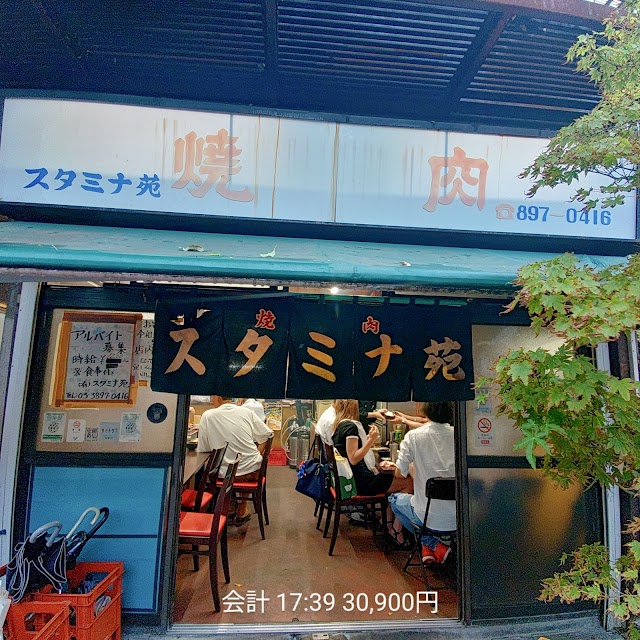
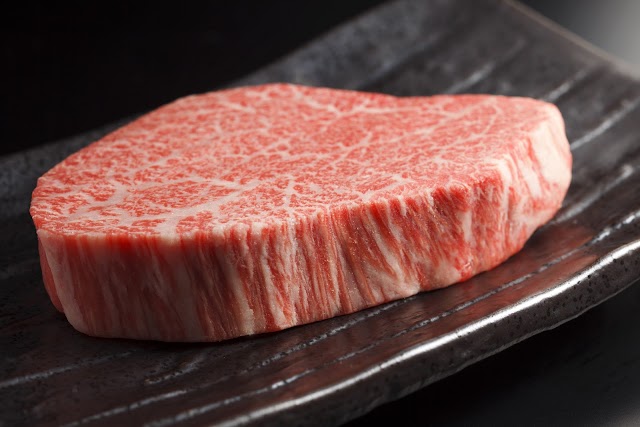
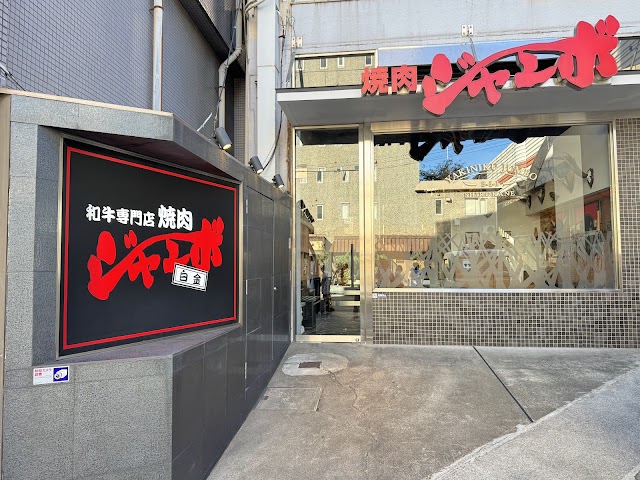
Tokyo yakiniku splits roughly into three tiers. One is the hard-to-book legends: Stamina-en in Adachi takes no reservations and is rated Tokyo's best; Yoroniku near Omotesando serves an omakase meat kaiseki; Niku-yama in Kichijoji plates lean cuts course by course—all three need planning and a dedicated trip. The second is high-end specialists: Yakiniku Jumbo in Shirokane is famed for thick-cut tongue and chateaubriand, while Ushigoro in Nishi-Azabu is an all-private-room A5 omakase made for occasions. The third is reliable mid-tier and popular hormone shops: Toraji is easy to book with English menus, while Kameido Hormone, Yamadaya and Onoda Shoten fill you up on charcoal offal for around 3,000 yen.
A few words help: 'tan' is tongue, 'karubi' short rib/belly, 'harami' the tender skirt (a Taiwanese favorite), 'rosu' loin, 'chateaubriand' the heart of the fillet, 'horumon' offal in general; 'jo/tokujo' marks grade, and seasoning splits into 'shio' (salt) and 'tare' (sauce). The nine below run from a no-reservation legend to 600-yen hormone plates—pick one by budget and you cover the spectrum. (Prices are estimates; check each shop's current menu.)
Sort Tokyo yakiniku into three tiers before you book. The hard-to-book legends trade on reputation, rare cuts and knife work; the high-end specialists perfect A5 wagyu, tongue and fillet for occasions; the reliable mid-tier and hormone shops win on easy access and value. The nine below lay all three out.
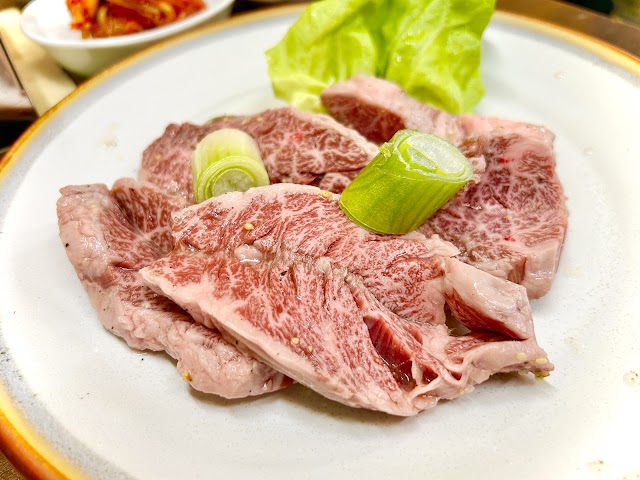
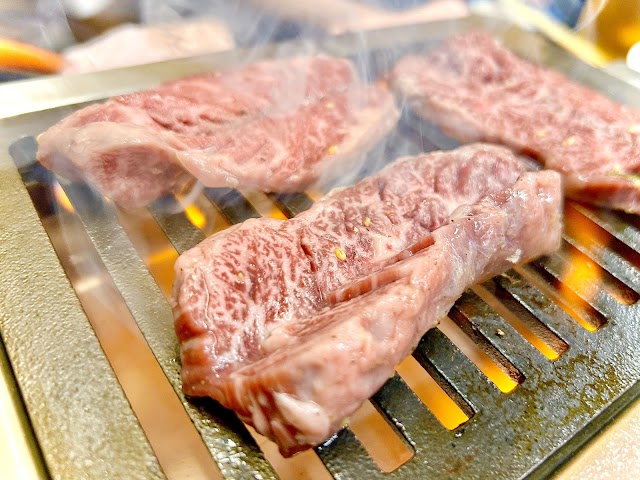
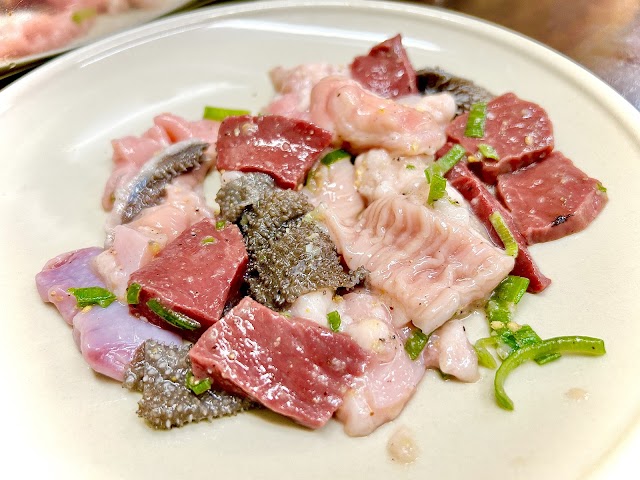
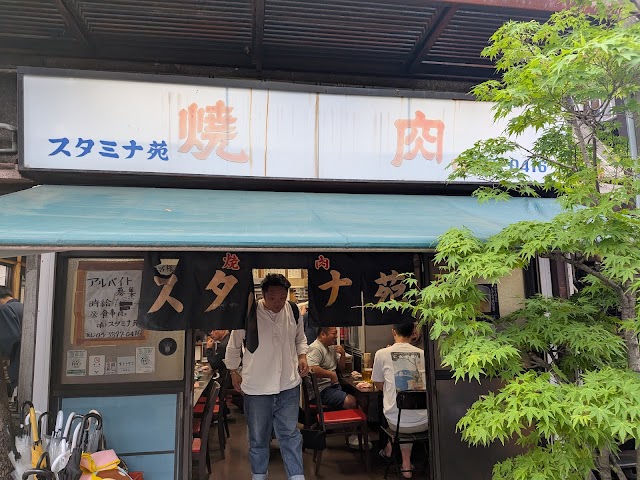
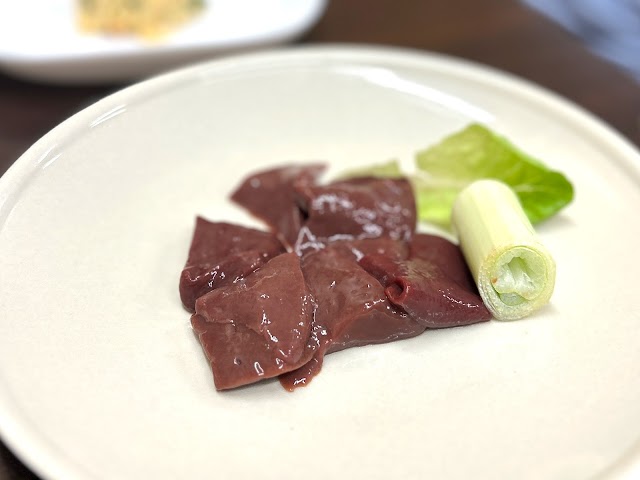
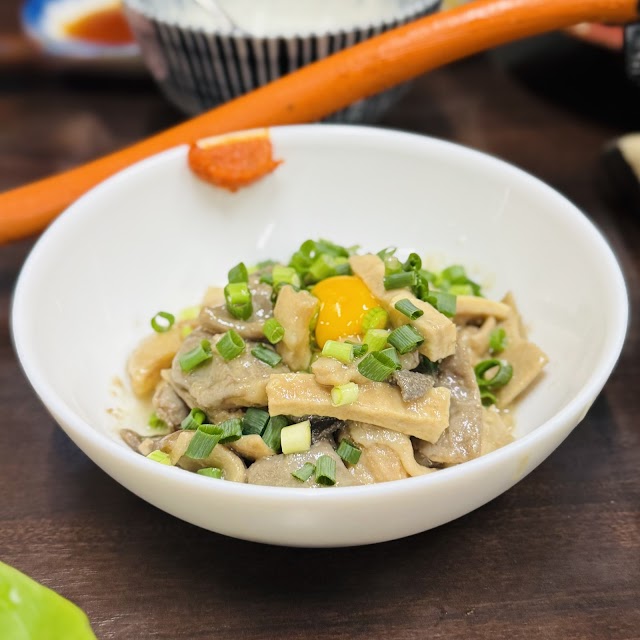
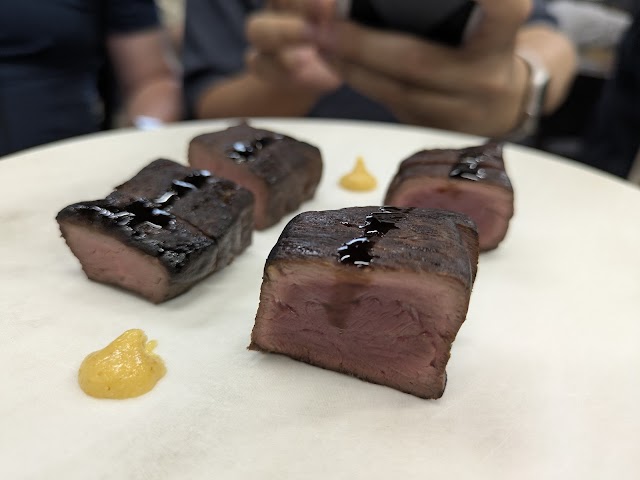
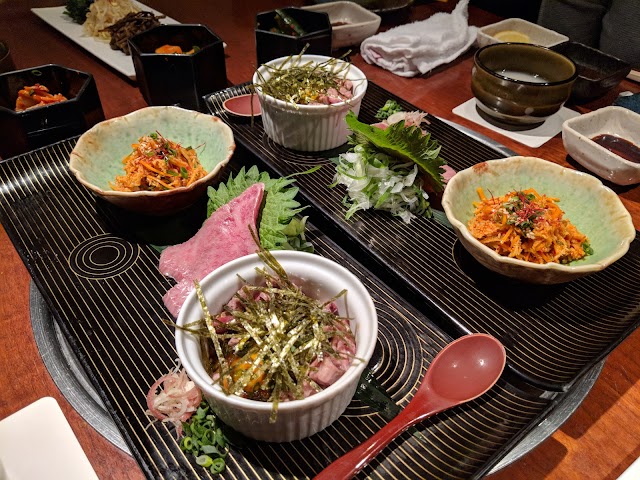
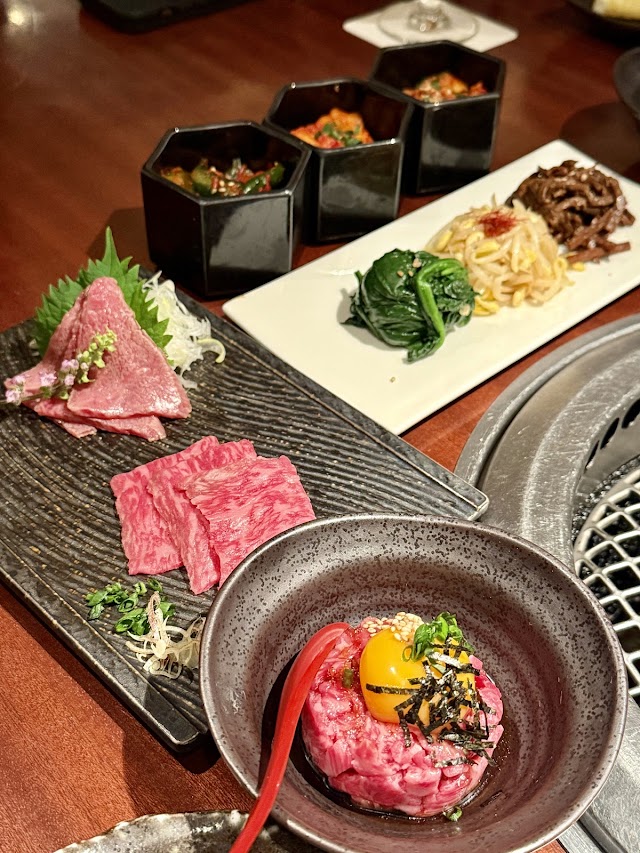
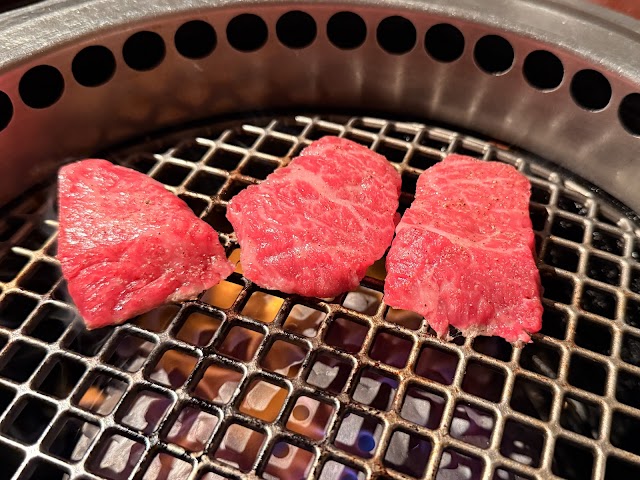
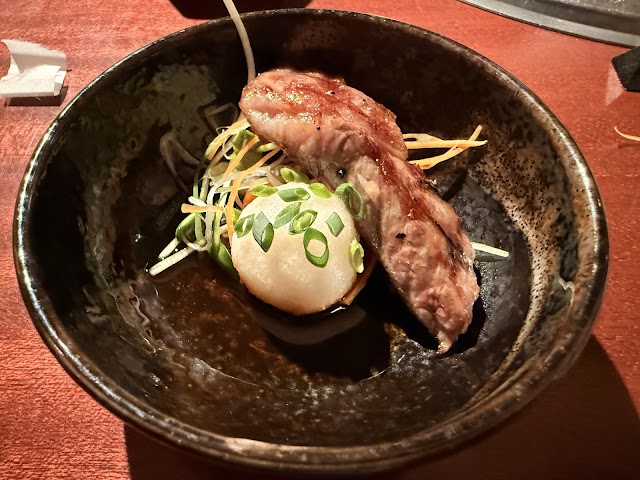
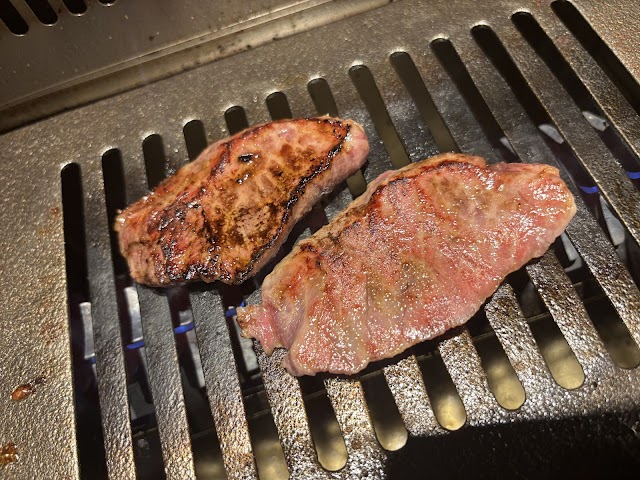
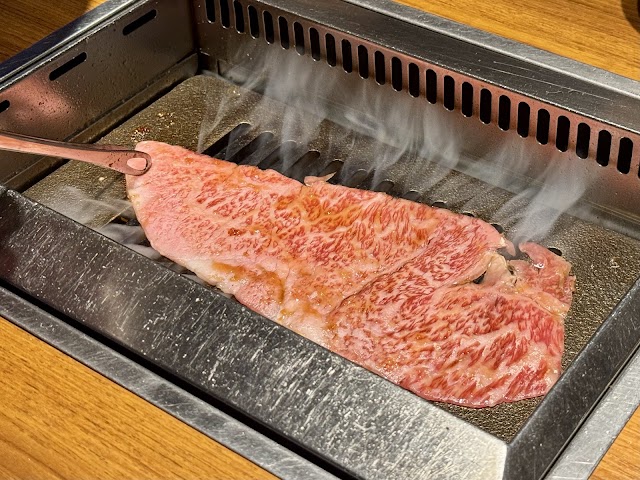
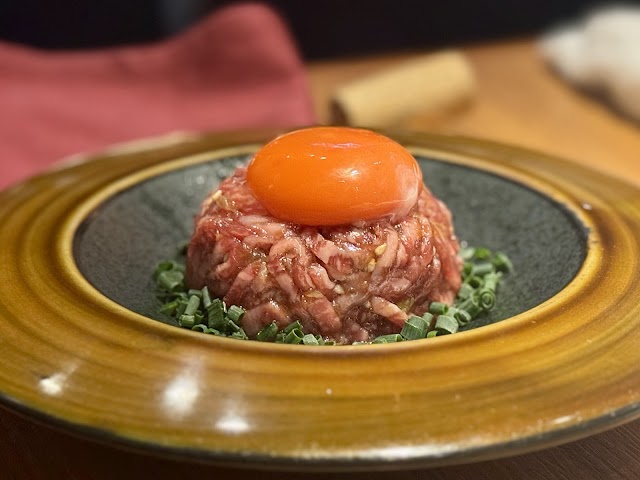
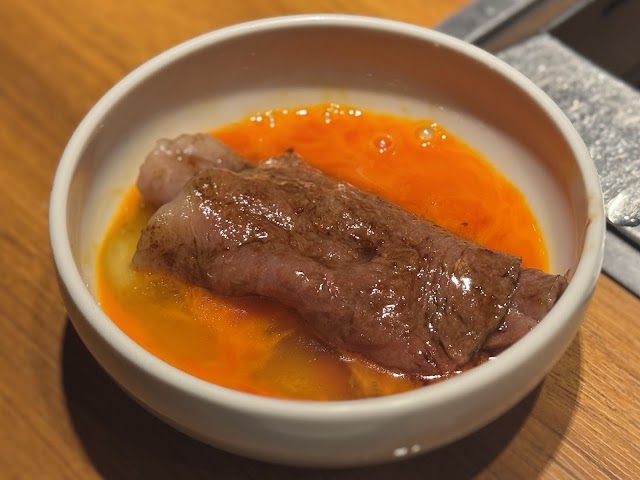
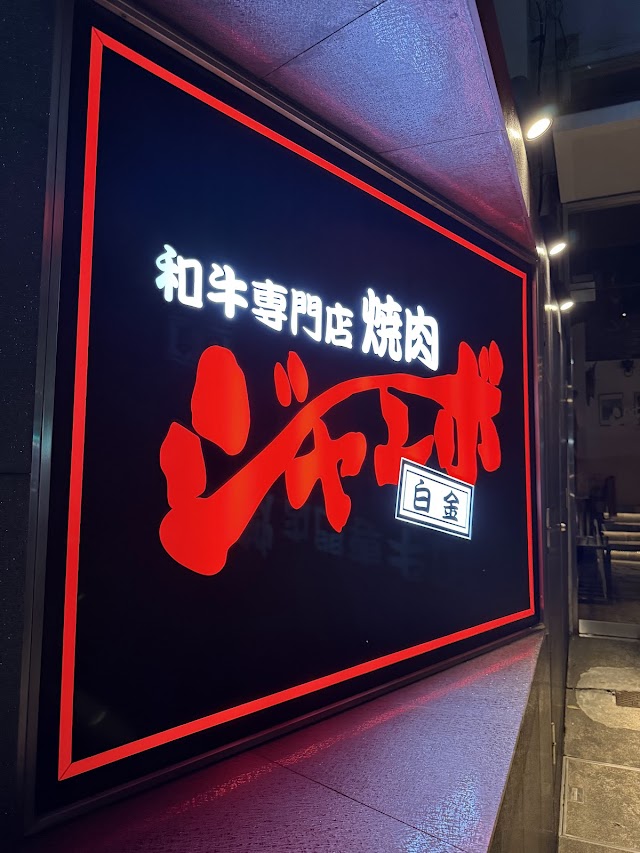
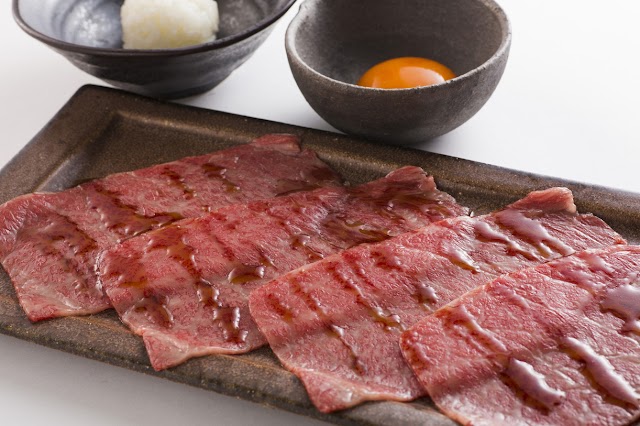
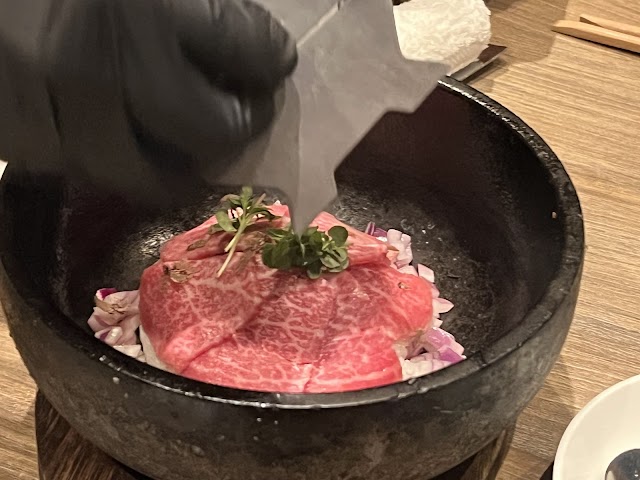
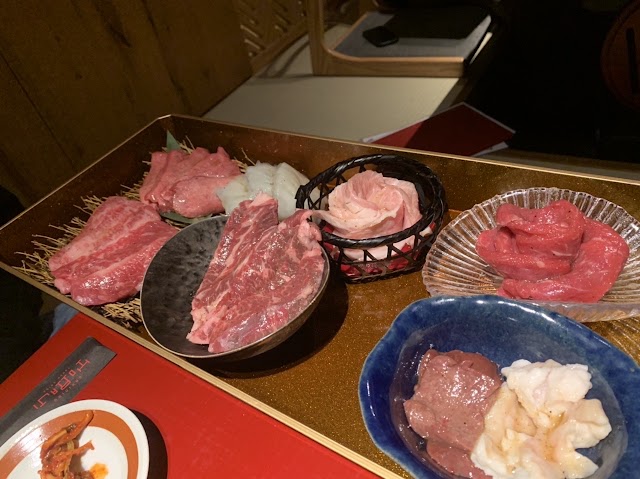
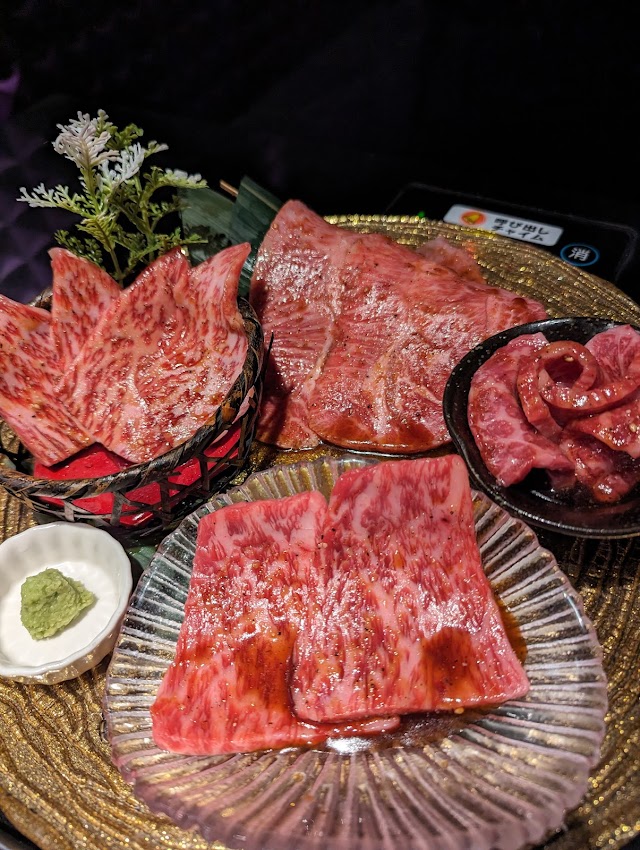
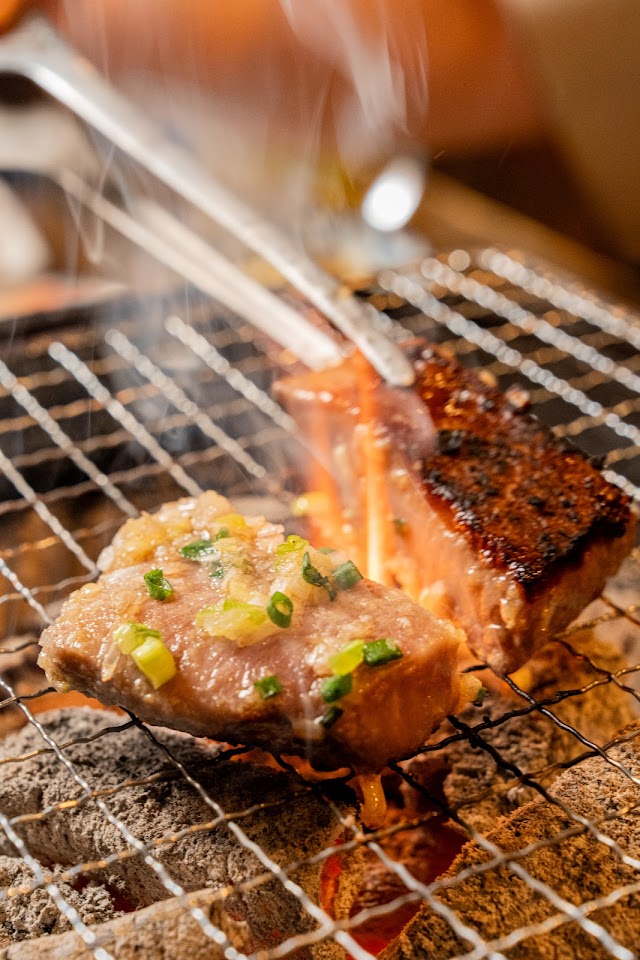
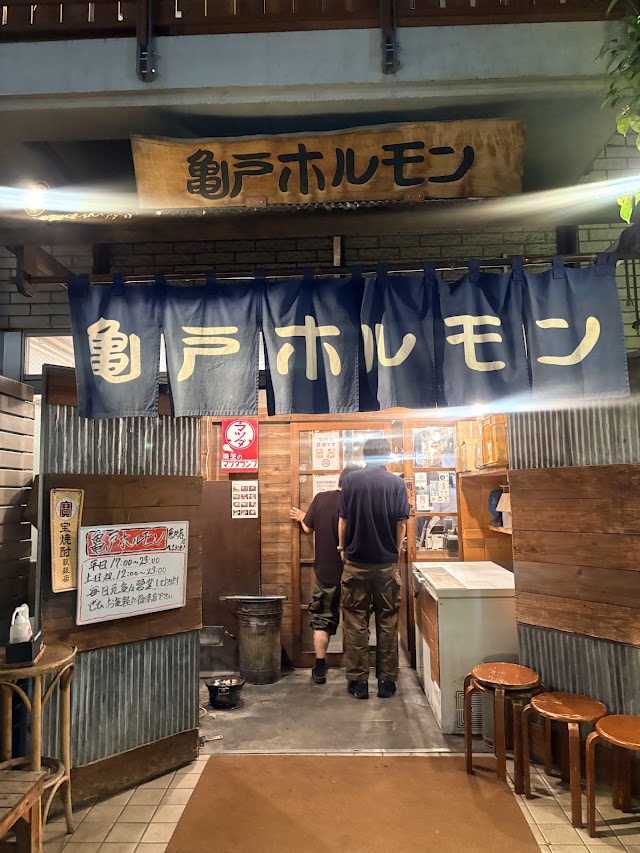
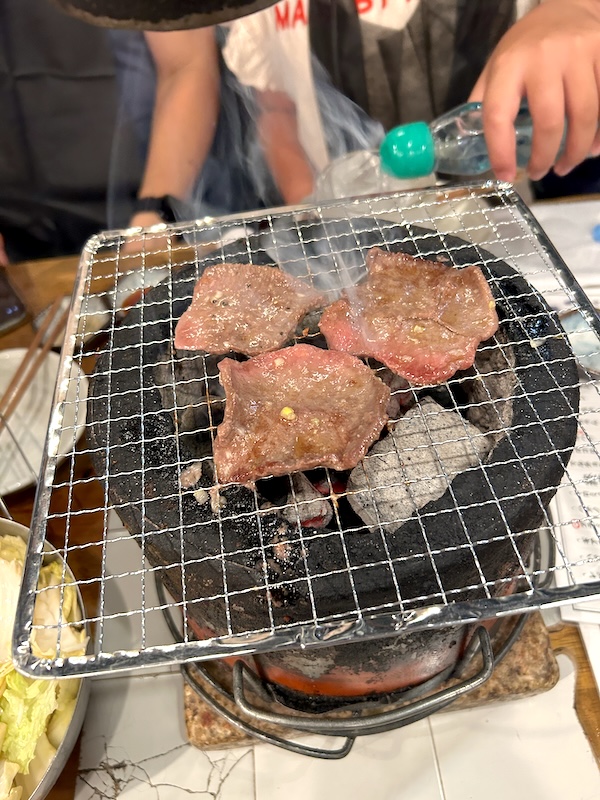
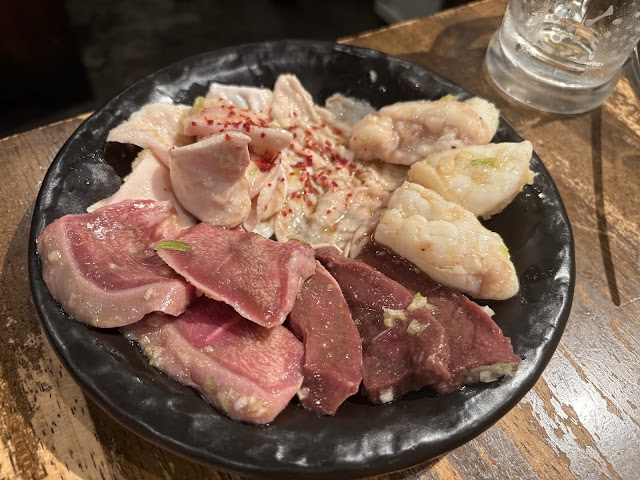
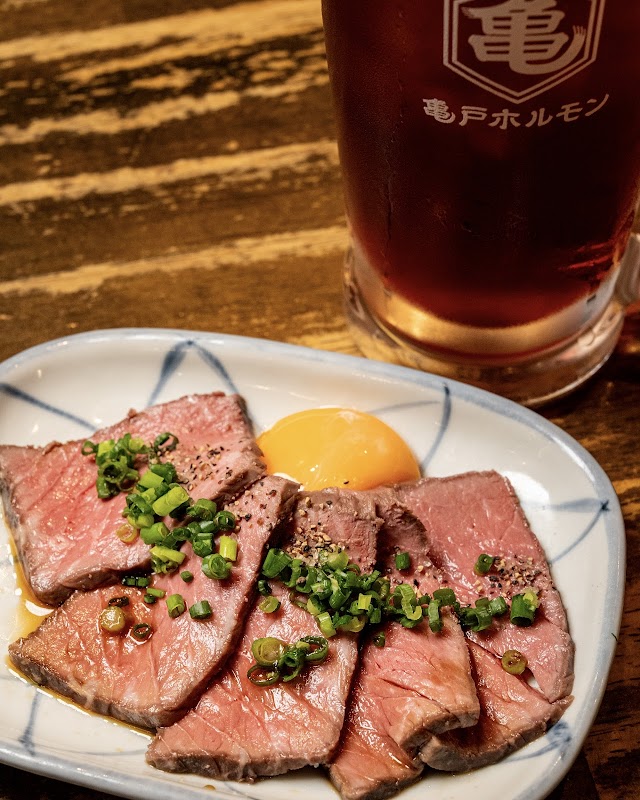
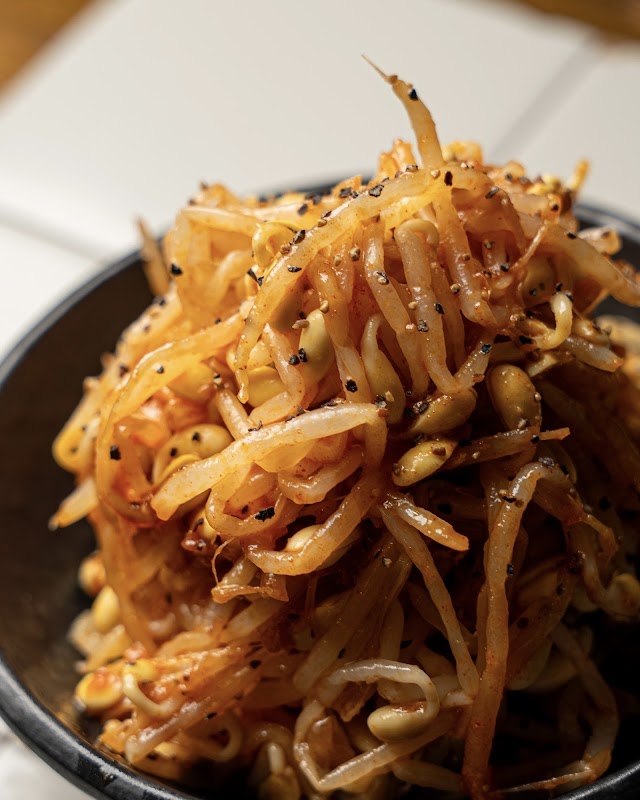
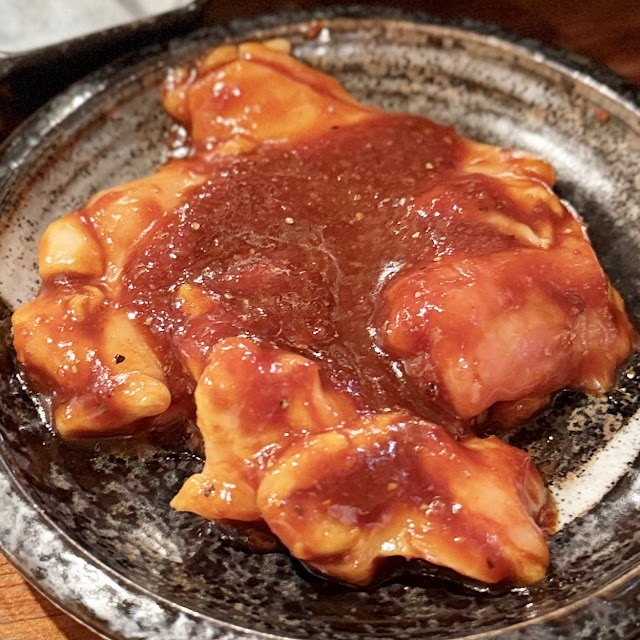
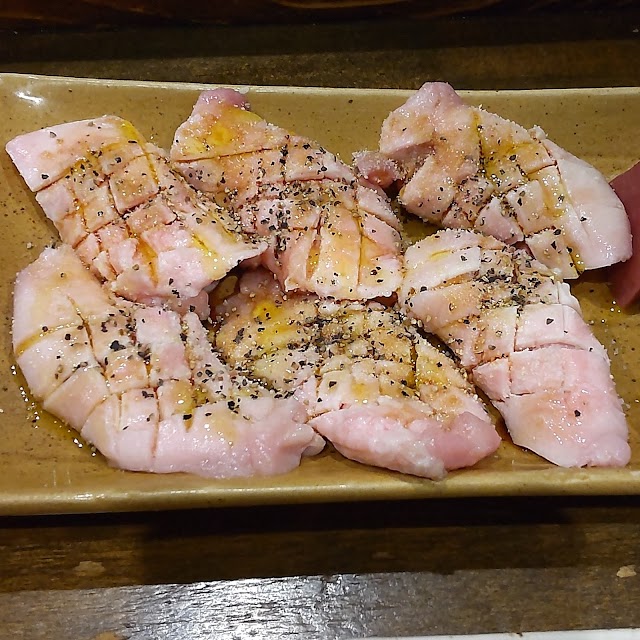
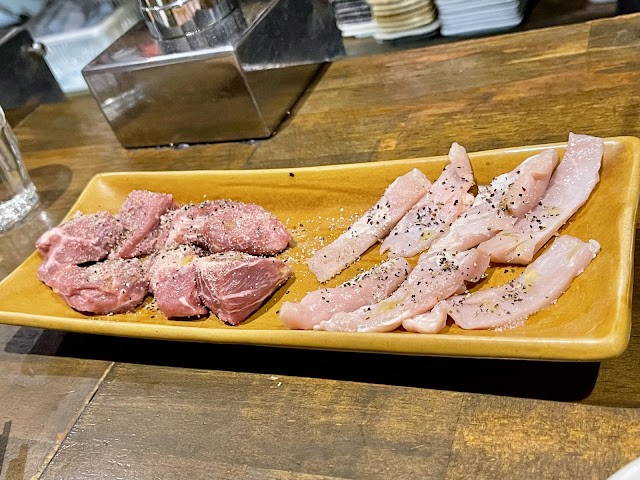
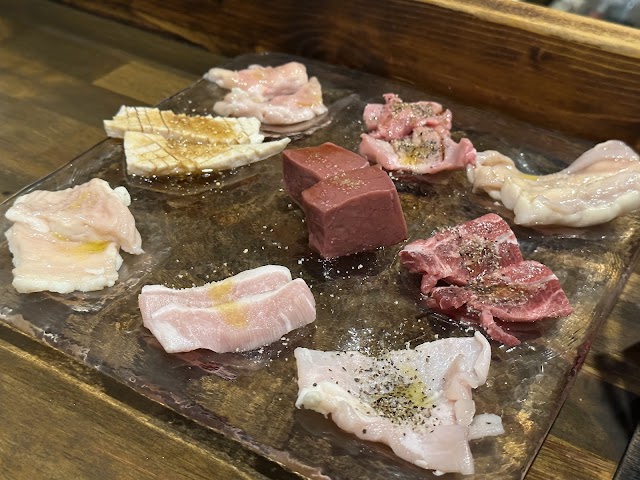
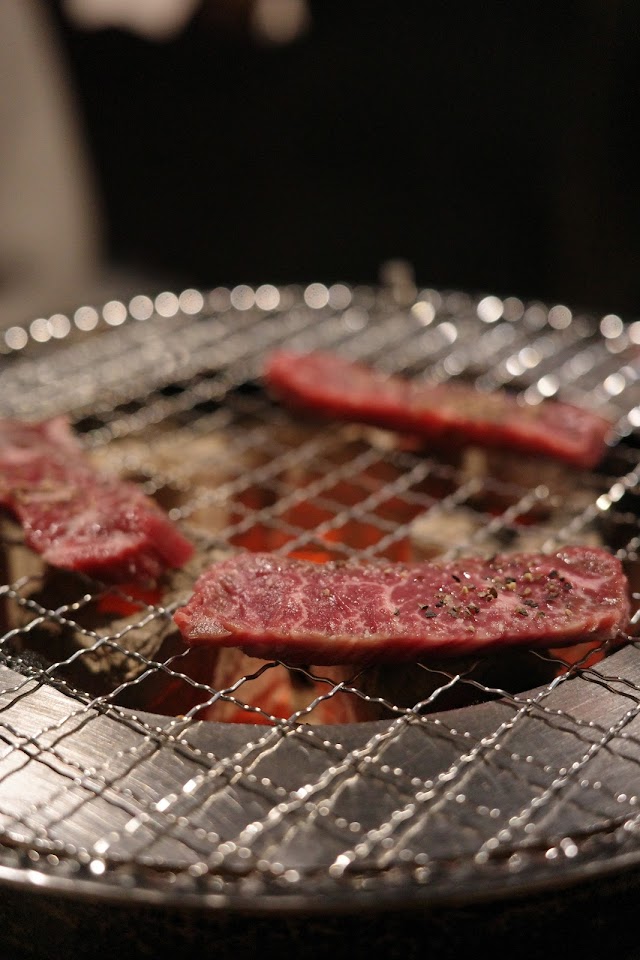
Among the legends, Stamina-en in Adachi's Shikahama is the hard-core name—no reservations, no phone booking, often a one-to-two-hour queue and far from any station, yet rated Tokyo's best, its charcoal and butchery taking each cut to exactly the right point. Yoroniku near Omotesando runs the opposite way, a 'meat kaiseki' grilled slice by slice for you, a Tabelog Top-100 shop that is very hard to book. Niku-yama in Kichijoji plates lean cuts omakase with no menu, generous and satisfying without the high wagyu price, and sells out the moment slots open. For high-end specialists, Yakiniku Jumbo in Shirokane is famed for thick-cut tongue and chateaubriand, with lunch the better value; Ushigoro in Nishi-Azabu is an all-private-room A5 omakase built for business and anniversaries, with a casual sister brand (Ushigoro Bambina) a tier down. For mid-tier and hormone: Toraji is the friendliest first stop—easy booking, English menus, private rooms; Kameido Hormone in Ebisu is smoky, fresh and cheap; Yamadaya by Uguisudani is a downtown bargain known for thick-cut skirt; Onoda Shoten in Nakameguro turns offal into a ~600-yen tasting flight. Words to know: tan (tongue), karubi, harami (skirt), rosu (loin), chateaubriand, horumon; 'jo/tokujo' is grade, 'shio' vs 'tare' the seasoning—order pricier cuts with salt first. Budgets run about 3,000 to 15,000 yen. (Sources: Tabelog 'Yakiniku Tokyo Top-100 2025' and Tokyo yakiniku/hormone rankings, Michelin Guide Tokyo, Hitosara / Jalan / @DIME features, shop and Ushigoro Group / Yakiniku Jumbo / Stamina-en official info, and Wikipedia on yakiniku and horumon.)
 Scan for map
 Scan for map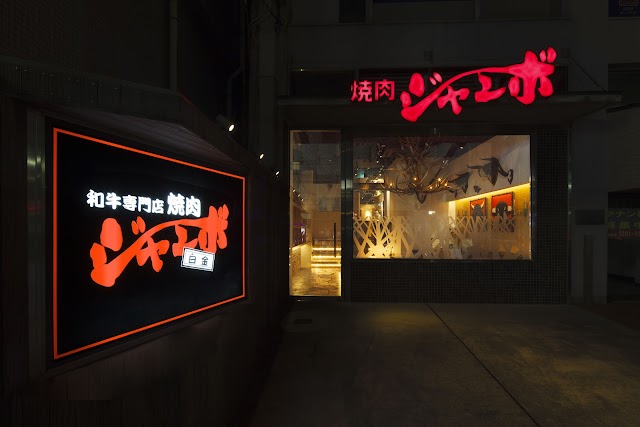
 Scan for map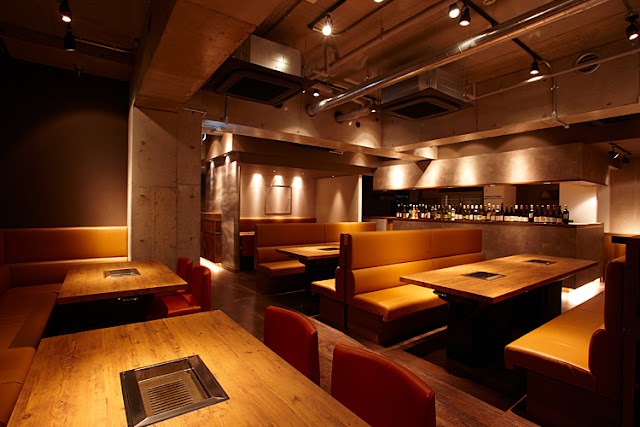
 Scan for map
 Scan for map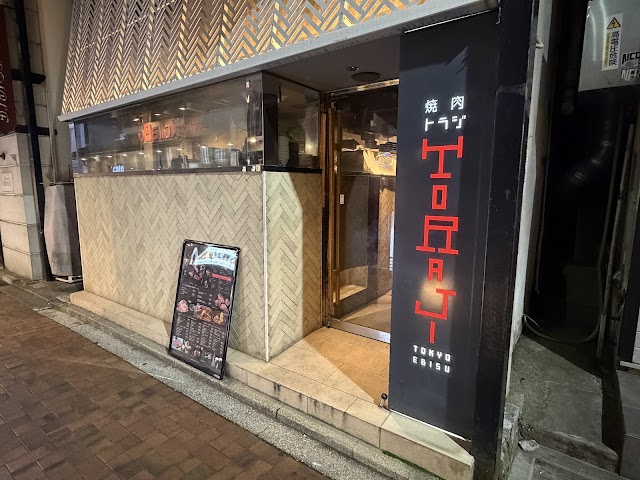
 Scan for map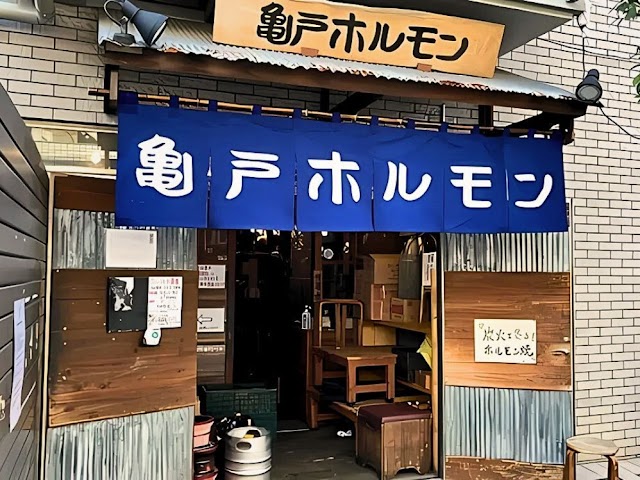
 Scan for map
 Scan for map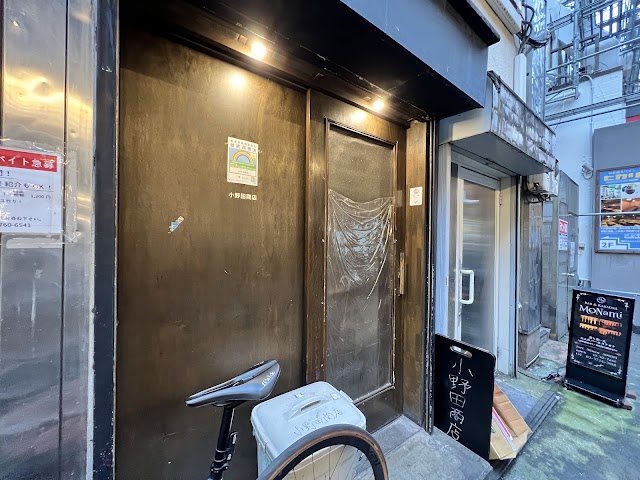
 Scan for map