Japan's May Imports from Middle East Plunge 42.7%A · FULL TRANSLATION
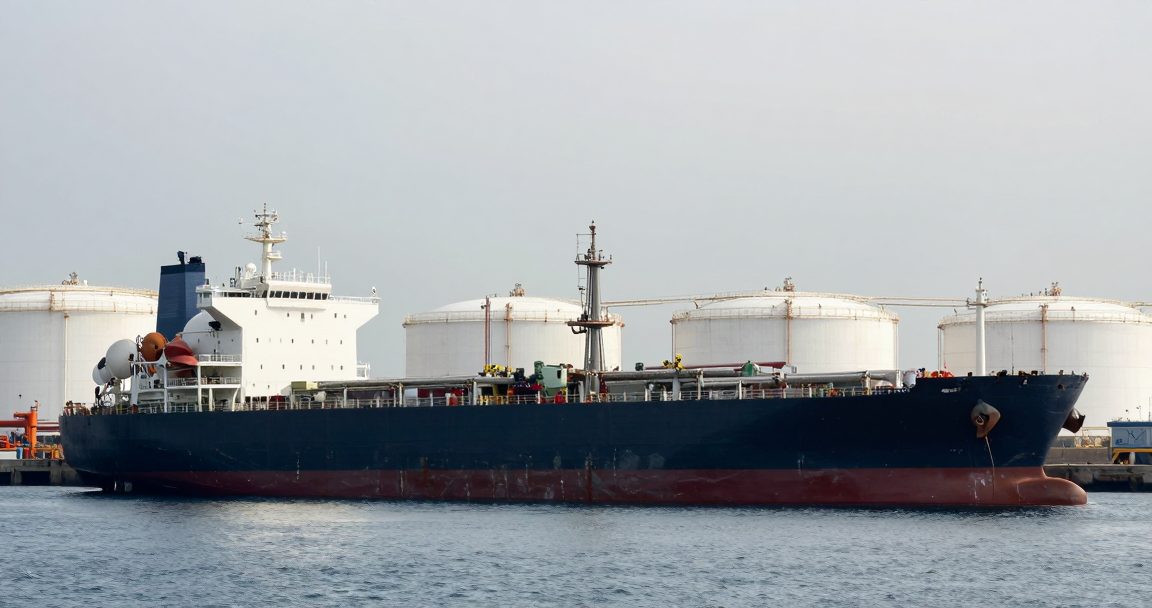
- JETRO data show Japan's May imports from the Middle East fell 42.7% YoY; exports fell 32.0%.
- The Middle East is key to Japan's crude and gas, so the drop reflects price and volume shifts.
- Swings tie to oil prices, geopolitics and the yen.
- Energy import costs directly drive Japan's trade balance and import inflation.
- For readers, it is a key window onto Japan's energy dependence and current-account health.
JETRO's latest trade data carry a warning: Japan's May imports from the Middle East fell 42.7% year on year, and exports to the region dropped 32.0%. Because Japan depends heavily on Middle East crude and gas, this import figure is essentially its energy bill in miniature.
A 42.7% drop could reflect falling oil prices (lower value for the same volume) or reduced purchases (lower volume), and which dominates matters. Either way, such a swing shows energy forces pulling hard on Japan's trade balance and, through electricity and freight, on import-driven inflation the BOJ watches closely. If lower prices drive it, that eases Japan's bill; if supply disruption forces costlier alternatives, near-term value falls but long-term costs may rise. Watch oil and gas prices, Middle East tensions, and Japan's overall trade and current-account data.
According to trade statistics compiled by JETRO, Japan's imports from the Middle East in May fell 42.7% year on year, while exports to the region declined 32.0%, a sharp two-way contraction. Key counterpart countries include the United Arab Emirates, Iran and Saudi Arabia.
The Middle East is a crucial source of energy resources such as crude oil for Japan, so a steep drop in import value is read as reflecting both energy prices and actual purchase volumes. The decline may stem from lower prices or reduced purchasing, requiring further comparison of price and volume data to identify the main driver.
On exports, the fall may relate to local demand, exchange rates and geopolitics. Because energy imports weigh heavily on Japan's trade balance, large swings in Middle East trade directly affect the trade balance and import-price trends, warranting continued attention.