The Ruin Real Estate Agents Refused Becomes a Children's Art Forest: Inside Japan's Akiya Matching
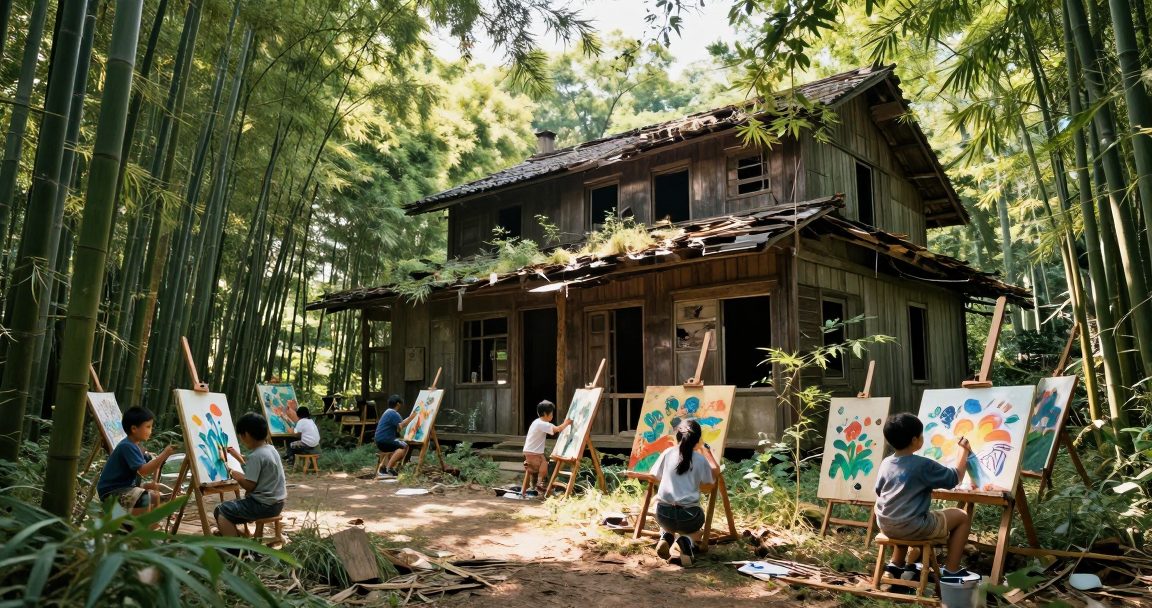
- An inherited derelict house with woods and bamboo groves found a buyer through an akiya matching platform
- The property was reborn as an art-and-nature base for children; the key was finding the right buyer, not cutting price
- Japan has about 9 million vacant homes, a record 13.8% vacancy rate as of the 2023 housing survey
- Mandatory inheritance registration since April 2024 raises the legal cost of neglecting inherited property
Cheap Japanese houses have become a fascination for overseas bargain hunters, and this Toyo Keizai story shows both sides of the coin. A property so hopeless that real estate agents refused it — a collapsing house plus untended woods and bamboo — found its ideal buyer through an akiya matching platform and was reborn as a children's art-and-nature forest. The backdrop: Japan counts roughly 9 million vacant homes, a record 13.8% vacancy rate, and the policy screws are tightening. Inheritance registration became mandatory in April 2024 with fines for neglect, and the revised vacant-house law can strip neglected properties of their property-tax discount, multiplying holding costs overnight. Doing nothing is no longer free. The deal logic matters more than the deal: traditional valuation asked what the place was worth and answered nothing; the matching platform asked who needs this kind of space. The buyer wanted exactly the wildness that killed the listing. For foreign buyers the practical checklist is unglamorous — verify rebuilding rights before buying, budget demolition costs, hunt municipal renovation subsidies, and favor properties a creative use can rescue over the merely cheapest. Nine million empty homes are either a sea of liabilities or a mine of raw material; the difference is the business plan you bring.