Tokyo Self-Roast Coffee 2026: Nine Roasters From Cafe Bach, the 1968 Founder of Japan's Home-Roasting Craft, to Kiyosumi-Shirakawa's Coffee Mecca and a Warehouse Bar on Harajuku's Cat Street
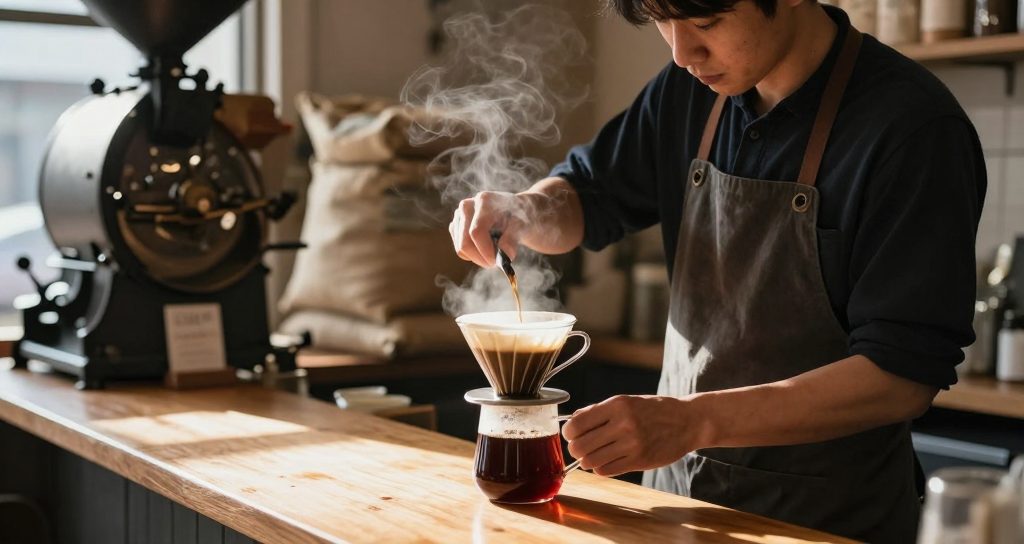
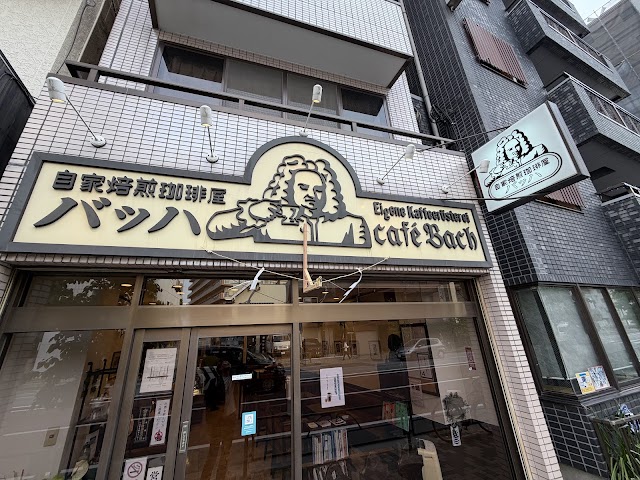
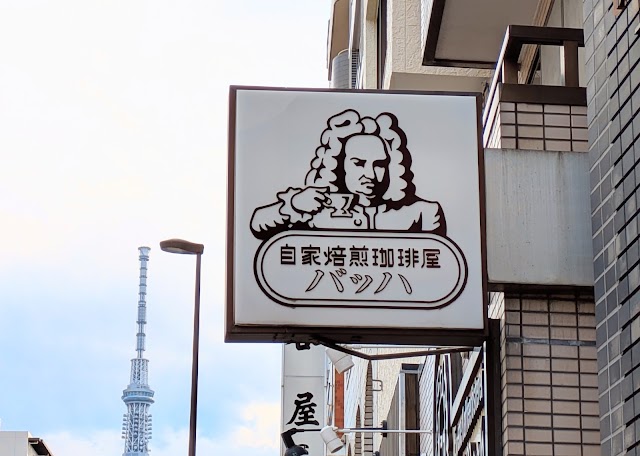
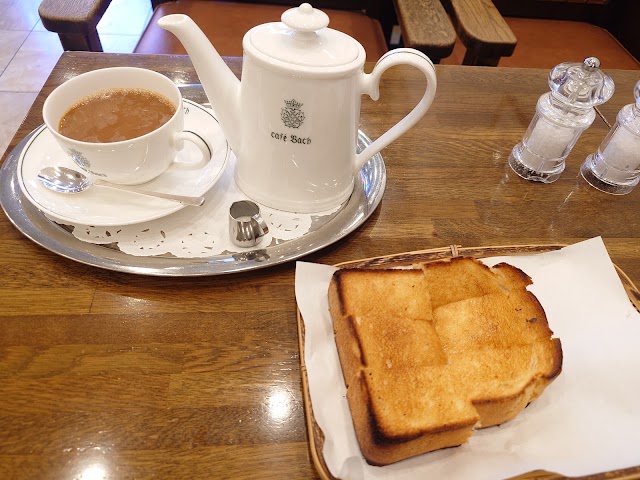
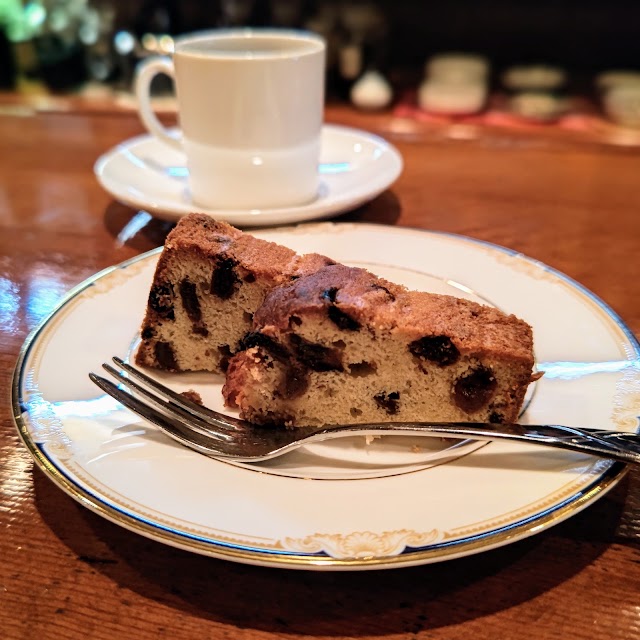
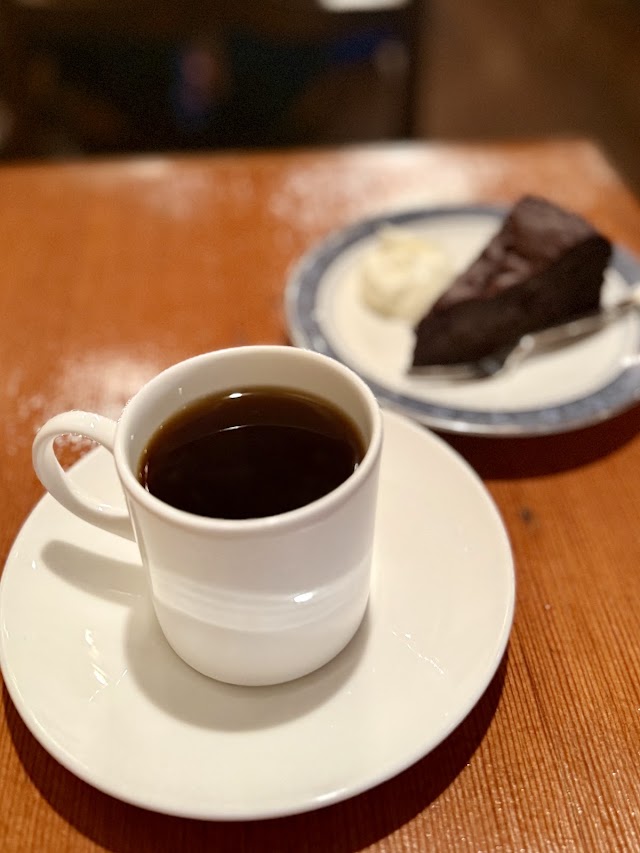
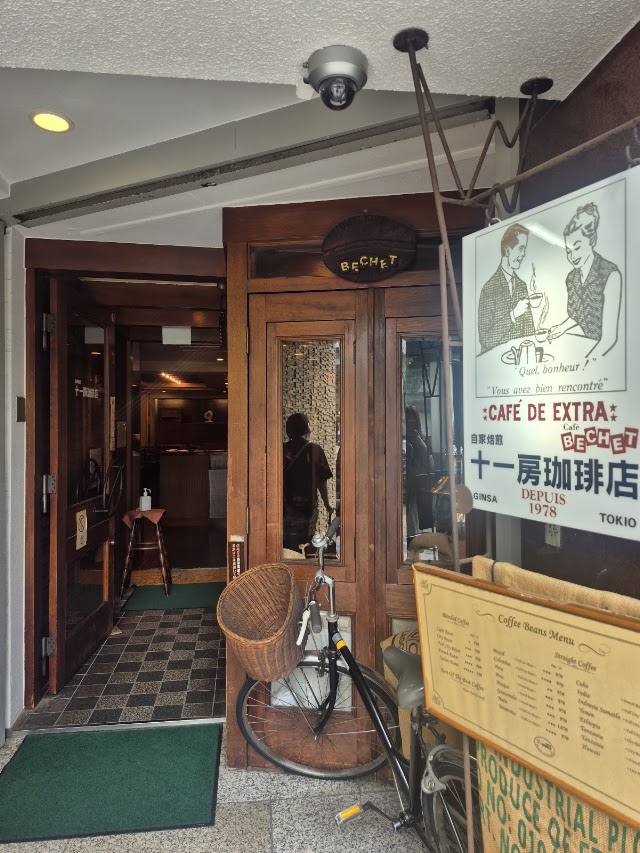
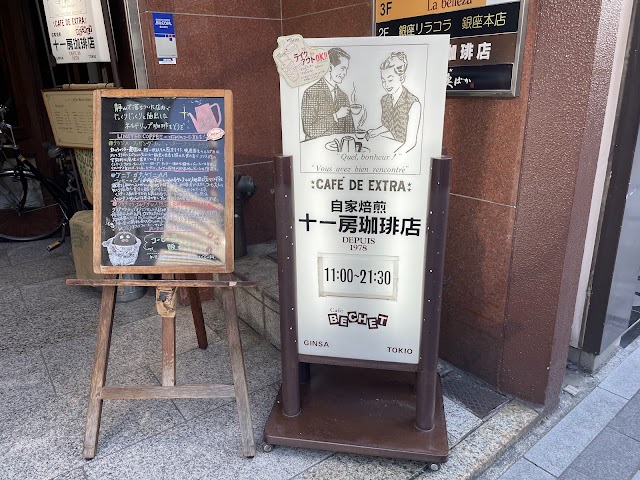
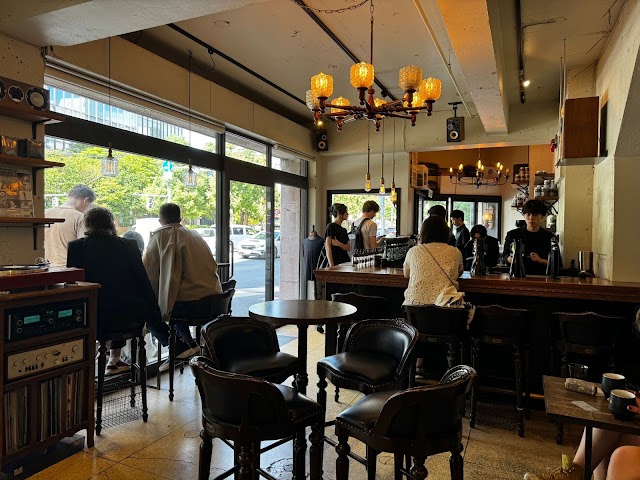
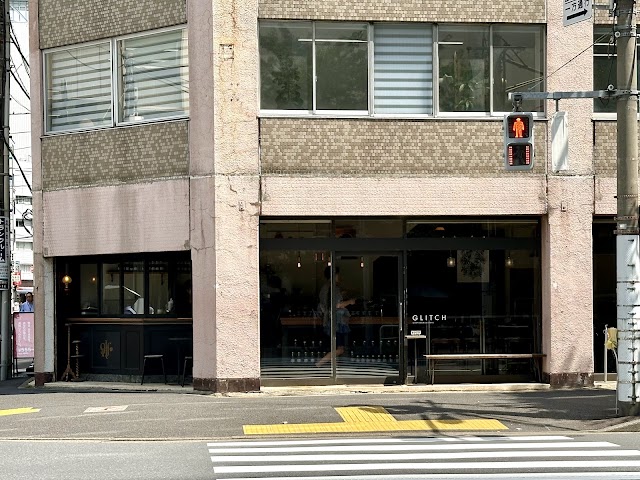
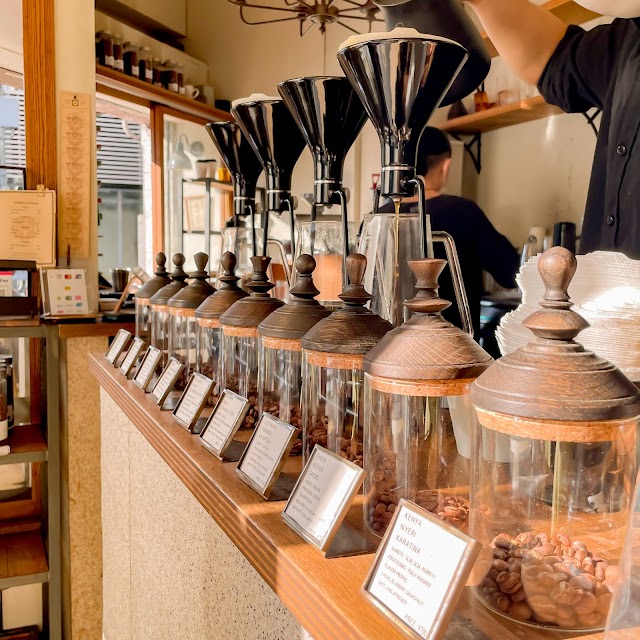
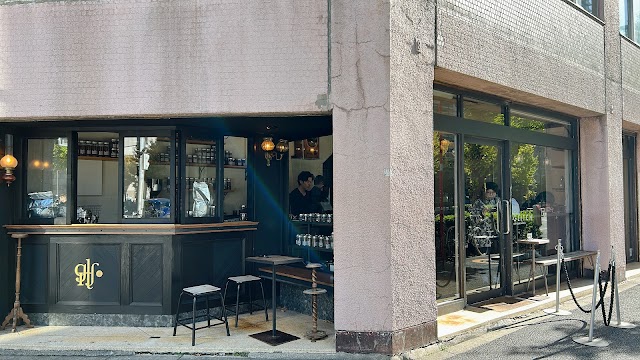
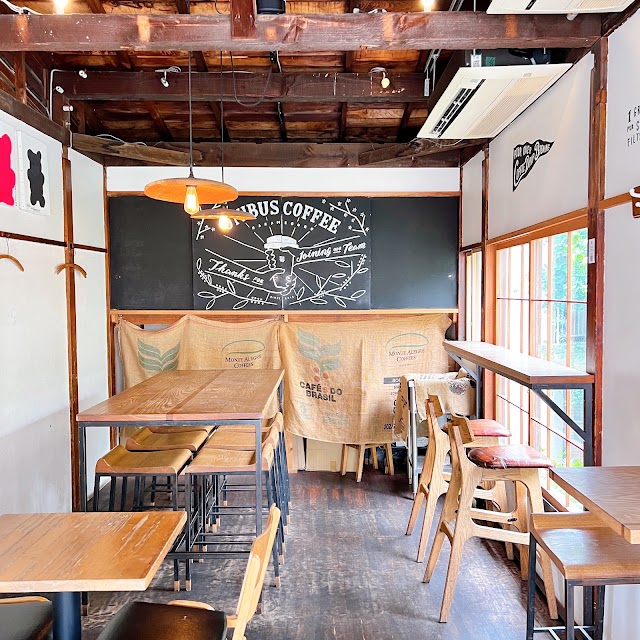
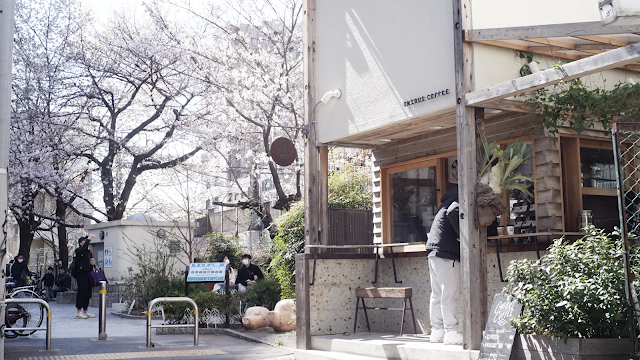
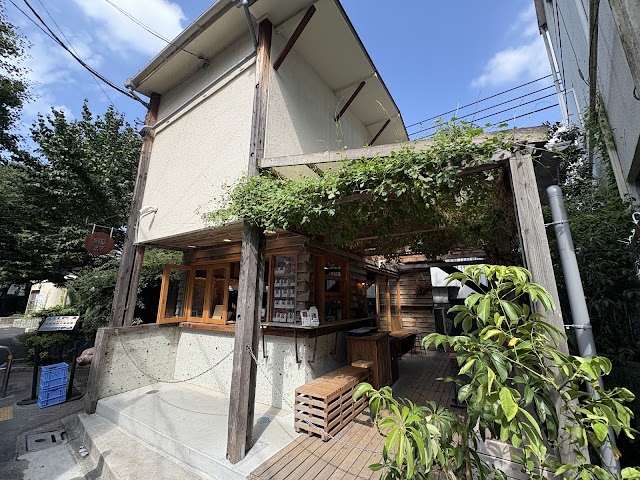
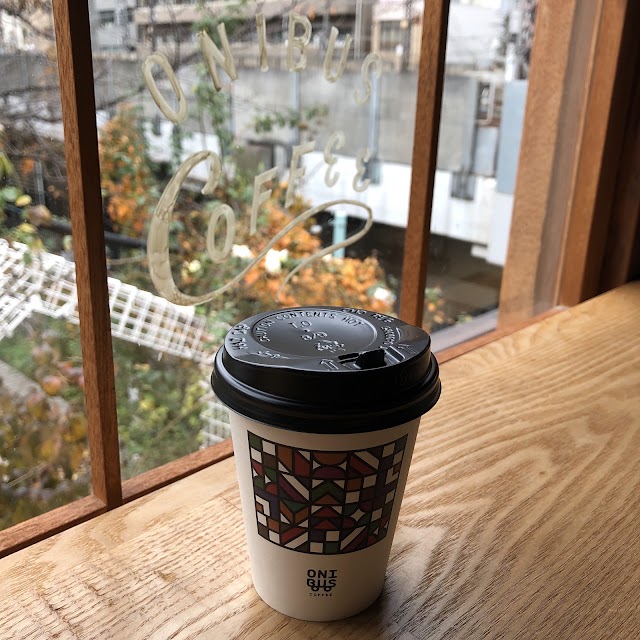
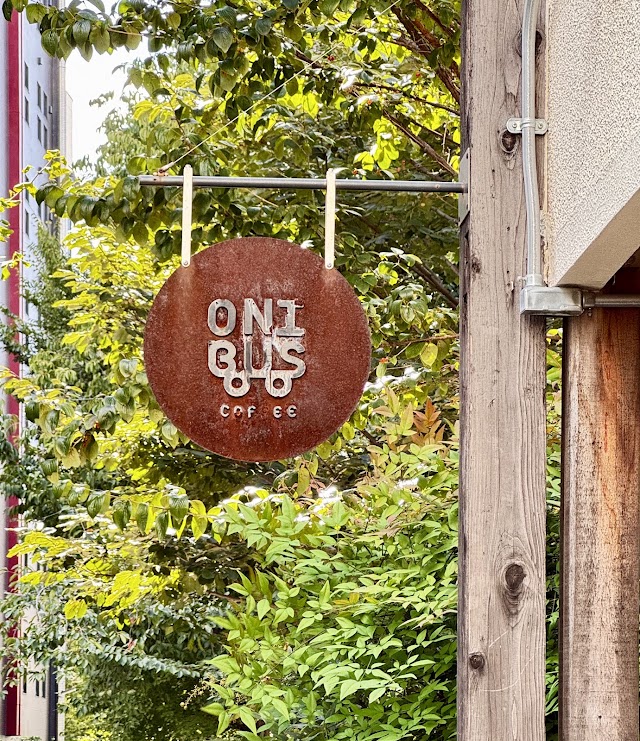
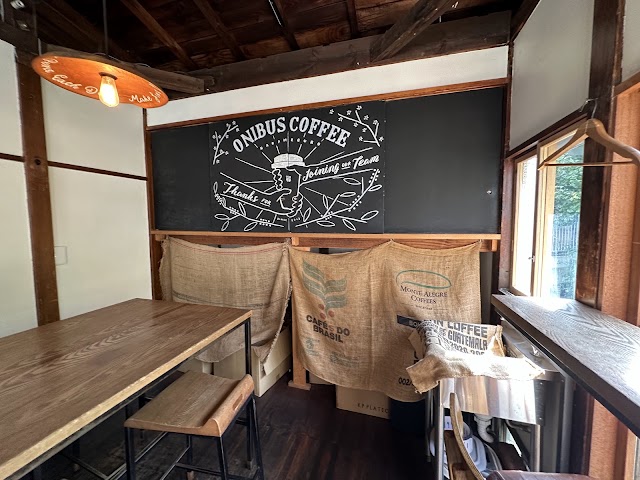
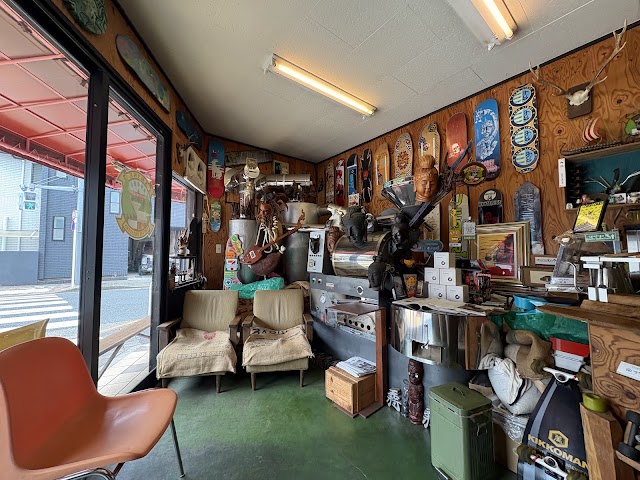
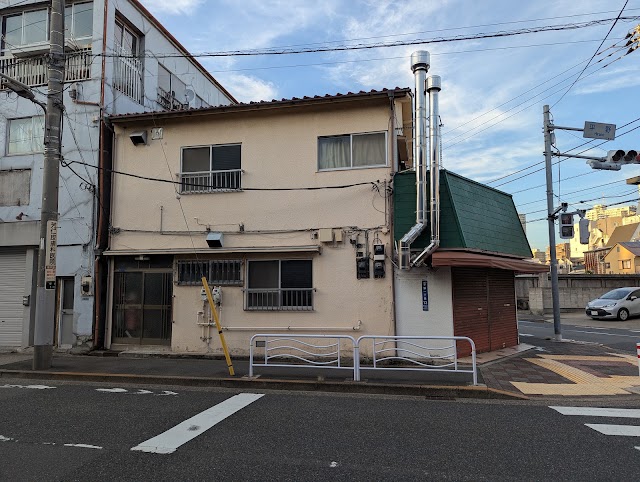
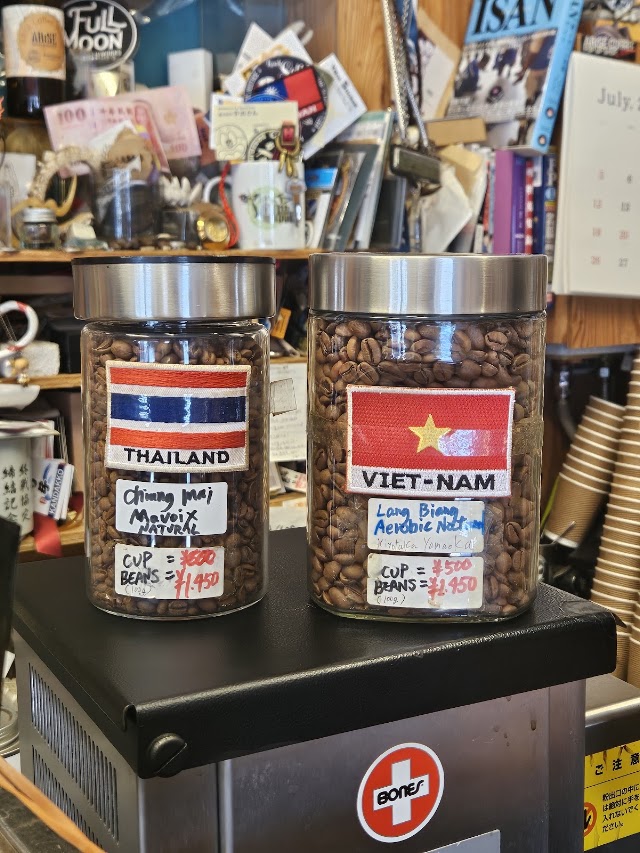
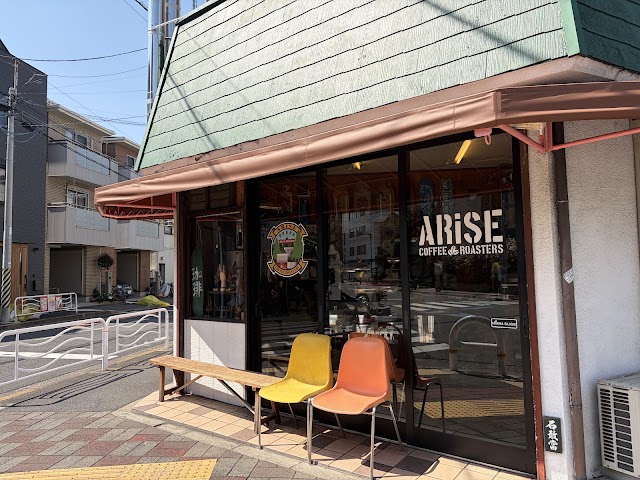
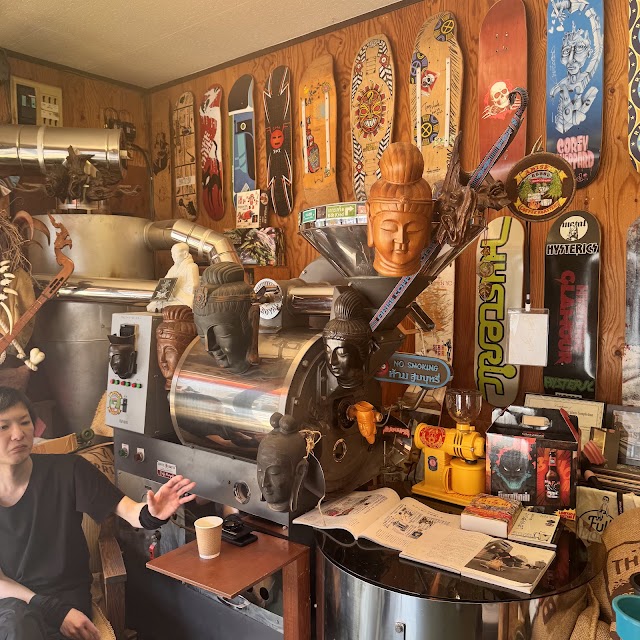
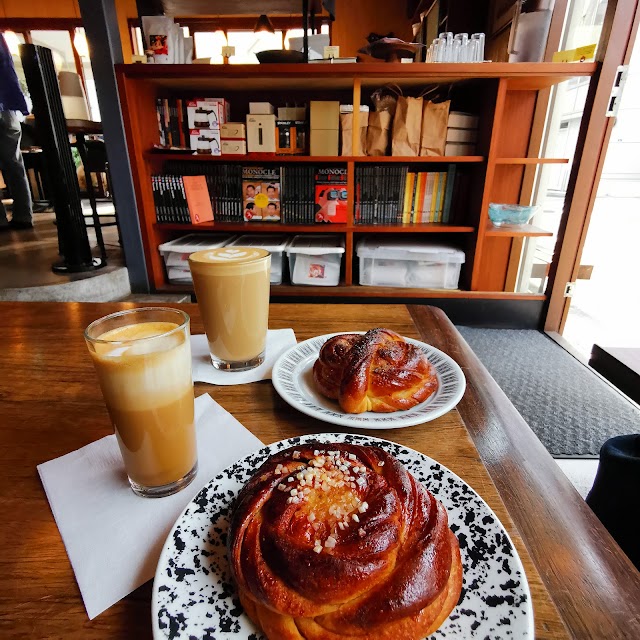
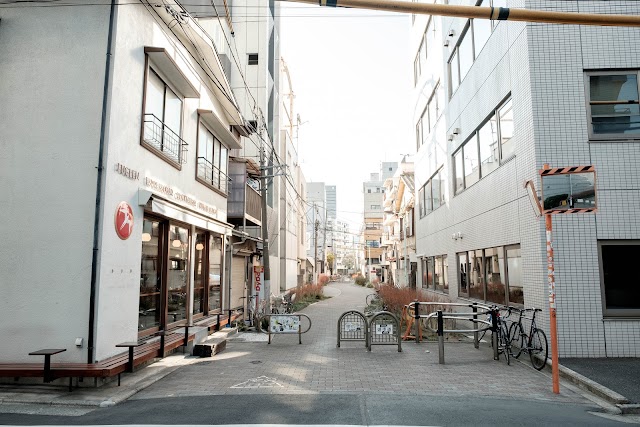
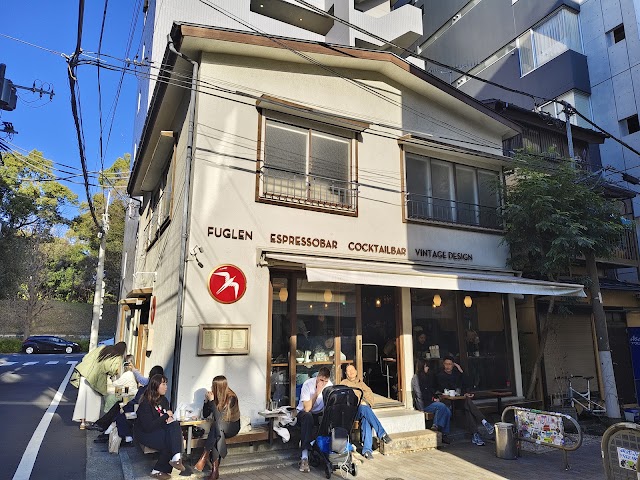
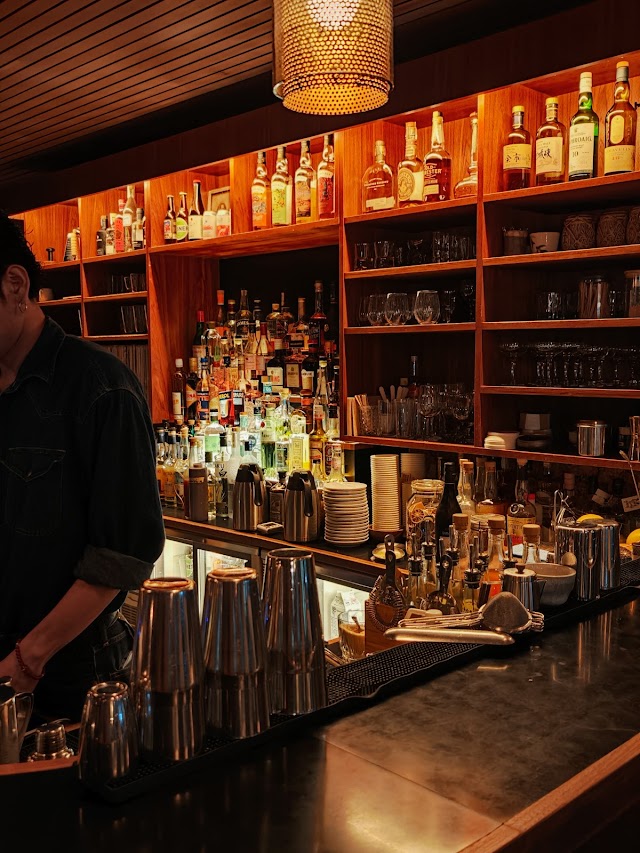
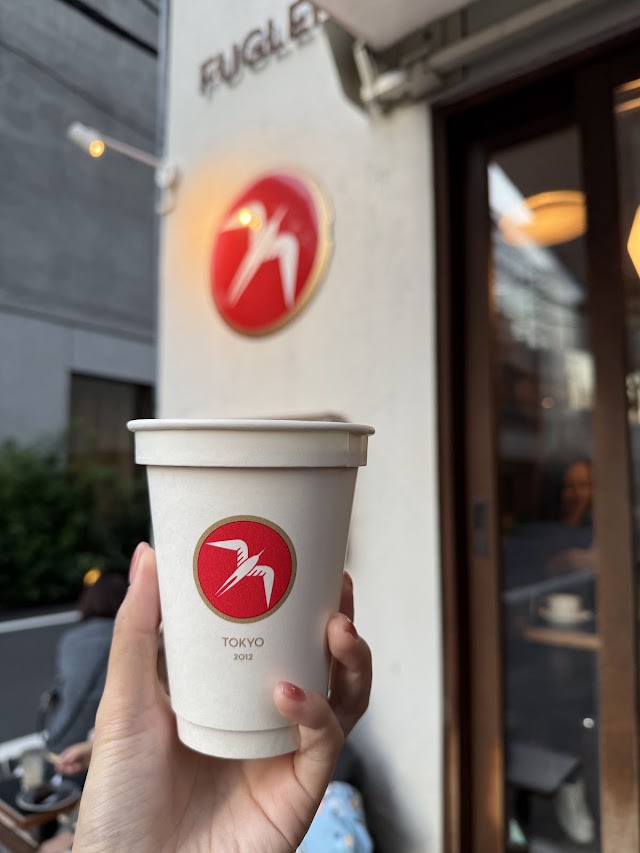
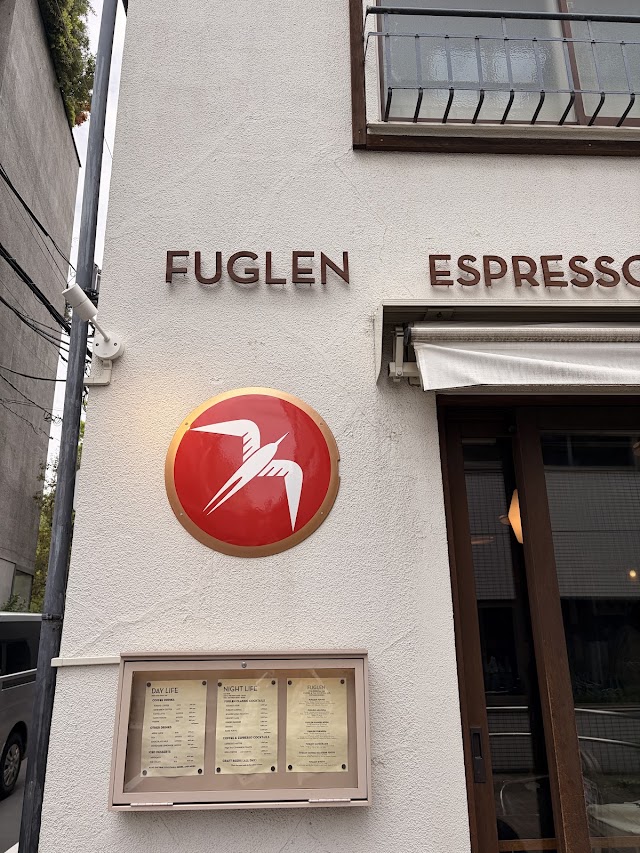
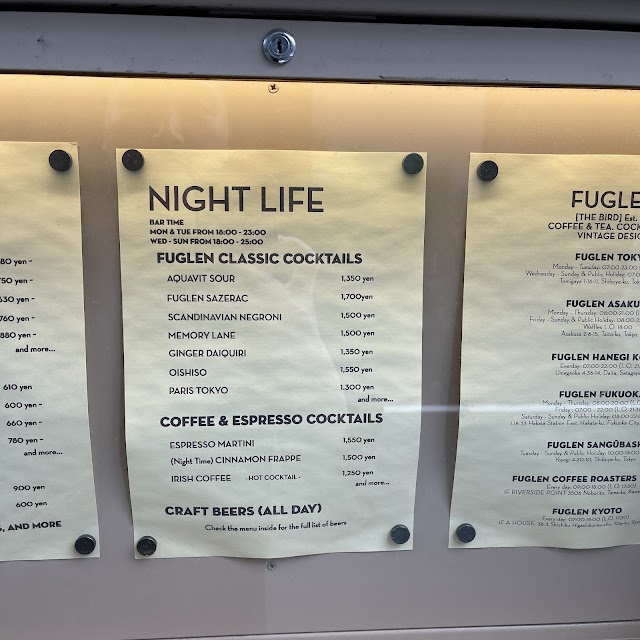
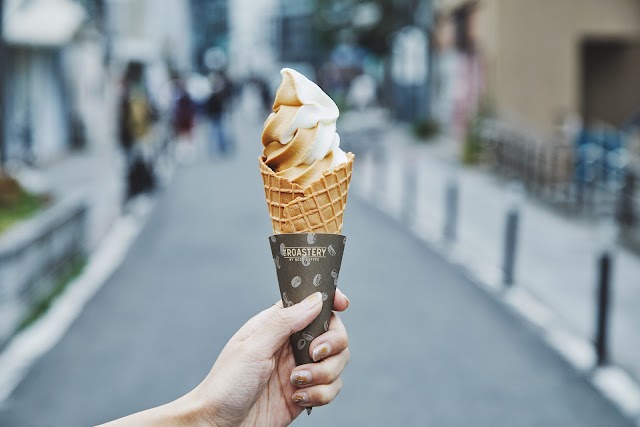
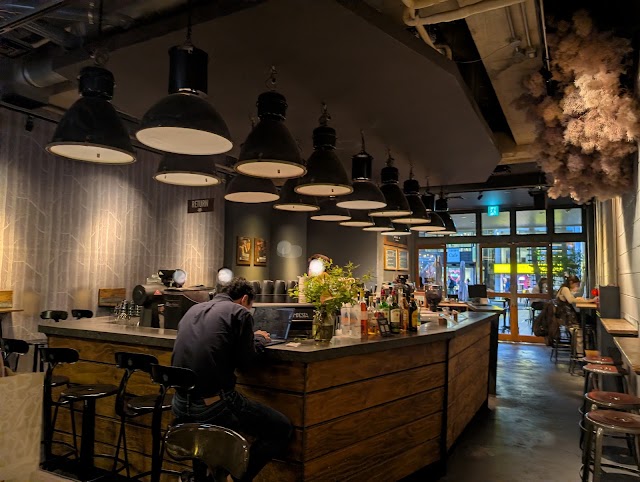
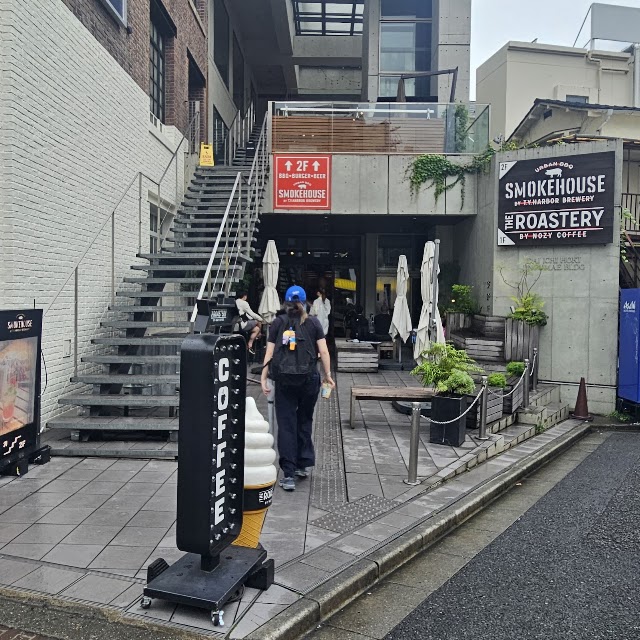
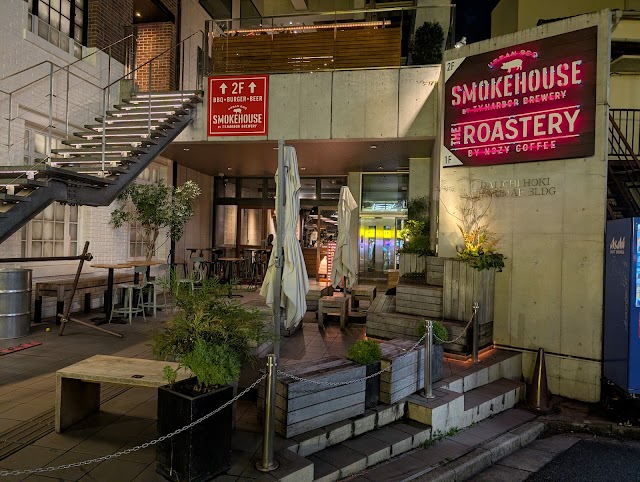
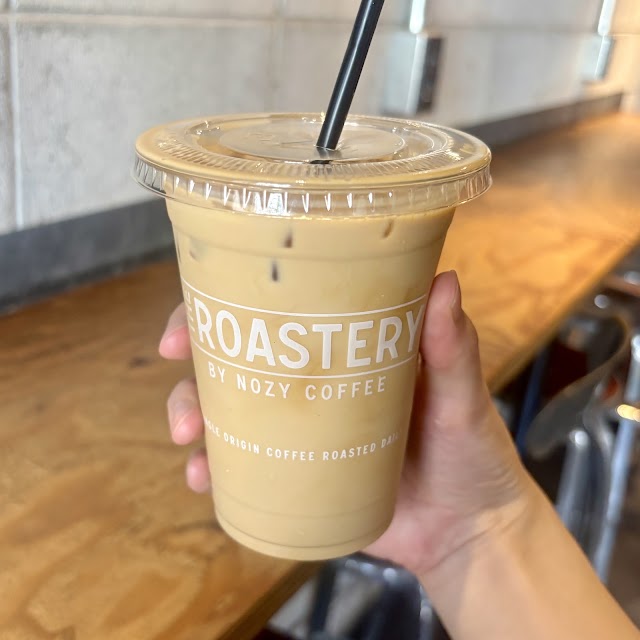
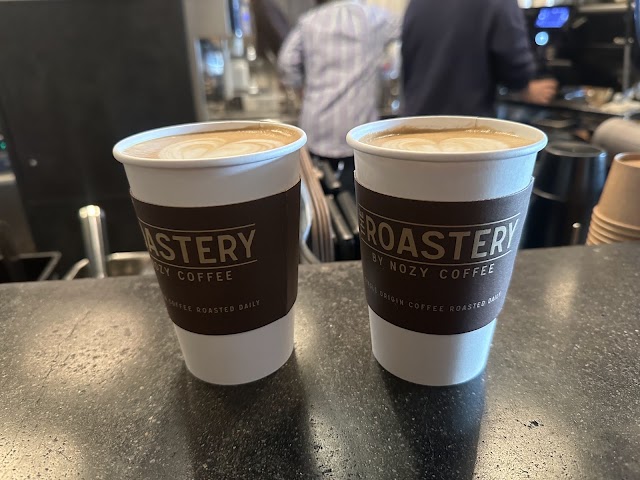
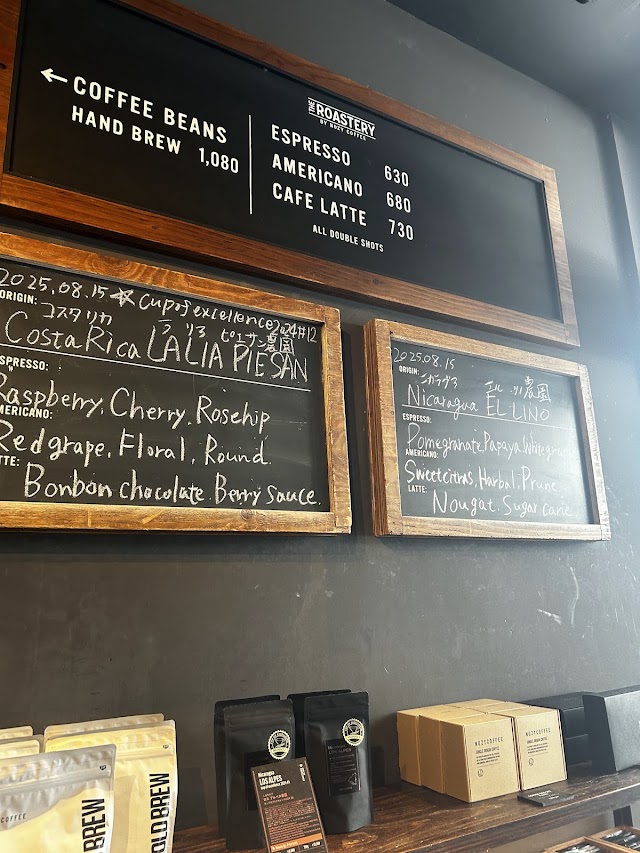
- Three routes: (1) old-guard self-roasters — Cafe Bach Minami-Senju (est. 1968, founder Taguchi, hand-picking; Japan's home-roast benchmark), Juichibo Ginza (est. 1978, flannel drip), Sabo Hato Shibuya (cup matched to your bean); (2) third-wave flagships — Glitch Jimbocho (light-roast single origin, est. 2015), Onibus Nakameguro (roasting theater), The Cream of the Crop Kiyosumi-Shirakawa (spark of the coffee town); (3) corner roasters/Nordic — Arise Kiyosumi-Shirakawa (six-tsubo one-person roaster), Fuglen Tomigaya (Oslo's first overseas branch, 2012, cafe-by-day/bar-by-night), The Roastery by Nozy Jingumae (Cat Street warehouse bar)
- Two bloodlines: dark-roast x flannel-drip kissaten (1960s–70s) vs light-roast x single-origin third wave (spread from Kiyosumi-Shirakawa and Oku-Shibuya around 2010) — this route tastes both
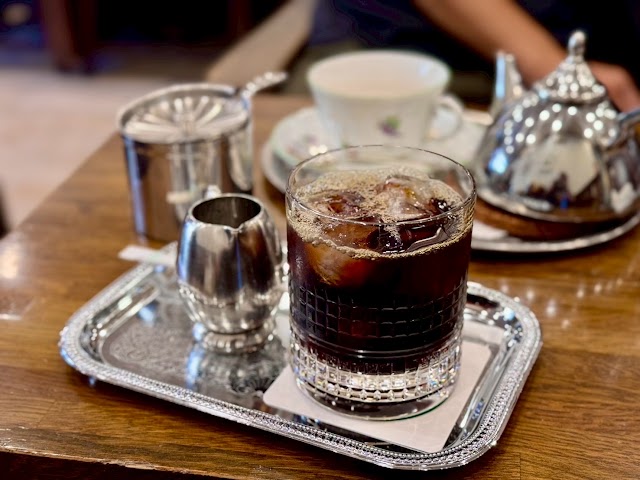
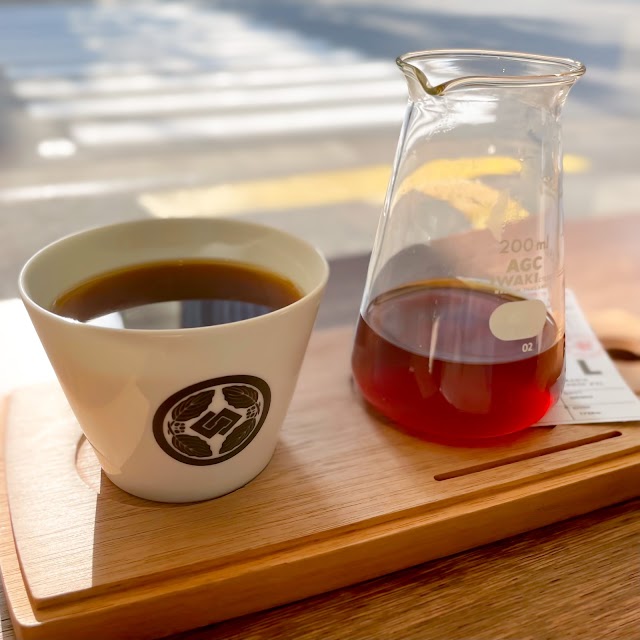
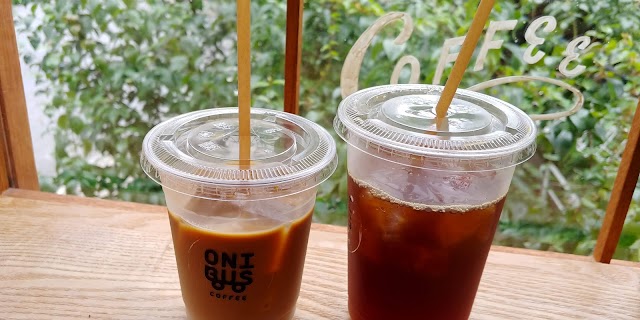
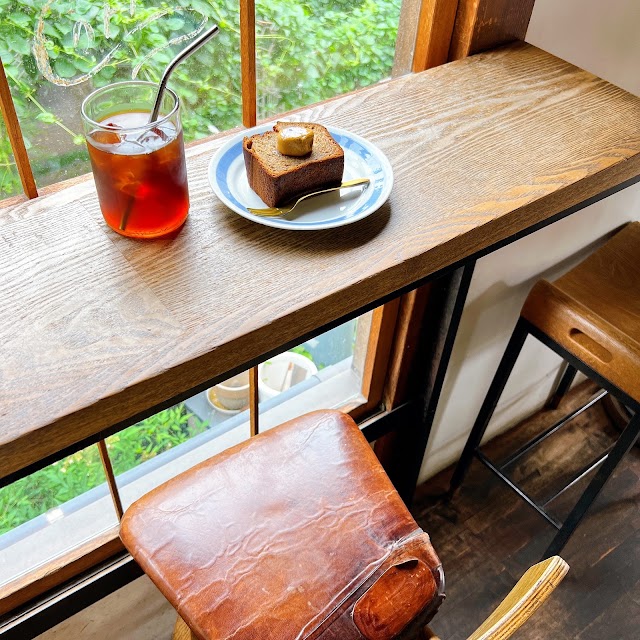
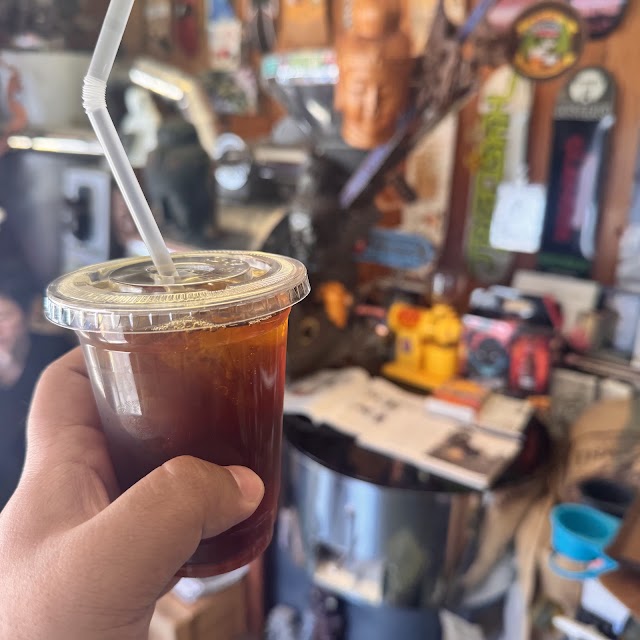
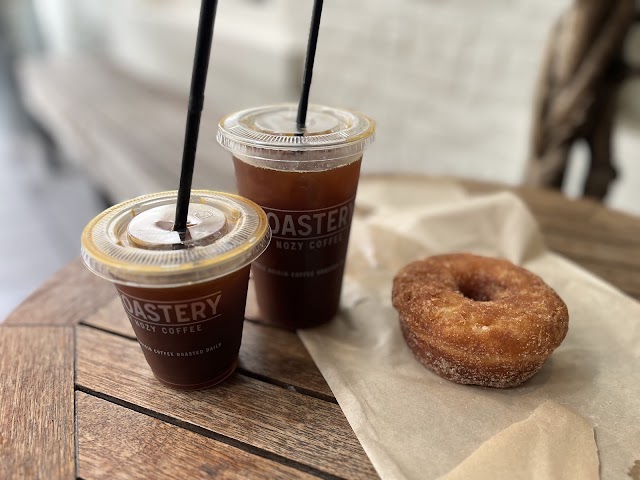
- Summer angle: nearly all pour cold-brew (mizudashi) or iced hand-drip; light roasts read cleaner and fruitier over ice — Tokyo's best cup in the humid heat
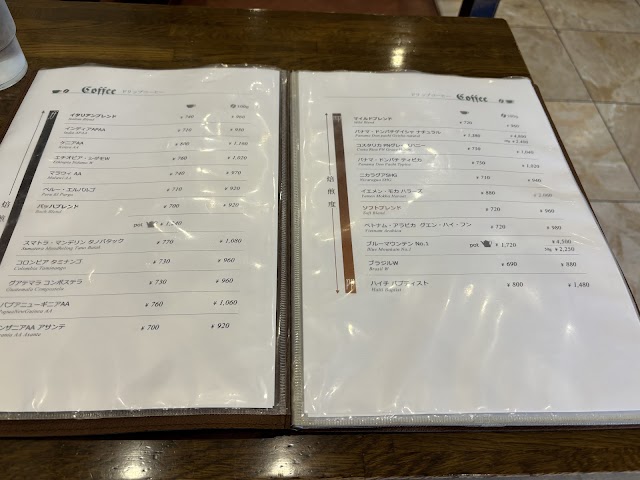
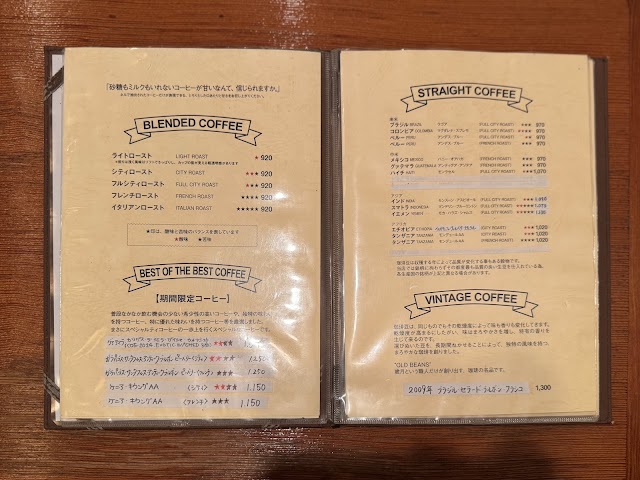
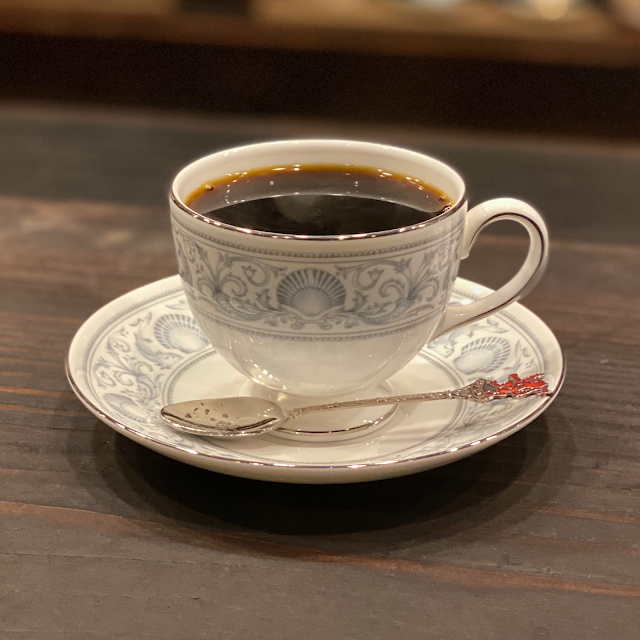
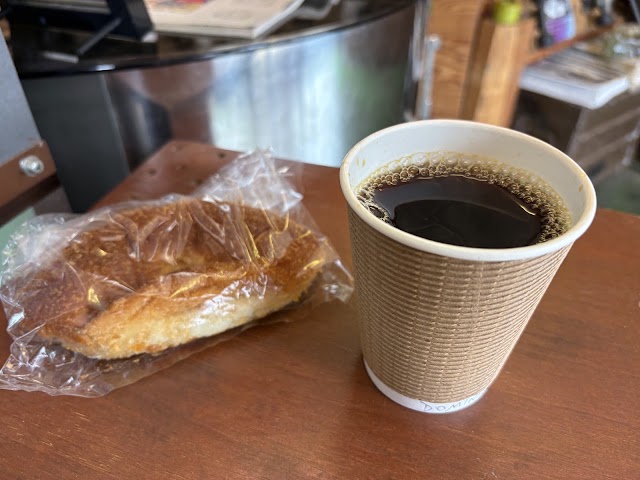
- How to order: ask for the 'coffee of the day'; take a blend at the old-guard shops for dark-roast body, a single origin at third-wave shops for origin character; buy beans on the spot to take home
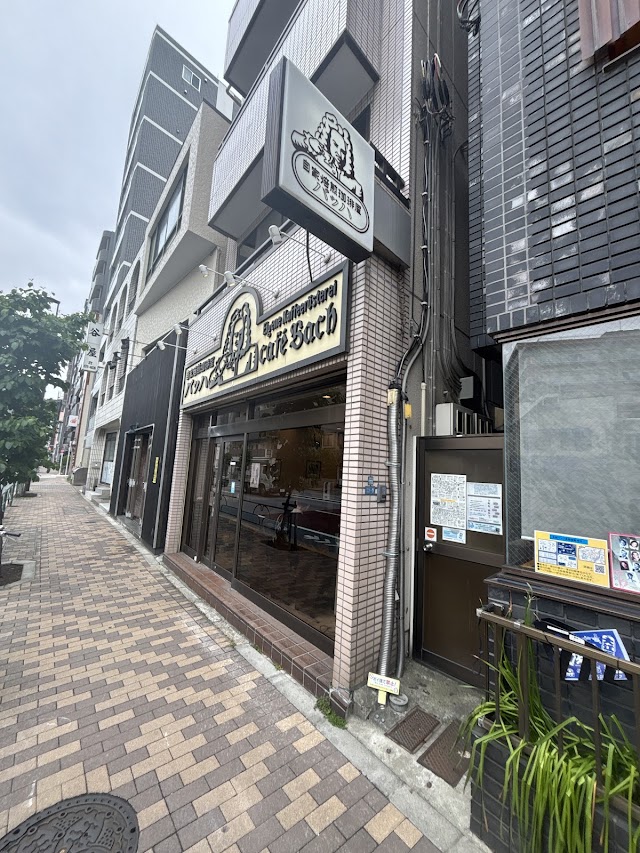
- Route tips: Kiyosumi-Shirakawa links The Cream of the Crop and Arise (plus more) into a coffee pilgrimage; Fuglen pairs with a Yoyogi Park walk in Oku-Shibuya; Nozy sits on the Harajuku shopping loop; Onibus pairs with a Meguro River stroll; pilgrimage to Cafe Bach in the old-town Minami-Senju
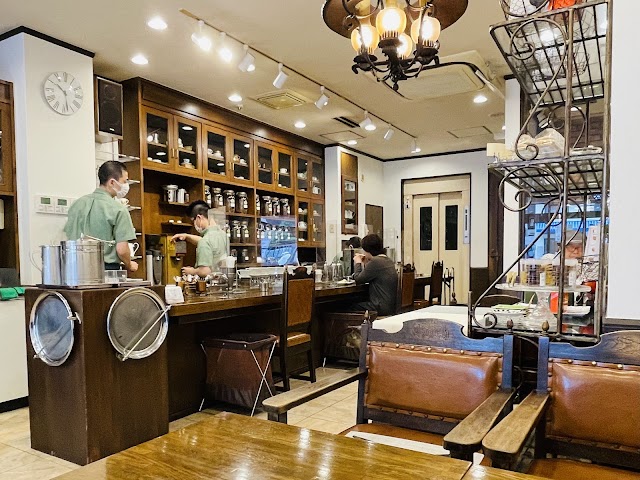
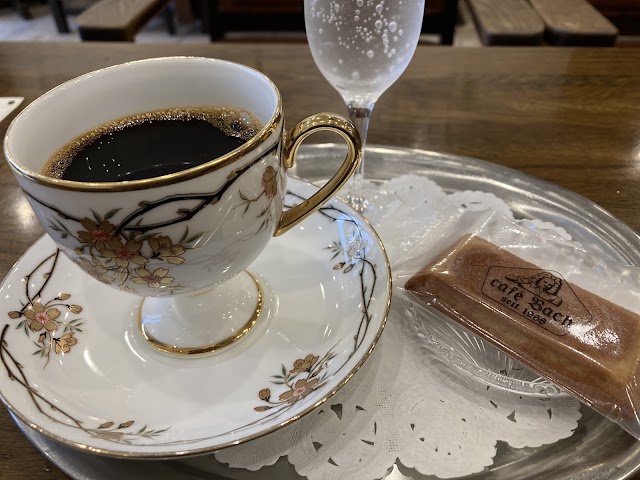
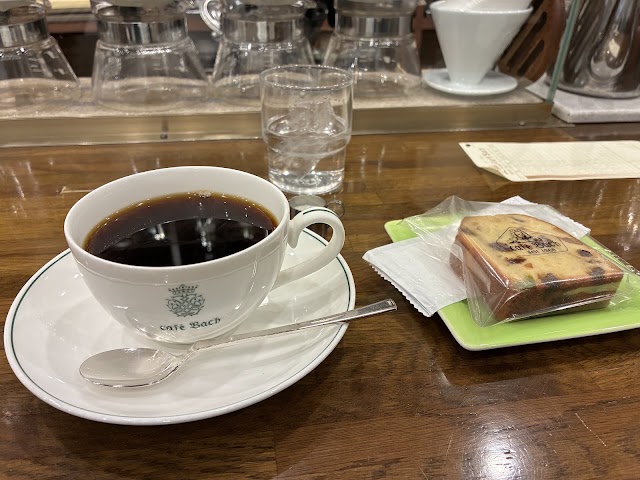
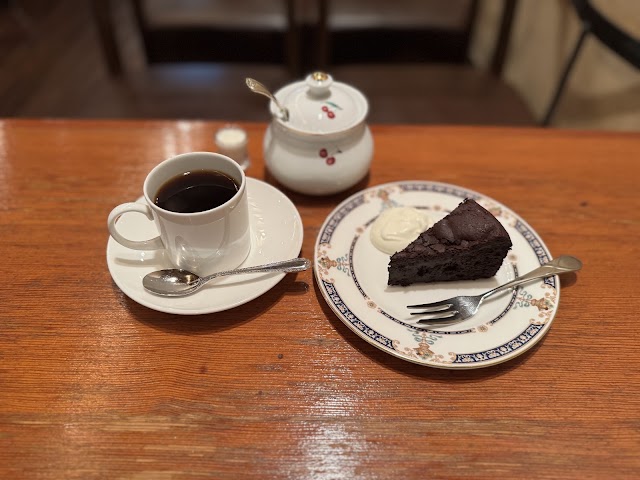
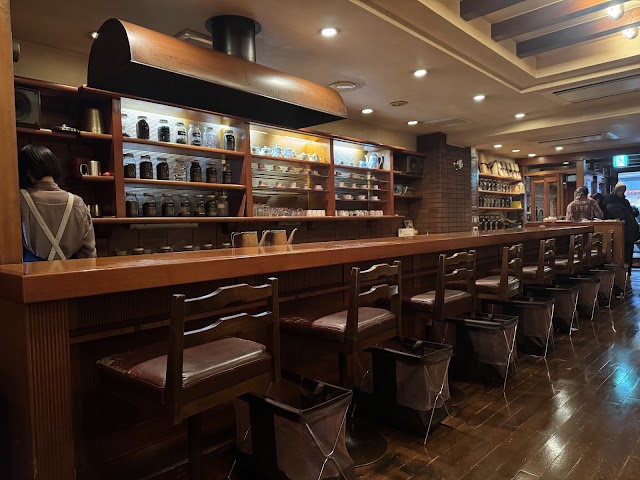
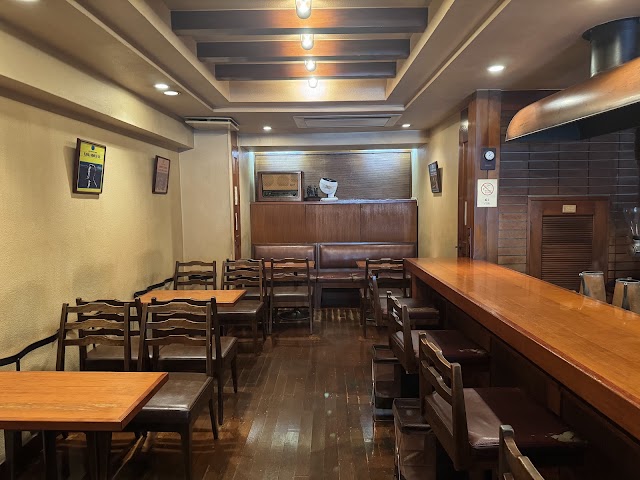
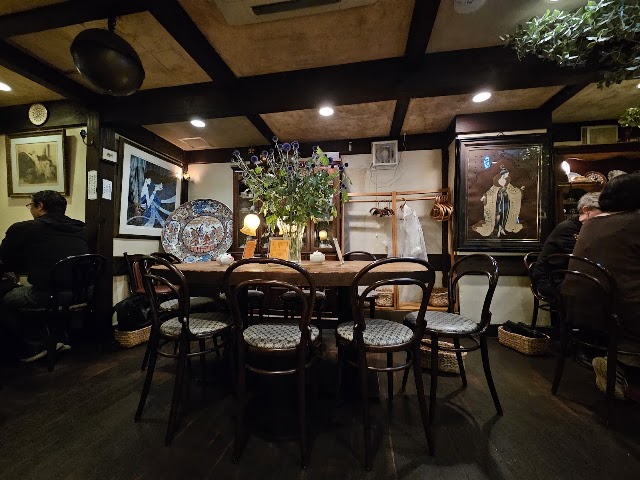
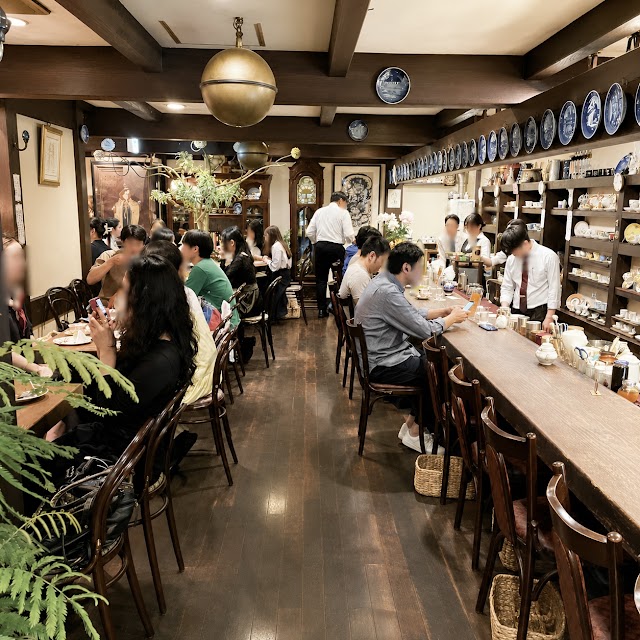
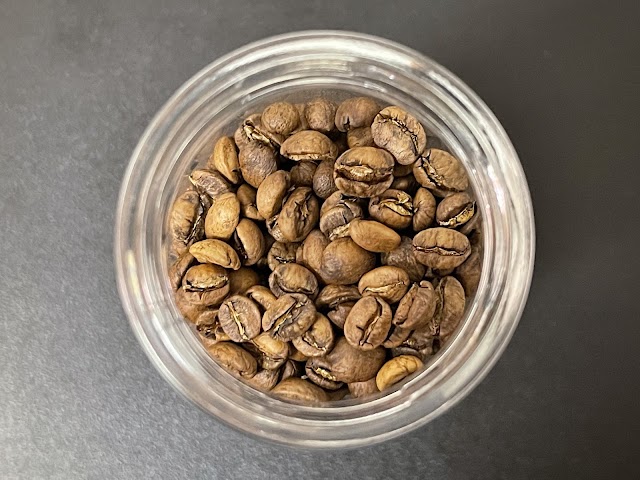
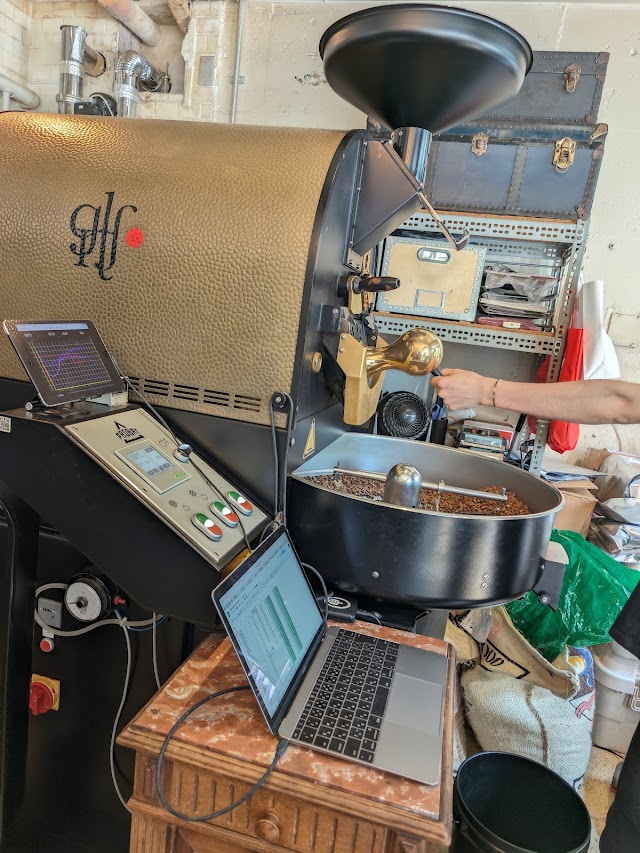
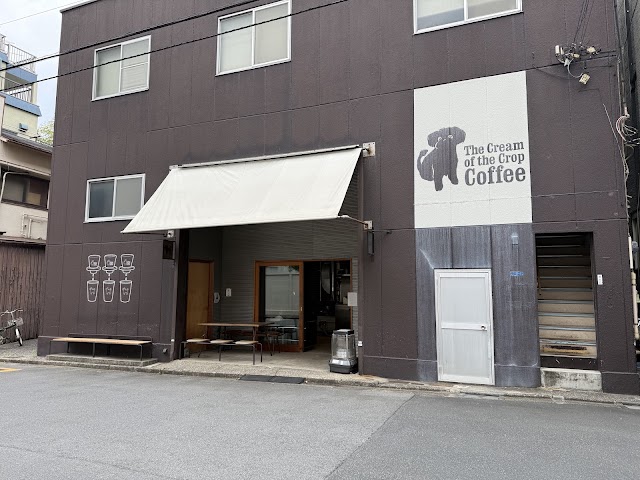
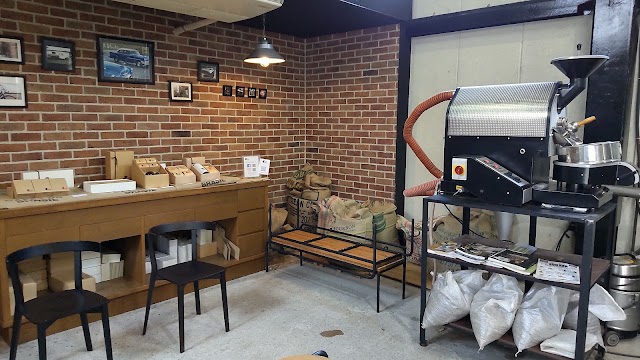
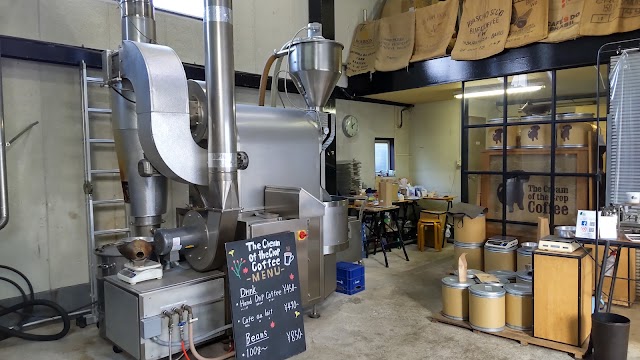
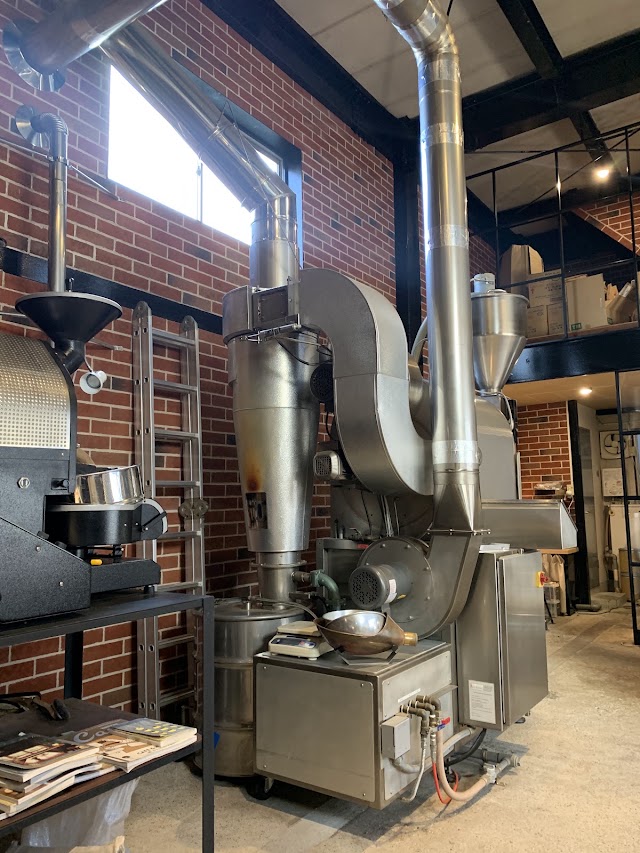
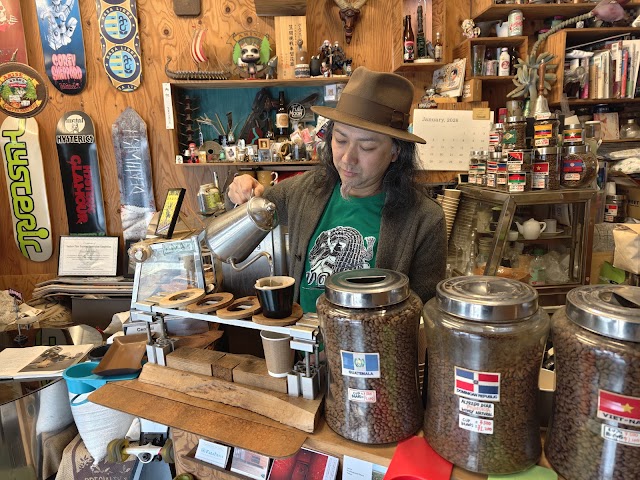
Visitors often bounce between chains and photogenic cafes and miss Tokyo's real depth: self-roasting. Few cities on earth match its density of shops that roast their own beans, and the craft splits into two bloodlines — the dark-roast, flannel-drip 'kissaten' masters from the 1960s, and the light-roast single-origin third wave that erupted around 2010 out of Kiyosumi-Shirakawa and Oku-Shibuya. This guide runs nine shops across three routes so you can taste both in one trip. Route 1, the old-guard roasters: Cafe Bach in Minami-Senju (est. 1968, whose founder Nagatani Taguchi effectively wrote the Japanese playbook for specialty home-roasting), Juichibo in Ginza (est. 1978, flannel drip), and Sabo Hato in Shibuya, where the barista picks an antique cup to match your bean. Route 2, third-wave flagships: Glitch in Jimbocho (light-roast single origin), Onibus in Nakameguro (roasting theater), and The Cream of the Crop in Kiyosumi-Shirakawa, one of the sparks that turned the district into a coffee town. Route 3, corner roasters and Nordic style: the six-tsubo Arise in Kiyosumi-Shirakawa, Fuglen from Oslo (its first overseas branch, 2012, cafe by day and cocktail bar by night), and The Roastery by Nozy on Harajuku's Cat Street. Summer tip: almost all of them pour cold-brew or iced hand-drip, and light roasts turn especially clean and fruity over ice. Prices are estimates — check each shop on the day.
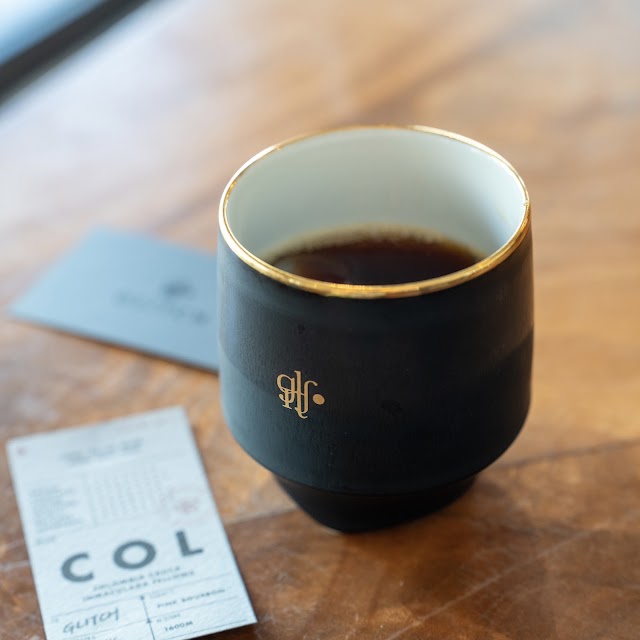
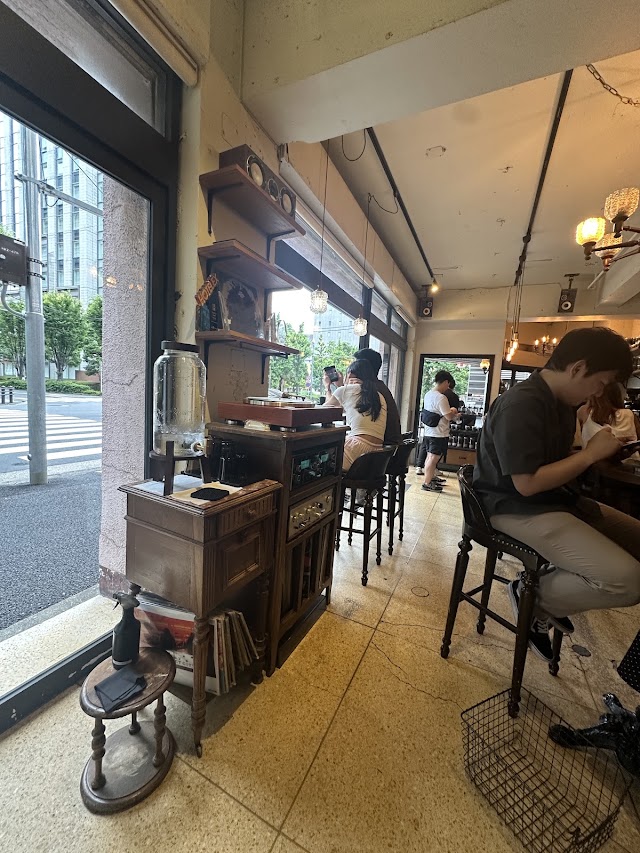
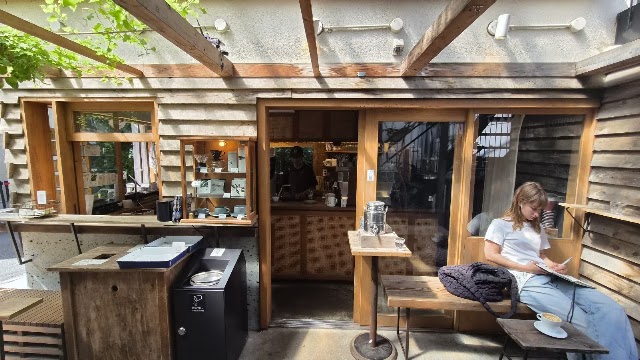
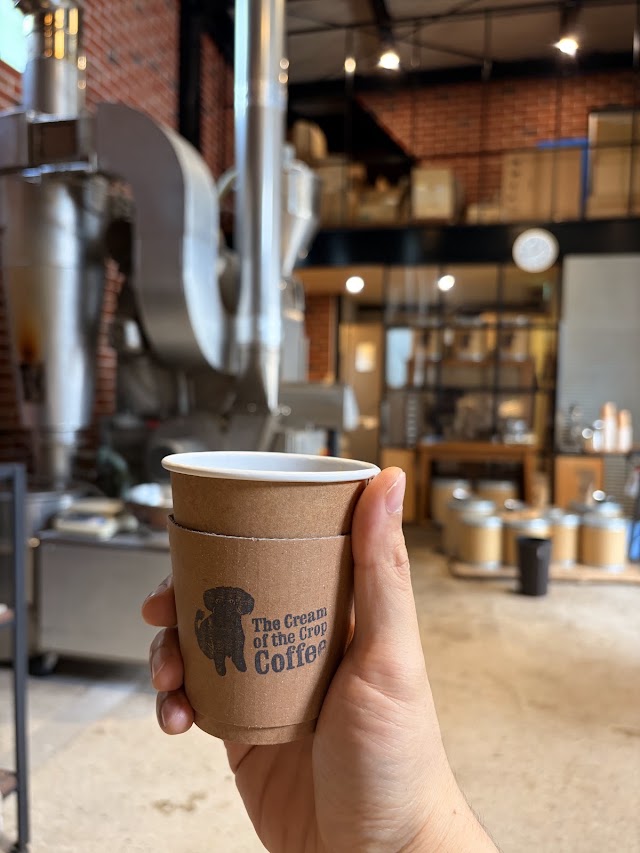
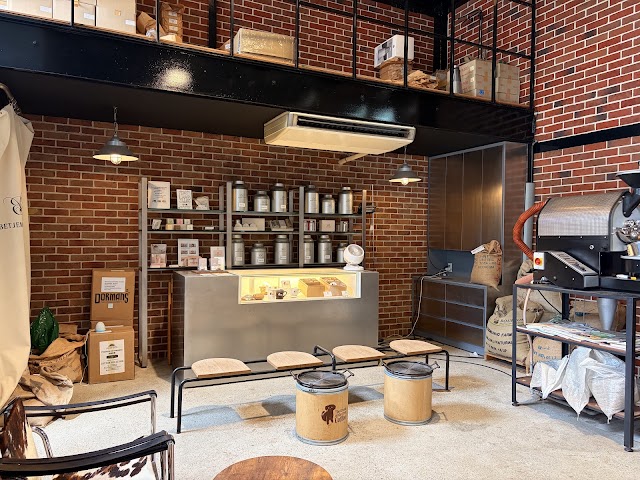
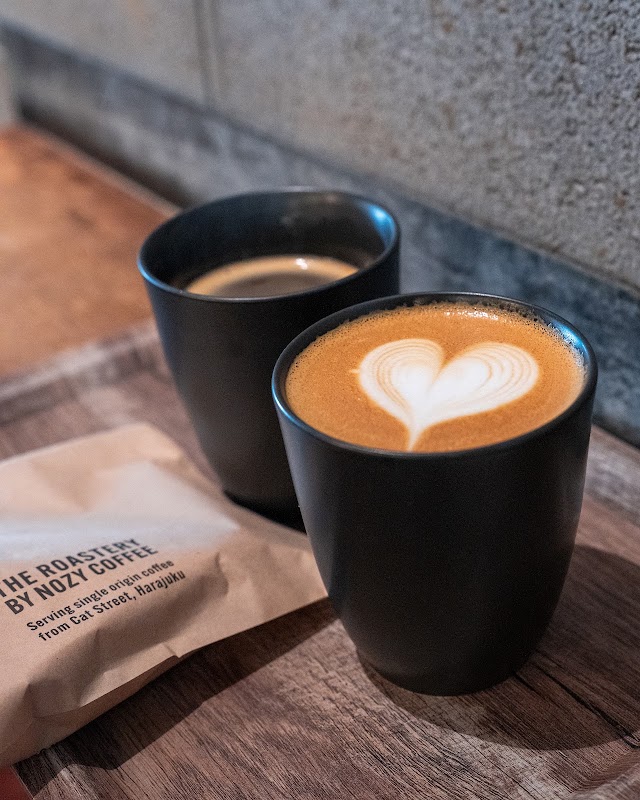
Tokyo's coffee foundation is self-roasting, and it runs in two bloodlines. Visitors picture chains or photo-cafes, but the city's real density is in shops roasting their own beans, split cleanly between 1960s dark-roast flannel-drip kissaten and the light-roast single-origin third wave that broke around 2010. Route one, the old guard: Cafe Bach (Minami-Senju, 1968) systematized specialty home-roasting in Japan under founder Taguchi — hand-picking beans, roasting only the day's supply — and trained a generation of shop owners; Juichibo (Ginza, 1978) holds to flannel drip; Sabo Hato (Shibuya) matches an antique cup to your bean as an act of hospitality. Route two, third-wave flagships: Glitch (Jimbocho, 2015) pours light-roast single origins like fine wine; Onibus (Nakameguro) frames coffee as a lifestyle with its roaster on show; The Cream of the Crop was among the sparks — alongside Blue Bottle's first Japan store, opened in Kiyosumi-Shirakawa in 2015 — that turned the district into a coffee town. Route three, corner roasters and Nordic style: Arise (Kiyosumi-Shirakawa) is a six-tsubo one-person roaster that carries the other half of the district's soul; Fuglen (Tomigaya) is Oslo's first overseas branch (2012), a cafe by day and cocktail bar by night amid vintage Nordic furniture; The Roastery by Nozy (Jingumae) is a concrete warehouse bar on Cat Street pulling espresso at a long counter. Summer play: light roasts brewed as cold-brew read cleaner and fruitier than hot — Tokyo's most comfortable cup in the humidity. Verified against each shop's official site and Good Coffee, Timeout Tokyo, Santatsu, Harumari and Tabelog; phone, hours, ratings and photos are merged from Google Maps official data the morning after publication. Prices are estimates.
 Scan for map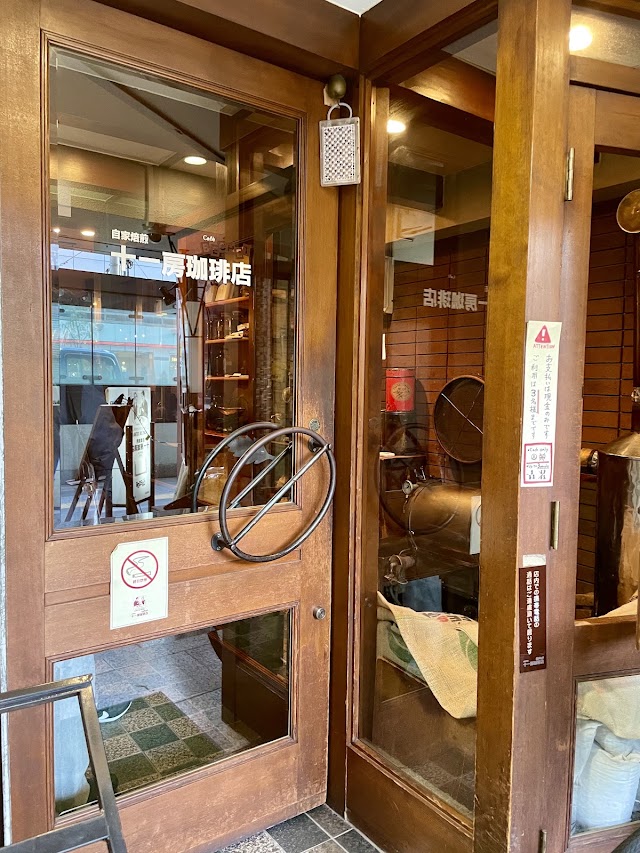
 Scan for map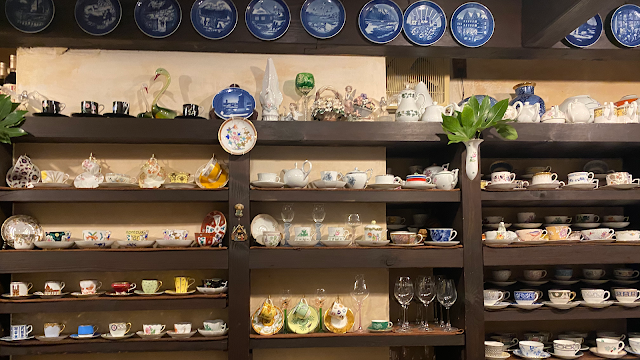
 Scan for map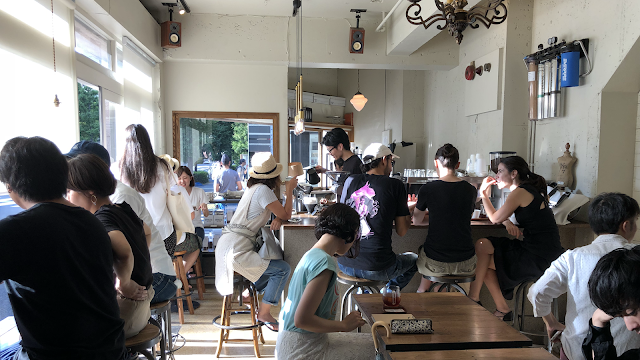
 Scan for map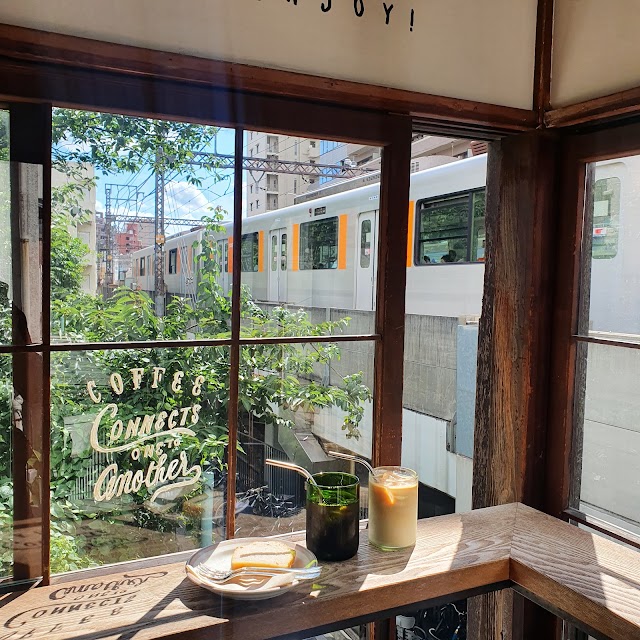
 Scan for map
 Scan for map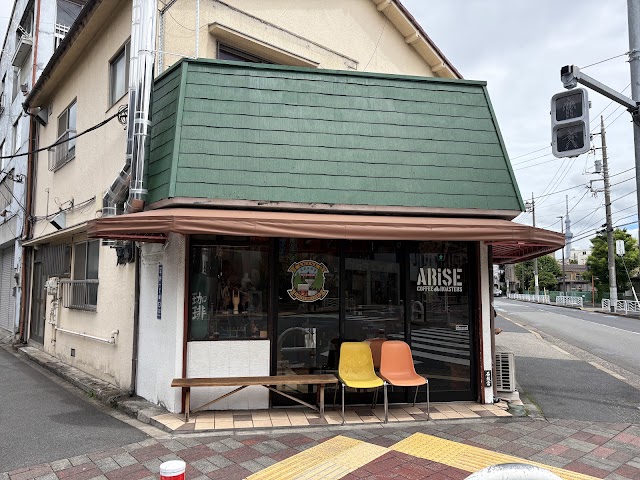
 Scan for map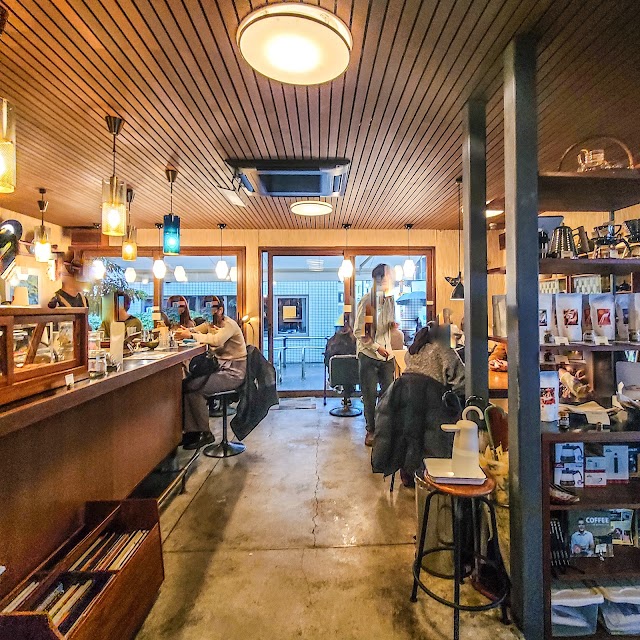
 Scan for map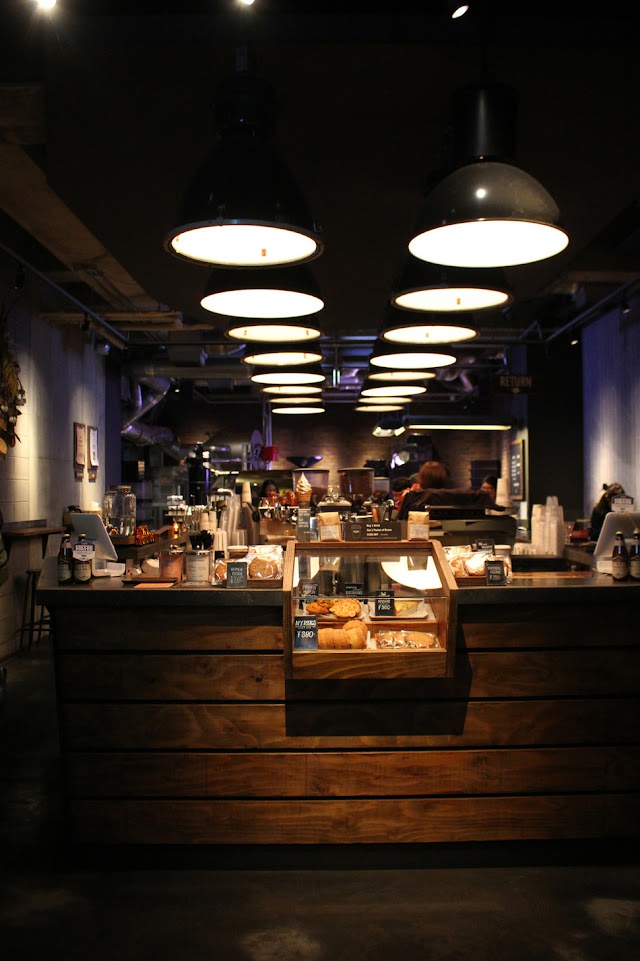
 Scan for map