from-zero-tenants-to-migration-mecca-what-a-30-year-old-danchi-teaches-about-rural-property
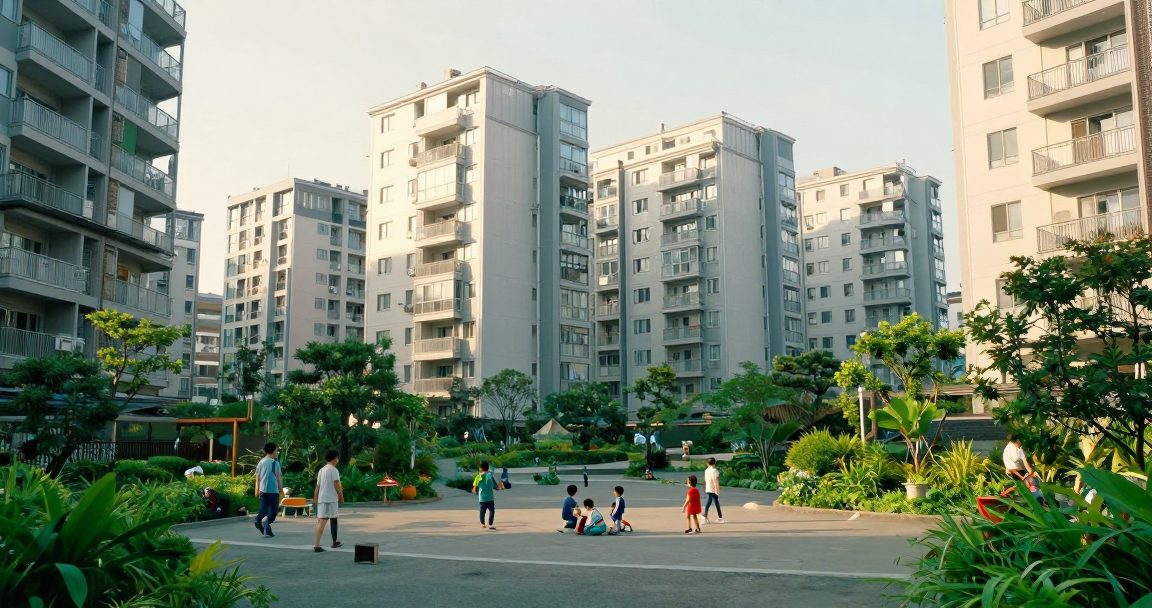
- A 30-year-old danchi with 5+ years of zero applications became a magnet for migrants
- A key driver is 'education migration', families relocating for a better schooling environment
- It shows idle old housing can be reactivated through positioning and community-building
- For those eyeing rural Japan property or lodging, a low-cost entry template
- But success leans heavily on local community, schools and amenities, hard to replicate
For anyone eyeing low-cost rural property or community businesses in Japan, this case is worth keeping. Per Toyo Keizai, a 30-year-old danchi (housing complex) with 5-plus years of near-zero applications became a coveted destination for migrants. Japan's rural danchi, built in the boom years, often turned into 'negative assets', costly to maintain, impossible to rent or sell. This one revived largely through 'education migration', families relocating for a distinctive schooling environment cities can't offer. The lesson for the wallet-minded: cheap, abandoned housing isn't the problem, finding the right buyer and use is. The same block is a liability as a rental but an asset as an 'education-migration community', its value flipped not by costly renovation but by repositioning and community-building, the core of Japan's akiya (vacant-house) revival opportunity. But it resists copy-paste: it needs a compelling community, real selling points and long-term stewards. Watch whether the model scales.