bypassing-hormuz-japan-quietly-shifts-to-alternative-oil-routes
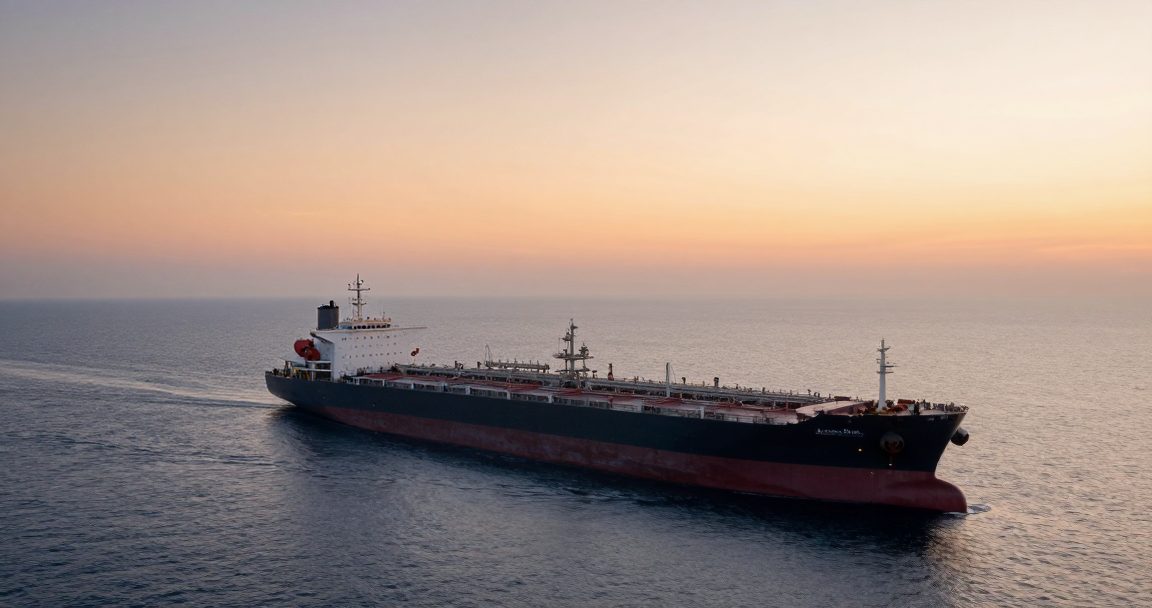
- NHK reports Japan is advancing crude procurement via routes that bypass the Strait of Hormuz
- Hormuz is a global oil chokepoint whose transit risk rises with Middle East tension
- Diversifying import routes aims to cut supply risk if a single chokepoint is blocked
- Stable oil supply bears on Japan's import costs, trade balance and the yen
- Rising energy-security costs are a long-term structural challenge for resource-importer Japan
If you watch the yen, prices or Japan's energy security, this quiet story carries weight: NHK reports Japan is advancing crude procurement via routes bypassing the Strait of Hormuz, an insurance policy for a heavily import-dependent nation amid Middle East risk. Hormuz is the chokepoint for roughly a fifth of the world's seaborne oil, and much of Japan's Middle East crude passes through it, so a blockade or attacks on ships would throttle Japan's energy artery. Diversifying spreads the eggs, but at a cost: longer voyages, higher freight, pricier sourcing, Japan buys lower supply risk with higher cost. It ties to your wallet: unstable or pricier oil raises import costs and prices, worsens the trade balance and pressures the yen, a double blow when high oil meets a weak yen. Scenarios range from a de-escalation where routes are just backup, to structurally higher energy costs, to import inflation and deficits forcing the BOJ's hand. Watch Hormuz, Brent and the yen together.