Japan Posts 16th Straight Current-Account Surplus Near 4 Trillion Yen—but the Engine Has Quietly Switched From Trade and Tourism to Overseas Investment IncomeA · FULL TRANSLATION
- May current-account surplus 3.97tn yen (+19.5% YoY), 16th consecutive monthly surplus
- Trade balance just 6.9bn yen (near zero): exports +14.7% (9th straight rise), imports +8.1%
- Services balance turned to a 10.3bn-yen deficit; secondary income -304bn = three pillars near flat
- Primary income 4.28tn yen (+95.5bn) on portfolio investment returns = the sole engine of the surplus
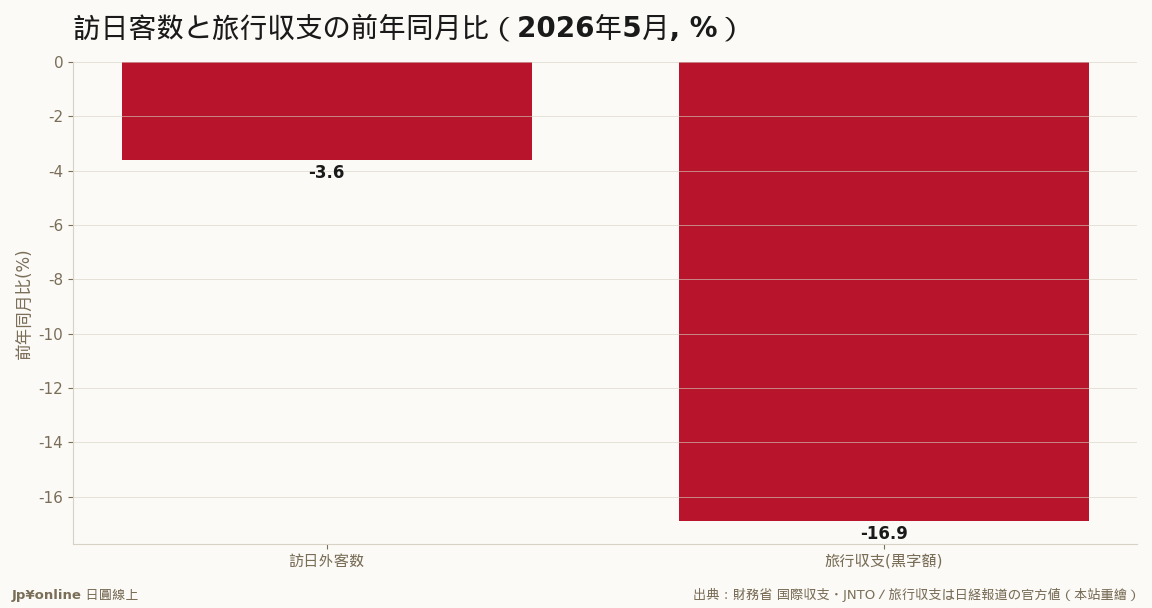
- Travel surplus still 527.9bn yen but -16.9% YoY vs visitors -3.6%: shrinking nearly 5x faster
- Weak yen amplifies overseas income: USD/JPY 158.34 (vs 144.75, +9.4% weaker); crude +52.2% USD / +67.2% yen
The Ministry of Finance announced on July 8 that Japan's current account surplus for May was ¥396.83 billion, up ¥64.78 billion or 19.5% from the same month last year, marking its 16th consecutive monthly surplus. However, breaking down this surplus reveals a significant shift in how Japan is generating profits: it's no longer trade surpluses or tourism, but rather investment returns from assets held overseas.
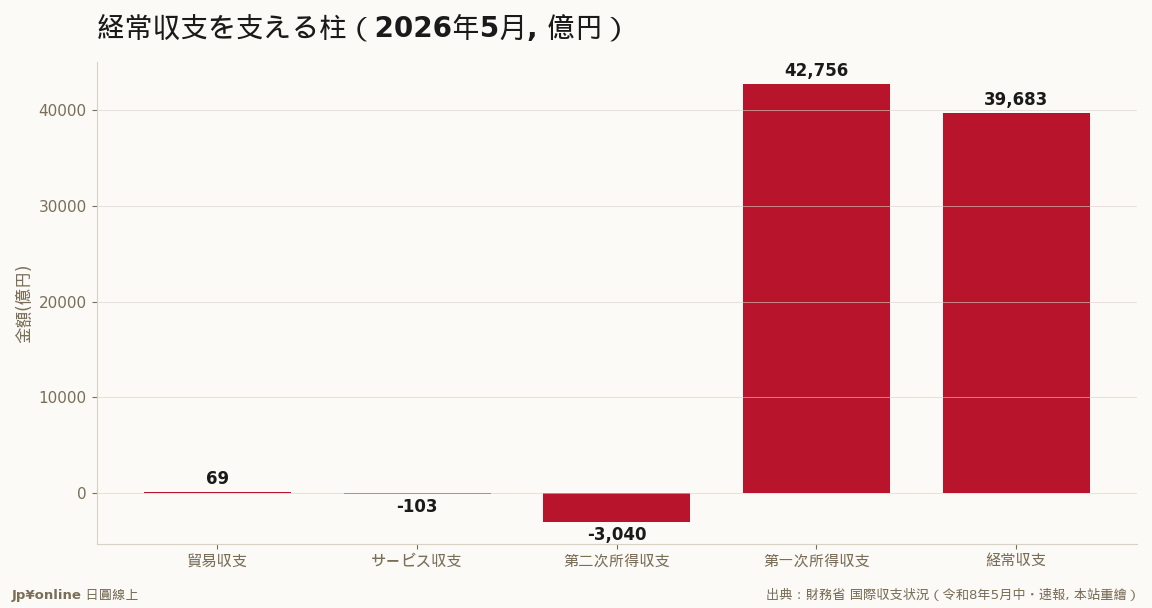
This is not an isolated monthly phenomenon but part of a long-term structural shift. Twenty years ago, Japan relied on 'trade as the main driver'—exporting cars and electronics to earn money from around the world. Now, while weaker yen makes exports look better in terms of nominal value (exports up 14.7% year-over-year for nine consecutive months), it also increases import costs due to higher oil prices. The key stable cash flow comes from interest and dividends generated by Japanese assets held overseas.
This is what economists call a 'mature creditor nation'—not relying on trade surpluses but living off the returns from investments abroad. This explains why, despite a weaker yen, Japan still has current account surpluses. The primary income balance, which is boosted by weaker yen, can be seen as a sign of economic resilience.
For inbound tourism businesses in Japan, this data highlights a concerning trend: while inbound visitor numbers are down only 3.6%, travel balance has shrunk by 16.9%. This gap between people and revenue reflects the 'people × conversion rate × price' dynamic. Factors include the impact of last year's Osaka Expo base effect, yen depreciation distorting accounting values, and the分流of visitors into informal accommodations like Airbnb.
This shift in how Japan generates profits has significant implications for businesses and investors. It means that while current account surpluses are a sign of economic resilience, they do not necessarily translate to increased domestic consumption or investment. For those looking at the yen's future, it is important not to assume that a growing current account surplus will lead to a stronger yen.
For inbound tourism businesses in Japan, this data highlights a concerning trend: while inbound visitor numbers are down only 3.6%, travel balance has shrunk by 16.9%. This gap between people and revenue reflects the 'people × conversion rate × price' dynamic. Factors include the impact of last year's Osaka Expo base effect, yen depreciation distorting accounting values, and the分流of visitors into informal accommodations like Airbnb.
This shift in how Japan generates profits has significant implications for businesses and investors. It means that while current account surpluses are a sign of economic resilience, they do not necessarily translate to increased domestic consumption or investment. For those looking at the yen's future, it is important not to assume that a growing current account surplus will lead to a stronger yen.
For inbound tourism businesses in Japan, this data highlights a concerning trend: while inbound visitor numbers are down only 3.6%, travel balance has shrunk by 16.9%. This gap between people and revenue reflects the 'people × conversion rate × price' dynamic. Factors include the impact of last year's Osaka Expo base effect, yen depreciation distorting accounting values, and the分流of visitors into informal accommodations like Airbnb.
This shift in how Japan generates profits has significant implications for businesses and investors. It means that while current account surpluses are a sign of economic resilience, they do not necessarily translate to increased domestic consumption or investment. For those looking at the yen's future, it is important not to assume that a growing current account surplus will lead to a stronger yen.
For inbound tourism businesses in Japan, this data highlights a concerning trend: while inbound visitor numbers are down only 3.6%, travel balance has shrunk by 16.9%. This gap between people and revenue reflects the 'people × conversion rate × price' dynamic. Factors include the impact of last year's Osaka Expo base effect, yen depreciation distorting accounting values, and the分流of visitors into informal accommodations like Airbnb.