Tokyo Tea & Dessert Salons 2026: Nine Places From Jimbocho's 1974 Takano to Ginza's Mariage Freres and Grand Hotel Afternoon Tea
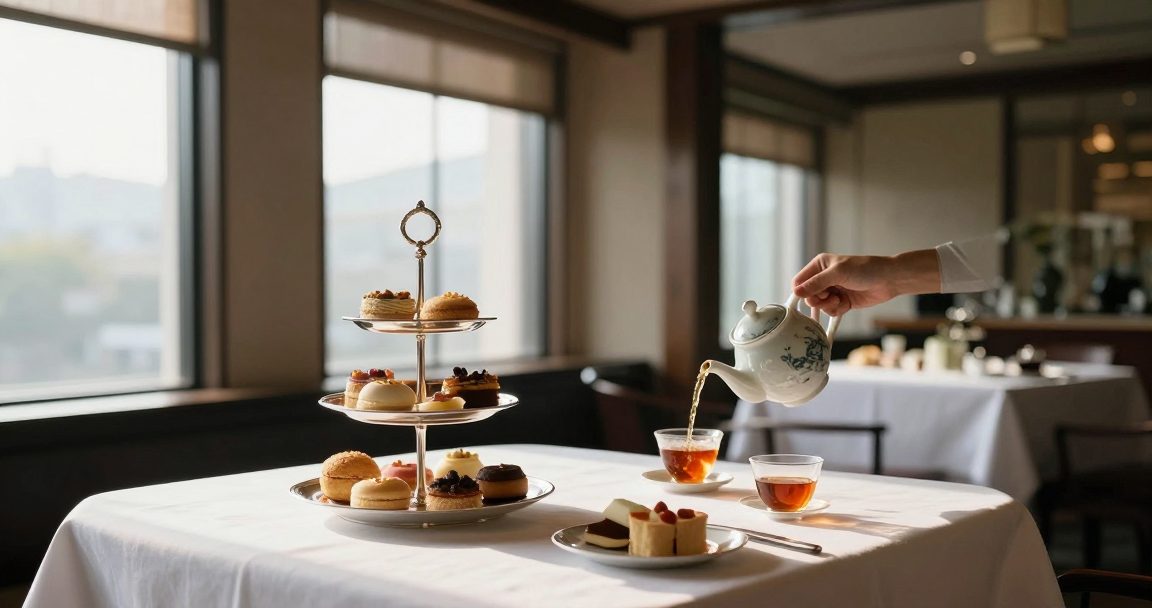
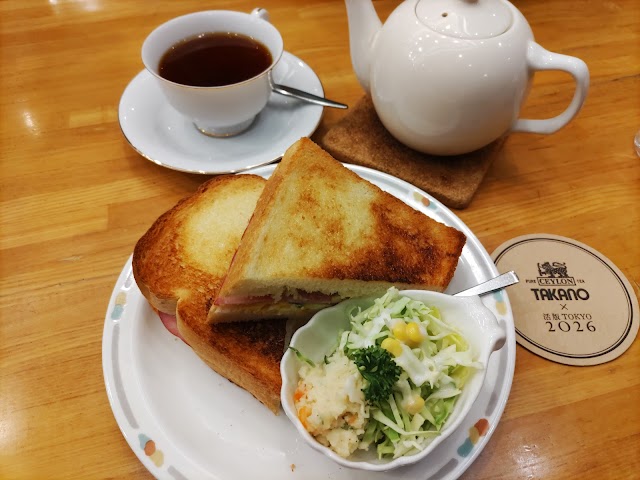
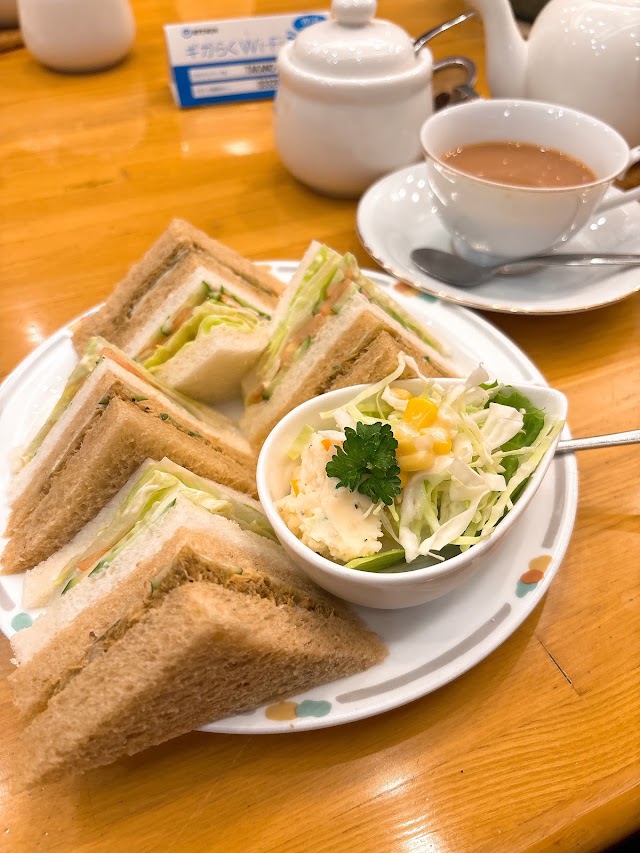
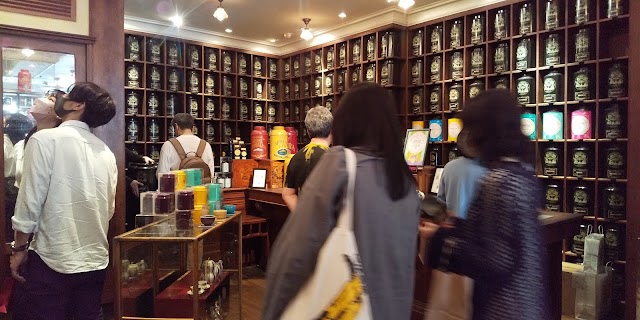
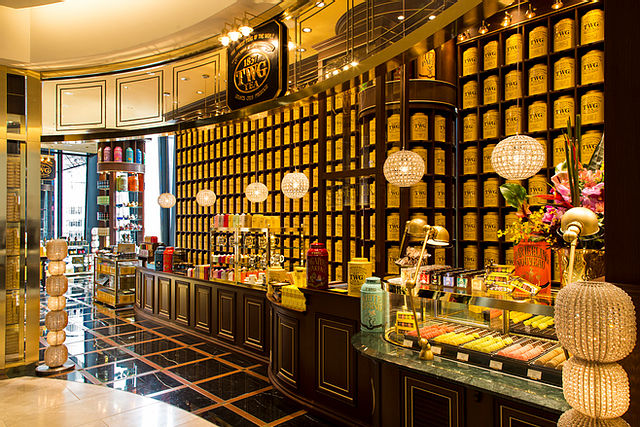
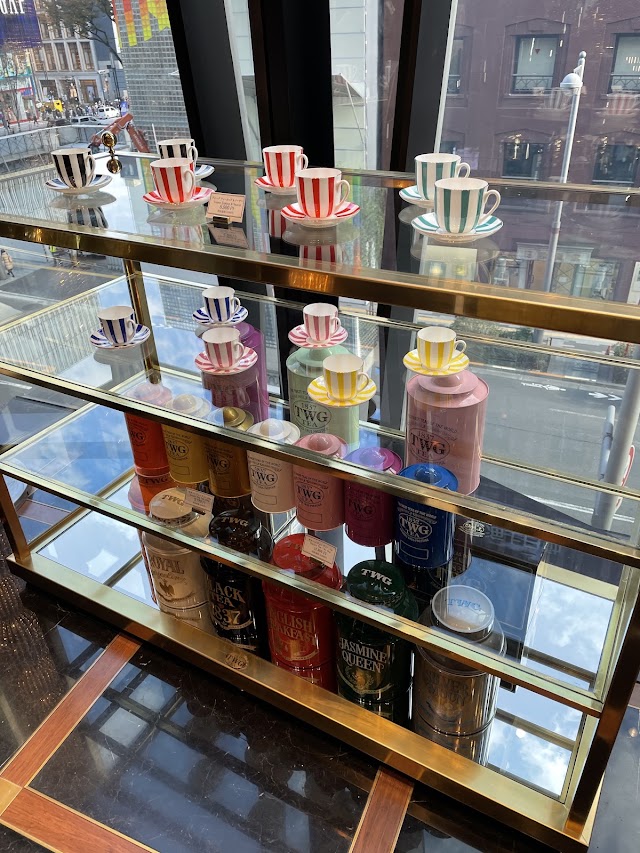
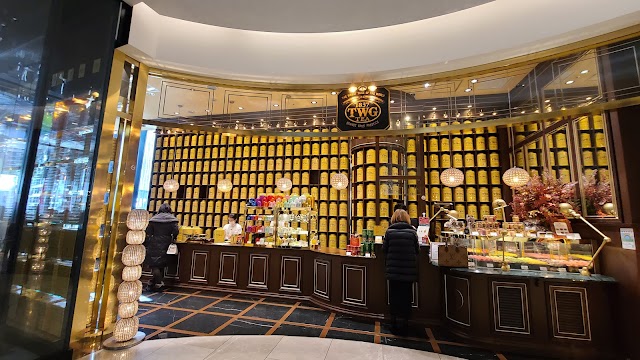
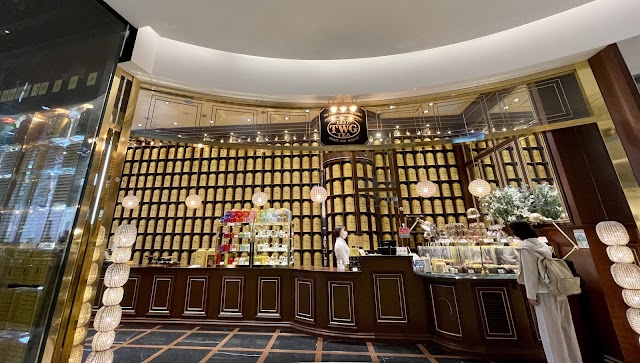
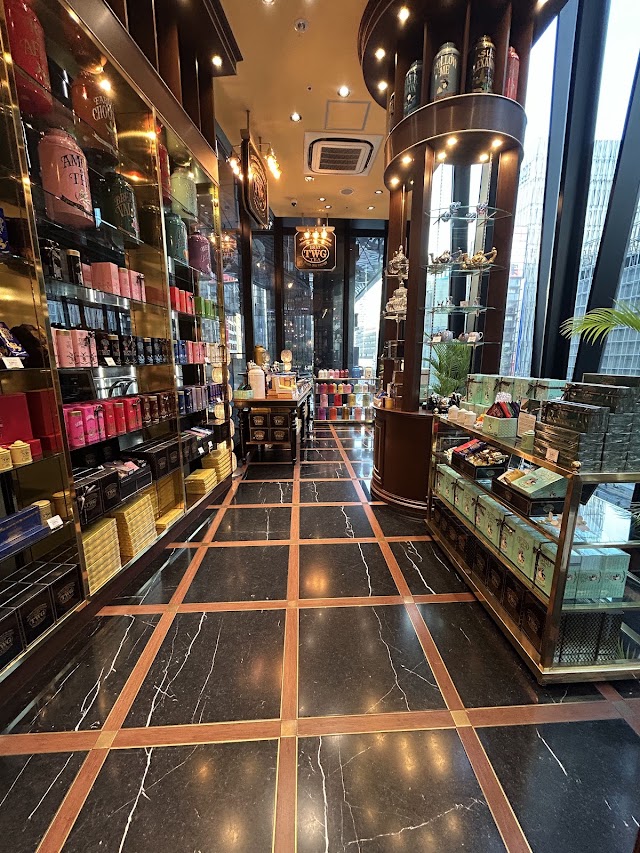
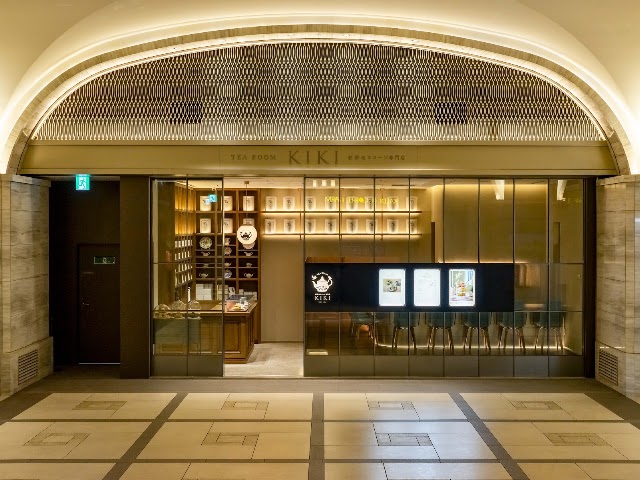
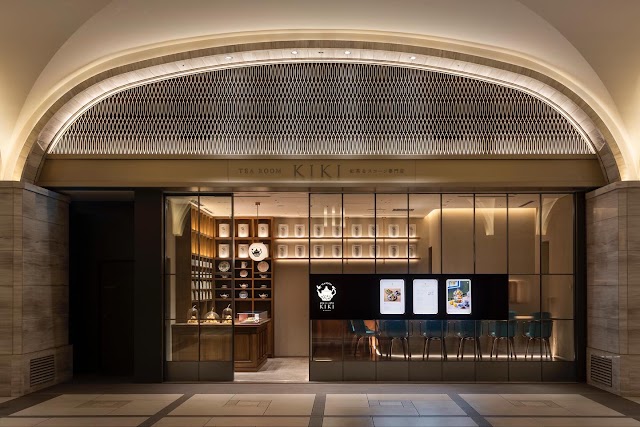
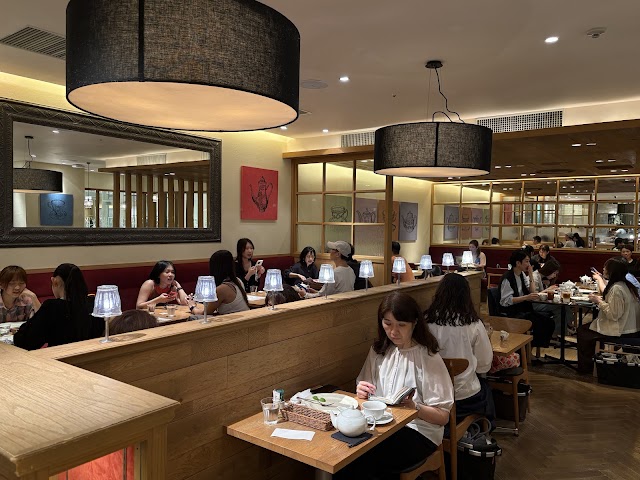
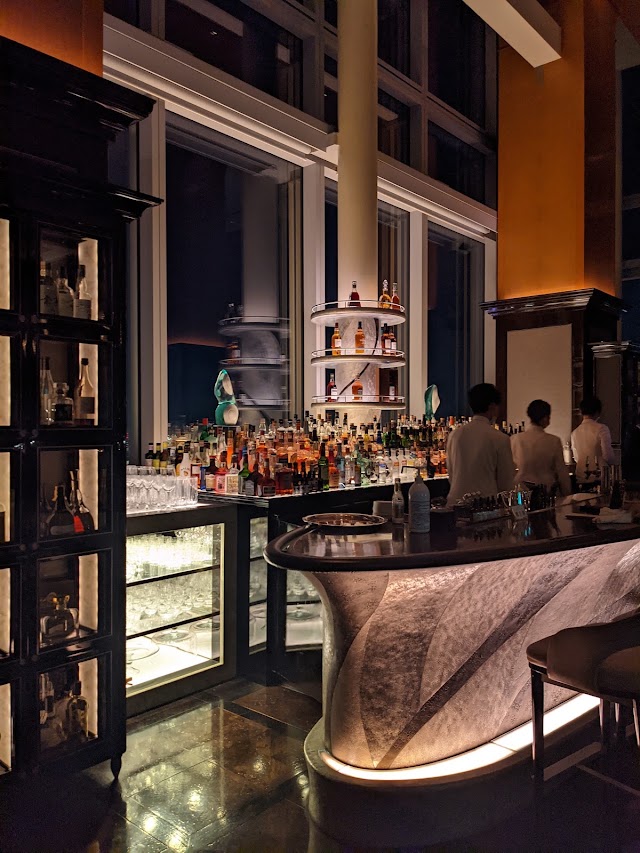
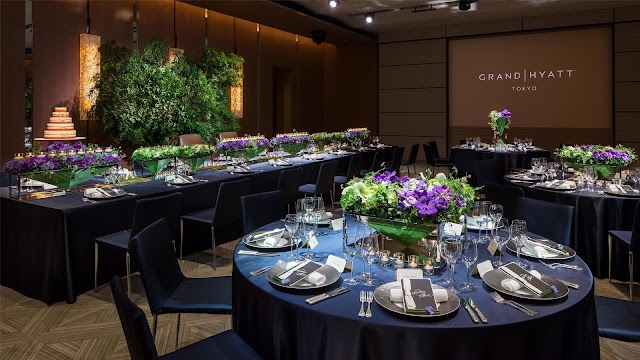
- Three routes: (1) tea-leaf specialists (Jimbocho Tea House Takano, Tokyo's oldest tea shop est. 1974; Ginza Mariage Freres flagship salon de the est. 1854 Paris; Ginza TWG Tea, Singapore brand with its wall of yellow tea tins); (2) English-style tea rooms (Hibiya TEA ROOM KIKI with 'tea free' all-you-can-taste, Yurakucho Afternoon Tea TEAROOM as an easy default); (3) hotel afternoon tea (ANA InterContinental Atrium Lounge, Ritz-Carlton Tokyo Lobby Lounge, Grand Hyatt Roppongi, Imperial Hotel)
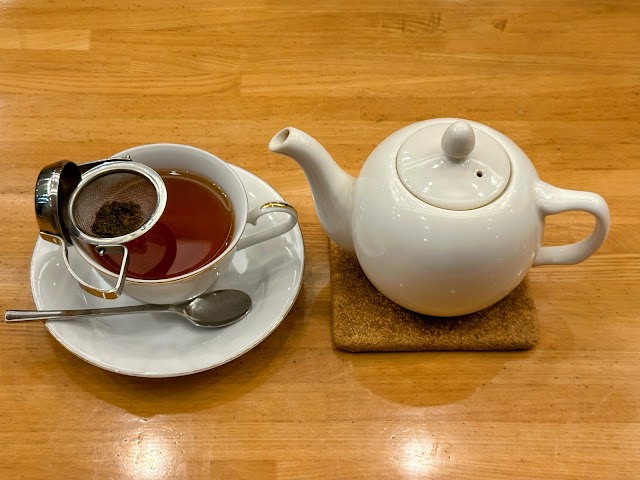
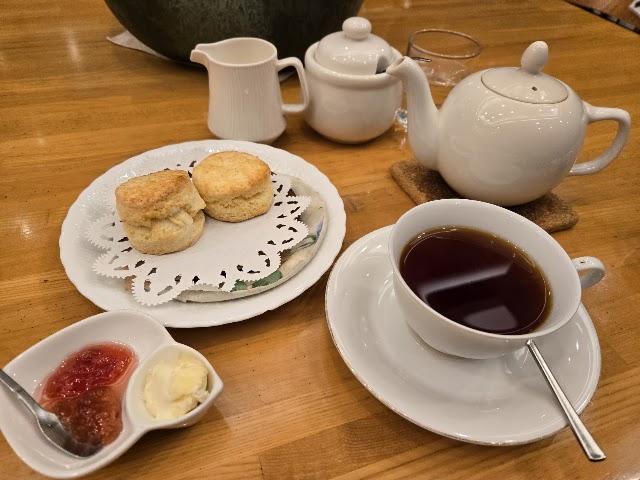
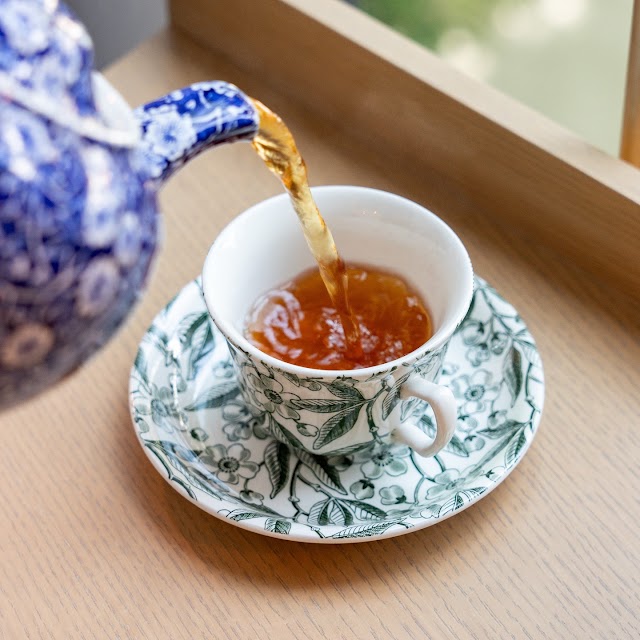
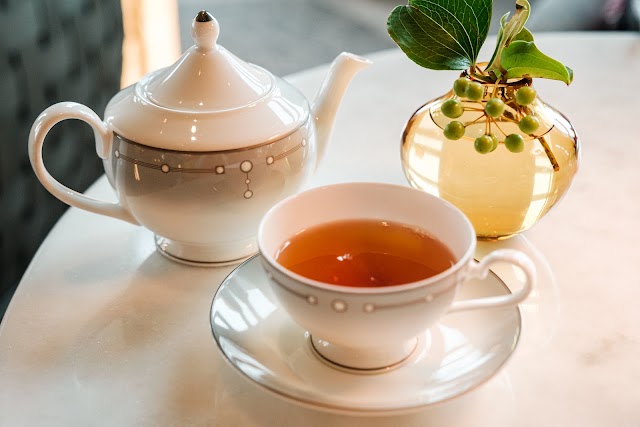
- Specialists are about the single cup: owner-sourced single-estate leaves, pot-brewed, few seats—best for tasting Darjeeling vs Assam
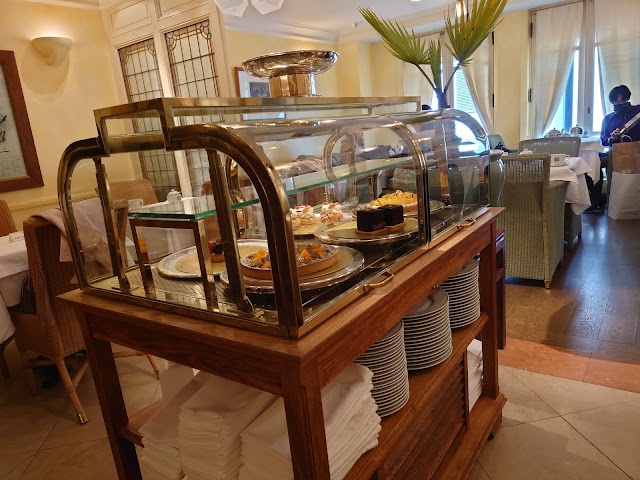
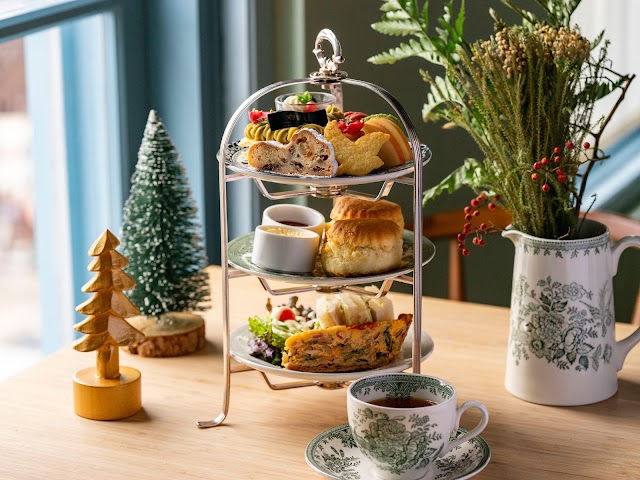
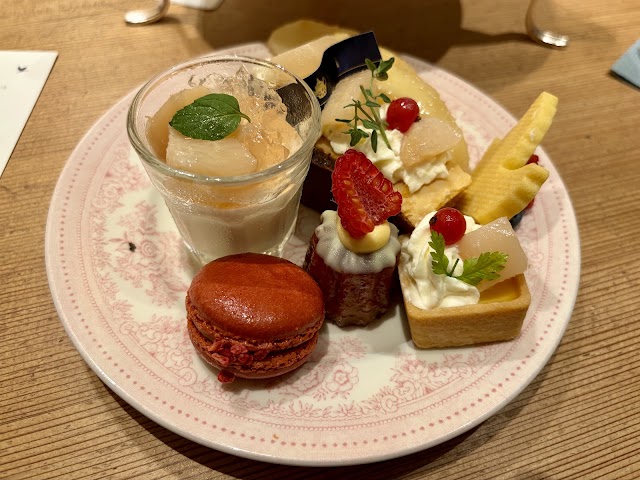
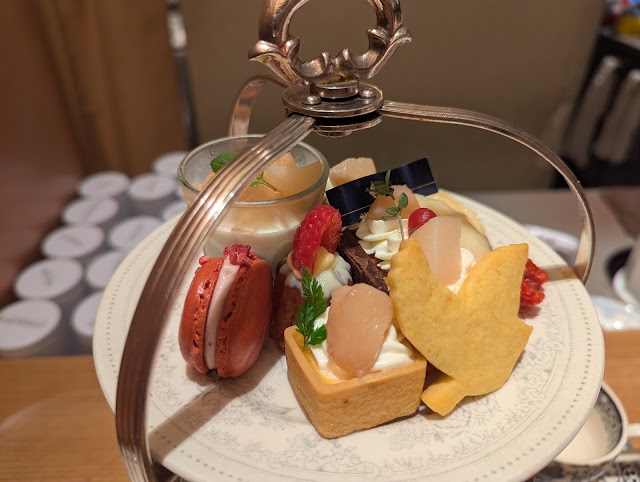
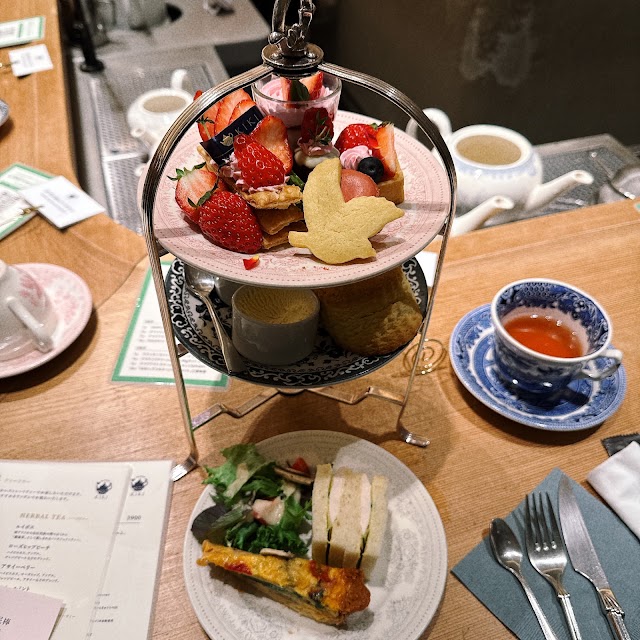
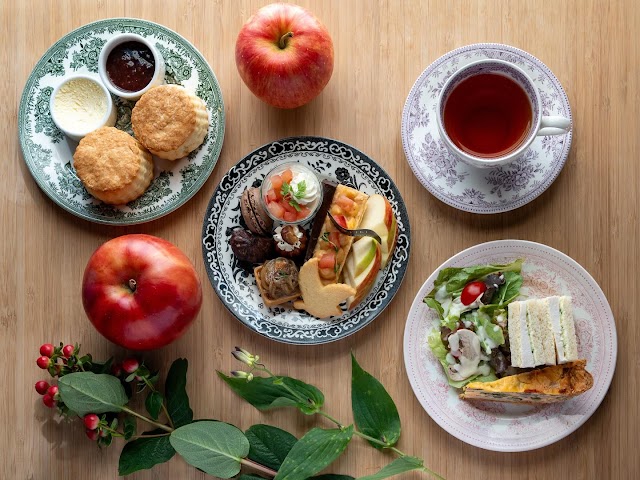
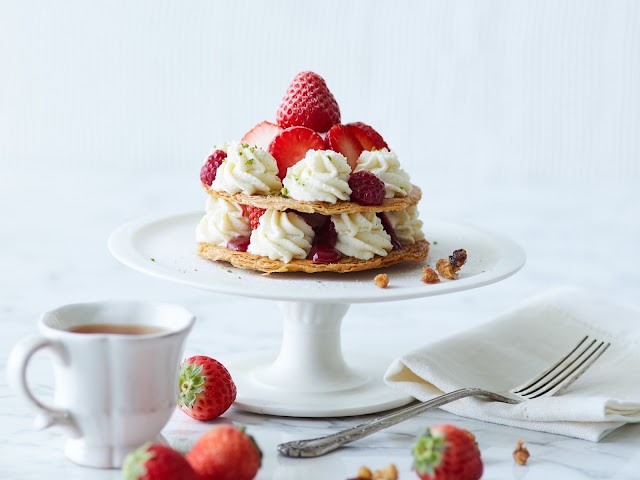
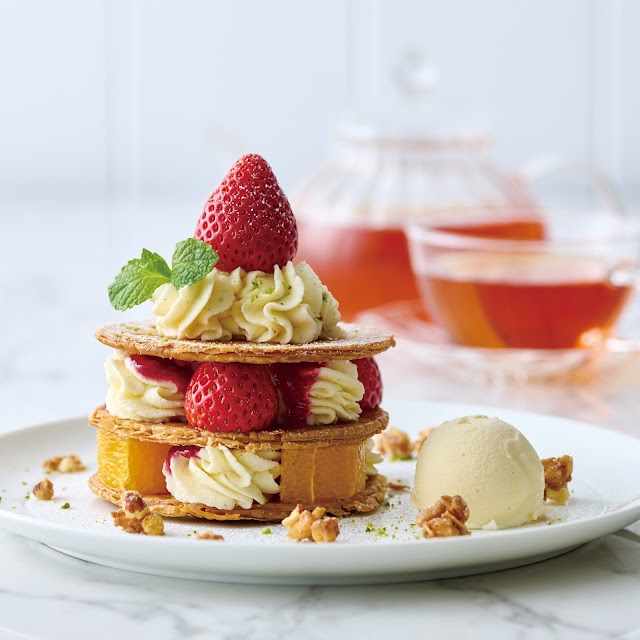
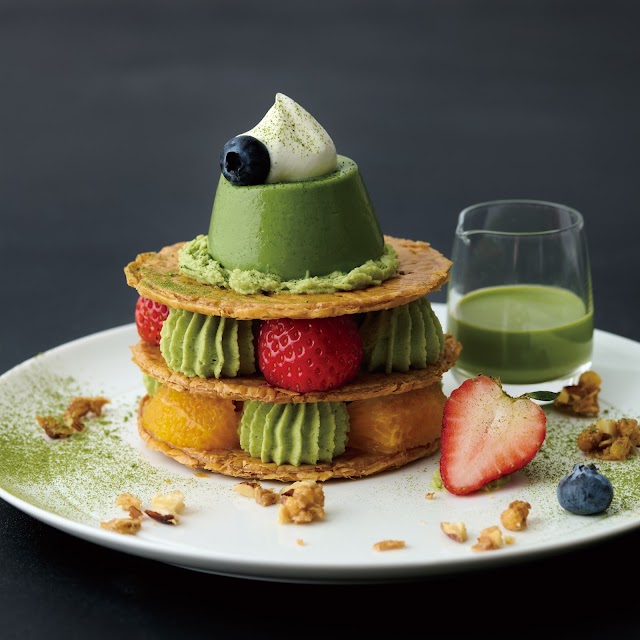
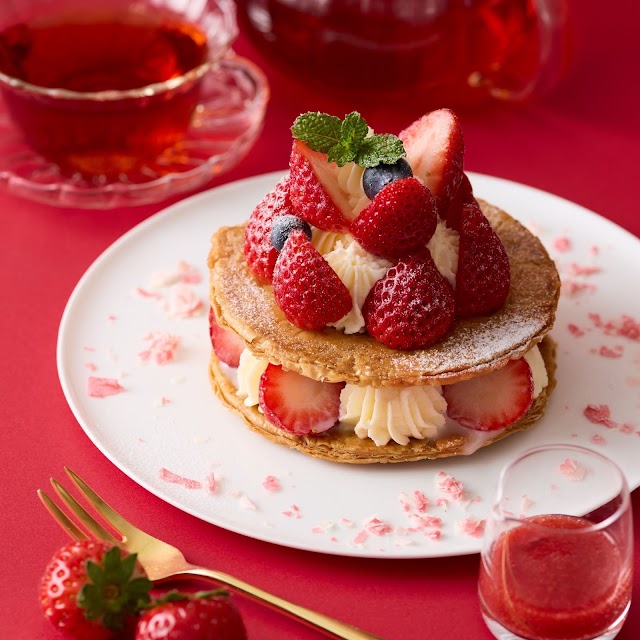
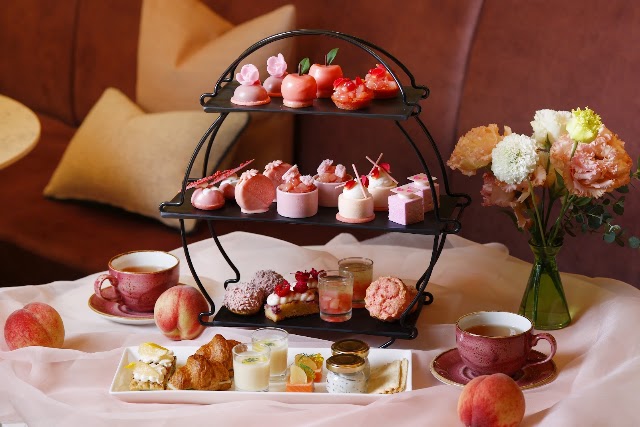
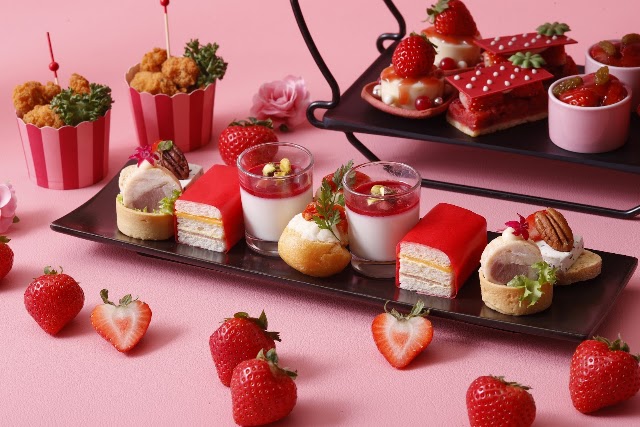
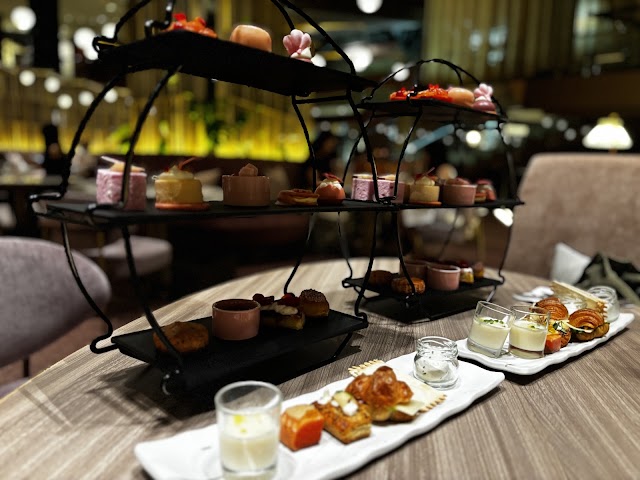
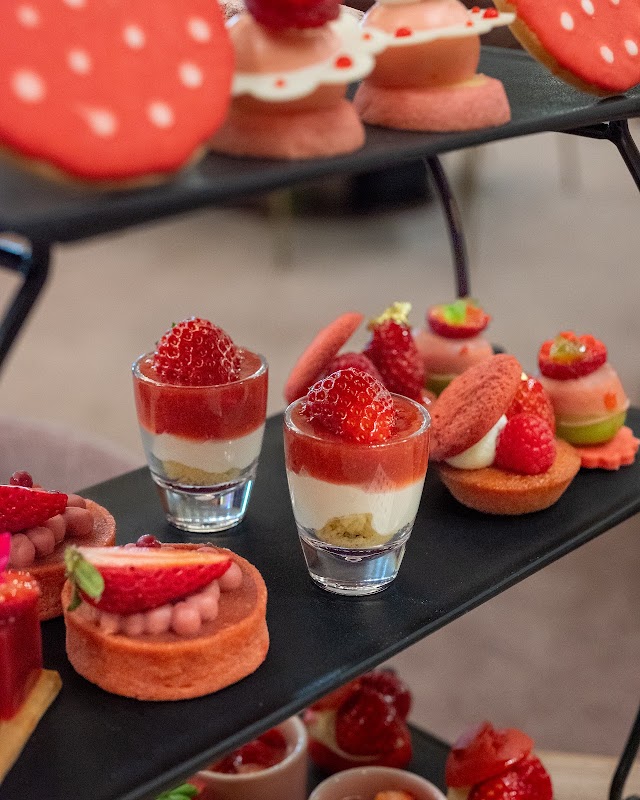
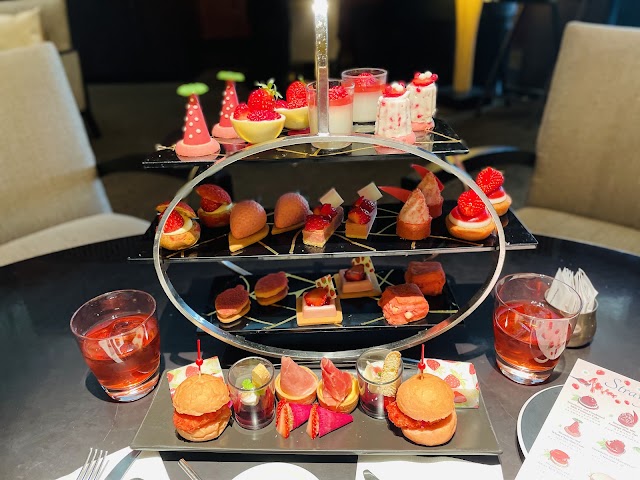
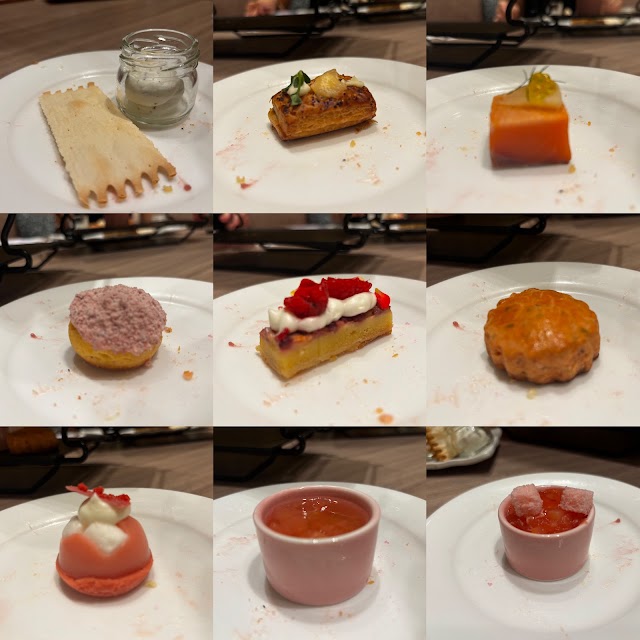
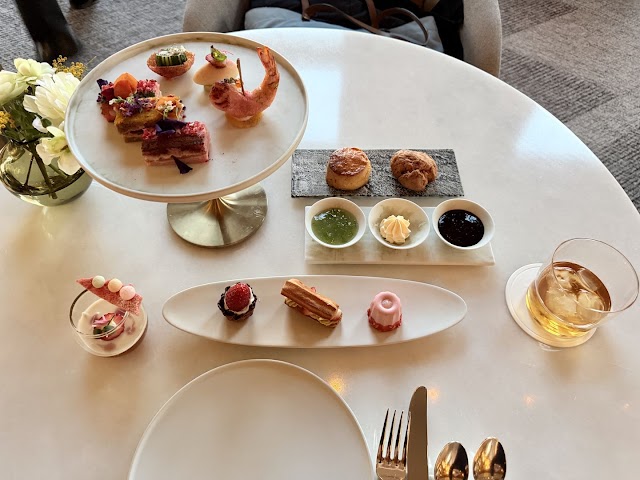
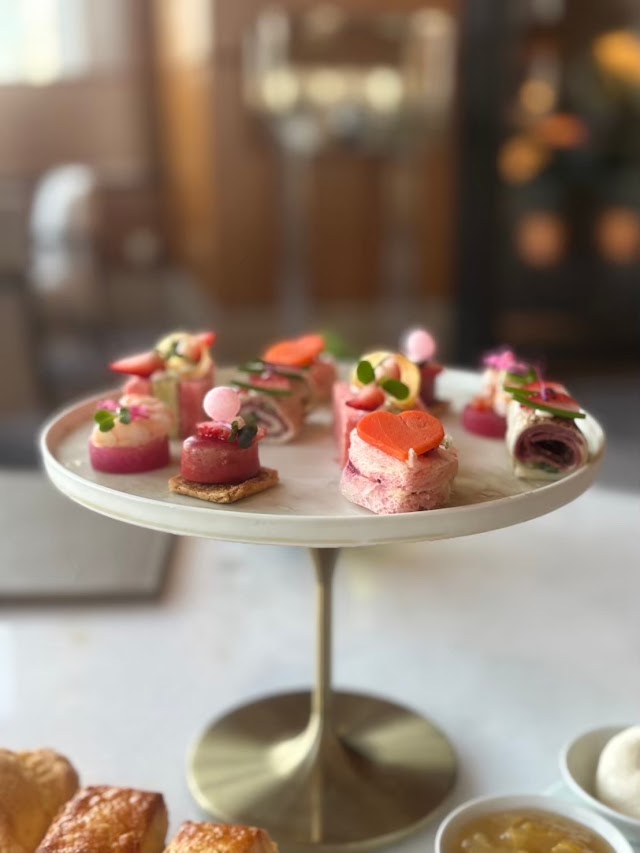
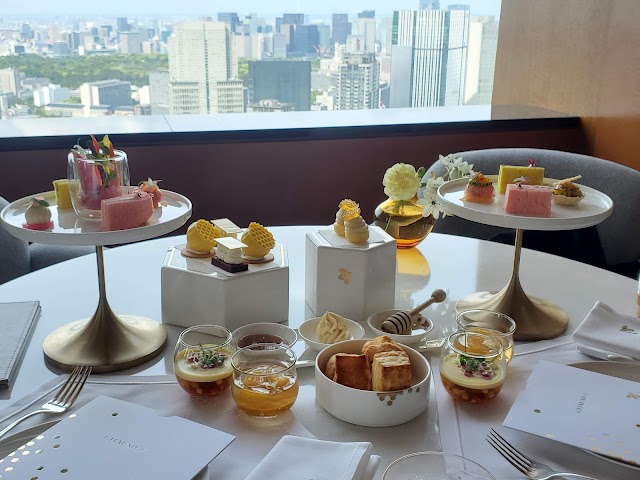
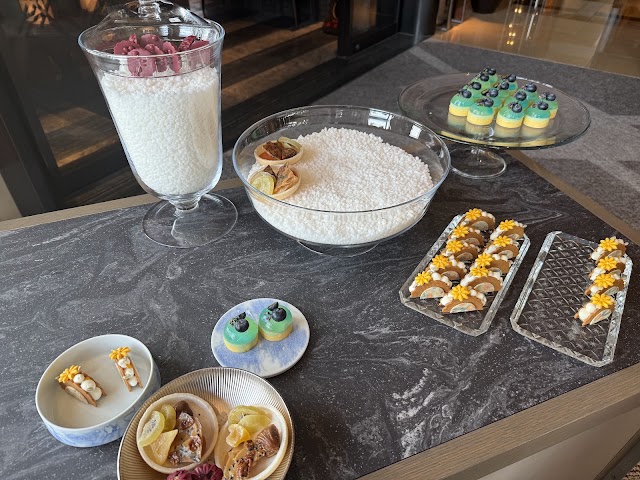
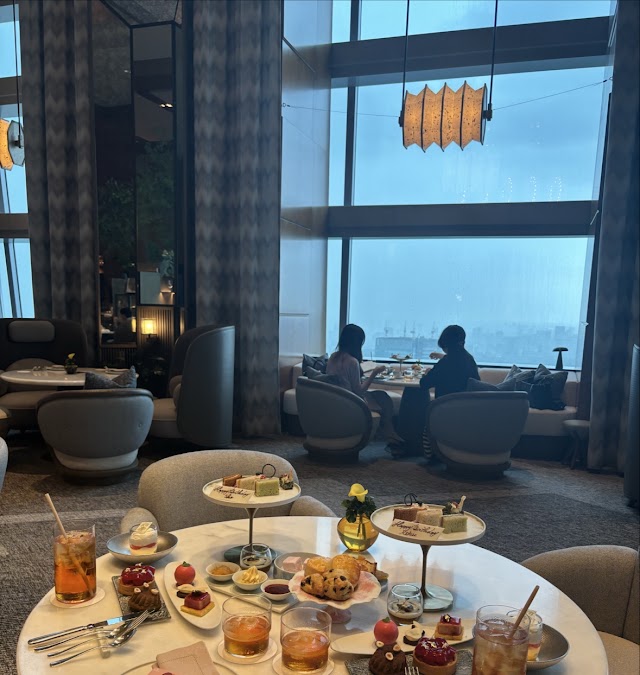
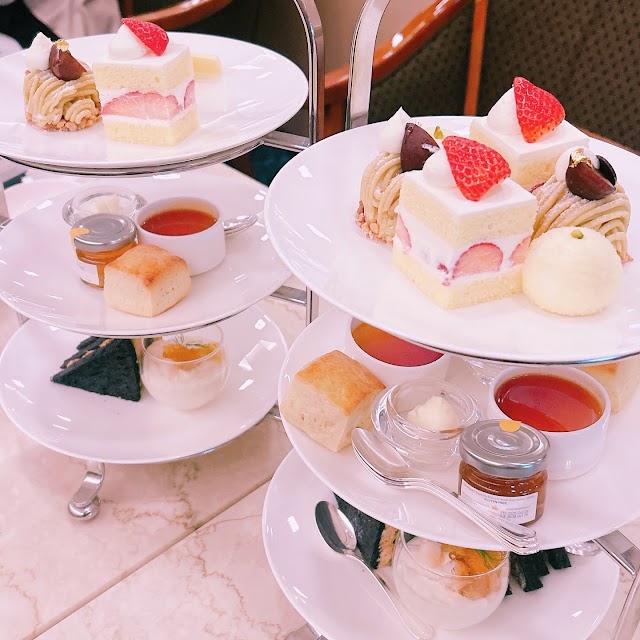
- Japan calls hotel afternoon tea 'nun-katsu': tiered stands with seasonal themes; almost always reservation-only, timed seatings, commonly ¥5,000–¥8,000
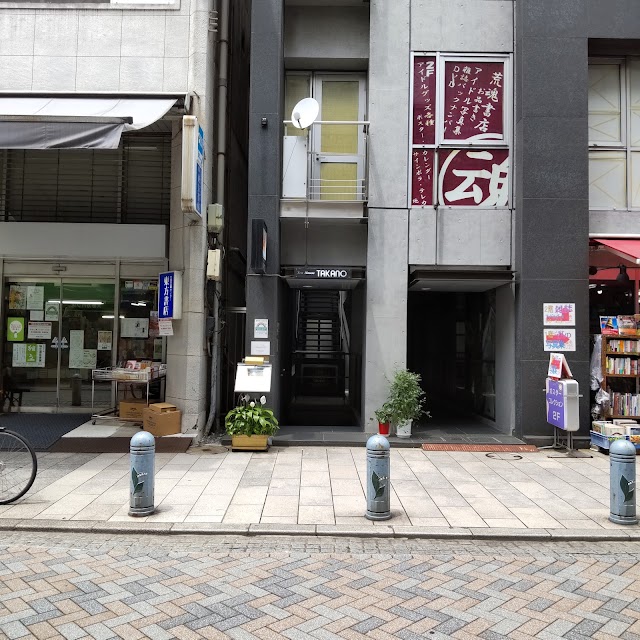
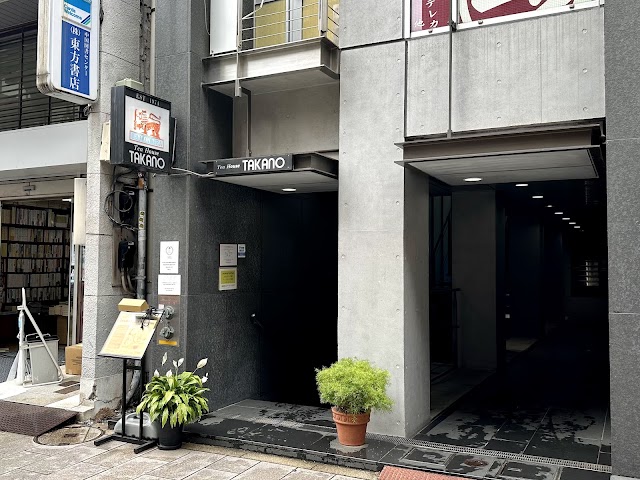
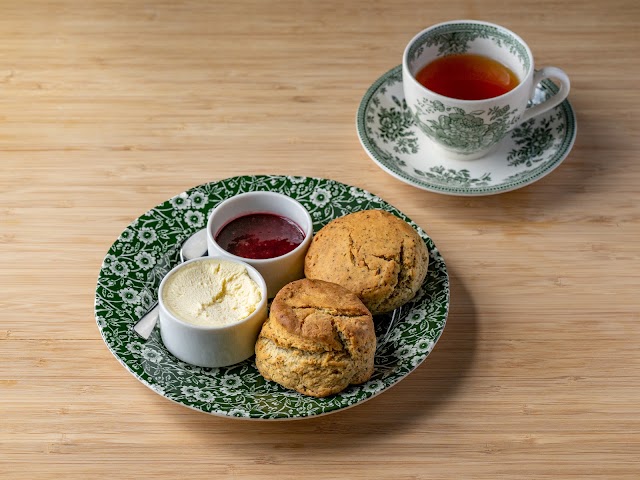
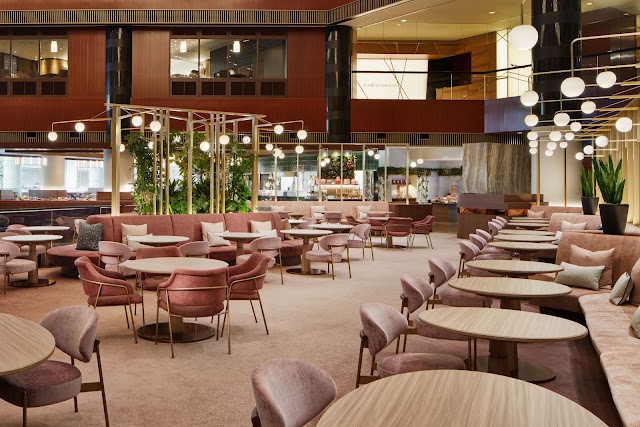
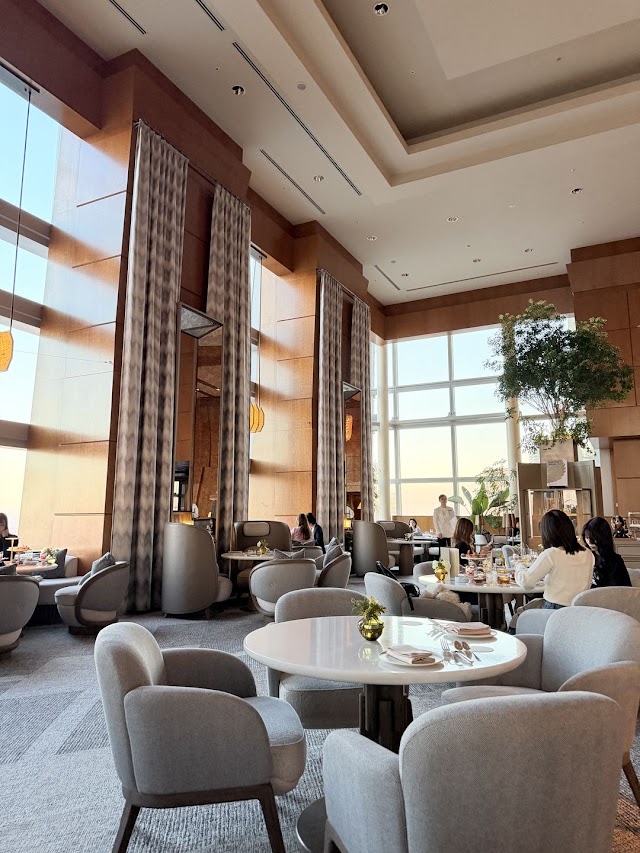
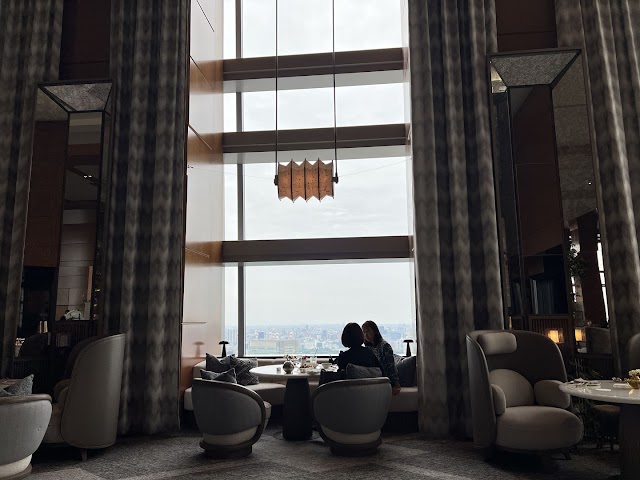
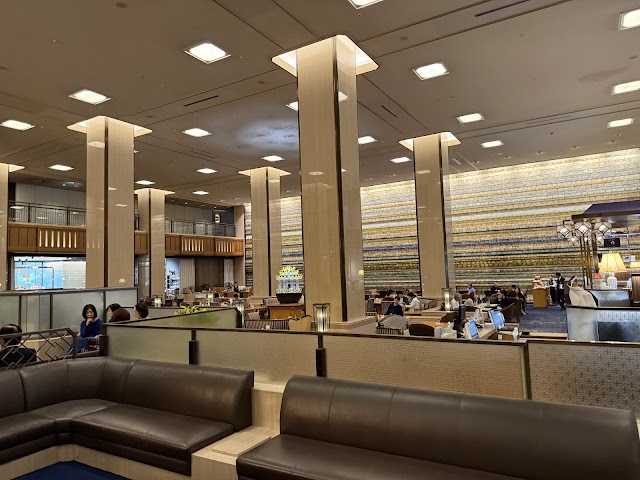
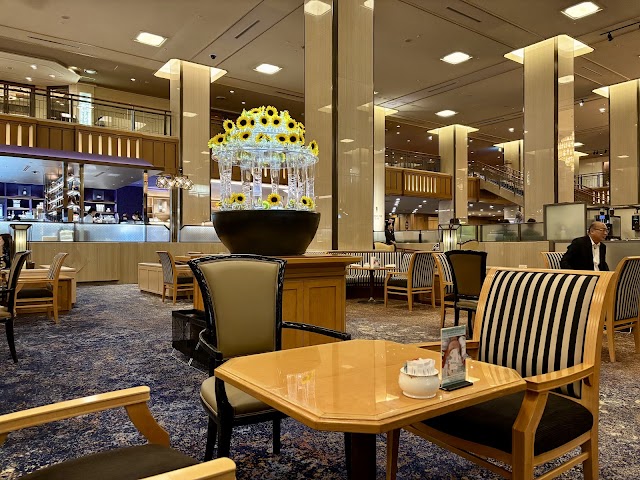
- Easiest entry points: Tea House Takano (Tokyo's oldest, near Jimbocho bookshops), TEA ROOM KIKI (unlimited tea tasting), ANA InterContinental (14m ceiling, convenient classic nun-katsu)
- Route pairing: Ginza (Mariage Freres + TWG) for two big names; Hibiya (KIKI + Imperial Hotel); Roppongi (Ritz + Grand Hyatt); book hotel salons ahead for weekend slots
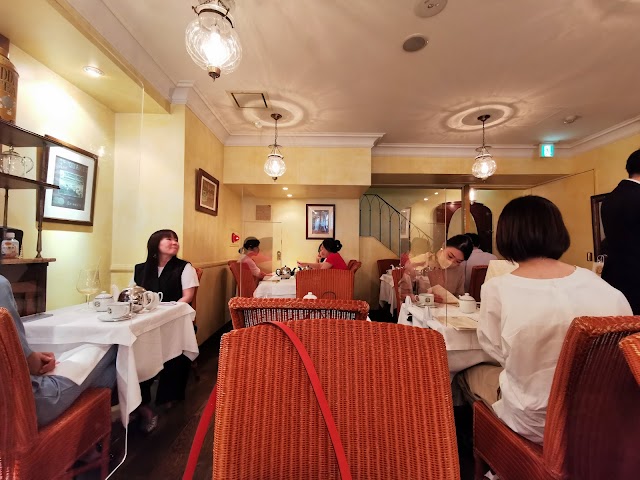
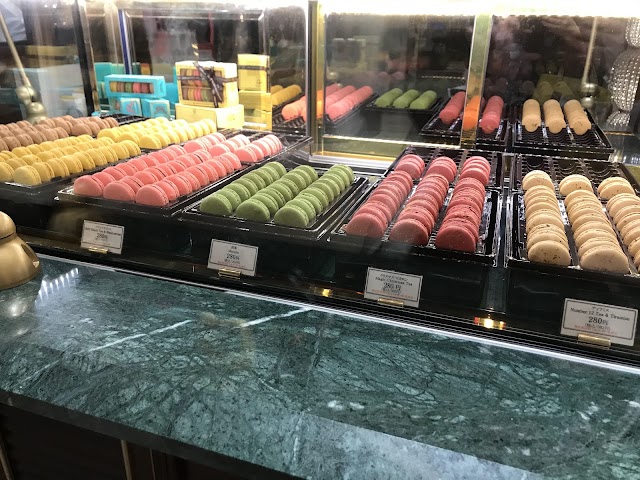
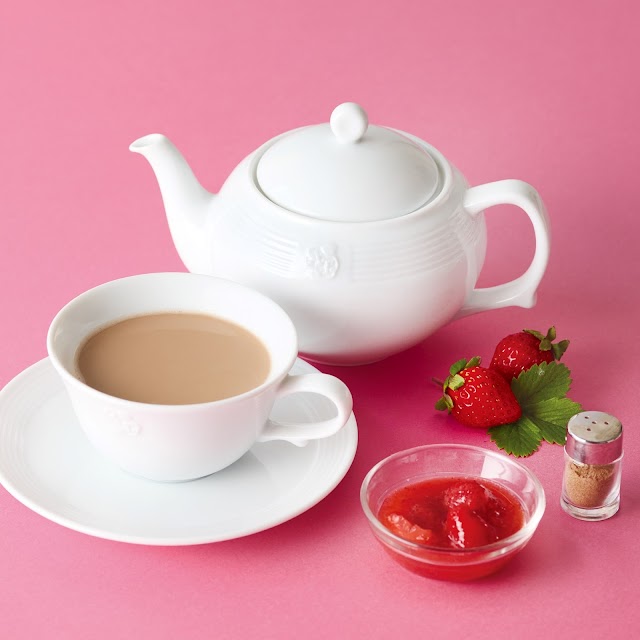
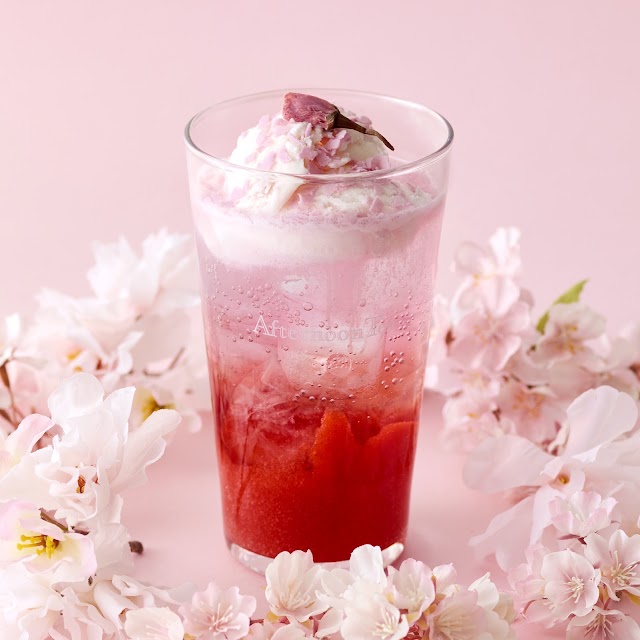
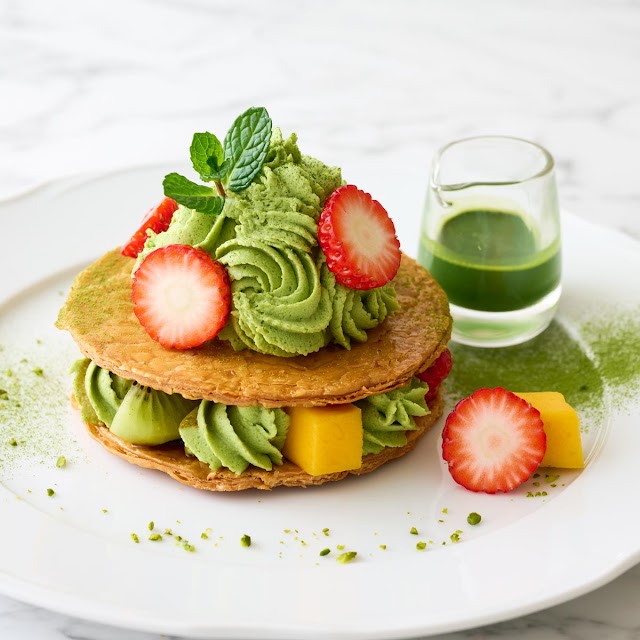
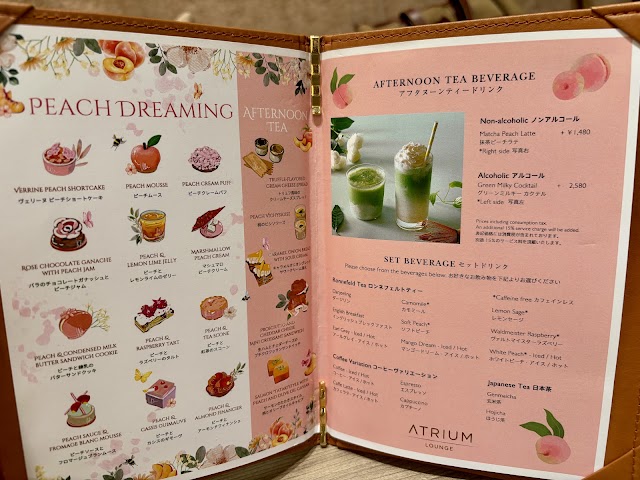
Taiwanese travelers cover Tokyo's third-wave coffee and Showa-era junkissa, but usually skip its tea scene—which runs surprisingly deep. It splits three ways. First, tea-leaf specialists (koucha senmonten) where the owner sources single-estate leaves and brews each pot by hand, ideal for anyone who wants to actually taste the difference between Darjeeling and Assam. Second, overseas grand tea salons (salon de the) such as Paris's Mariage Frères and Singapore's TWG, which fold leaf-buying, cake and afternoon tea into one glamorous room. Third, hotel afternoon tea—so popular in Japan it earned its own slang, 'nun-katsu'—with tiered stands and seasonal themes (strawberry, peach, matcha). Three tips: specialists are about the cup, so seats are few and the mood is quiet; overseas salons are lively and pair well with Ginza shopping; hotel afternoon tea almost always needs a reservation, runs on timed seatings, and usually costs roughly ¥5,000–¥8,000, with weekend slots selling out fast. Nine places below, three per route; confirm seasonal menus and prices on each shop's official site.
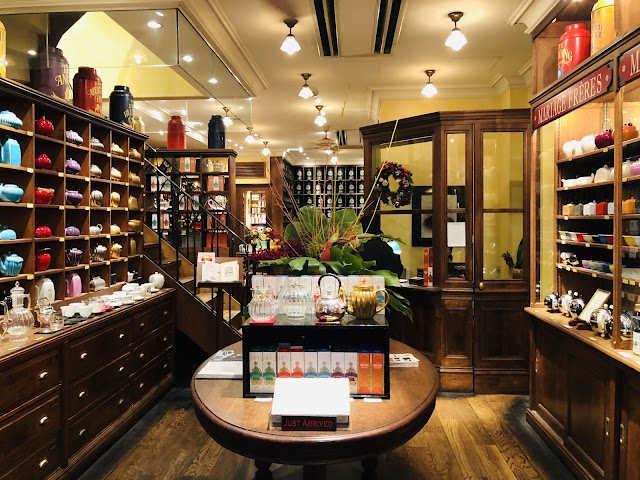
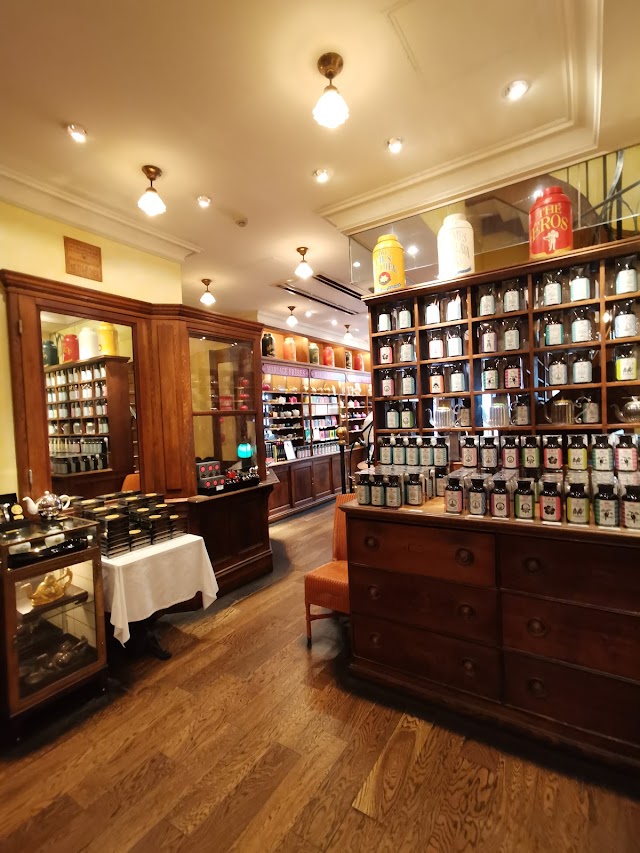
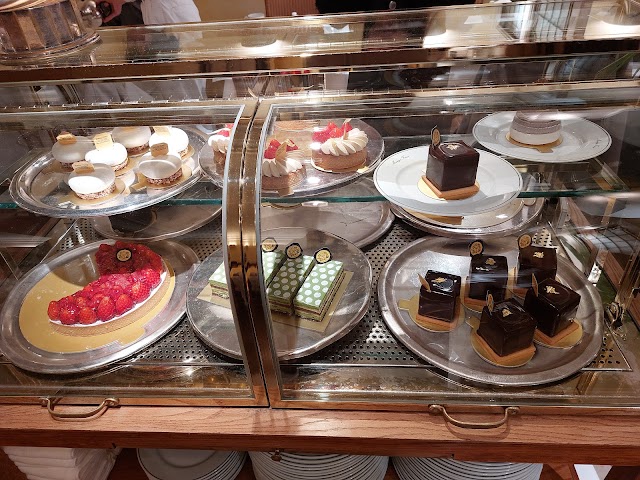
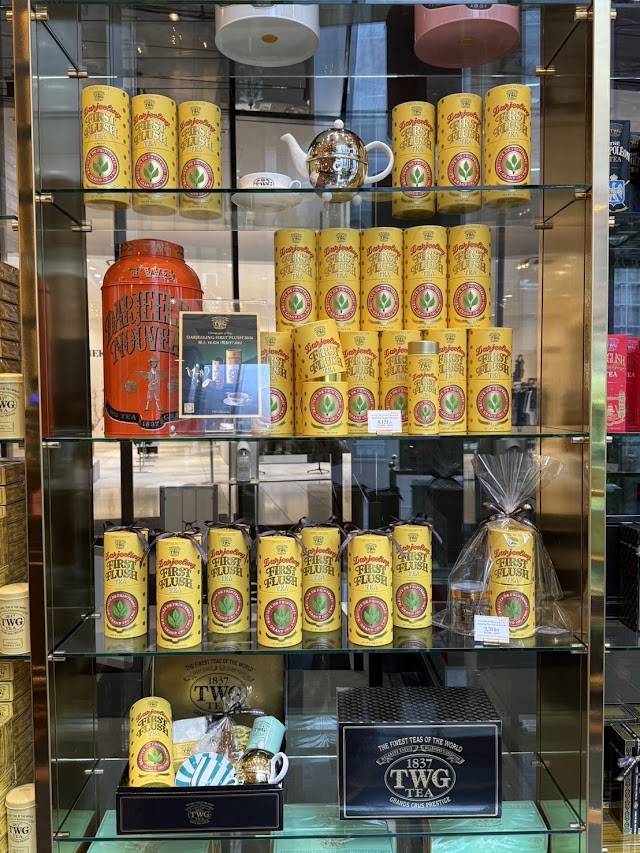
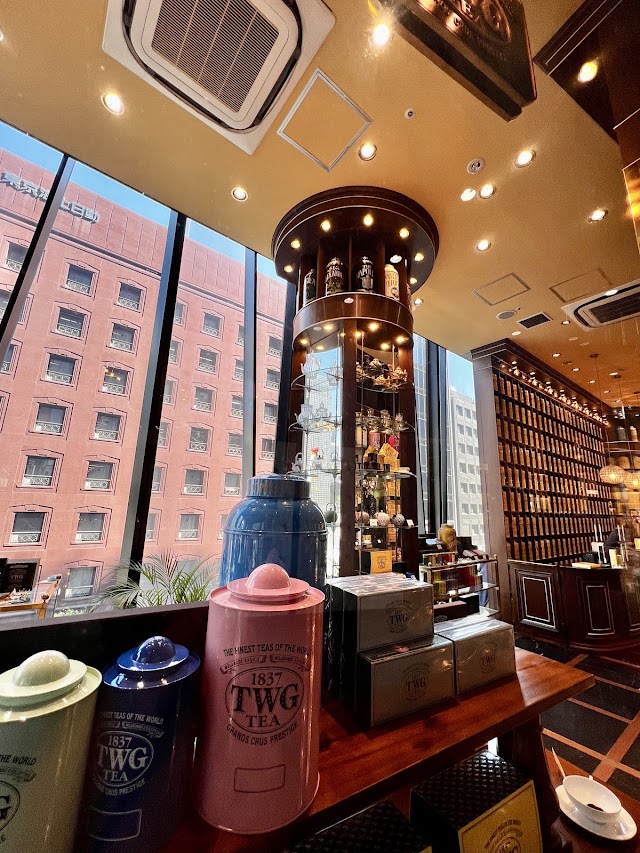
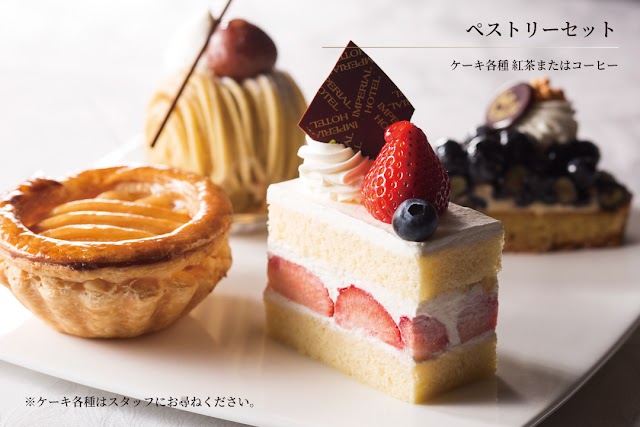
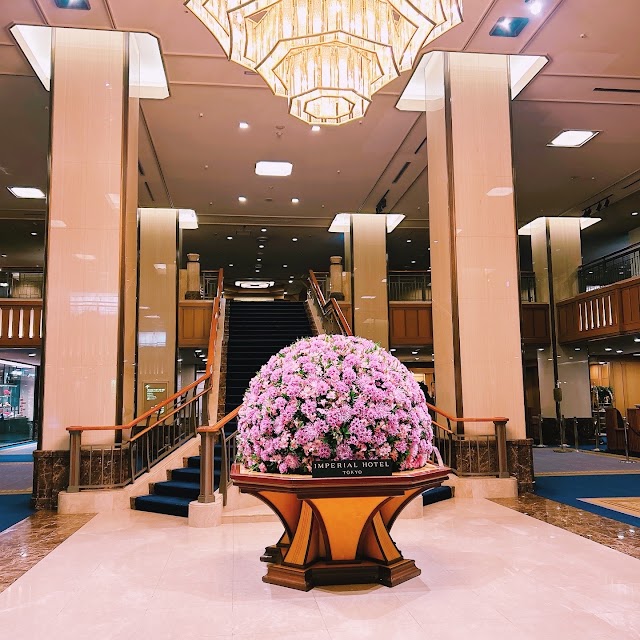
Tokyo's tea scene runs on three parallel tracks. The connoisseur track is the tea-leaf specialist: Jimbocho's Tea House Takano (est. 1974), the city's oldest, where a Japanese tea saying goes 'Takano in the east, Musica in the west.' The grand-salon track imports European and Singaporean houses—Mariage Frères (Paris, 1854) in Ginza, with its colonial-style second floor and Art Deco third floor, and TWG Tea Ginza, whose four-metre wall of yellow tins turns choosing tea into the main event. The ritual track is hotel afternoon tea, now a Japanese pastime nicknamed 'nun-katsu': the ANA InterContinental's Atrium Lounge (14m ceiling, perennial top of reservation rankings), the Ritz-Carlton Tokyo's Lobby Lounge for traditional high tea, and legacy grandeur at the Imperial Hotel. Sources: Jalan, Rurubu &more., OZmall reservation rankings, and each venue's official site; confirm seasonal menus and prices before you go.
 Scan for map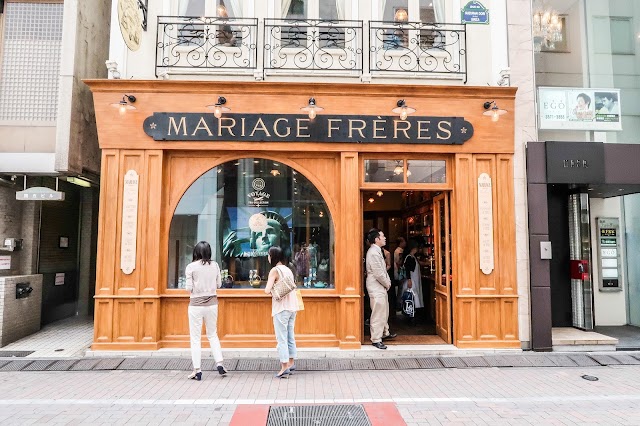
 Scan for map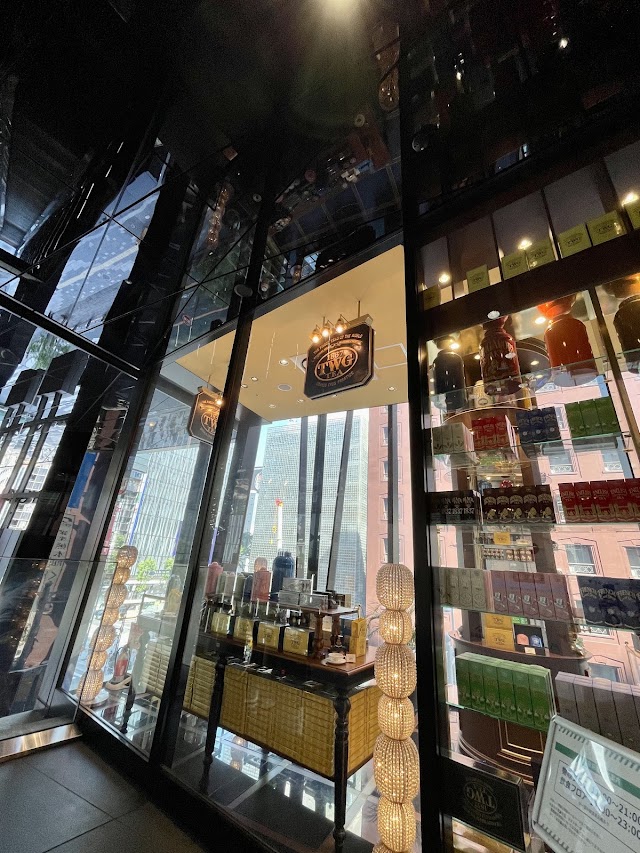
 Scan for map
 Scan for map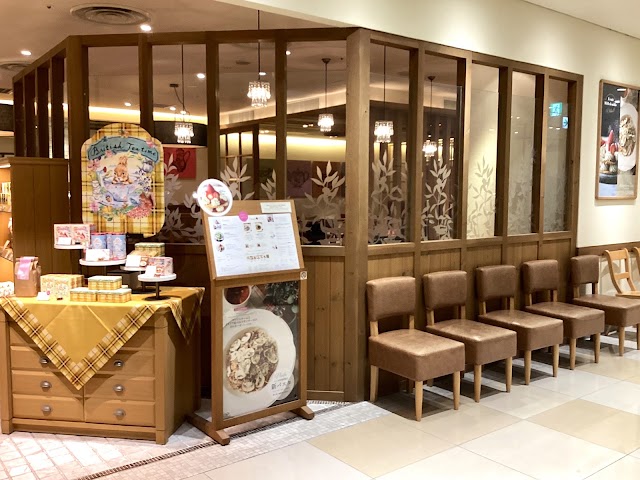
 Scan for map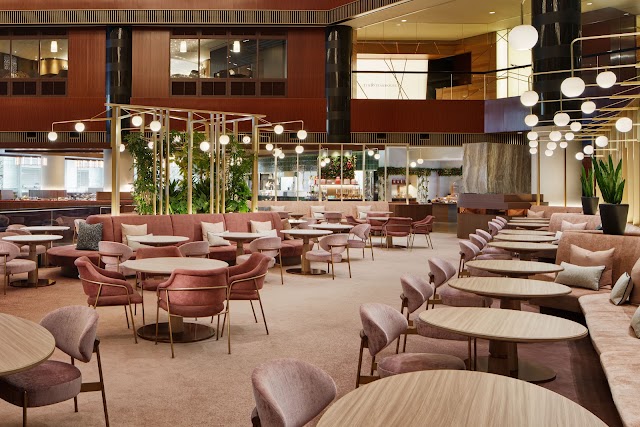
 Scan for map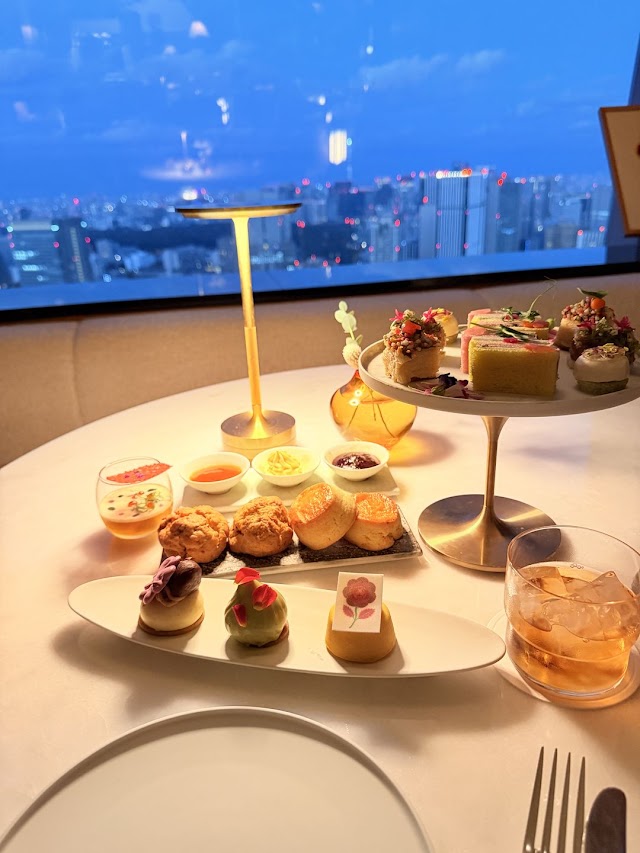
 Scan for map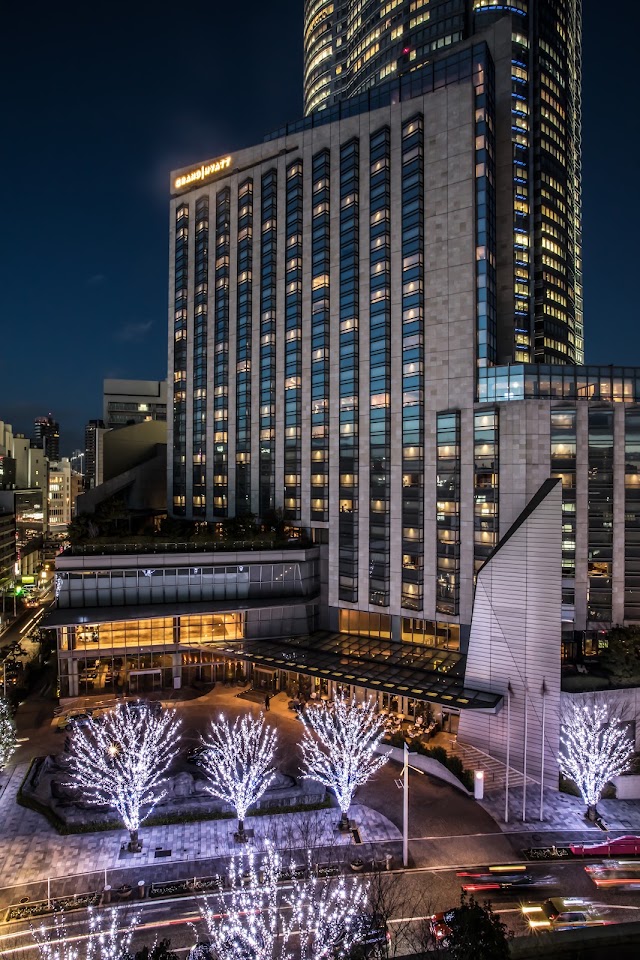
 Scan for map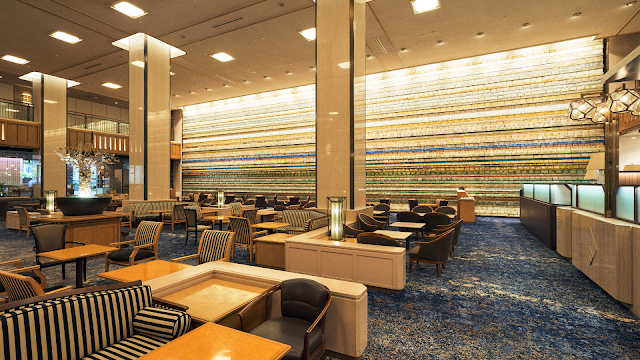
 Scan for map