Rents Outpace Paychecks: Tokyo's 23 Wards See a Great Migration to the Suburbs
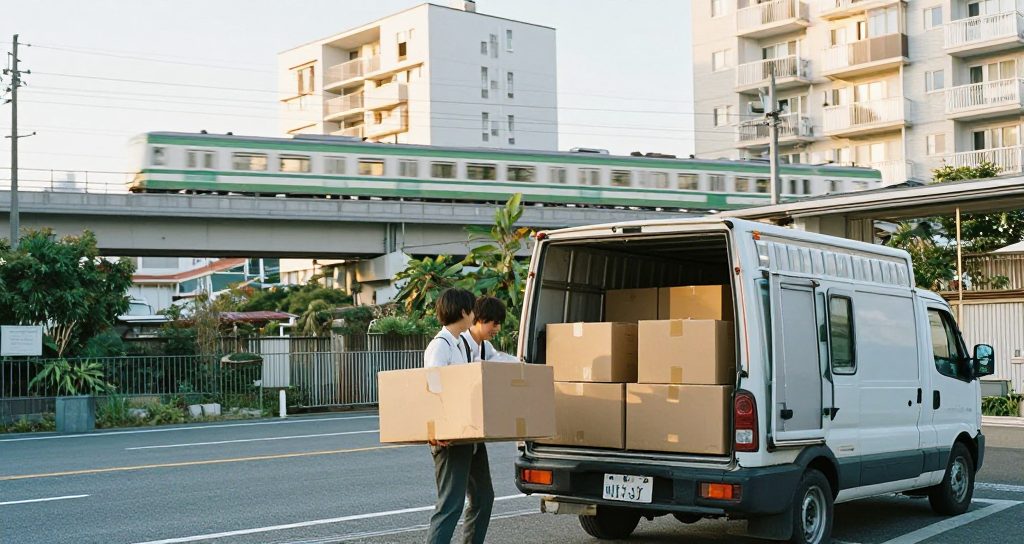
- Toyo Keizai reports population inflow into Tokyo's 23 wards is stalling as residents shift outward
- Soaring rents and condo prices—new units now average over 100 million yen—are pricing out households
- Both Japanese and foreign renters are hunting cheaper homes across the wider capital region
- Suburban commuter-line cities are emerging as the catchers of this outflow
- Yields in catcher cities run one to two points higher than central Tokyo
Toyo Keizai reports a structural turn in Japan's capital: population inflow into Tokyo's 23 wards is stalling, and the decade-long preference for central living is reversing as rents and condo prices outrun incomes. New condos in the wards now average above 100 million yen, and rents have followed, squeezing precisely the singles and young families who move most easily.
This differs from the pandemic-era "Tokyo exodus" of 2020-21, which was remote-work driven and quickly reversed. Today's outflow is pure price displacement, and it includes foreign renters—a sign the pressure crosses demographics.
For landlords in the wards, the near-term market remains tight, but watch for longer vacancies in commodity one-room stock. For buyers, suburban catcher cities along express commuter lines offer yields one to two points higher, with new upside if inflows persist—though Japan's shrinking population means selection is brutal: station-front, express-stop assets or nothing. Track the ward-level migration balance in government population reports and secondhand condo prices across the capital region; once displacement shows up in the statistics, it is a trend, not noise.