Decade-Long Standoff Ends: Shizuoka Signs Pact Clearing Maglev Construction
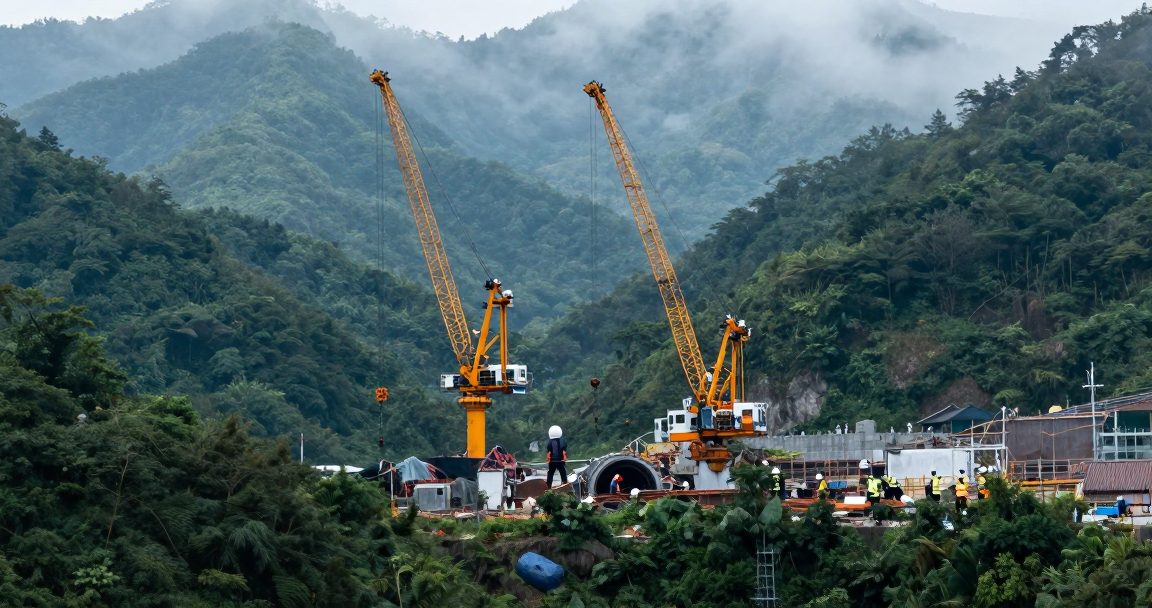
- Shizuoka Prefecture and JR Tokai signed an environmental conservation agreement on July 18
- The pact clears the way for construction on the long-stalled Shizuoka section of the Chuo Shinkansen maglev
- Water-resource concerns over the Oi River blocked the 8.9km tunnel segment for years
- The original 2027 Tokyo-Nagoya opening target was abandoned; a new timeline is awaited
- At 500 km/h, the line cuts Tokyo-Nagoya to 40 minutes, redrawing property and travel maps
The last missing piece of Japan's biggest distance-rewriting project just moved. Shizuoka Prefecture and JR Tokai signed a nature conservation agreement on July 18, satisfying the precondition for construction on the maglev Chuo Shinkansen's stalled Shizuoka section. The 286km Tokyo-Nagoya line, under construction since 2014 and designed for 500 km/h and 40-minute runs, had been blocked for years by an 8.9km tunnel segment amid Oi River water disputes. JR Tokai conceded in 2020 that the 2027 opening was impossible; dialogue resumed after Shizuoka's 2024 change of governor.
A new opening target is still pending, but the indefinite-delay risk premium starts shrinking today. Watch three fronts: land prices around intermediate stations such as Hashimoto, Kofu and Iida, where the 40-minute-commute story reopens; Shizuoka itself, which trades construction disruption for water monitoring, compensation and likely more Tokaido Shinkansen stops once maglev siphons off business traffic; and the construction and rolling-stock supply chain, whose order visibility just improved. The key signals ahead: JR Tokai's revised opening year and the actual excavation start date. An early-2030s target would reprice the corridor faster than most expect.