Taiwan's Southern Silicon Valley Takes the Crown: STSP Output Tops NT$2.97 Trillion, Beating Hsinchu Plus Central CombinedA · FULL TRANSLATION
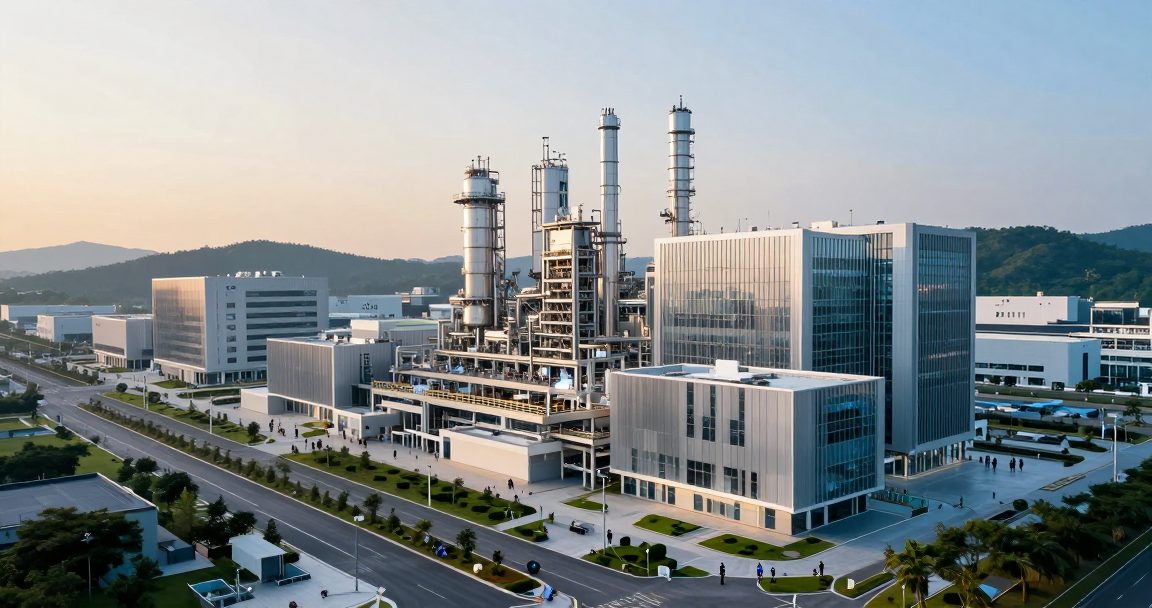
- Wise Consulting reports STSP fiscal 2025 production value exceeded NT$2.97 trillion (about 15 trillion yen)
- STSP surpassed the combined output of Hsinchu and Central Taiwan science parks for the first time
- TSMC's leading-edge fabs in Tainan and the national Southern Silicon Valley program drive the shift
- Robotics, drone and aerospace clusters offer openings for Japanese firms
A Japanese consultancy's new report offers a fresh map of Taiwan's tech geography. Wise Consulting finds the Southern Taiwan Science Park produced over NT$2.97 trillion in fiscal 2025—surpassing, for the first time, Hsinchu and Central Taiwan parks combined. TSMC's most advanced nodes concentrating in Tainan drove the shift, reinforced by the government's AI Island vision and Southern Silicon Valley program.
The report flags emerging robotics, drone and aerospace clusters and urges Japanese companies to adopt locally embedded partnership models rather than remote coverage from Taipei. The significance for readers: Japanese corporate attention is visibly rotating from a Hsinchu-centric view to the southern corridor, with implications for supply-chain siting, real estate and talent flows across southern Taiwan.
Wise Research, the research arm of Taipei-based Wise Consulting Group, released a new report on Taiwan's Southern Taiwan Science Park (STSP) in its industrial park series. The report finds STSP's total production value exceeded NT$2.97 trillion (about 15 trillion yen) in fiscal 2025, surpassing for the first time the combined output of the Hsinchu and Central Taiwan science parks to become Taiwan's top science park.
The surge reflects TSMC's concentration of leading-edge process capacity in Tainan, alongside President Lai's "AI Island" vision and the National Science and Technology Council's "Southern Silicon Valley" program. The report maps STSP's three core functions, emerging clusters in robotics, drones and aerospace, and argues Japanese firms should shift to locally embedded partnership models. Details are per the original report.