Foreign Visitor Rental Car Accidents Up 4.5-Fold in Five Years; Japan Re-Engineers Roads at Three AirportsA · FULL TRANSLATION
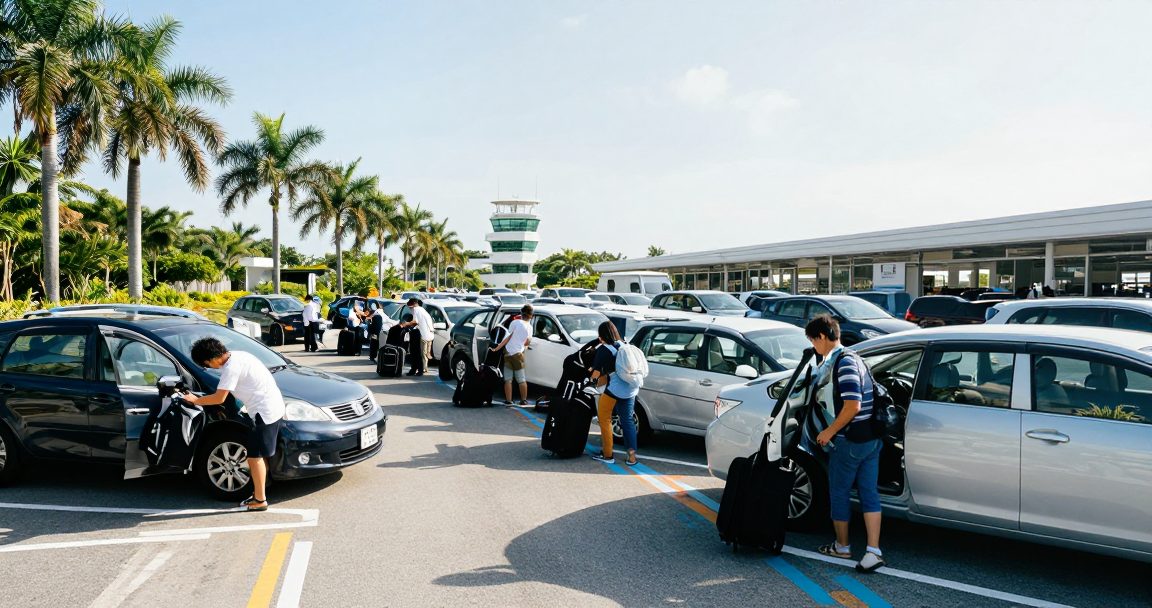
- Rental-car accidents by foreign drivers rose from 47 in 2020 to 212 in 2025
- MLIT is upgrading pilot measures to full deployment around New Chitose, Fukuoka and Naha airports
- Colored pavement and rubber poles target right-turn errors by drivers used to right-hand traffic
- ETC2.0 data from trials confirmed fewer sudden-braking incidents
Japan is literally re-engineering roads for its tourists. Accidents involving foreign rental-car drivers jumped from 47 in 2020 to 212 in 2025, and MLIT will now roll out permanent countermeasures around New Chitose, Fukuoka and Naha airports—the gateways of Hokkaido, Kyushu and Okinawa, where self-drive tourism concentrates.
The engineering targets the classic right-hand-traffic mistake: colored pavement guides right turns, rubber poles block wrong-side entry, and signage in rental districts reinforces keep-left. Pilot data via ETC2.0 probes showed measurably less sudden braking. For visitors from Taiwan, the US and China, these measures are effectively custom-built. The subtext for the tourism industry: infrastructure is adapting to inbound self-drive demand rather than restricting it—a quietly pro-tourism policy signal.
MLIT announced on July 17 a full-scale rollout of traffic safety measures for rental cars driven by foreign visitors, responding to rising accidents as inbound tourism recovers. Accidents involving foreign drivers with international or foreign licenses rose from 47 in 2020 to 212 in 2025. Building on pilot experiments using ETC2.0 probe data—which confirmed reductions in sudden braking—the ministry will move from trials to full deployment, starting around New Chitose, Fukuoka and Naha airports on key routes to major tourist areas.
Because right-turn crashes account for a high share, measures include colored pavement marking right-turn paths, rubber poles preventing wrong-side entry after turns, and signage in rental-car districts reminding drivers to keep left. The three pilot areas were chosen for heavy rental-car use by visitors from right-hand-traffic countries and the presence of national highways on airport access routes. Details are per the original release.