Neither Cheapest nor Biggest: Decoding the Formula Behind Japan's Strongest Supermarket
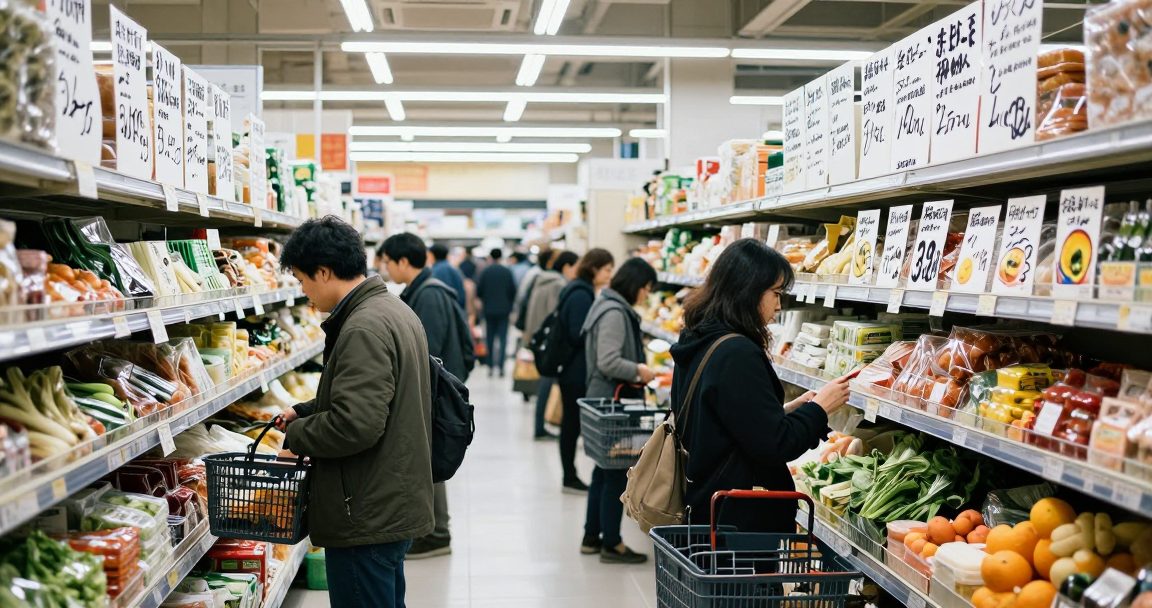
- Toyo Keizai dissects why OK tops customer satisfaction rankings among Japanese supermarkets
- The moat is disciplined execution of everyday low prices plus honest retailing
- Concentrated SKUs, bulk purchasing and strict freshness control resist imitation
- OK's Kansai expansion tests whether the model scales nationally
Discount chain OK dominates Japan's supermarket customer-satisfaction rankings year after year, and Toyo Keizai's analysis answers the right question: in a paper-thin-margin industry, what makes it strongest? Not the lowest prices or the most stores, but obsessive execution—pruned SKUs bought in bulk, near-fanatical freshness control, and honesty marketing that even tells customers when an item will soon be discounted.
The moat is discipline, not strategy: competitors understand it and still cannot copy it. Two takeaways travel well beyond Japan: retail differentiation can come from execution density rather than scale, and OK's push into Kansai—head-to-head with entrenched local chains—is the live experiment in whether quality discounting replicates nationally. In inflationary Japan, the contest is shifting from who is cheaper to who is trusted.