Tokyo Bakery Guide 2026: Nine Essential Shops, From Kimuraya the Anpan Inventor and Asakusa's Two-Item Pelican to L'Atelier du Plaisir, Tabelog's No.1 — Three Routes Through 150 Years of Japanese Bread
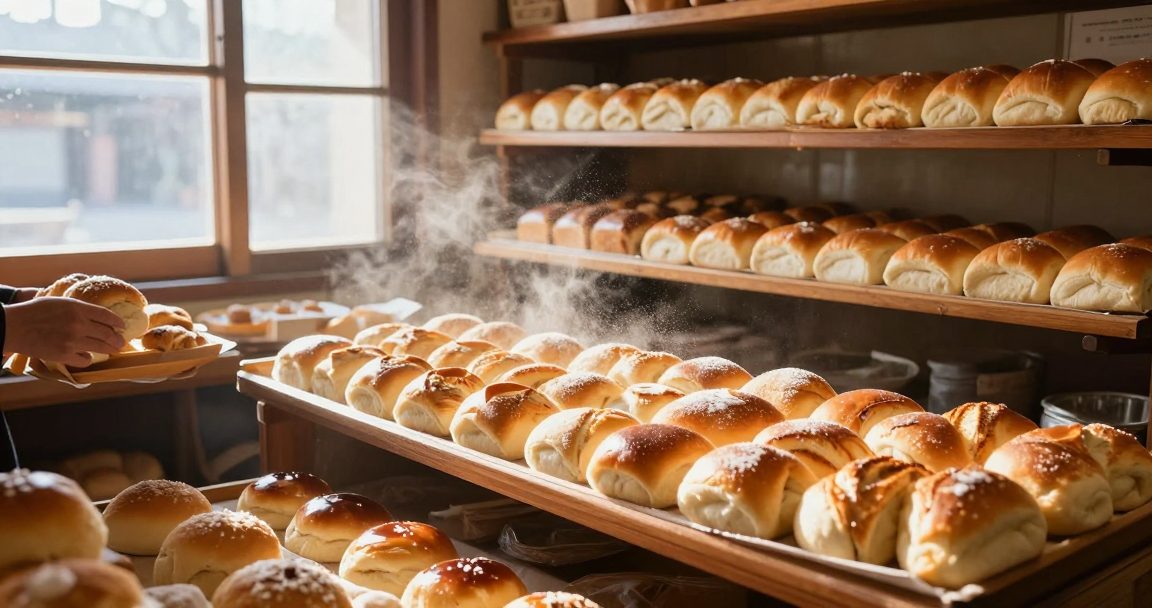
- Tokyo is where Japanese bread began: Kimuraya invented the sake-starter anpan in Ginza in 1874 — the ancestor of every sweet bun in East Asia's bakery culture
- Three routes, nine picks: heritage (Kimuraya 1869 / Pelican 1942, two items only / VIRON Shibuya French-flour baguette), the shokupan phenomenon (CENTRE THE BAKERY / 365 Days' engineered croissant / Boulangerie Sudo), artisan champions (L'Atelier du Plaisir, Tabelog Tokyo No.1 / Katane Bakery / TARUI BAKERY)
- Timing rule: signature breads sell out before noon — go right at opening; Pelican effectively requires a day-ahead reservation
- Etiquette: self-serve with tongs and tray, and picking up an item means buying it; takeout is the default, so eat in a nearby park rather than letting bread steam in a summer backpack
- Price sense: heritage anpan from about ¥200, famous baguettes around ¥500, premium shokupan ¥900–1,000 a loaf, croissants around ¥400 — pricier than Taiwan but in a different craft league
Taiwanese travelers rarely put bakeries on a Tokyo itinerary — Taiwan has plenty of its own. That instinct costs you a parallel universe. Japan's bread history was written in Tokyo: in 1874 Kimuraya in Ginza folded sweet red-bean paste into a bun leavened with sake starter, invented the anpan, and presented it to the Meiji Emperor the following spring — the ancestor of every sweet bun in every Taiwanese bakery today. Modern Tokyo is simultaneously one of the world's great French-bread cities: baguettes from imported French flour, shokupan loaves fermented for 36 hours, and a domestic-wheat revival movement all coexist on one subway map. Three field tips: signature items sell out before noon, so 'right after opening' is the only guaranteed window (Pelican effectively requires a day-ahead reservation); Japanese bakeries are self-serve with tongs and tray, and picking an item up means buying it; and in midsummer, don't let your haul steam in a backpack — eat it in the shade of Yoyogi Park with a bottle of iced coffee milk. Nine shops, three routes: the heritage originals, the shokupan phenomenon, and the neighborhood artisan champions.
Route 1, heritage: Kimuraya Sohonten in Ginza (founded 1869) invented the sake-starter anpan in 1874 and presented a cherry-blossom version to the Meiji Emperor on April 4, 1875 — now 'Anpan Day'; the Ginza flagship still bakes them fresh. Pelican in Asakusa's Tawaramachi (1942) is the opposite pole: for eighty years it has sold only two items, shokupan and roll pan, and both routinely sell out by noon. VIRON Shibuya bakes its Baguette Rétrodor from VIRON's dedicated French flour — crackling crust, sweet wheat crumb, endorsed by many French expats as better than most of Paris. Route 2, the shokupan phenomenon: CENTRE THE BAKERY in Ginza, opened in 2013 by VIRON's owner Takahiro Nishikawa, lit the fuse of Japan's premium shokupan boom with its 100% Hokkaido Yumechikara square loaf and 36-hour-fermented English bread. 365 Days (365日) in Yoyogi-Hachiman, chef Akimasa Sugikubo's 2013 shop, uses 100% domestic wheat and farm-direct produce; its conch-shaped croissant is engineered so melting butter drains off during baking and is not reabsorbed. Boulangerie Sudo by Shoin-jinja, run by a patissier-trained couple, is a perennial Hyakumeiten pick whose Setagaya shokupan once carried a month-long waitlist. Route 3, artisan champions: L'Atelier du Plaisir in Soshigaya-Okura has long topped Tabelog's Tokyo bread ranking (3.89) with sculptural long-fermentation hard breads; Katane Bakery in Yoyogi-Uehara pairs Hyakumeiten quality with everyday prices and a basement café; TARUI BAKERY by Sangubashi shares space with the Italian restaurant LIFE Son and bakes about thirty natural-yeast items — the perfect picnic depot ten minutes from Meiji Shrine's west approach. Sources: Tabelog Bread TOKYO Hyakumeiten, Ginza Kimuraya official history, Pelican official site, Mesitsu/Hot Pepper interview, Panlabo, Netlab Hyakumeiten ranking, Tennen Seikatsu Web, ACT LOCALLY.
 Scan for map
 Scan for map
 Scan for map
 Scan for map
 Scan for map
 Scan for map
 Scan for map
 Scan for map
 Scan for map