Japan Formally Commits to Rebuilding Up to Five Nuclear Reactors by 2040
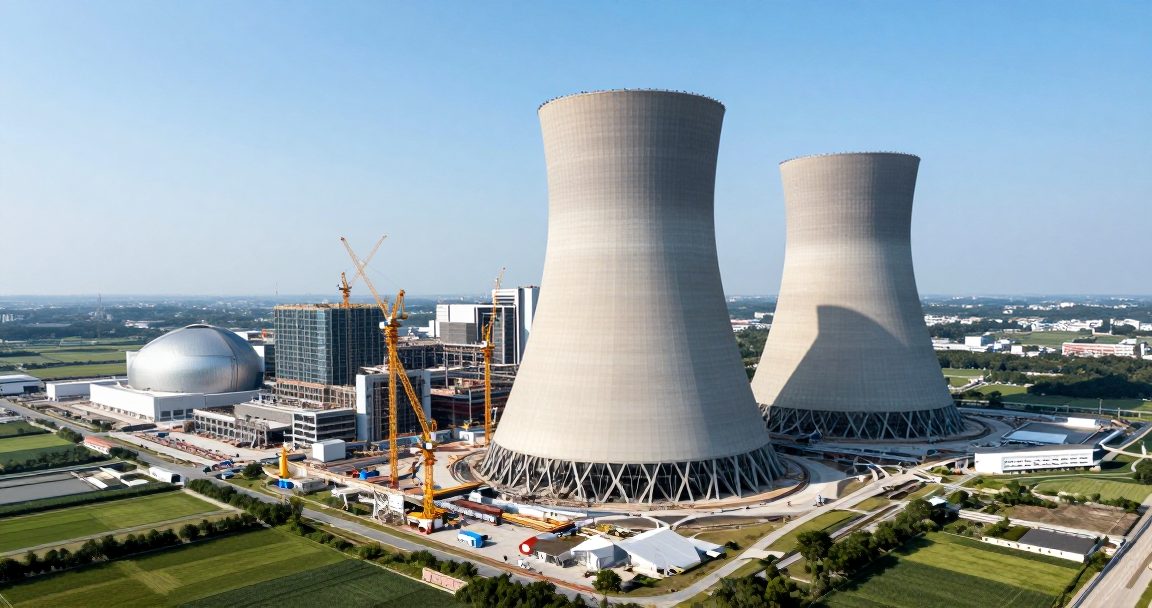
- Japan government officially decided to rebuild up to 5 nuclear power plants by the 2040s.
- The policy aims to address rising electricity demand and aging plant replacements.
- The decision is included in Japan's official nuclear energy policy guidelines.
- Focus is on safety and stable energy supply in the rebuilding plans.
- No specific locations or timelines for the rebuilds have been announced yet.
Electricity is a fixed cost for Japanese manufacturing, hotels and households alike, and it is the line item overseas investors most often overlook. On July 31 the government formally adopted a nuclear policy that puts the next fifteen years of that cost on paper: up to five reactor replacements by the 2040s.
METI's target set out two to five replacements by the 2040s and eleven to fourteen cumulatively by the 2050s, with capacity of up to roughly 5.5 million kilowatts — about 20% of the existing fleet. The energy plan targets nuclear at 20% of the 2040 power mix, against under 10% today. It is the first time since the 2011 Fukushima accident that Tokyo has attached numbers to new construction.
Demand explains the timing. Data centre and semiconductor loads have climbed sharply, thermal plants are ageing out, and grid constraints limit renewables. Japanese industrial power prices already run above Korea's and America's, which is one reason production leaves.
Execution is the hard part. Restarts have lagged plans since 2015; the obstacles are local consent, regulatory review and litigation, not legislation. A new unit typically takes fifteen to twenty years.
For investors, the capex visibility is real but the payoff sits a decade out. For anyone operating property or lodging in Japan, do not model the next ten years on today's tariffs. Watch which utilities and host municipalities move first, and what shows up in their capital spending plans.